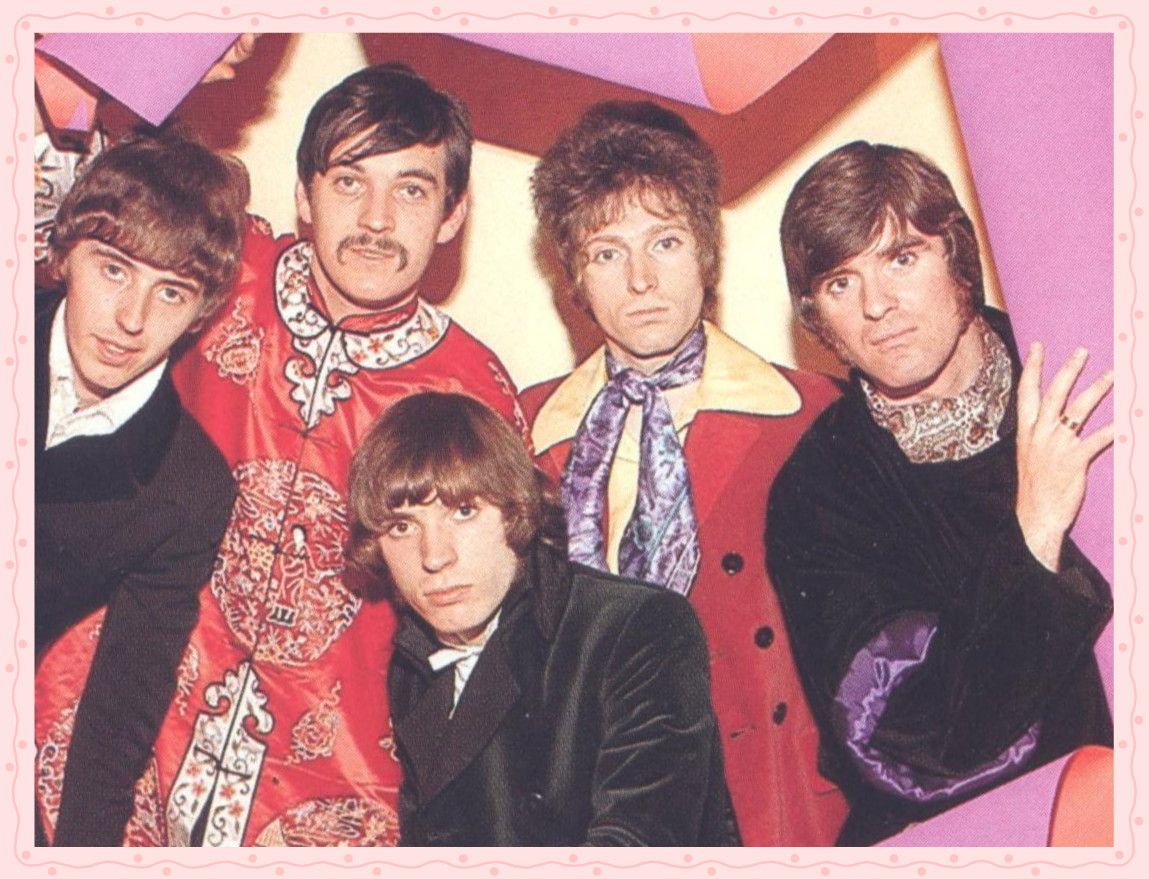
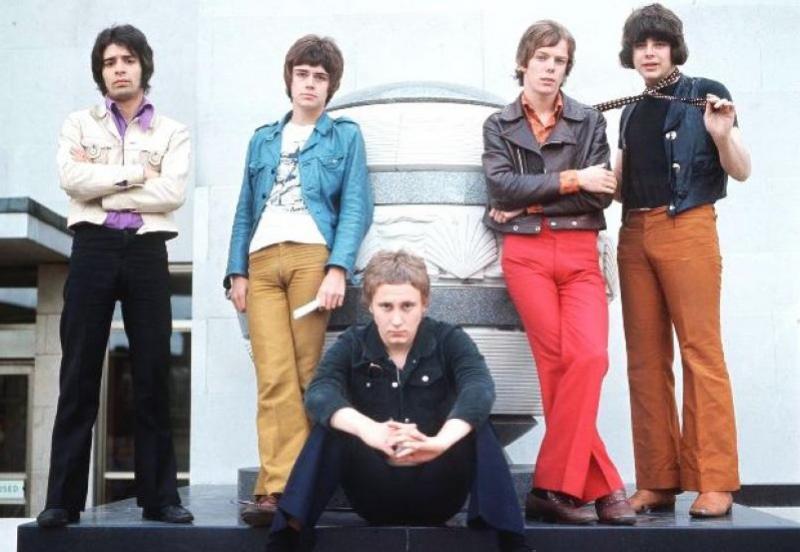
Random runners-up is back! Following on from my latest recap, let’s take a break from analysing all those chart-toppers, and lavish some attention on those records that fell at the final hurdle: #2.
These records are genuinely chosen at random (thank you random.org), and this time the generator has kindly thrown up a chart-topper from each of the five decades we’ve covered so far. We’ll be going back as far as 1955, and as close to this blog’s ‘present day’ as 1996. But first up, it’s the sixties.
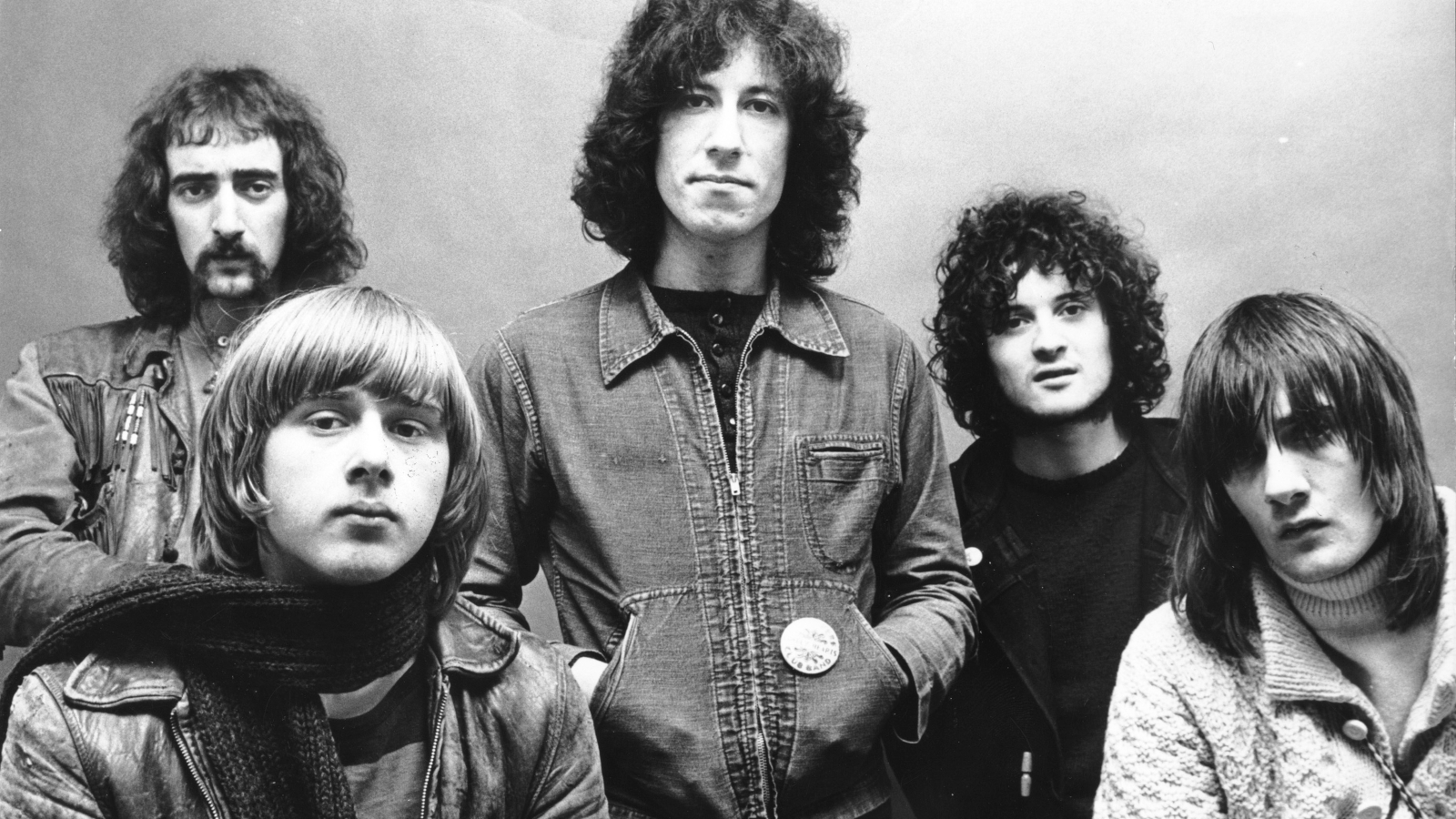
The generator has also thrown up three acts who we’ve already met in pole position. Fleetwood Mac had scored their only UK number one in January 1969, with the atmospheric instrumental ‘Albatross’.
‘Man of the World’, by Fleetwood Mac
#2 for 1 week, from 28th May – 4th June 1969 (behind ‘Get Back’)
They followed that up with a couple of #2s, the first of which was ‘Man of the World’. It starts off as a simple acoustic number, with some echoey guitar flourishes, and some nice echoes back to ‘Albatross’ in the cymbal crashes and the rhythmic bass. Peter Green, then the band’s main singer and songwriter, mournfully drawls: I could tell you about my life, They say I’m a man of the world… There’s no one I’d rather be… Before howling: But I just wish I’d never been born…
Legend has it that it was these lyrics that first alerted his bandmates to the fact that Green might not have been mentally okay. Just a year later he left the band. It’s a well-worn topic, how fame and fortune don’t always lead to health and happiness, but seldom has it been spelled out as beautifully as on ‘Man of the World’. After a wonderful bluesy middle-eight about how a ‘good woman’ might help, it ends with a murmured AndI wish I was in love…
When I was very young, I had a ‘Best of the Sixties’ cassette compilation. It was cheap, so it didn’t have the huge hits on it; but it had this. And so I knew ‘Man of the World’ long before I’d ever heard ‘Don’t Stop’, or ‘Little Lies’. Which is perhaps fitting, because it is this original incarnation of Fleetwood Mac that had the most UK singles chart success: a chart-topper, and two number twos. They would have to wait almost two decades for their next biggest hit: a #4 for ‘Everywhere’ in 1987.
By then, of course, and for most of their huge seventies successes, Mick Fleetwood and John McVie – whose surnames were combined to create the band’s name – were the two remaining original members. Peter Green meanwhile, struggled with his mental health throughout the seventies and eighties, but was sporadically involved in the music business, and with the other members of Fleetwood Mac. He joined the band for its induction into the Rock and Roll Hall of Fame in 1998, and died in 2020.
Another trip back in time then, with my second ever ‘Today’s Top 10’ (we went back to 1970 a few months ago – check it out if you have the time). This time I thought we’d go back to the summer of 1967… AKA The Summer of Love, in which for a few months the hippy ideal looked like perhaps becoming reality. Three very famous flower-power anthems topped the charts that summer, and all three are on this chart, dated 26th July-1st August 1967. But was the rest of the Top 10 as awash with peace and love? Let’s find out…
#10 – ‘Death of a Clown’, by Dave Davies (up 13 / 2 weeks on chart)
We start with a couple of big climbers, as Dave Davies’ debut solo effort enters the Top 10 this week. ‘Death of a Clown’ often gets classed as a Kinks’ song, and in fairness it does feature all four Kinks playing on it, and it did appear on the album ‘Something Else by the Kinks’. But it charted as a Dave solo number, with Ray contributing the la-la-la refrain, sung by his then wife. Its subject matter is that old rock ‘n’ roll chestnut – the grind of endless touring: I’m drownin’ my sorrows in whisky and gin… Dave Davies, who often chafed under his big brother’s domination of the group’s songwriting, had hoped that this song’s success (it would peak at #3) might lead to a solo album, but it didn’t. As a starter for our 1967 countdown it doesn’t scream ‘Summer of Love’, but Davies’ cravate in the video below is possibly the perfect encapsulation of the phrase ‘baroque pop’.
#9 – ‘Up, Up and Away’, by the Johnny Mann Singers (up 17 / 3 weeks on chart)
A bit more like it, now. An appropriately high climb for the Johnny Mann Singers going ‘Up, Up and Away’ in their beautiful balloons. It’s hardly the height of psychedelia, and it has much more of an upbeat, cabaret cheesiness to it, but it could also serve as a metaphor for indulging in some mind-bending substances. Most of the world knows it as a hit for the 5th Dimension but their version didn’t chart in the UK, leaving the coast clear for composer/arranger Johnny Mann and his singers.
#8 – ‘There Goes My Everything’, by Engelbert Humperdinck (down 2 / 10 weeks on chart)
Hang around the charts of 1967 long enough, and sooner rather than later you’ll come across Engelbert Humperdinck. He had two monster #1s, ‘Release Me’ and ‘The Last Waltz’, with this #2 smash sandwiched in between. ‘There Goes My Everything’ had been a huge US country hit for Jack Greene, before The Hump brought it to the pop charts. There’s more than a whiff of ‘The Green, Green Grass of Home’, a massive success for Tom Jones a few months earlier. Not very ‘Summer of Love’ but, let’s be honest, who could say no to a night of passion with this magnificent pillow-lipped crooner.
#7 – ‘A Whiter Shade of Pale’, by Procol Harum (down 3 / 10 weeks on chart)
Aha! Here we are then. One of the big three Summer of Love anthems, which had been at number one for six weeks and was now on its way down the chart. A stone cold, all-time classic which I’ve already named as one the Very Best #1s. Not much more to say, other than read my original post on it here, and give it a play regardless of how many times you’ve heard it before.
#6 – ‘See Emily Play’, by Pink Floyd (up 2 / 6 weeks on chart)
And if Procol Harum weren’t trippy enough, here is some true psychedelica from up and comers Pink Floyd. Written by founder member Syd Barrett, about a girl that he had seen in a forest while tripping on LSD. It is a deeply strange pop single, with lyrics about losing your mind, a demented harpsichord break, and a discordant, feedback-drenched solo. It was only their second single, and Barrett was opposed to releasing it as he didn’t think it was up to scratch. He would leave the band only a few months later, with mental health problems possibly brought on by drug use, and became a famous recluse. Pink Floyd meanwhile went on to release some of the biggest albums of the ’70s. They didn’t release many singles, though, and the next time they visited the Top Ten was with their surprise 1979 Christmas number one, ‘Another Brick in the Wall Pt. II’.
#5 – ‘She’d Rather Be With Me’, by The Turtles (up 2 / 7 weeks in chart)
Into the Top 5, with one of the decade’s great forgotten pop records, by one of the decade’s great forgotten pop groups. If the Turtles have made it into the public consciousness, then it’s for the single that they released just before this, the Billboard #1 ‘Happy Together’. Surprisingly for a song that constantly pops up in movies and on TV as shorthand for ‘The Swinging Sixties!’, ‘Happy Together’ only made #12 in the UK. Perhaps buoyed by that song’s greatness, ‘She’d Rather Be With Me’ went all the way to #4 later in August ’67. And for my money, it’s even better. Chunky production, unashamedly cheerful lyrics, cowbells, and a big, brassy marching band finish crammed into a little over two minutes. The Turtles would have one further Top 10, ‘Elenore’, which they wrote as a parody of ‘Happy Together’, but which manages to be even more ludicrously catchy.
#4 – ‘Alternate Title’, by The Monkees (down 2 / 4 weeks on chart)
Even The Monkees get into the spirit of the time, releasing a record as trippy as anything a better respected band might have put out. ‘Alternate Title’ is a very literal name for this record, as it was released elsewhere as ‘Randy Scouse Git’. (RCA refused to put it out in the UK with that name, as it sounded “somewhat rude to a British audience”.) Micky Dolenz had heard the phrase on the sitcom ‘Till Death Do Us Part’, which British audiences had somehow managed to watch without reaching for the smelling salts. If the Monkees were better respected, then the lyrics to this might warrant as much chin scratching as ‘American Pie’. It’s a bonkers record, with the verses telling the story of a party, referencing The Beatles (the four kings of EMI), the model – and Dolenz’s future wife – Samantha Juste (the being known as ‘Wonder Girl’), and Mama Cass in a yellow dress. The shouty chorus meanwhile represents the establishment yelling at the youth of the day (why don’t you cut your hair?!). And when I call it ‘bonkers’, I mean it in the best possible sense of the word.
#3 – San Francisco (Be Sure to Wear Some Flowers in Your Hair), by Scott McKenzie (up 2 / 3 weeks on chart)
On its way to the top, another anthem for the Summer of Love: an ode to the city where it all began. In fact, ‘San Francisco’ was written as promotion for the Monterey International Pop Festival, held in June that year. So it’s basically an advert… which isn’t super compatible with the hippy ethos, but hey ho. It worked, and young folks flocked to the city that summer, many with the requisite flowers in their hair. Of the three Summer of Love anthems, this one is perhaps the most stuck in that time, and hasn’t transcended to become an all-time classic. But it’s hard to argue with that sweet, wistful melody. Read my original post on it here.
#2 – It Must Be Him (Seul Sur Son Etoile), by Vikki Carr (up 1 / 9 weeks on chart)
Just to remind us that the singles chart is at heart a collection of songs ordered by cold, hard data, with no interest in the trends of the time, this was the #2 single as the Summer of Love reached its peak. American Vikki Carr provides the easy-listening filling between two hippy anthems, with a tune originally written and sung in French. In ‘It Must Be Him’, Carr – who has a lovely, strident voice – waits by the phone hoping her ex will call: Let it please be him, Oh dear God, It must be him, Or I shall die... I’d suggest Vikki might have played it a bit cooler, if only because all that talk of death and God probably brought this close to a BBC ban…
#1 – ‘All You Need Is Love’, by The Beatles (non-mover / 3 weeks on chart)
In the middle of a 3-week run at the top, this chart’s third, and perhaps ultimate, flower-power anthem. You can read my original post here. (I can’t remember what I wrote five years ago, but I’m sure it was largely positive!) Listening again now, I’m struck by how much fun this record is. From the opening bars of La Marseillaise, through Paul’s ‘all together now’s, the snatches of Bach, ‘Greensleeves’, and ‘In the Mood’, to brief glimpses of ‘Yesterday’ and ‘She Loves You’, the worthy message is dressed up in a lot of singalong fun. Brian Epstein, who would die just a few weeks later, described the band’s performance of the song for the ‘Our World’ television link-up as their finest moment.
So I’d say half the Top 10 for this week in July 1967 does the Summer of Love (and LSD) proud. The other half is more standard sixties: middle-of-the-road ballads, quality pop, and some high-grade crooning. Hope you enjoyed this detour, and I’ll do another one before the year is out.
I have to thank the person who, in the comments section on ‘Firestarter’, pointed me in the direction of this version of the Prodigy’s controversial classic. (Folks, please put your name in the comments!) It’s a complete reinvention – as all the best cover versions are – ‘Firestarter’ as performed by ‘White Album’ era Beatles, and sung by Scott Walker. Still, it retains the song’s ominous, bubbling nastiness, even as it lulls to you to sleep with its droning lullaby beat. It’s performed by Torre Florim, of Dutch band De Staat, and came to prominence on the soundtrack for the video game ‘Just Cause 3’.
‘Honky Tonk Women’, by The Pogues
If ever there were a band to rival the Stones for hellraising and general debauchery, it’s the Pogues. And they covered one of Jagger & Richards debauched classic ‘Honky Tonk Women’ as the ‘B’-side to their single ‘Yeah Yeah Yeah Yeah Yeah’ in 1988. So this must be officially the most rock ‘n’ roll record ever made…? Unusually for a Pogues song at the time, lead vocals are taken by Spider Stacy rather than Shane MacGowan, but the raucous air remains intact. This cover version doesn’t reinvent the wheel, but then sometimes you just don’t need to.
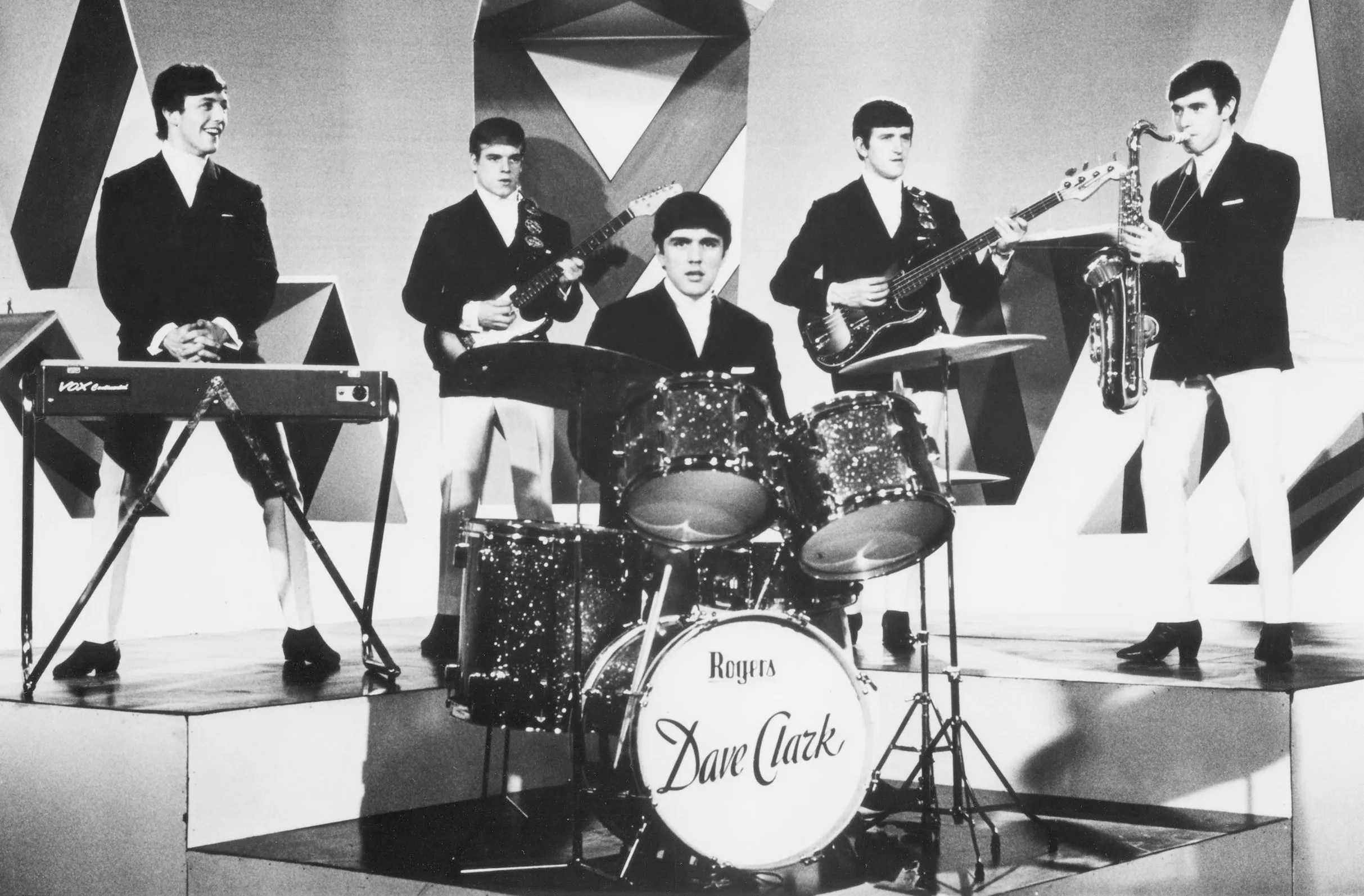
Our next #2 takes us back to the winter of 1967 – The Winter of Love, as nobody called it – and a band who had scored their sole chart-topper almost four years earlier…
Of the five songs that I’ll feature this week, this is the one I’d never heard before writing the post. And it’s a tune that’s very typical of the time. A waltzing rhythm, soaring strings, glossy, chiming guitars… A world away from the pounding pop of ‘Glad All Over’. In fact I’d say it owes a large debt to the big breakout star of 1967 – pillow-lipped crooner extraordinaire, Engelbert Humperdinck. (The Hump went and covered ‘Everybody Knows’ for his ‘Last Waltz’ LP, and made the bold choice to change the lyrics so that he was singing about a man…)
This is a nice enough song, with a lovely key change in the build up to the chorus. But it’s a sign of where pop music was post-British Invasion, when the hippy dream started to go sour, and the sixties started to lose a little of their swing. The best bands ploughed their own furrows: The Beatles went to India; The Stones went satanic; The Kinks hopped down a rabbit-hole of nostalgia… While the rest were left trying to remain relevant. Hence perhaps why The Dave Clark Five ended up sounding like something your gran might shimmy around the living room to, rather than being at the forefront of the hot pop sounds.
Despite it being unashamedly old-fashioned, this single gave the DC5 their biggest hit since ‘Glad All Over’. Possibly the time of year helped, as who can resist a bit of schmaltz at Christmas time? Contrarily, the band had already released a song called ‘Everybody Knows (I Still Love You)’ in 1964, meaning that this one has become unoffically known as ‘Everybody Knows (You Said Goodbye)’. And though it may sound like a swansong, this wasn’t the end for the Five. They still had three Top 10 hits to come, the last of which came in 1970, meaning they outlasted many of their contemporaries.
Tomorrow we’ll have our final runner-up of the series, and if it isn’t another of the most famous #2 singles of all time…
Our next randomly selected #2 comes from what, for my money, must have been the most exciting time to be a pop music fan. Come with me back to the summer of 1963, and the Merseybeat explosion…
‘Do You Want to Know a Secret?’, by Billy J. Kramer & The Dakotas
#2 for 2 weeks, from 30th May to 12th June 1963, behind ‘From Me to You’
And its one Liverpudlian act, Billy J. Kramer, covering another, The Beatles. Many of the early beat bands ended up relying on Lennon & McCartney hand-me-downs, and The Dakotas were no different. A few months after this, their debut hit, they would score a first number one with another Beatles cast-off, ‘Bad to Me’.
‘Do You Want to Know a Secret?’ had featured on the Fab Four’s first album, ‘Please Please Me’, released in March that year. (I only just realised that it was sung by George Harrison, who sounds remarkably like Paul McCartney on the recording.) It’s a sweet, simple song, but not one which really indicates that the band were going to be the biggest pop phenomenon the world had ever seen. And The Dakotas’ version is even more diluted, a little more ramshackle, a little old-fashioned in a rockabilly kind of way. Again nice, but they’d pick up the pace on ‘Bad to Me’.
It made #2 during the seven-week run of The Beatles’ first chart-topper, ‘From Me to You’ (not the last time Lennon & McCartney would occupy a Top 2…) It may even have been the best-selling single in the country at some point during its run, but not on the Record Retailer chart, which is what the Official Charts now recognise. It’s the reverse of the situation a few months earlier, when The Beatles’ ‘Please Please Me’ had stalled at #2 in Record Retailer, and therefore the history books, behind yodeller supreme Frank Ifield.
Billy J. Kramer would remain popular for a year or two, scoring a second chart-topper with the ever so slightly creepy ‘Little Children’. Like so many of the earliest Merseybeat stars, though, his star had waned by 1965. The original ‘Do You Want to Know a Secret?’, meanwhile, would go on to be released as a single in the US, where it also made #2.
In the five years that I’ve been writing these blog posts, I’ve covered thirty-five years of the singles chart, and 615 #1 singles. Which means that we are pretty much exactly halfway between 1952 and 2023! We’re not quite halfway through all the chart-toppers, however, as turnover between #1s really sped up in the late ’90s and early ’00s. Around 800 songs stand between us and February 2023.
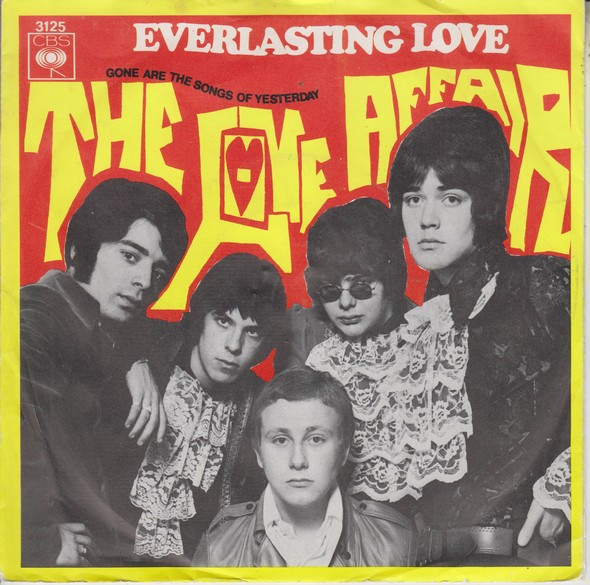
Anyway, on to today’s guest writer: Max from PowerPop blog. His blog is a treasure trove of pop culture – music, films, TV shows and more, from the ’60s, 70’s and beyond. I’ve discovered so many cool songs from following his blog, and would recommend that you do so too… If you aren’t already! He’s has chosen Love Affair’s 1968 smash, ‘Everlasting Love’. Take it away, Max…
‘Everlasting Love’, by Love Affair – #1 for 2 weeks in 1968
First, it’s an honor to guest host on this wonderful blog! I have discovered many #1 songs that I never knew existed. It’s been a lot of fun going through history with UK #1s blog. I like learning about songs I like and dislike… The more trivial knowledge I can stuff in my brain the better. I like to give its creator a lot of good-natured fun over my dislike of (I even hate typing the name!) Madonna. I always look forward to commenting here.
I was looking through this blog in 2020 and I noticed this song and it hit me hard. It starts in with a cannon shot from the drums and that bass. I’ve been a bass player for a long time and I would love to get that sound now. I was struck on how modern the sound was, along with how Steve Ellis looked like he came from now not 1968. He didn’t look like he was old enough to drive… much less 18 years old.
This version was much better than the Carl Carlton version I knew. I’m American and knew nothing about Steve Ellis and Love Affair. This version is not as slick, and it punches you in the face in the intro. The video intrigued me as well. The video is very 1960s with what is going on. The lingering flower power along with some 1920s thrown in. It has a nice vibe to it… the Charlie Chaplin girl and the other girl who are dancing around posters of Jimi Hendrix and LBJ… pure sixties. It makes you feel like you are there.
When you look back to 1968 and the music at that time… it was everywhere on the map. You had rootsy music, as in The Band. The Beatles and Stones also shed their psychedelic stuff for more pure music without the studio tricks. Other bands still explored psychedelic, folk, country rock, hard rock, and pop. The sixties had some of the best pop songs of any decade. This is one of those great pop songs.
Only Steve Ellis played on this recording. Studio musicians did the rest. Love Affair went onto achieve five more UK Top 20 hits on which the entire band did get to perform. ‘Everlasting Love’ peaked at #1 in the UK in 1968. It was written by Buzz Cason and Mac Gayden. It was originally recorded by Ray Knight and peaked at #40 in the UK, and at #13 in the Billboard 100 in 1967. Steve Ellis:“The general opinion seemed to be that I should do it with an orchestra and then give it a Phil Spector-type production. Obviously, I felt odd without the band being in the studio but it was for the good of all involved. Two takes and it was done. The band were not too concerned about this approach to things.”
This week marks FIVE YEARS since I launched this blog with a post on Al Martino’s ‘Here in My Heart’, the first number one single on the first NME chart, published on November 14th, 1952. Over the course of this half-decade, I’ve picked up some dedicated readers and commenters, to whom I’m very grateful for making this whole thing worthwhile. So, to celebrate the milestone, I’m going to hand the blog over to four of my long-time followers. They’ve all chosen their own favourite UK number one single (from between 1952 and 1988 because, well, we don’t want spoilers!)
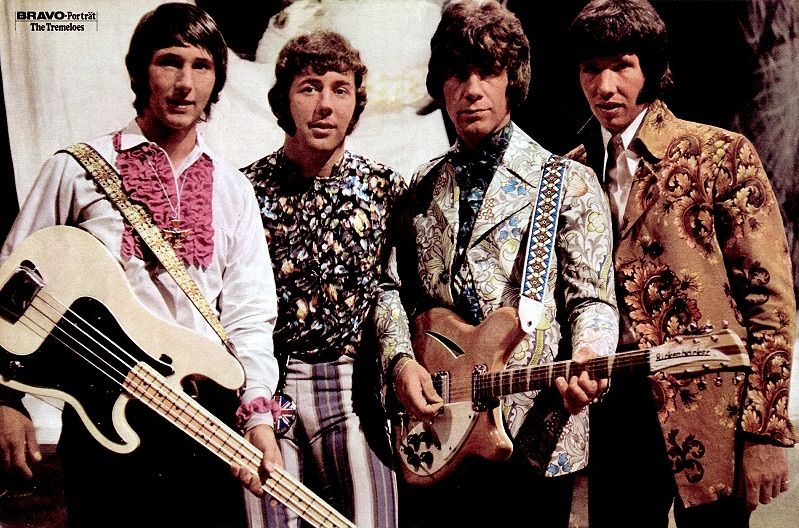
Up first is John Van der Kiste, and his choice of The Tremeloes ‘Silence Is Golden’. John is a writer and historian, whose recent projects include a book on Manfred Mann in the 1970s, and ‘Eagles on Track: Every Album, Every Song’. His work can be found on Amazon.
‘Silence Is Golden’, by The Tremeloes – #1 for 3 weeks in 1967
When Brian Poole and the Tremeloes parted company in 1966, music pundits thought the former would remain a major star while his band would disappear without trace. They were wrong. After struggling with their first two singles, ‘Blessed’ (a Paul Simon song) and ‘Good Day Sunshine’ (Beatles), the band scored with Cat Stevens’ ‘Here Comes My Baby’, a No. 4 in 1967. Stevens disliked their version, complaining that they had turned his heartfelt love-gone-wrong song into a party romp.
For their fourth single, again they decided to take a sad song and make it better (see what I did there). ‘Silence is Golden’, originally the B-side of The Four Seasons’ ‘Rag Doll’ in 1964, was recommended as a potential hit to them by Mick Clarke, who briefly joined as their bassist before being (amicably) replaced by Len Hawkes. Taking a slow, slightly bitter number marked a change in style for them. In three verses and a chorus, the observer tells of his pain at seeing a girl (whom he presumably fancies) being deceived by a guy who obviously doesn’t deserve her. He’s dying to warn her, held back only by the fear that she will tell him he’s lying, so he’d better shut up. A miserable little triangle.
Even so, it flew out of the shops on both sides of the Atlantic. Most of the Trems’ songs featured Hawkes or drummer Dave Munden on lead vocal, but this time they gave the job to lead guitarist Rick West. It shows off the band’s harmonies to perfection. For the most part it follows the arrangement of the original closely with a change in key after the second chorus, the only change coming with a couple of repeats of the final line in a different melody instead of fading out.
1967 may have been the year of Sergeant Pepper, San Francisco and Monterey, but as far as the British charts went, it was big ballad time, with Frank and Nancy Sinatra, Engelbert Humperdinck, Long John Baldry, Tom Jones and The Dave Clark Five all getting sentimental and reaching No. 1 or else getting close. ‘Silence is Golden’ still remains a much-loved staple on 1960s oldies playlists, though some people have never forgiven it for denying The Kinks’ sublime ‘Waterloo Sunset’ the summit after three chart-toppers in three previous years.
(The Trems performing ‘Silence Is Golden’ live in 1967)
The Trems had their chance of repeating history not once but twice, but threw it away. In 1968 they were offered but rejected ‘(If Paradise Is) Half as Nice’, and Amen Corner reaped the benefit. Later they recorded Jeff Christie’s ‘Yellow River’ and scheduled it as a single, though after a change of heart they turned it down, whereupon their producer Mike Smith helped Christie form his own self-named band (with drummer Mike Blakley, whose brother Alan was a Tremeloe) – and take it all the way there in 1970. Also it’s interesting that, of their remaining singles, the most successful were back to the up-tempo party style, with other ballads faring poorly.
Their run of hits continued until 1971 and then faded away (apart from a minor chart entry in 1983 with their version of F.R. David’s ‘Words’), but they have continued to earn a living on the live circuit. Their line-up became something of a revolving door, with West leaving in 1972 after a battle with labyrinthitis, later rejoining on condition that he wouldn’t sing on stage but concentrate on guitar instead. Clarke, who had his moment at the top in 1974 with ‘Sugar Baby Love’ with The Rubettes, has recently been part of the line-up from time to time. The original foursome have all had health issues, with Blakley passing away in 1996 and Munden in 2020, though The Tremeloes have endured in one form or another. Hawkes is still a regular member, while his sons Chesney (as in ‘The One and Only’, No. 1 in 1991) and Jodie often join the line-up on guitar and drums respectively. No mean feat, for a band originally formed in 1958.
Last week, to celebrate reaching the 600th UK number one, I published a poll and opened the floor so everyone could vote for their best and worst chart-topping singles. I limited it to the 20 winners/losers from my regular recaps, allowed folks to cast as many votes as they wanted… And the results are interesting!
The Worst
Interestingly, almost twice as many votes were cast for the ‘Best’ record than were cast for the ‘Worst’. Nice to see that so many people just want to stick with the positives! Those who did indulge their negative side gave us a Top 3 that looks like this…
Joint 3rd Place (10% of the vote each): ‘There’s No One Quite Like Grandma’, and ‘Wooden Heart’
A stinkingly saccharine Christmas #1 from 1980, and The King with one of his worst movie soundtrack hits (and there’s plenty of competition in that mini category!) from 1961. Yep, don’t disagree with either of those…
2nd Place (15% of the vote): ‘Star Trekkin”
Our most recent ‘Worst’ chart-topper, from May 1987, but one that instantly goes down as one of the most unforgiveable #1s, ever. Again, I’d have put it this high myself and so can only applaud our voters.
1st Place (20% of the vote): ‘No Charge’
But if I’d had to choose one song to finish above even ‘Star Trekkin”, it would have been this teeth grindingly, forehead smashingly, cloying, preaching, sanctimonious, spoken-word horror from 1976. Well done all! Democracy in action!
I was quite pleased with these results (though, I should really have been pleased with any winner, seeing as I hand-picked my twenty least favourite #1s). Interestingly, the least-worst #1s (those with no votes at all) were ‘Lily the Pink’, ‘Release Me’, and ‘Don’t Give Up on Us’.
The Best
So here we go. Officially, undebateably, 100% verified… The three best British chart-topping singles, ever. (Or, actually, the five best, as we have one three-way tie.) One from the ’60s, three from the ’70s, one from the ’80s…
3rd place (6.5% of the vote): ‘The Winner Takes It All’
Of course. You couldn’t have a Top 3 without this. Third place might be too low, to be honest, but at least it’s there. Timeless pop from the best pop group… ever?
Joint 2nd place (8% of the vote each): ‘She Loves You’, ‘I Feel Love’, and ‘Heart of Glass’
We’ve had ABBA. We couldn’t not have the Beatles…
Plus Donna Summer and Giorgio Moroder, with what still sounds like the most futuristic number one – forty five years on!
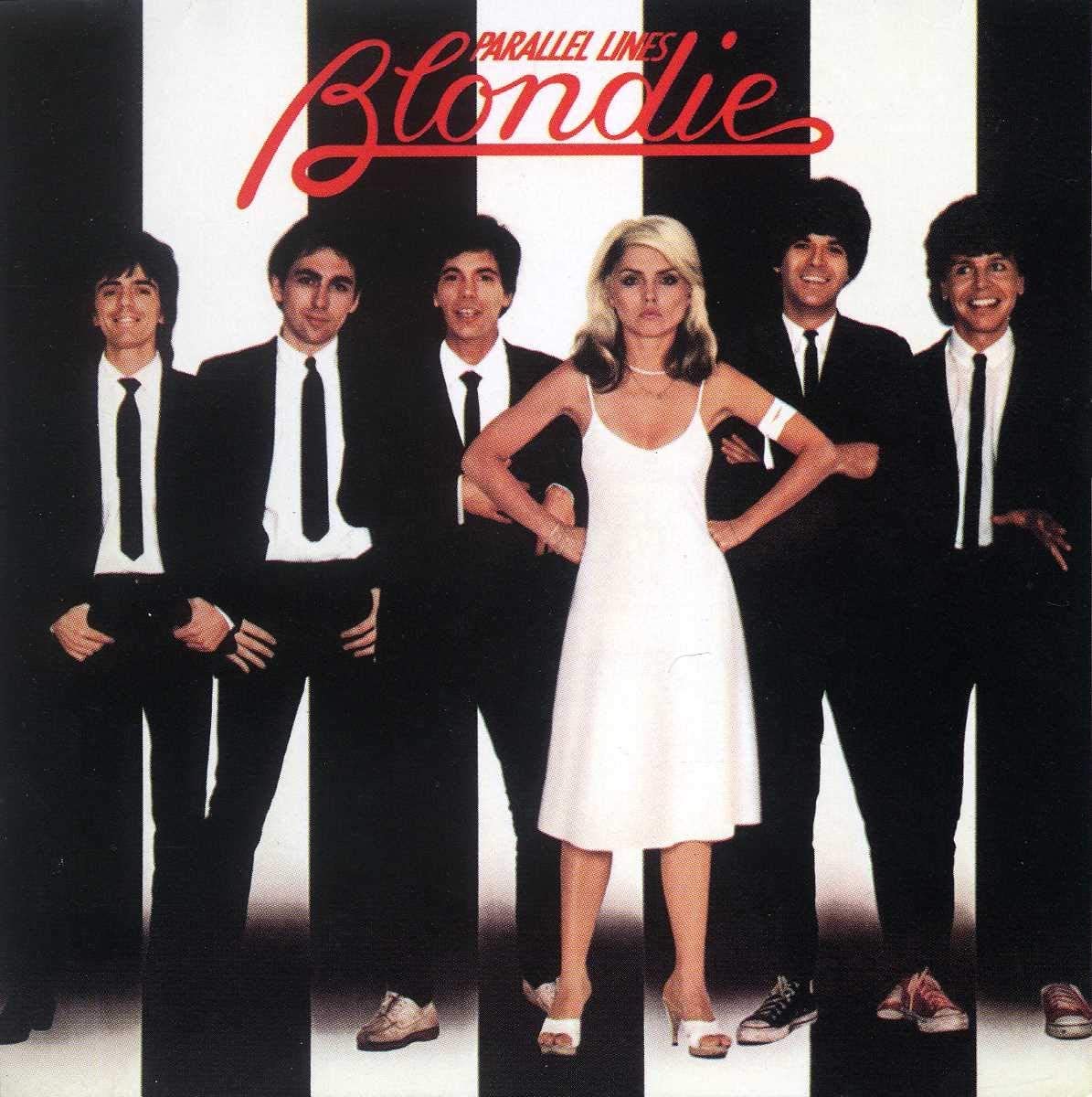
And Blondie, with their first in what has to be one of the strongest chart-topping runs, between 1979 and 1980.
1st Place (13.5% of the vote): ‘Baby Jump’
Yes. It’s official. Mungo Jerry’s ‘Baby Jump’ is the best #1 single, of the 600 to make top spot between 1952 and 1987. Um… There’s a bit of a backstory to this. When I published my original post on ‘Baby Jump’ (a glowing post, because I really do love this rocking, drunken, leery stomper of a song) it was quickly re-posted on a Mungo Jerry fansite. (It even, apparently, came to the attention of Ray Dorset – Mungo Jerry’s lead-singer.) And it seems many of these Mungo fans have stayed on as regular readers, because they came out in their droves make the band’s 2nd and final #1 my poll winner. And who am I to argue? It’s one of the least likely sounding #1s, ever. It’s one of the most forgotten #1s, ever (I doubt it would have gone Top 10 without the preceding success of ‘In the Summertime’). But it’s our Very, Very Best.
A quick consolatory shout-out to the two ‘best’ records that got nil points: Bucks Fizz with ‘My Camera Never Lies’ (seems I am out on my own in naming that as one of the very best), and ‘Cherry Pink and Apple Blossom White’ by Perez Prado (which presumably nobody has listened to for seventy-odd years… It is good though!)
These polls will remain open, and I guess it’ll be interesting to revisit every so often and see if anyone has stumbled across them and added a vote. For now, though, thanks to all who took part! Coming up, I’ll be celebrating a classic Christmas #2, then continuing with the regular countdown next week.
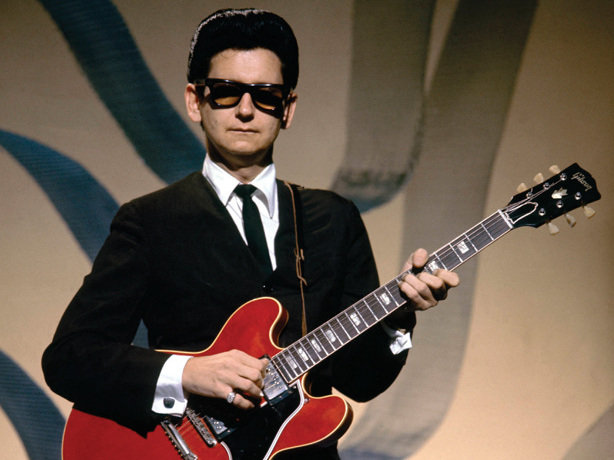
December 6th marks the 34th anniversary of Roy Orbison’s death, at the tragically young age of fifty-two. The ‘Big O’ stood apart from other early rock ‘n’ rollers, with his sombre stage persona, his vulnerable, melancholy songs, and his semi-operatic voice.
After his hit-making days ended in the mid-to-late sixties, a decade in the wilderness beckoned. Personal tragedies also unfolded – the deaths of his wife and his two eldest sons in a car crash and house fire respectively. The eighties saw a rediscovery of his work, with hit covers of his songs by Don McClean and Van Halen, and the formation of The Traveling Wilburys supergroup in 1988, alongside Bob Dylan, Jeff Lynne, George Harrison and Tom Petty. On the cusp of a triumphant comeback, Orbison died from a heart attack on December 6th 1988.
I’ve already written about his three chart-toppers (‘Only the Lonely’, ‘It’s Over’ and ‘Oh, Pretty Woman’) – classics the lot of them – and so to mark this day I’ll cover his five next-biggest UK hits…
‘In Dreams’ – #6 in 1963
A candy-coloured clown they call the Sandman, Tiptoes to my room every night… Only Roy Orbison could give a lyric so ridiculous-and-yet-terrifying the weight that it deserves. He dreams of his ex-lover then wakes, bathed in sweat, and alone. (Of course he’s alone – it’s a Roy Orbison song.) It’s got the same build-up as one of The Big ‘O’s very best songs, ‘Running Scared’, which barely scraped into the Top 10. ‘In Dreams’ is not quite as good, but builds to a fine crescendo. Roy, as was his way, hits a note that most humans are incapable of imagining, let along singing. ‘In Dreams’ was used to famous effect in David Lynch’s ‘Blue Velvet’, a move that initially shocked Orbison but one that he came to accept after seeing the film several times (and perhaps, if we’re being cynical, seeing the publicity it brought his music…)
‘Too Soon to Know’ – #3 in 1966
A country cover that, I must admit, I’d never heard before. And yet it’s one of his biggest UK hits. It must have sounded quite unfashionable in the swinging charts of 1966 and yet… When was Roy Orbison ever truly in fashion? Or out of fashion, for that matter? He ploughed his own, spectacular furrow. It’s sweet, but lacking the oomph of Roy’s biggest and best hits.
‘Blue Bayou’ – #3 in 1963
Another bit of country-pop, with a cool bassline. And with Orbison’s angelic tones in the chorus, this is no normal country tune. No matter what genre he turned his hand to – country, pop, rock ‘n’ roll – he couldn’t help doing it a bit different. As a kid, I had no idea what a bayou was, but always thought it sounded nice: where you sleep all day, and the catfish play… I’m still not one-hundred percent certain what a bayou is, but I’d definitely like to hang out there…
‘You Got It’ – #3 in 1989
The comeback hit that never was. Well, it was a hit – one of his biggest – but Roy wasn’t around to enjoy his return to the top end of the charts. And ‘You Got It’ is almost the perfect comeback – a slight updating of Orbison’s sound, with some help from Jeff Lynne, but still a record that could easily slip in amongst his classics from the early sixties. The video above was filmed just a few weeks before his untimely death. It feels churlish to wonder if it would have been such a big hit had he not died… Maybe it would, as it’s a great song.
‘Dream Baby (How Long Must I Dream)’ – #2 in 1962
Interesting that this rockabilly ditty is Roy Orbison’s biggest non-#1. It’s nice enough: a repetitive refrain that turns into a sort of mantra as the song progresses, and it builds to a crescendo as all the best Orbison songs do. But it’s not an all time classic. Not a ‘Crying’, a ‘Running Scared’ or a ‘Blue Angel’ (my personal favourite). The video above is worth a look if not for the song then for the spectacularly uninterested audience. What did he say just before launching into the song…?
Roy Orbison, then. One of the most original chart stars going, with one of the very best voices.
Part II of this look at huge chart stars who’ve never quite made it to the top. Yesterday we featured Bob Marley, whose five biggest UK hits were an eclectic mix. Today we feature a woman whose career spans eight decades… and whose five biggest hits are wall-to-wall classics. The Queen of Rock n Roll: Tina Turner.
‘The Best’ – #5 in 1989
I should actually do a full ‘Should Have been a Number One’ on what is probably Turner’s signature song, in Britain at least. It deserves the attention. Although released in the final year of the decade, ‘The Best’ sums everything great about the 1980s (a decade I may have been critical of, musically speaking, from time to time…) Throbbing synths, power chords, a belt-it-out-at-the-top-of-your-voice chorus, a galloping black stallion in the video, and one of the most outrageous uses of a saxophone ever heard in a pop song.
Before writing this, I had no idea that the original had been recorded by Bonnie Tyler a year earlier, or that it was written by the man behind so many ’70s glam rock classics, Mike Chapman. All that is interesting, and relevant, but also completely shunted to the background by Tina Turner’s performance in owning would could be, in different hands, a completely ridiculous song. The fact that I can even overlook ‘The Best’s decades-long association with Glasgow Rangers – they enter the pitch to it, and fans even had the song re-enter the chart at #9 in 2010 – is a testament to how good it is.
‘Nutbush City Limits’ – #4 in 1973 (with Ike Turner)
Before her reinvention as an eighties power-rock diva, Tina had a first wave of success with her then husband Ike in the sixties and seventies. And if ‘The Best’ has a rival for its position as Turner’s signature tune, then ‘Nutbush City Limits’ is it… (OK, and ‘Proud Mary’, which doesn’t feature here…) It’s a fabulously funky tale of a little ol’ town in Tennessee, that sounds as crispy as a piece of fried chicken. It’s a (hopefully) tounge-in-cheek ode to her hometown: no whisky for sale, you get caught – no bail, salt pork and molasses, is all you get in jail… Elevating the song further is the rumour that the track’s distinctive lead-guitar was recorded by none other than Marc Bolan…
‘River Deep – Mountain High’ – #3 in 1966 (with Ike Turner)
Belted out by a young Tina, and produced by Phil Spector using every Wall of Sound trick in the book (it even has Darlene Love on backing vocals), ‘River Deep, Mountain High’ gave Turner her first big hit. Ike was credited, but didn’t actually feature on this version (the couple would go on to re-record it in 1973). It was a big hit around Europe in 1966, but flopped in the US. Spector was so distraught by the song’s failure that he didn’t produce another one for two years, and set off on a very destructive path…
Advertisements
‘What’s Love Got to Do With It’ – #3 in 1984
Turner’s certified biggest hit, and her only solo #1 in the US. This was her big comeback after seperating, both musically and romantically, from Ike. While it doesn’t do it for me like ‘The Best’ and ‘Nutbush’ – it tends a little too much towards ‘icky eighties’, especially in the harmonica – I can accept its classic status. In fact, Turner’s outrageous hairdo in the video would be enough to seal this one’s place in the pantheon. ‘What’s Love Got to Do With It’ went on quite the journey before being recorded by Tina: Cliff Richard turned it down, Donna Summer dithered over recording it, and Bucks Fizz recorded a (pretty decent) version that never saw the light of day until 2000.
‘We Don’t Need Another Hero (Thunderdome)’ – #3 in 1985
Turner’s joint-biggest hit is this track from the soundtrack to ‘Mad Max Beyond Thunderdome’. She starred in the movie, alongside Mel Gibson. Again, I’m not a huge fan of this one: it’s standard mid-eighties power-balladry (though I do like the snarling guitar). I’d have taken ‘Private Dancer’ (a #26), or ‘Proud Mary’ (never released as a single in the UK!) over this.
Still, there you have Tina Turner’s biggest UK hits that never quite made it to #1. One more ‘Never Had a #1…’ up tomorrow. And it’s the 1980s biggest girl-group!