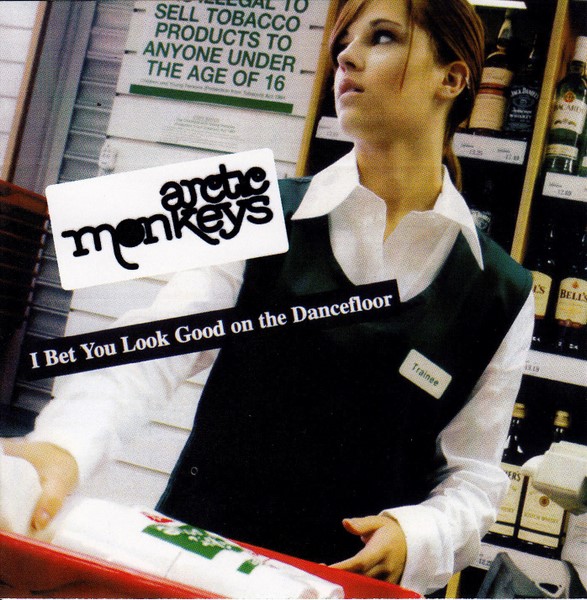
1020. ‘I Bet You Look Good on the Dancefloor’, by Arctic Monkeys

Here we go! Arriving with a jolting, ascending guitar intro, an intro that conveys the sensation of sticking a fork in a toaster, comes British rock’s last hurrah.
I Bet You Look Good on the Dancefloor, by Arctic Monkeys (their 1st of two #1s) 

1 week, from 23rd – 30th October 2005

We’ve heard hints of the arrival of a mid-‘00s indie rock revival in number ones from Stereophonics and Oasis. But both those bands pre-dated the movement by several years. By 2005, indie rock had been a rising force for a while, since bands like the Strokes and Libertines appeared circa 2002, but the genre’s biggest act – the one band from this time who became properly, globally famous and remain a huge deal to this day – took their time in coming along.

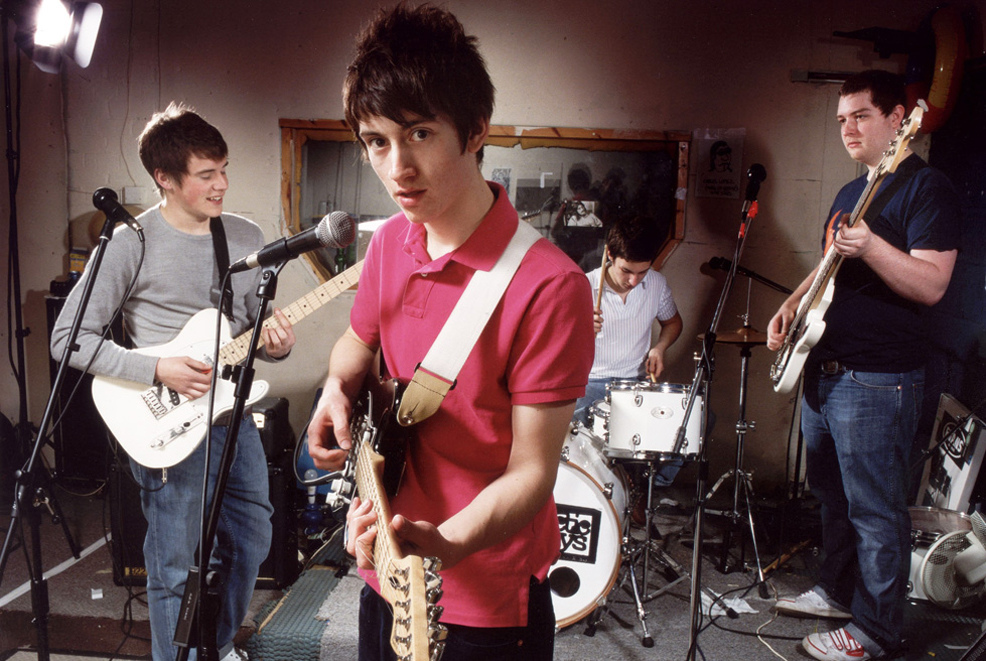
That is probably down to the fact that they were still teenagers when this, their debut single proper, made number one. Arctic Monkeys are, famously, from Sheffield, and Alex Turner sings in an accent so thick that it makes the Gallaghers sound posh. That’s one of the things that makes this record great, and allows me to call it British rock’s last hurrah. It takes elements from everything that went before – the Beatles’ tight harmonies, the Jam’s melodic punk, the Sex Pistols’ spit and vinegar, Oasis’s working class schtick – and still turns out something new. You can tell that the Monkeys grew up listening to rap, in the way that they lyrics are delivered, and were influenced by that very northern British, kitchen sink realism, in the way the song tells its story of an unglamorous dancefloor encounter.

Mid-‘00s indie was a very modern musical movement in general, in that it grew organically on early social media sites like MySpace, and through illegal file sharing services. To the uninitiated, it might have felt like ‘I Bet You Look Good on the Dancefloor’ arrived out of nowhere to debut at #1 in October 2005, with the band having just been signed to a label that June, but in truth their reputation had been growing steadily ever since they’d first released music on bootleg CDs in 2003.
And, in a sign of what pop music was to become, the Arctic Monkeys brought their fans along with them. Their debut album was full of very specifically teenage lyrics, and specifically Yorkshire references. (One of my favourite lyrics of all time is from ‘Fake Tales of San Francisco’, taking aim at poseurs: You’re not from New York City, You’re from Rotherham…!) ‘I Bet You Look…’ doesn’t have a line as good as that, but No there ain’t no love no, No Montagues or Capulets, Just banging tunes and DJ sets… is up there for its clever gaucheness. And, at the end of the day, like all great rock ‘n’ roll, it’s a very horny song at heart.

Having said all that, and having given this track a deservedly glowing write-up, Arctic Monkeys are a band I struggle with. I bought the debut album, and the follow-up, and thought they chose their singles very well. But after that I struggled to love their music, and their last two albums have been a slog to listen to. On the one hand I admire their desire to move between genres, on the other I do think that there’s an element of them disappearing up their own arses. But we’ll have time to consider that after their second #1, coming up soon as part two of a quick fire chart double.
Advertisements

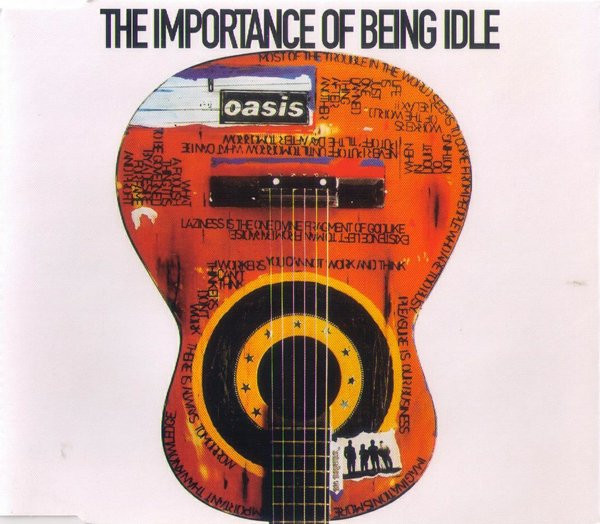
1016. ‘The Importance of Being Idle’, by Oasis

Well how about this… Almost forty years on from their final number one, a stunning, chart-topping comeback for the Kinks…

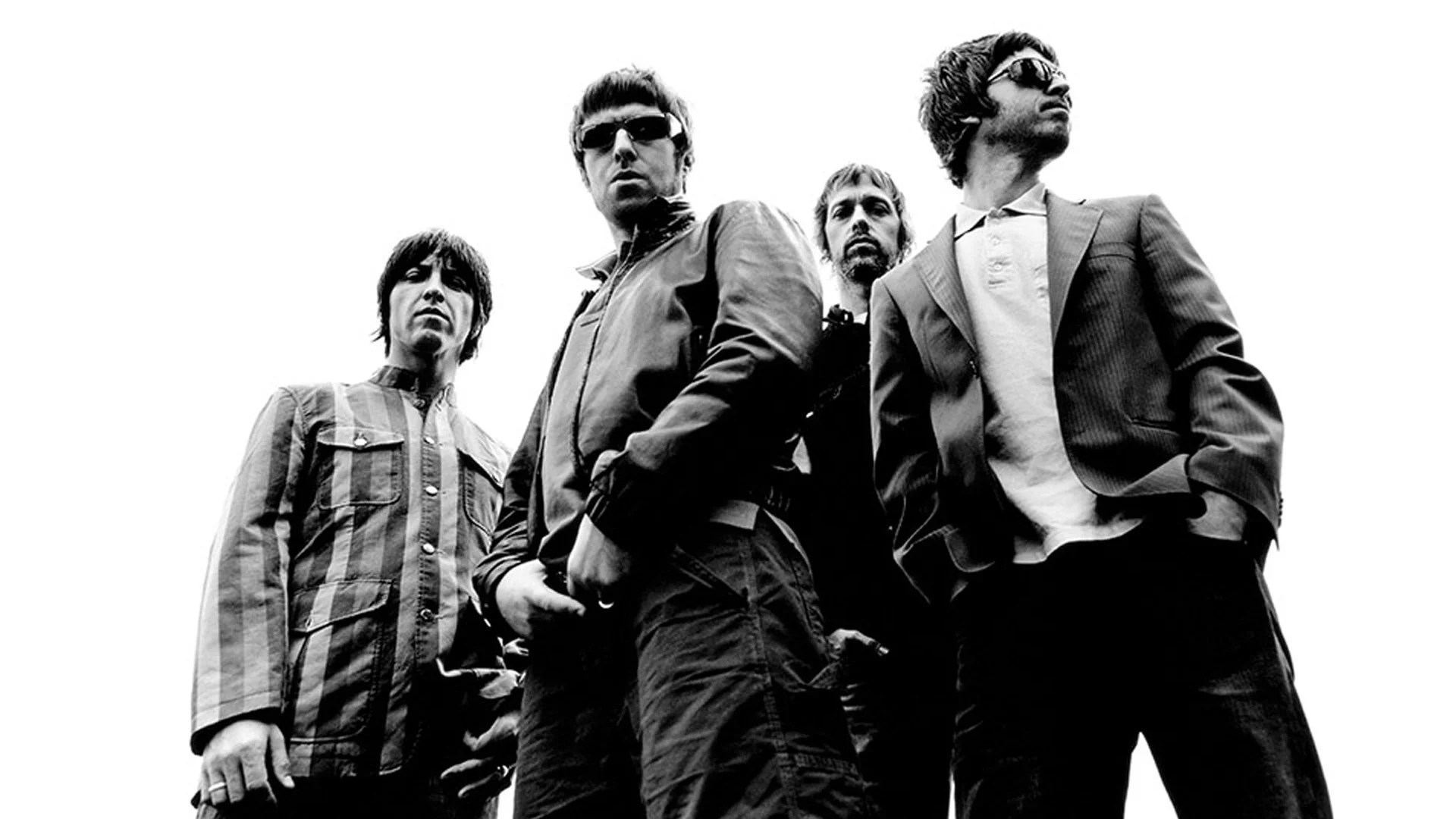
The Importance of Being Idle, by Oasis (their 8th and final #1)

1 week, from 28th August – 4th September 2005

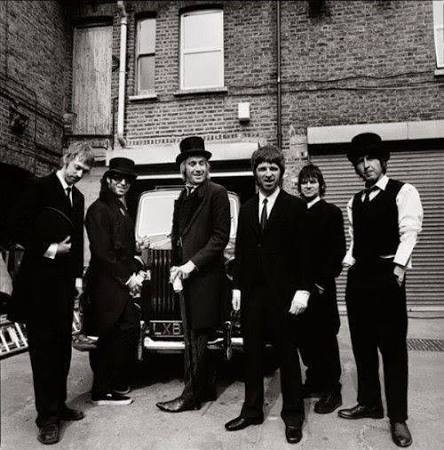
Nah, course not. And to be fair, while this is clearly a Kinks pastiche, it’s not a rip-off of one particular song. If you did have to be specific, you could probably call ‘The Importance of Being Idle’ the bastard offspring of ‘Sunny Afternoon’ and ‘Dead End Street’ (the video is certainly influenced by the famous clip the Kinks did for the latter). Noel also revealed that he borrowed from the La’s ‘Clean Prophet’, in which they too had done their best Kinks impression.

But what of this Frankenstein’s monster of a song… Is it good? Well, yes. Given the parts it’s stitched together from how could it not be? It’s also unlike anything else in the Oasis canon, let alone any of their previous chart-toppers. It’s light and breezy, with a musical hall air and a sense of silliness. In fact, I’m tempted to use a word that has never come within ten feet of any Oasis record up to now: it’s kind of camp. 

For a start, it’s a play on an Oscar Wilde title. But it also has slide whistles, and big boinging drums, and Rhys Ifans prancing around as an undertaker in the video. If only they’d gone the whole hog and put Liam in drag, a la Dave Davies in the Kinks’ original. ‘Lyla’ was a slight musical shift for Oasis, but this is a real hint at what was to come for Noel in his solo career, especially with the High Flying Birds.

We can also, perhaps surprisingly, draw a comparison between this and the McFly song it deposed from the top, as both deal with depression, in their own ways. While McFly had a positive mantra, Noel seems to be wallowing in his life of unpaid bills, frustrated girlfriends, and general laziness… Give me a minute, A man’s got a limit, I can’t get a life if my heart’s not in it…

Continuing the trend of low sales benefiting fanbase acts, Oasis follow U2, Britney, Nelly, McFly and Eminem in taking two singles from their latest albums to the top. This was the third time Oasis had done this, but the first time doing it with consecutive singles, and in the same calendar year. In my post on ‘Lyla’ I wrote of how well Oasis did big, bolshy lead singles. But ‘The Importance of Being Idle’ is a welcome addition to their three non-lead chart-toppers, which have all been a bit different (‘Don’t Look Back in Anger’ and ‘All Around the World’ being the other two). This, their eighth #1, tied them with the Stones, making them the rock act with the joint-third most number ones, behind the Shadows (eleven) and the Beatles (seventeen, at the time).

And this was it from Oasis, from the chart-topping side of things. In fact, it was almost the end from them musically too, with one further album to come before they finally imploded in 2009. Despite the brothers’ recent reconciliation in a touring capacity, there have been no suggestions that they will be getting back into the studio. And it’s a shame that on their recent tour, they pretty much ignored anything released post-2000, meaning that classics like this remain somewhat buried under their biggest hits. Oh what I’d give for this to have a resurgence, and not bloody ‘Wonderwall’ yet again… 

I’m back from a month’s travels, and so we’ll hopefully be picking up the pace again and posting a little more regularly!

Advertisements

1011. ‘Lyla’, by Oasis

I’m sure I preface every Oasis chart-topper by saying this, but they really were good at choosing their comeback singles. The first singles from each new album: ‘Some Might Say’, ‘D’You Know What I Mean’, ‘Go Let It Out’, ‘The Hindu Times’, all big, banging statements of intent, and all number one hits.

Lyla, by Oasis (their 7th of eight #1s)

1 week, from 22nd – 29th May 2005

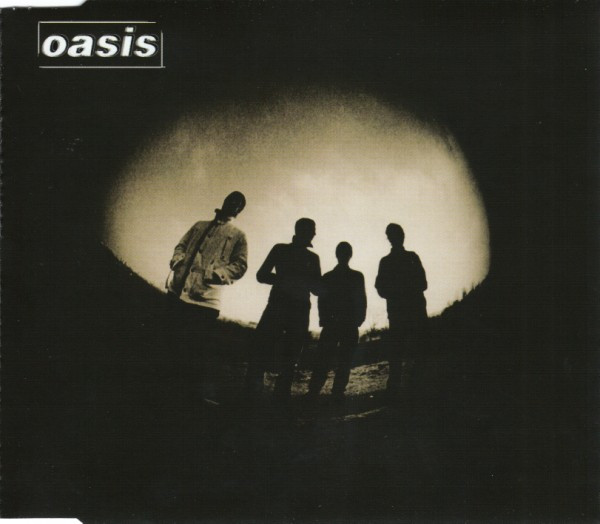
As it is with ‘Lyla’, lead single from their sixth studio album ‘Don’t Believe the Truth’, which was released almost exactly a decade on from their first #1. It is not particularly clever, or subtle; but it is big. It’s a grandiose grower, too, taking well over a minute of layered drums, droning guitars and vocals before we arrive at the chorus.

Speaking of vocals, I’m not sure Liam has sounded better on any of their previous six chart-toppers. He sounds refreshed and upbeat, yet still snarly and full of attitude. In the video too he looks resplendent in a cravat, confirming once again that he was Britain’s last true rock star. 

Musically this also feels like a band revitalised. It’s widely accepted that the addition of Gem Archer and Andy Bell to the band allowed Oasis to develop musically (Noel is a good songwriter, but not an amazing guitarist), and the album was the band’s most democratically written, with even Liam contributing three tracks. ‘Lyla’ sounds more classic rock than Britpop, the instruments coming through clearer in the mix, with a nice, twangy solo. It isn’t smothered in layers of over-production like some of their turn of the century singles. There’s a lyrical backstory too, with Lyla apparently the sister of Sally from ‘Don’t Look Back in Anger’. My biggest complaint about it is that, with the extended intro and the long coda, the actual song is much shorter than the record’s 5:12 runtime. But it’s far from the first time that Oasis have dragged the arse out of a record unnecessarily. 

Some people at the time commented on how this sounds somewhat indebted to the Rolling Stones’ ‘Street Fighting Man’. Which is perhaps true, and is most evident on the extended fade-out; but I also think it’s harsh, and nothing compared to Oasis’s other musical borrowings (see also: this LP’s second single…) At this point some people were determined to criticise what they saw as a bloated legacy act in any way possible. 

Oasis sort of were a bloated legacy act, even in 2005. And yet, they were the ones still sitting at number one, while the cooler, younger indie acts of the day could only gaze up in envy. During the promo for the album, the Gallaghers had a field day passing judgement on these up and comers. Franz Ferdinand were ‘Right Said Fred’, Kaiser Chiefs ‘a bad Blur’, and the Libertines ‘smackheads needing a slap’. Twats they may be, but the brothers always give good copy.

Advertisements

1007. ‘Dakota’, by Stereophonics

We’re slap bang in the middle of the ‘00s. I was nineteen, in my second year at university, and out at the dancing three or four times a week…

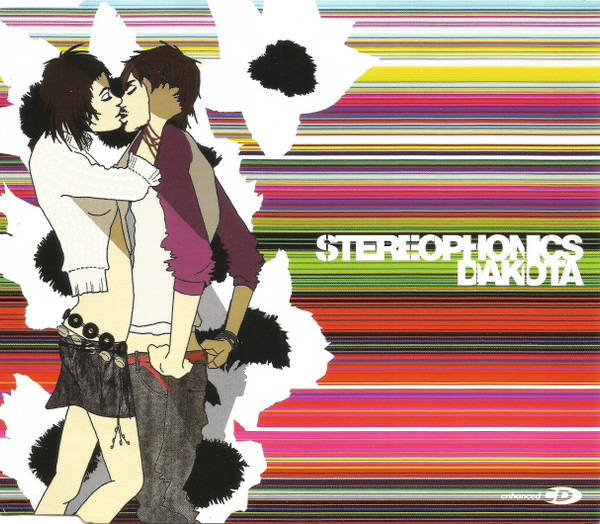
Dakota, by Stereophonics (their 1st and only #1)

1 week, from 6th – 13th March 2005

Before you fear that I’ll turn this post into a nostalgia-fest, and start banging on about blue WKDs and skinny jeans, I’m getting to a salient point. A lot of the music I heard on those nights out wasn’t just the pop and dance we’ve been hearing in recent posts. It was, as the Killers sang, indie rock and roll for me.

So ‘Dakota’ is a mini landmark number one, as it is the first chart-topper from the mid-00s indie revival. Think Franz Ferdinand, think Arctic Monkeys, think Kaiser Chiefs, Libertines, the Strokes, White Stripes and more. Like Britpop a decade earlier, it didn’t get a whole lot of representation at the very top of the charts, but there will at least be a few more rocking #1s in the coming months, and that is something to celebrate after the very pop-heavy opening years of the 21st century.

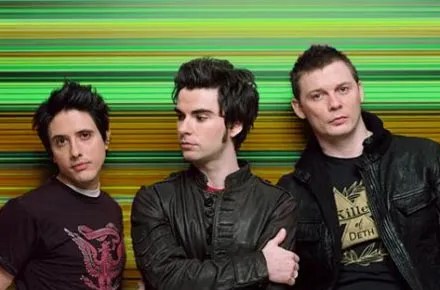
Of course, Stereophonics predated all these new-kid-on-the-block indie acts. You could class them as Britpop, but they weren’t that either. They emerged during that post-Britpop comedown that also gave us Travis, and Coldplay (a period Alan McGee famously dubbed ‘bedwetter indie’). They were probably overdue a number one single, as Britain’s pre-eminent rock group of the very early ‘00s.

But for this comeback single they were tapping into the sounds of the time, taking a step away from their usual pub rock anthems. ‘Dakota’ sounds like the Killers, with its synth stabs, crossed with U2 in the humungous chorus, and some Manics in the spiky guitars. It’s a big tune, clearly written for tens of thousands to sing along to in stadiums, and while I liked it at the time I’m finding it a bit plodding now.

The chord progression in the chorus is still good, and the thrashing I don’t know where we are going… break is still impressively heavy. But I’ve always had mixed feelings about Stereophonics. For every song of theirs I like – the bitchy ‘Mr Writer’, for example – there’s a song I find bloated and dull – i.e. ‘Just Looking’. And Kelly Jones’ sandpaper drawl is a voice I can only take for three songs at a time.

I also think ‘Dakota’ is a bit of an inferior retread of Stereophonics’ previous single, ‘Moviestar’ – a slinkier, more sinister slice of electro-rock. But, this is the record that brought them a belated #1 after nine earlier Top 10 hits. And it was their chart peak, after a very slow ascent, and they have never returned to the Top 10 since.

But hey, at least they kicked off the ‘mid-00s indie rock revival’. Not quite as catchy a genre title as ‘punk’ or ‘glam’, but still. It was probably rock music’s very last hurrah as a chart force. And I may be biased, as it was the soundtrack to my yoof, but it also gave us some great tunes. Not ‘Dakota’, not quite, but there’s better to come soon.

Advertisements

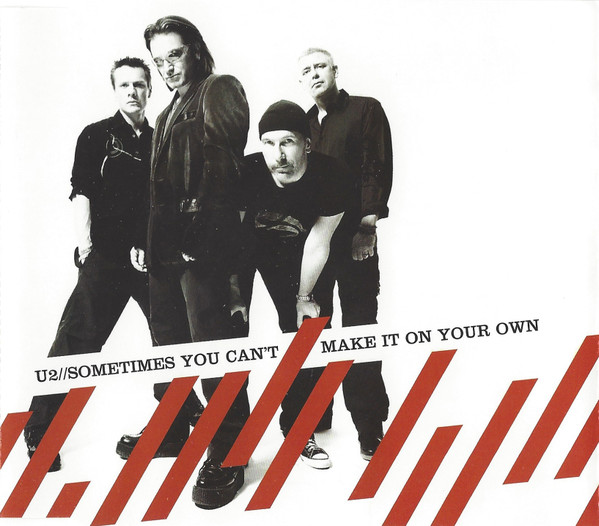
1004. ‘Sometimes You Can’t Make It on Your Own’, by U2

U2 end a seventeen-year chart-topping career with an understated, and perhaps forgotten, little gem.

Sometimes You Can’t Make It on Your Own, by U2 (their 7th and final #1)

1 week, from 13th – 20th February 2005

Understatement is all relevant, of course, and for many acts this would count as a bombastic power-ballad. By U2’s standards though, it is gentle and stripped-back. It had been written around five years earlier, about Bono’s father, who died from cancer in 2001. (The line: It’s you when I look in the mirror, And it’s you when I don’t pick up the phone…taps so sharply into many father-son relationships.) According to the band, the song went through a lot of workshopping, away from a traditional Irish sound to something more contemporary. And I’m glad they spent the time to bring it to fruition.

It still has a folksy feel, especially in the intro, which reminds me of Fleetwood Mac’s ‘Man of the World’. Bono’s vocals are impressive – possibly his best performance on any of their chart-toppers – especially in the middle-eight, in which the song switches to something more predictably soaring. The Edge’s guitar chimes in trademark fashion, and we get briefly swamped in over-production, before ending on a sparser note.

I suppose it would be a lot to expect the biggest band in the world™ not to give in to that glossy sheen, when they have unfettered access to the best equipment and producers, but I would be interested to hear an even more restrained version of this ballad. Not that this gets spoiled by the production, not at all, but it’s a tempting thought. We have the low sales climate of early 2005 to thank for U2 enjoying two #1s from the same album for the first time, and their first chart-topper that isn’t a lead single. Not for the first time in the last couple of years a grim situation for the record industry has led to some interesting chart hits. This is also one of the longest-titled number one singles, from one of the shortest-titled chart-topping acts.

Actually, despite often being down on U2, and Bono in particular, I have enjoyed almost all of their six number ones, with one notable exception. Not counting their feature on ‘Take Me to the Clouds Above’, I would rank them thusly, in ascending order. ‘Beautiful Day’ >>>>>>>>>>>> ‘The Fly’ > ‘Discotheque’ > ‘Sometimes You Can’t Make It on Your Own’ > ‘Desire’ > ‘Vertigo’. Because, at the end of the day, rock bands are at their best when they rock.

Advertisements

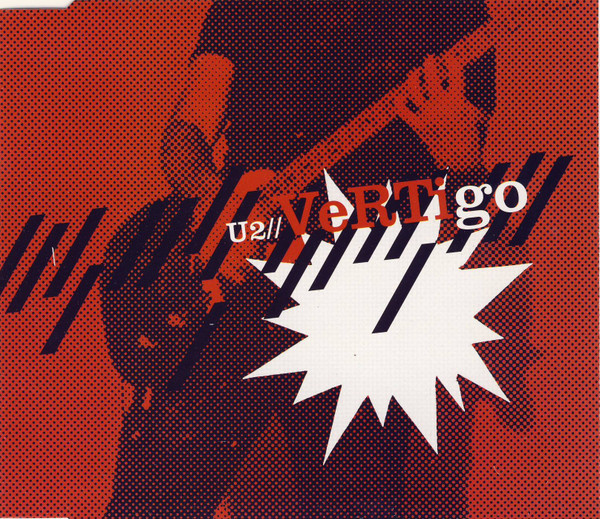
995. ‘Vertigo’, by U2

Lo! What is that I hear on the horizon? Rock…? Music…?

Vertigo, by U2 (their 6th of seven #1s)

1 week, from 14th – 21st November 2004

I am a confirmed U2 sceptic. I think they can be too clever for their own good, too preachy, too glossy… But I’ve also enjoyed most of their earlier chart-toppers, from the bluesy ‘Desire’, to the arty ‘The Fly’, to the danceable ‘Discotheque’. I am also ready to forgive U2 anything, now that they’ve restored rock and roll to the top of the charts.

And ‘Vertigo’ does rock. The riff is brutally simple, and the chorus’s hook-line (Hello, Hello, I’m at a place called vertigo…) is brutally catchy. I especially like the verses, where the Edge’s guitar chirps and cheeps like a wildcat ready to pounce, and a filthy bassline is brought to the fore.

I wouldn’t go so far as describing it as ‘punk’, as some outlets did at the time. Yes it’s simple, and blisteringly fast. But it’s U2, in 2004. ‘Vertigo’ lent its name to one of the biggest tours of all time. It was used to advertise the iPod. And it’s still very glossy. The chorus, as effective as it is, is polished to an edge-less (pardon the pun) gleam. While the middle-eight, which is very U2 with Bono intoning All of this can be yours… in a chiming break, breaks any punk-y aspirations once and for all.

I’d also suggest that ‘Vertigo’ is a slight rip off of ‘Elevation’, from their previous album, which had a similarly dumb, sledgehammer riff. 21st Century U2 always had one rocking single per album, and at least one ballad (see their soon to follow final #1). Which could also be seen as a slightly cynical, commercial approach to album-making when compared to their ‘90s concept albums. Then again, like I said, I am a big old U2 sceptic.

But, really. This is a great song. And it ensures that U2 can claim a chart-topping career spanning over sixteen years, an impressive feat for any act. And, alongside their feature on LMC’s ‘Take Me to the Clouds Above’, it means that 2004 was their most successful chart-topping year. The album ‘Vertigo’ came from, ‘How to Dismantle an Atomic Bomb’, was also one of their most commercially successful. It was also a bit of a swansong, as by the time of their following LP, in 2009, pop music seemed to have finally moved on from them.

And B-sides… Manics, Boomtown Rats & Wizzard

Time for another peek at what was on the flip-side of some classic number ones. Usually my ‘And B-sides…’ posts have been themed around a particular artist, but I’ve decided to every so often throw in some different flip-sides, from acts whose chart-topping careers are too short to fill a whole post.

First of all, a little something to blow the cobwebs away…

‘Rock and Roll Music’, by Manic Street Preachers – B-side to ‘The Masses Against the Classes’

This Chuck Berry standard has been covered by the great and the good, from the Beatles, to the Beach Boys, from Tom Jones to Showaddywaddy, and any decent garage band in-between. But I doubt it has ever lived up to its title more then when in the hands of the Manics. Just let me hear some of that rock and roll music… they demand, then deliver three minutes of blistering, gonzo, balls-to-the-wall rock and, yes, roll music.

‘It’s All the Rage’, by Boomtown Rats – B-side to ‘I Don’t Like Mondays’

Another spiky track, inspired apparently by a fight that Bob Geldof got into with another band. Out in the street, They’re usin’ their feet… This is a proper B-side: a very different track to the A-side, not a remix or a retread, a song that could easily have been the single, and a glance back to the Rats’ punky origins. The glorious middle-eight meanwhile, ripped straight from an sixties doo-wop track, shows their musical range. (Thanks to regular reader/commenter John Van der Kiste for suggesting this one!)

‘You Got the Jump on Me’, by Wizzard – B-side to ‘Angel Fingers’

Completing this trio of hard rocking flip-sides, ‘You Got the Jump on Me’ is another song that sounds nothing like the sixties-inspired, glam rock track that made #1. This is potentially as close as Led Zeppelin came to a chart-topper… Written by bassist Rick Price, it has the feel of an extended jam session, especially when the driving riff gives way to a boogie-woogie piano for the last minute or so of its six and a half minute run-time.

Again, most of this information comes from John Van der Kiste, who knows more about Wizzard than I could ever hope to learn. Like many of his peers, Roy Wood was a genuine Led Zep fan. He, Jeff Lynne and Bev Bevan (drummer for ELO and the Move) attended John Bonham’s funeral, which Bevan said afterwards was one of the most miserable, depressing funerals he had ever been to. There was an affinity between them as Bonham and Robert Plant were also from the Black Country. When The Move were being formed late 1965 Bonham, as one of the most renowned drummers in the area and possibly up for grabs, was suggested by someone as a suitable member, but Carl Wayne, who was the eldest of them all, had heard things about him and said no. How different things might have turned out…

Thanks again, John! If any other readers have suggestions for B-sides I can feature in future posts, then do let me know in the comments!

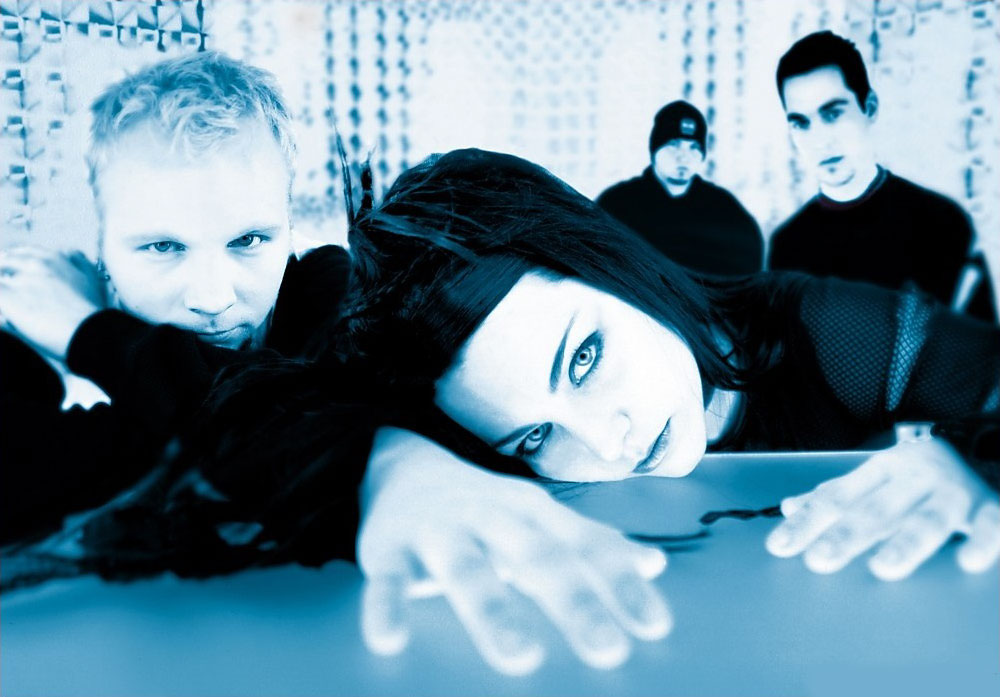
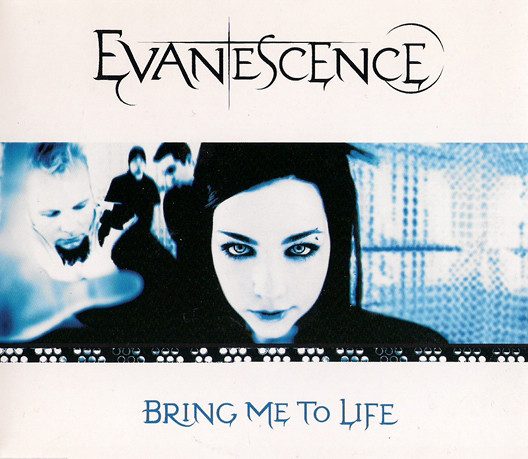
955. ‘Bring Me to Life’, by Evanescense

It’s becoming a bit of a theme with 2003’s number ones. They come along, and you go ‘Huh?’

Bring Me to Life, by Evanescence (their 1st and only #1)

4 weeks, 8th June – 6th July 2003

Evanescence making number one is the biggest ‘huh’ of all. Mainly because rock music has been pretty absent from the top of the charts in the 21st century. Huge fanbase acts like U2, Oasis and the Manics aside, the truly only contemporary rock chart-topper in four years has been Limp Bizkit.

So how, and why, did this record spend a month on top of the charts? It wasn’t a breakthrough moment for a band who’d put in the hard miles; this was their debut single. Was it the last hurrah of nu-metal, with a very Linkin Park-ish mix of overwrought vocals and rapping? Was it because it is really a pop song in disguise, with a very catchy call and response chorus? Was it the novelty value of a woman singing lead vocals on a rock track? Was it a beneficiary of the low sales climate?

I’m going to be a proper historian and do the hedge my bets, all of the above move. Plus it had featured on the soundtrack to the movie ‘Daredevil’, which had been released that February, giving it several months of free promo. Basically, it was a ‘lightning in a bottle’ moment, the stars aligning and returning rock music to the top of the charts.

Sadly, despite this being a moment, I’ve never really liked ‘Bring Me to Life’. It’s just too much. Too overwrought, too serious, too emo. The one bit that speaks to me is the even-more-bombastic-than-the-rest middle eight. Frozen inside… And I say this as a big fan of My Chemical Romance, the ultimate emo band. But MCR always managed to give the feeling of deliberately going OTT with a knowing wink. Evanescence don’t. I had it in my mind that they had a Christian rock background… They don’t (though singer Amy Lee and guitarist Ben Moody met at a Christian youth camp), but they have that vibe. Meanwhile the shouty rap parts were delivered by Paul McCoy, who wasn’t even a full-time member of the band (sometimes he’s given a ‘ft’ credit).

If you’ve been listening carefully, there have been hints that rock music has been planning a return to the mainstream. Pink’s ‘Just Like a Pill’ used the same emo influences in a much poppier way. 2003’s version of a boyband, Busted, freely wield guitars. Girls Aloud had surf guitars on their reality TV winners single… Okay, it might be a tenuous link from ‘Sound of the Underground’ to this, but when you view things from a distance it does start to make sense. Pop music in 1999 or 2000 didn’t even feature fake guitars.

Evanescence enjoyed two further Top 10s from their debut album, before Moody left under a cloud. This song’s success did not herald the start of a huge chart career, or indeed a prolonged return for rock music to the top of the charts. They are still active though, with a couple of hiatuses along the way, and with Lee as the only remaining original member.

923. ‘The Hindu Times’, by Oasis

My intro to this next number one amounts to four simple words: Thank God for Oasis.

The Hindu Times, by Oasis (their 6th of eight #1s)

1 week, from 21st – 28th April 2002

Not just for cleansing the palate after the Pop Idol syrup-fests that had hogged the charts for several weeks previous, but for returning guitars to the top spot after what has probably been their longest hiatus. Not counting George Harrison’s posthumous comeback, I think this is the first rock #1 since, gulp, Limp Bizkit in January 2001.

Yes, this isn’t one of their classics. But I also think ‘The Hindu Times’, and anything Oasis released post-1998, gets unfairly maligned. They were great at side one, track one songs like this (and ‘Hello’, and ‘Turn up the Sun’, and ‘Fuckin’ the Bushes’), songs the sole purpose of which is to reassure the listener that, yes, they are listening to Oasis.

And I love it when Oasis are being Oasis. If you aren’t a fan then you might struggle with a song so droning, so snarly, so unrepentantly simple, but that’s your loss. If you can’t appreciate the way Liam drags out the you’re my sunshine you’re my rain… line in the chorus, presumably a knowing nod to ‘Live Forever’, then Oasis simply aren’t for you.

Experimentation feels like a dirty word in an Oasis context, one that soft southerners might use. But there is a bit of that going on. The ‘sitar’ riff, the droning, the gigantic wall of sound feel. It’s as big and beefy as they’d sounded since ‘Definitely Maybe’, and it’s not completely crazy to suggest that a higher tempo ‘Hindu Times’ wouldn’t sound out of place on their debut album. Despite the sitar sound, and the title, Noel had not been spending time with the Maharishi like his ‘60s idols; he saw the title as a slogan on a t-shirt.

With this single, and the subsequent ‘Heathen Chemistry’ album, Oasis debuted two new members in Gem Archer and Andy Bell (not the Erasure Andy Bell, though that would have been a direction I’d love to have heard Oasis go in…) Archer and Bell remained in the band until their split in 2009, and have returned for the reunion tour. The album is okay – sixteen-year-old me thought it was amazing – but second single ‘Stop Crying Your Heart Out’ is probably the one 21st century Oasis single that people are happy to compare with their nineties output. For me, though, I’d go with the lovely ‘Songbird’, the album’s fourth single and the first to be written by Liam. I was very disappointed to see that the only post-1998 song they were playing on their recent tour was ‘Little by Little’, which I’ve always thought a dull plodder.

Despite rock music being back, baby, it won’t be hanging around for long. No Oasis #1 ever spent more than a week on top, and the next identifiably ‘rock’ chart-topper is more than a year away… Luckily though, we’re about to embark on a run of pretty decent, non-rocking number ones, starting with a ‘00s girl group classic.

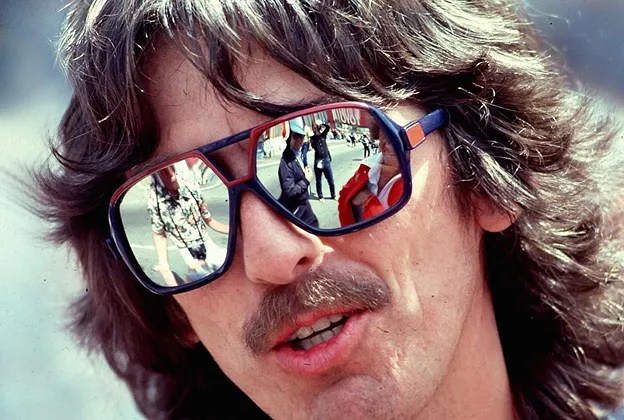
918. ‘My Sweet Lord’, by George Harrison

In the only occasion two posthumously released records (by two different artists) have made #1 consecutively, George Harrison replaces Aaliyah…

My Sweet Lord, by George Harrison (his 2nd and final #1)

1 week, from 20th – 27th January 2002

It would feel odd to review the song, as I already did so five years ago: ‘My Sweet Lord’ having spent five weeks at #1 in 1971. So, I’d rather direct you towards my original post, despite the fact that I was a bit harsh on it. I claimed it ‘doesn’t really go anywhere’ and, while I get what I meant, I now realise that that is entirely the point of the song. It’s a euphoric chant, a mantra, an incantation. It is a beautiful song, despite my complete irreligiosity. In my book, it is by far the best solo-Beatle number one.

Harrison had died from cancer in November 2001, and thus ‘My Sweet Lord’ was given a rerelease. It means that the line I really wanna see you Lord, But it takes so long, My Lord… now hits differently, assuming that it originally referred to a religious awakening. But it is a fitting, and obvious tribute.

And it is the fact that it was a deliberate release, as a tribute, that means I’m featuring this as the 918th number one single, and not a belated return for the 296th. Like ‘Bohemian Rhapsody’ before it, again rereleased following the death of its creator, ‘My Sweet Lord’ becomes only the second song to return to #1 in a rerelease (though BoRap was paired with ‘These Are the Days of Our Lives’).

This is something that needs clarifying as we move further into the 21st century. Soon there will be a series of Elvis rereleases making the top of the charts, and again they’ll be treated as ‘new’ number ones. However, when ‘Three Lions’, and then two Christmas perennials, return to number one later in the century they will not be gifted such special status as they are simply a case of the original hit returning to the charts. In fact, the streaming era has basically killed off the idea of the rerelease, as (almost) everything is now on permanent release via your streaming platform of choice.

Hope that makes sense. Anyway, let’s just enjoy this classic re-appearing at number one, completely out of place in the early ‘00s soundscape. It is also worth noting this fact: ‘My Sweet Lord’ remains one of only two truly solo UK #1s that any of the four Beatles enjoyed during their lifetimes!