For our next cover versions interlude, here are three covers of chart-topping hits with a little Motown flavouring.

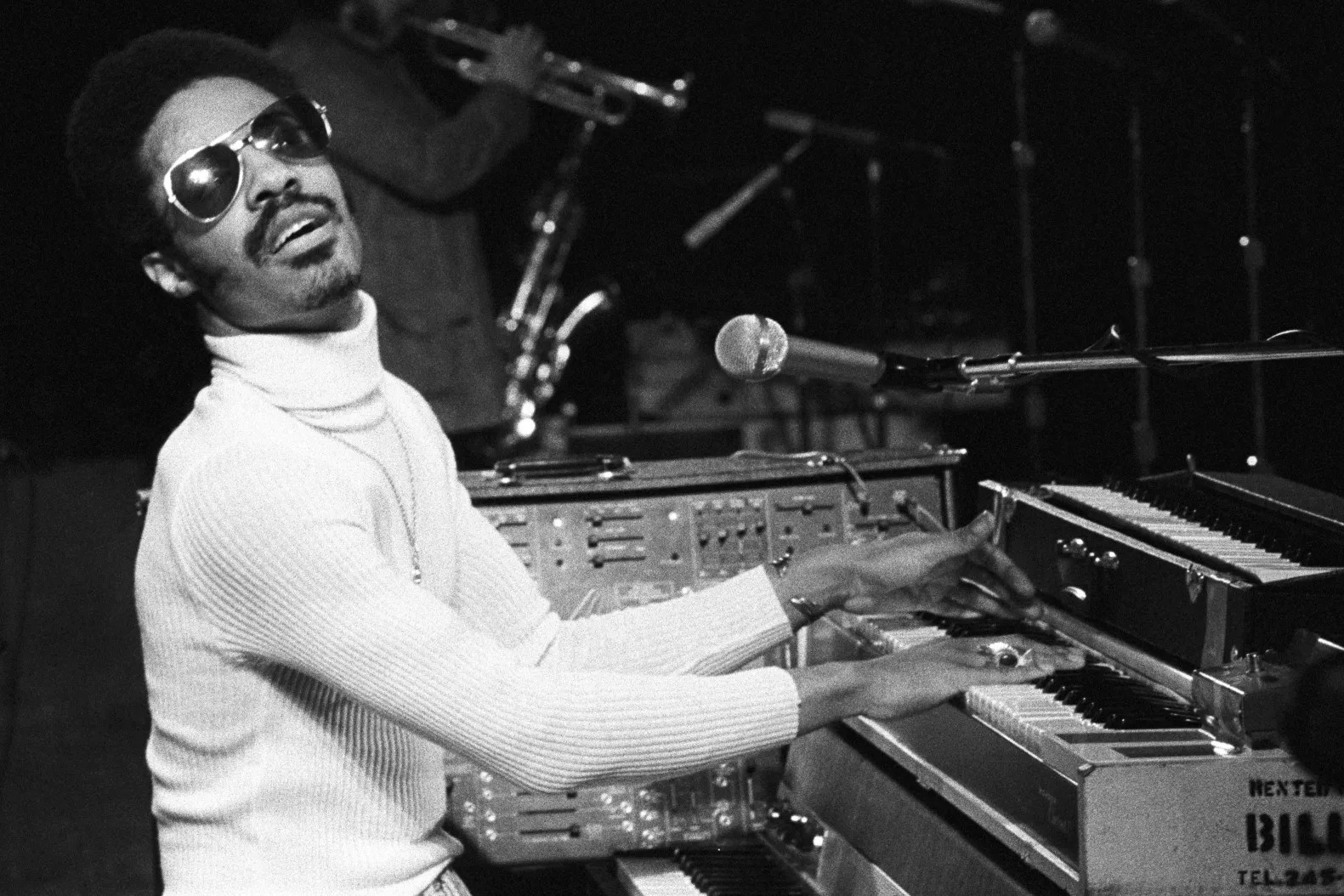

Starting with possibly Motown’s biggest star, Stevie Wonder…
Wonder covered ‘We Can Work it Out’ for his 1971 album ‘Signed, Sealed, Delivered’, and it made #13 on the Billboard 100 when released as a single. He was still only twenty-one, though already a full decade into his recording career. Of course, Stevie Wonder’s career would cross paths with a Beatle again in the eighties, with the not-quite-as-classic ‘Ebony and Ivory’ hitting #1. Wonder then performed for Paul McCartney’s Grammy Lifetime Achievement Award ceremony a few years later, singing this very tune.
Sonically, this is very early-seventies Stevie, with a brilliant fried-funk bassline, and a harmonica solo. It’s also a much more positive sounding record than the baroque pop original, with the soaring vocals and backing leaving us in no doubt that whatever is wrong will indeed be worked out.
And if Stevie Wonder is Motown’s biggest star, then Smokey Robinson can’t be far behind…
He scored a belated number one with the Miracles in 1970 with the classic ‘The Tears of a Clown’, which was also co-written by Wonder. A decade later, in that incredibly fertile post-punk/new-wave landscape, the Beat (or English Beat, or British Beat, depending on where you’re from) took this ska cover version to #6 in the opening weeks of the 1980s.
I wouldn’t count myself as the biggest fan of ska, but I am a fan of hearing great songs that work in very different arrangements, and the staccato riff, played like a circus theme in the original, sounds great in a two-tone style.
My third cover is bending the rules a little. Or completely…
For years I assumed the Foundations were a Motown act, or at the very least Americans from somewhere near Detroit. But of course they were British, and released their music on Pye Records. I’ll class them as honourary Motown stars, though, as hits like ‘Build Me Up Buttercup’ and ‘Baby, Now That I’ve Found You’ are so very indebted to the Tamla sound.
Not that Alison Krauss’s bluegrass inflected version sounds anything like that. It is stripped back, richly smooth, almost haunting. It was recorded in 1995, and didn’t do much on the charts, but won a Grammy for Female Country Vocal Performance and has featured on Best Country Songs lists. Despite this, I like it because it’s not too country, if you know what I mean.
Hope you enjoyed these not too oft-heard cover versions of three sixties classics. Back to the regular countdown next, and we are only ten chart-toppers away from a very special anniversary!

