A very Happy New Year to you all, and a warm welcome back to the UK Number Ones Blog. I hope you had a good festive period, managed to celebrate, relax, and (in my case) catch up with writing about some soon-to-come number ones. Before we resume our journey through the late, late-nineties, I’m debuting a new feature!
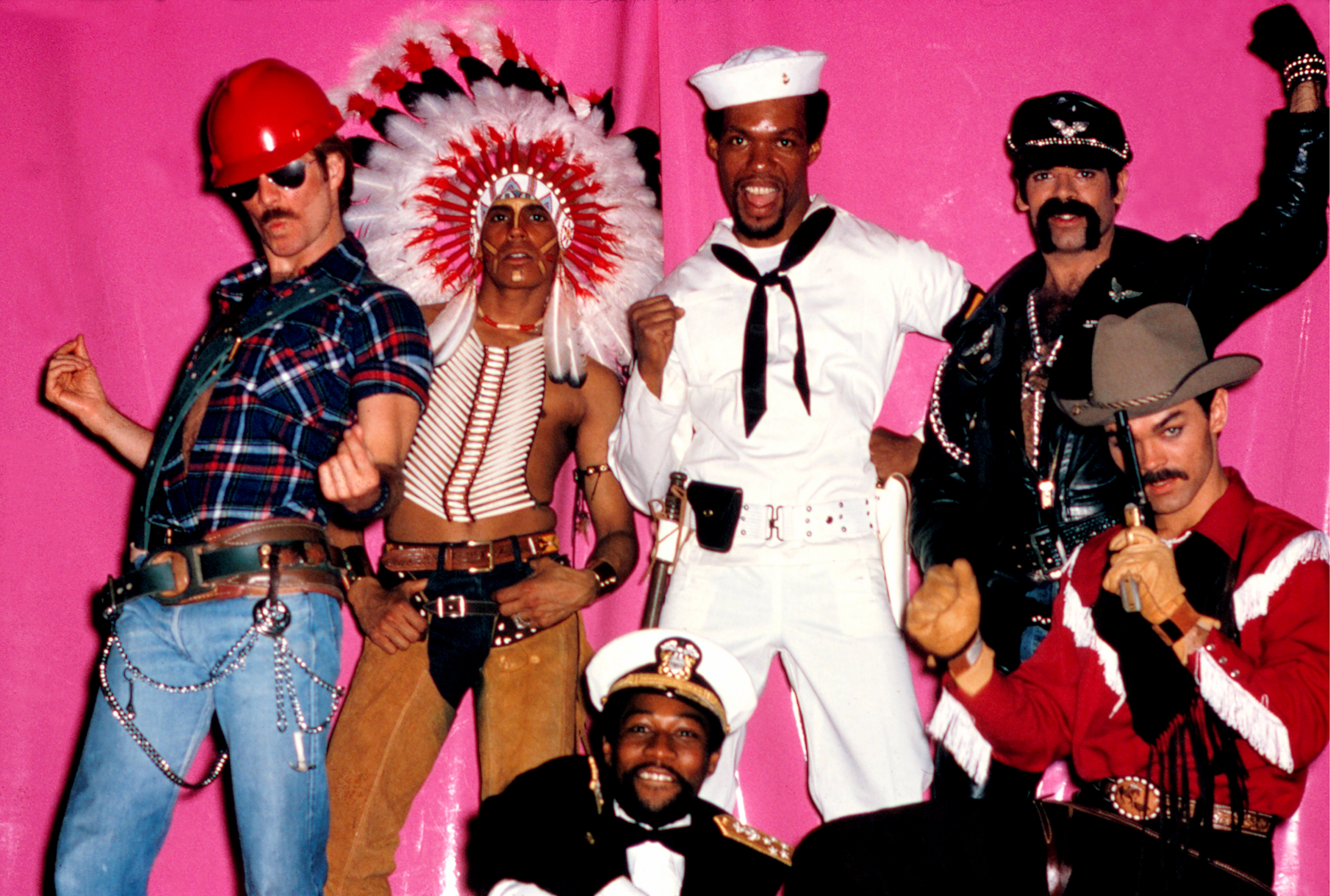
The Village People, group portrait, New York, 1978. (Photo by Michael Putland/Getty Images)
‘On This Day…’ will do pretty much exactly what it says on the tin. I’ll intro a few of the records that have been top of the charts on a particular date in history, as well as mentioning a few births, a few deaths, and a few interesting occasions that tie into a particular chart-topper. The hope is that readers will be able to delve into my back-catalogue of posts, and find something I wrote long before they started following this blog. Or people can, y’know, just enjoy the tunes!
First up, number one on this day in 1962, we have a stone-cold classic:
‘Moon River’, from the soundtrack to ‘Breakfast at Tiffany’s’ is one of the great songs of that supposedly fallow period between rock ‘n’ roll and The Beatles. In the film it is sung by Audrey Hepburn, at the Academy Awards that year it was performed by Andy Williams, while an instrumental version by the song’s composer Henry Mancini and a version by Jerry Butler were hits in the US. In the UK, however, it was left to South African-born Danny Williams to have the most succesful version of all. You can read my original post on ‘Moon River’ here.
Meanwhile on this day in 1923, radio host, record producer, and founder of the legendary Sun Records label, Sam Phillips was born in Alabama. He is most famous for his work with a young Elvis Presley, although he also produced Roy Orbison, Johnny Cash, Carl Perkins and many of the other early rock and roll stars. His only contribution to the top of the UK singles chart, however, was this banger:
Here’s my original post on ‘Great Balls of Fire’. If you’re only going to top the charts once, might as well make it good ‘un. Speaking of which, number one on this day in 1979 we have perhaps the ultimate guilty pleasure. There is not a soul alive who hasn’t done the dance to the ‘YMCA’, however grudgingly, and not even the recent gyrations of Donald Trump can truly sour this wedding reception classic. Even more recently, Village Person Victor Willis (AKA the cop) has been threatening to sue anyone who claims that ‘YMCA’ – a song with the lyric: They have everything for young men to enjoy, You can hang out with all the boys… – has any homosexual connotations. Whatsover. No sirree. To which we can all say, ‘Okay honey…’ (Original post here.)
In sadder news, on this day in 1998, Sonny Bono died following a skiing accident in Nevada. He was of course the singing partner, and former husband, of Cher, with whom he enjoyed his sole chart-topper ‘I Got You Babe’ in 1965. I wrote about it, the 201st #1 single, way back in 2019.
Finally, one of the least likely number one singles of all time was sitting astride the charts on January 5th 1991. Early January is a bit of a dead zone for chart-toppers, as in most years the Christmas leftovers are still clinging on top with little competition. Iron Maiden spotted an opportunity, and released ‘Bring Your Daughter… To the Slaughter’ in the final week of 1990. Their devoted fanbase, as well as the publicity of knocking the God-bothering Cliff Richard’s ‘Saviour’s Day’ off #1, delivered the heavy metal legends their biggest hit. (Original post here.)
I hope everyone enjoyed this new feature, and won’t mind if it pops back up ever few weeks. I’m also going to be doing more regular posts on cover versions, number two singles, ‘Remembering’ features, ‘Best of the Rests’ and ‘Today’s Top 10s’, as well as a new look at the ‘B’-sides to famous number ones. The main focus will of course still be on the chart-toppers; just a little more regularly interspersed with interesting detours through chart history!
The two earlier ‘Today’s Top 10’s I’ve done were pretty succesful. Thanks to all who had a look, liked and commented. I was wondering what to do with the feature going forward, and I think I’ll use it to take a deeper look at interesting periods in chart history. What can the Top 10 tell us about where pop music was at a particular time and place?
So, we’ve done the death of the ’60s, and we’ve done the Summer of Love. Now we turn to perhaps one of the most exciting times in modern popular music: late-1963. The moment when the sixties finally started to swing. Thanks, mainly, to the Beatles. But not, as this chart will hopefully prove, solely because of them. For those interested in significant world events, this was also the Top 10 on the week that JFK was assassinated.
10. Let It Rock / Memphis, Tennessee, by Chuck Berry – down 4 (7 weeks on chart)
But what’s this…? Two rock ‘n’ roll tunes first released in 1959. How the charts like to mess with us… The reason is tied to the times, though. The Godfathers of rock, Buddy Holly, Jerry Lee Lewis, and Chuck Berry, had inspired the new Beat groups that we’ll be meeting further up this chart. The Beatles early albums were full of Berry songs, while the Stones’ first hit had been a cover of ‘Come On’ earlier in 1963. Pye Records saw an opportunity, and released some of these influential tunes for the first time in the UK. Amazingly, this was Berry’s first ever visit to the UK Top 10. A runaway train might not be the most obvious topic for a rock ‘n’ roll tune, but this wasn’t Berry’s first time singing about a railroad. And the way he makes his guitar sound like a train horn is iconic.
It was paired with the more laidback ‘Memphis, Tennessee’, which had also been a hit in a version by Dave Berry & the Cruisers around the same time. It pulls the same trick as such classics as Gilbert O’ Sullivan’s ‘Clair’, and Brotherhood of Man’s ‘Save Your Kisses for Me’, by tricking the listener into thinking that the singer is singing about a girlfriend, when he is actually singing about a small child. Berry, though, consumate storyteller that he was, manages to do it in a far less creepy manner, making the song more about the messy break-up, and the father’s regret, than about dodgy double entendres.
9. I’ll Keep You Satisfied, by Billy J. Kramer & The Dakotas – up 2 (3 weeks on chart)
This one’s much more 1963. One of the big beat combos that had broken through earlier in the year (with another three to come higher up), and who had been at #1 just a few weeks earlier with the Lennon-McCartney tune ‘Bad to Me’. ‘I’ll Keep You Satisfied’ is another L&M composition and, while it would peak decently at #4, it isn’t quite as good. Still, it’s better than the Dakota’s next hit, the dubious ‘Little Children’. Watching the video above, the music may be (slightly) rocking, but Billy J. is giving good crooner energy. Nothing to worry grandma… yet.
8. I (Who Have Nothing), by Shirley Bassey – up 1 (9 weeks on chart)
A constant presence on the charts of the ’50s and ’60s: a bit of Bassey. This is three minutes of pure melodrama, as Shirley watches an old-flame woo his new girl. ‘I (Who Have Nothing)’ was adapted from an Italian hit, which was something of a theme in the early sixties. It’s a classic of its genre: an intro of swirling strings, quiet bits, and bits where she lets loose, belting out high notes like nobody else can. I always find Shirley Bassey somewhat lacking in subtlety, but then again – if you’ve got it flaunt it. If I could sing like her then I’d be belting out my Starbucks orders.
7. Blue Bayou / Mean Woman Blues, by Roy Orbison – down 3 (10 weeks on chart)
Another double-‘A’ side from an American rocker, who had been around since the ’50s. Unlike the Chuck Berry record, though, this was a new hit. ‘Blue Bayou’ is one of Orbison’s gentler numbers – for the Big ‘O’ could of course give Shirley Bassey a run for her money in the belting stakes – but it’s always been one of my favourites. Even as a young ‘un who had no idea what the hell a ‘bayou’ was. Linda Rondstadt recorded a famous cover in 1977, though that didn’t make the UK Top 10.
On the flipside of this disc was a cover of ‘Mean Woman Blues’, an Elvis track from 1957. Personally, while they are both fine singers, I prefer Elvis’s version. I prefer bombastic, overblown Orbison to rocking Orbison. On this record he tries out the famous Grrrrrr, which he’d use to great effect on his chart-topping ‘Oh, Pretty Woman’ the following year.
6. Secret Love, by Kathy Kirby – up 6 (3 weeks on chart)
We’re keeping an eye out for the bands that came along in 1963 and changed popular music forever. But for every beat combo that made it big, there were plenty of British women who were just as instrumental in making the sixties swing. Kathy Kirby’s name hasn’t lasted alongside the likes of Cilla, Dusty, Lulu or Sandie Shaw, but here she is, enjoying her biggest hit. Her take on ‘Secret Love’ starts off very bombastically, much like Doris Day’s chart-topping original from a decade earlier, but soon a groovy guitars-and-backing-singers beat takes over, nicely updating the song for a new era. Plus, she has a great voice, with a bit of bite to it. Kirby may have retired from showbusiness in the early eighties and died in relative obscurity, but for a while she was a huge name: representing the UK at Eurovision in 1965 (finishing as runner-up) and hosting her own television programme.
5. Don’t Talk to Him, by Cliff Richard & The Shadows – up 2 (3 weeks on chart)
Common knowledge would have it that with the arrival of the Beatles et al the career of Cliff Richard – the hottest star in the land just a year or so earlier – fell off a, well, cliff. But glance at any Top 40 from any random moment post-1962, and it quickly becomes clear that Cliff went nowhere. Okay, he didn’t hit #1 as regularly, but ‘Don’t Talk to Him’ was one of an astounding 33 Top 10 hits he achieved across the sixties. I’d never heard this before, but it’s actually a really good song, combining a latin rhythm with some very current, beat guitars. This could easily have been written and recorded by one of the acts a couple of places up this chart, proving that Cliff gave those young whippersnappers a stronger run for their money than the history books suggest. *Some sources disagree as to whether this was Cliff solo, or Cliff with the Shadows, but I’ve gone with the latter*
4. Be My Baby, by the Ronettes – up 1 (6 weeks on chart)
The first of two all-time great, hall of fame pop songs in this week’s Top 4. The fact that this never made it higher than number four is a shock, and I’ve already done a post on how this really Should Have Been a #1. Even on this chart, in the year that it was recorded, where girl groups like the Ronettes were common, ‘Be My Baby’ stands out as special. It would stand out as special on any chart, in any era, simply because it is better than 99.95% of anything else in the history of pop.
3. Sugar and Spice, by the Searchers – down 1 (5 weeks on chart)
Here we are then, a purely Liverpudlian Top 3. The Searchers had been the 3rd Merseybeat band to make number one that year, after the two acts ahead of them in this chart, with their cover of The Drifters’ ‘Sweets for My Sweet’. Although still on the candy theme, ‘Sugar and Spice’ was an original, written by producer Tony Hatch. The chiming guitars and harmonies, as well the almost skiffle rhythm section, are pleasant, almost proto jangle-pop. But within a year, once the Stones, Kinks and Animals started making the upper reaches of the charts, it would start to sound a bit safe. The Searchers had two much better hits to come: their majestic second #1 ‘Needles and Pins’, and their cover of ‘When You Walk in the Room’. Like so many Beat bands that didn’t, or couldn’t, write their own material, the Searchers’ chart shelf-life was limited.
2. She Loves You, by The Beatles – up 1 (13 weeks on chart)
The song that officially kicked off the swinging sixties? The way that ‘She Loves You’ barrels in, chorus-first, on a wave of tight guitars and precision drumming, and yeah yeah yeahs. In France, this style of Beat music literally became known as ‘Yé-yé’ (and surely everyone knows by now how Mr McCartney Senior thought ‘yes, yes, yes’ would have sounded much more proper…) It is utterly perfect pop, to rank alongside the Ronettes a couple of places below it on this week’s chart. Although they developed their sound so far beyond this, I would still rank ‘She Loves You’ in my personal Beatles Top 3. You can read my original post on it, as a number one, here. On this week in November 1963, it was on its way back to number one, having already spent a month there that autumn, and on its way to becoming the biggest-selling single ever, at that point, in the UK (where it remains the Fab Four’s highest seller). Also, the seven-week gap between its two runs at the top remains a record to this day.
1. You’ll Never Walk Alone, by Gerry & the Pacemakers – non-mover (7 weeks on chart)
The 4th Beat group in the Top 10 on this day sixty-one years ago, Gerry & the Pacemakers had made history by being the first act to make #1 with their first three singles. This was the final week of a month-long run for ‘You’ll Never Walk Alone’, and it would also be The Pacemakers final week on top of the charts. (You can read my original post on it here.) The fact that for only their 3rd single the band had turned to a cover of a song from a 1945 musical is telling. While the Beatles were just warming up, their contemporaries were often relying on covers (or on handouts from Lennon & McCartney). Plus there was the fact that for record labels and producers, rock and roll was still a very new thing, one that many were convinced wouldn’t last. It was seen as essential for bands to branch out, and to nurture a wider appeal.
Of course we know now that rock ‘n’ roll was here to stay, even if Gerry & The Pacemakers weren’t. ‘You’ll Never Walk Alone’ was also here to stay, and by the end of its initial chart run it had already been adopted by the crowd at Anfield as Liverpool FC’s unofficial anthem, to be belted out pre-match from here to eternity. The song returned to number one in a charity version by The Crowd, following the Bradford City fire, while it also made top spot for a third time in 2020 in a version featuring Michael Ball and the 100-year-old Captain Tom Moore, a phenomenon that can only be explained by how crazy we all went during lockdown. It is nothing short of a modern-day hymn, given the song’s role in the current British psyche.
I hope you enjoyed this flashback to Today’s Top 10 in 1963. What a snapshot of popular music that was, as Britain finally cast off the shadow of the War and started to get a little groovy. Up next we’ll return to 1999, and to a country just a few months away from the terrifying uncertainty of a new millenium. Would all the computers crash? Would planes start dropping from the sky…? Nobody knew, so confused and distracted were people that they kept buying Ronan Keating records in large quantities. Stress will do that to you…
Another trip back in time then, with my second ever ‘Today’s Top 10’ (we went back to 1970 a few months ago – check it out if you have the time). This time I thought we’d go back to the summer of 1967… AKA The Summer of Love, in which for a few months the hippy ideal looked like perhaps becoming reality. Three very famous flower-power anthems topped the charts that summer, and all three are on this chart, dated 26th July-1st August 1967. But was the rest of the Top 10 as awash with peace and love? Let’s find out…
#10 – ‘Death of a Clown’, by Dave Davies (up 13 / 2 weeks on chart)
We start with a couple of big climbers, as Dave Davies’ debut solo effort enters the Top 10 this week. ‘Death of a Clown’ often gets classed as a Kinks’ song, and in fairness it does feature all four Kinks playing on it, and it did appear on the album ‘Something Else by the Kinks’. But it charted as a Dave solo number, with Ray contributing the la-la-la refrain, sung by his then wife. Its subject matter is that old rock ‘n’ roll chestnut – the grind of endless touring: I’m drownin’ my sorrows in whisky and gin… Dave Davies, who often chafed under his big brother’s domination of the group’s songwriting, had hoped that this song’s success (it would peak at #3) might lead to a solo album, but it didn’t. As a starter for our 1967 countdown it doesn’t scream ‘Summer of Love’, but Davies’ cravate in the video below is possibly the perfect encapsulation of the phrase ‘baroque pop’.
#9 – ‘Up, Up and Away’, by the Johnny Mann Singers (up 17 / 3 weeks on chart)
A bit more like it, now. An appropriately high climb for the Johnny Mann Singers going ‘Up, Up and Away’ in their beautiful balloons. It’s hardly the height of psychedelia, and it has much more of an upbeat, cabaret cheesiness to it, but it could also serve as a metaphor for indulging in some mind-bending substances. Most of the world knows it as a hit for the 5th Dimension but their version didn’t chart in the UK, leaving the coast clear for composer/arranger Johnny Mann and his singers.
#8 – ‘There Goes My Everything’, by Engelbert Humperdinck (down 2 / 10 weeks on chart)
Hang around the charts of 1967 long enough, and sooner rather than later you’ll come across Engelbert Humperdinck. He had two monster #1s, ‘Release Me’ and ‘The Last Waltz’, with this #2 smash sandwiched in between. ‘There Goes My Everything’ had been a huge US country hit for Jack Greene, before The Hump brought it to the pop charts. There’s more than a whiff of ‘The Green, Green Grass of Home’, a massive success for Tom Jones a few months earlier. Not very ‘Summer of Love’ but, let’s be honest, who could say no to a night of passion with this magnificent pillow-lipped crooner.
#7 – ‘A Whiter Shade of Pale’, by Procol Harum (down 3 / 10 weeks on chart)
Aha! Here we are then. One of the big three Summer of Love anthems, which had been at number one for six weeks and was now on its way down the chart. A stone cold, all-time classic which I’ve already named as one the Very Best #1s. Not much more to say, other than read my original post on it here, and give it a play regardless of how many times you’ve heard it before.
#6 – ‘See Emily Play’, by Pink Floyd (up 2 / 6 weeks on chart)
And if Procol Harum weren’t trippy enough, here is some true psychedelica from up and comers Pink Floyd. Written by founder member Syd Barrett, about a girl that he had seen in a forest while tripping on LSD. It is a deeply strange pop single, with lyrics about losing your mind, a demented harpsichord break, and a discordant, feedback-drenched solo. It was only their second single, and Barrett was opposed to releasing it as he didn’t think it was up to scratch. He would leave the band only a few months later, with mental health problems possibly brought on by drug use, and became a famous recluse. Pink Floyd meanwhile went on to release some of the biggest albums of the ’70s. They didn’t release many singles, though, and the next time they visited the Top Ten was with their surprise 1979 Christmas number one, ‘Another Brick in the Wall Pt. II’.
#5 – ‘She’d Rather Be With Me’, by The Turtles (up 2 / 7 weeks in chart)
Into the Top 5, with one of the decade’s great forgotten pop records, by one of the decade’s great forgotten pop groups. If the Turtles have made it into the public consciousness, then it’s for the single that they released just before this, the Billboard #1 ‘Happy Together’. Surprisingly for a song that constantly pops up in movies and on TV as shorthand for ‘The Swinging Sixties!’, ‘Happy Together’ only made #12 in the UK. Perhaps buoyed by that song’s greatness, ‘She’d Rather Be With Me’ went all the way to #4 later in August ’67. And for my money, it’s even better. Chunky production, unashamedly cheerful lyrics, cowbells, and a big, brassy marching band finish crammed into a little over two minutes. The Turtles would have one further Top 10, ‘Elenore’, which they wrote as a parody of ‘Happy Together’, but which manages to be even more ludicrously catchy.
#4 – ‘Alternate Title’, by The Monkees (down 2 / 4 weeks on chart)
Even The Monkees get into the spirit of the time, releasing a record as trippy as anything a better respected band might have put out. ‘Alternate Title’ is a very literal name for this record, as it was released elsewhere as ‘Randy Scouse Git’. (RCA refused to put it out in the UK with that name, as it sounded “somewhat rude to a British audience”.) Micky Dolenz had heard the phrase on the sitcom ‘Till Death Do Us Part’, which British audiences had somehow managed to watch without reaching for the smelling salts. If the Monkees were better respected, then the lyrics to this might warrant as much chin scratching as ‘American Pie’. It’s a bonkers record, with the verses telling the story of a party, referencing The Beatles (the four kings of EMI), the model – and Dolenz’s future wife – Samantha Juste (the being known as ‘Wonder Girl’), and Mama Cass in a yellow dress. The shouty chorus meanwhile represents the establishment yelling at the youth of the day (why don’t you cut your hair?!). And when I call it ‘bonkers’, I mean it in the best possible sense of the word.
#3 – San Francisco (Be Sure to Wear Some Flowers in Your Hair), by Scott McKenzie (up 2 / 3 weeks on chart)
On its way to the top, another anthem for the Summer of Love: an ode to the city where it all began. In fact, ‘San Francisco’ was written as promotion for the Monterey International Pop Festival, held in June that year. So it’s basically an advert… which isn’t super compatible with the hippy ethos, but hey ho. It worked, and young folks flocked to the city that summer, many with the requisite flowers in their hair. Of the three Summer of Love anthems, this one is perhaps the most stuck in that time, and hasn’t transcended to become an all-time classic. But it’s hard to argue with that sweet, wistful melody. Read my original post on it here.
#2 – It Must Be Him (Seul Sur Son Etoile), by Vikki Carr (up 1 / 9 weeks on chart)
Just to remind us that the singles chart is at heart a collection of songs ordered by cold, hard data, with no interest in the trends of the time, this was the #2 single as the Summer of Love reached its peak. American Vikki Carr provides the easy-listening filling between two hippy anthems, with a tune originally written and sung in French. In ‘It Must Be Him’, Carr – who has a lovely, strident voice – waits by the phone hoping her ex will call: Let it please be him, Oh dear God, It must be him, Or I shall die... I’d suggest Vikki might have played it a bit cooler, if only because all that talk of death and God probably brought this close to a BBC ban…
#1 – ‘All You Need Is Love’, by The Beatles (non-mover / 3 weeks on chart)
In the middle of a 3-week run at the top, this chart’s third, and perhaps ultimate, flower-power anthem. You can read my original post here. (I can’t remember what I wrote five years ago, but I’m sure it was largely positive!) Listening again now, I’m struck by how much fun this record is. From the opening bars of La Marseillaise, through Paul’s ‘all together now’s, the snatches of Bach, ‘Greensleeves’, and ‘In the Mood’, to brief glimpses of ‘Yesterday’ and ‘She Loves You’, the worthy message is dressed up in a lot of singalong fun. Brian Epstein, who would die just a few weeks later, described the band’s performance of the song for the ‘Our World’ television link-up as their finest moment.
So I’d say half the Top 10 for this week in July 1967 does the Summer of Love (and LSD) proud. The other half is more standard sixties: middle-of-the-road ballads, quality pop, and some high-grade crooning. Hope you enjoyed this detour, and I’ll do another one before the year is out.
It’s been a while since I did a ‘cover versions’ week, so I thought I’d bring it back to allow us a break from the regular countdown, as we make steady progress through the mid-to-late ’90s. Later on this week I’ll be featuring a cover of one of that period’s most famous hits, but for now we’re focusing on various versions of the same song: Soft Cell’s massive 1981 smash ‘Tainted Love’.
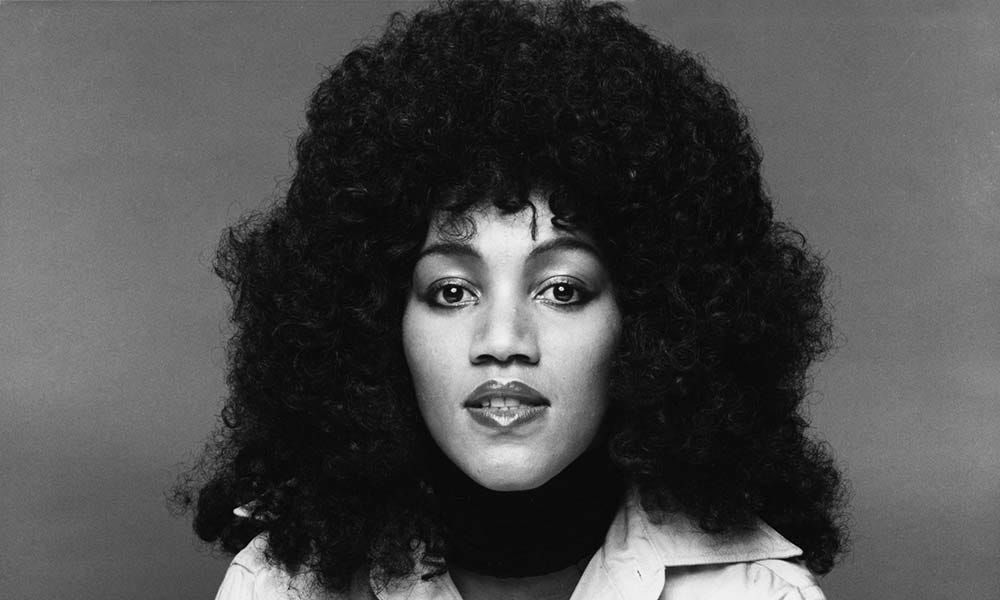
Okay, this means that Gloria Jones’s versions aren’t covers of ‘Tainted Love’… They’re the originals. But it didn’t make #1 either time she recorded it. In fact neither managed to chart at all.
Which is pretty shocking, as the funky, stomping, Motown-influenced track is an instant classic, that should be mentioned in the same breath as The Supremes, the Ronettes, even Aretha. But the charts can be a fickle beast. A decade later, Jones’ original started getting played on the Northern Soul circuit. This encouraged Jones, who had since moved into musical theatre and then into being T. Rex’s backing singer, to have a go at re-recording it in 1976…
The updated version is a bit slicker, a bit less frenetic, and benefits from the advances in recording technology that had taken place. I wouldn’t say it’s an improvement, though I do like the smokiness that Jones’ voice has gained in the twelve intervening years. Jones’ boyfriend Marc Bolan produced the track, but even that couldn’t make it a hit. The following year she was the driver of the car that crashed and killed Bolan, also badly injuring herself. It gave her cause to flee the country (from an impending court case, and from T. Rex fanatics who had looted their house…)
Meanwhile, synth-pop duo Soft Cell heard the song in Northern Soul clubs, and had started incorporating it into their live sets. They were encouraged to record it, released it as their 2nd single, and the rest is chart-topping history, nicely summed up – if I do say so myself – in this post right here. But it seems that ‘Tainted Love’ is a song that demands to be recorded more than once, as Marc Almond also had another go in 1991. This version made #5, and is sometimes mistakenly played as the ‘original’ Soft Cell version (it’s the one with Marc Almond floating among the stars in the video…) God this is a bit complicated…
And then ten years after that, ‘Tainted Love’ returned to the Top 5 with its joint-second most succesful version, from a fairly unlikely source…
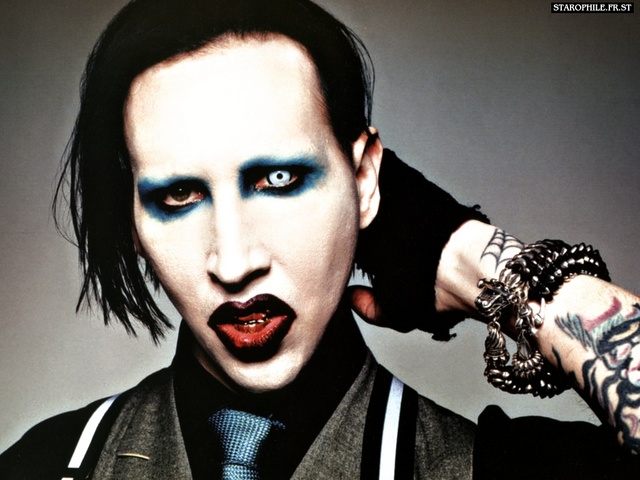
Recorded for the soundtrack to the parody film ‘Not Another Teen Movie’, Marilyn Manson scored his/their only Top 10 hit with this industrial-glam cover. In the video, Manson’s band of freaky goths crash a frat party, and mayhem ensues. For me, this version really works, and goes to show the strength of the song that it can still exist in a sound so removed from its original incarnation. I’m a fan of Manson (the band, and the music; not so much the creepy person behind it all) and am glad that this sent them briefly into the mainstream. You could argue that this was sell-out moment for an act that a few years earlier had been terrifying middle-America, even being blamed for school shootings, but this campy cover just goes to show how ridiculous those fears were.
And that wasn’t it as far as ‘Tainted Love’ and the top-end of the charts were concerned. In 2006, Rihanna made #2 with her Soft Cell sampling, electro-pop banger ‘SOS’. Not a cover version as such, but I’m still embedding the video below because it’s a TUNE.
Join us tomorrow for another ‘Cover Versions of #1s’ special, when you’ll get two songs for the price of one!
It’s the most wonderful time of the year, at least according to Andy Williams, which means stockings above the fireplace, geese getting fat, goodwill to all… And the annual race for Christmas Number One.
By now it’s certainly a British tradition, and the one time of the year that the singles chart is guaranteed to make the news, but most people would say that the honour of being the nation’s biggest-selling song on December 25th has lost a lot of its lustre. I’d agree. In fact, I’d say that we’ve already covered the heyday of the Christmas Number One in my regular blog… The most recent festive #1 was 1994’s: East 17’s ‘Stay Another Day’, a classic that I’ve just named one of the Very Best. From here on its a slippery slope, past The Spice Girls, endless X-Factor winners, countless charity singles, to the very bottom of the barrel, and the dreaded LadBaby.
Now it’s time for you to decide: what is the greatest Xmas #1? And, perhaps more importantly, what is the worst?? See below two polls, in which you can choose as many or as few songs as you like, for both honours.
Perhaps controversially, I’ve not listed every Xmas #1 since 1952. Until the early seventies, the idea of a ‘Christmas Number One’ wasn’t particularly relevant, so the only pre-1973 hits I’ve included in the vote are specifically Chistmassy, or novelty songs that probably wouldn’t have made #1 at any other time of year (so, sorry, no Beatles…) Even post-1973, I’ve excluded pop songs that just happened to be #1 at Christmas (so no Human League, or Pet Shop Boys). However, there is space at the bottom for you to nominate any Xmas #1 you think I’ve unfairly missed off the list. You may, for example, feel very strongly that ‘Two Little Boys’ deserves the title…
Here’s the poll for the best…
And the worst…
I’ll announce the results on Christmas Eve, so you have until then to cast your votes. Have at it!
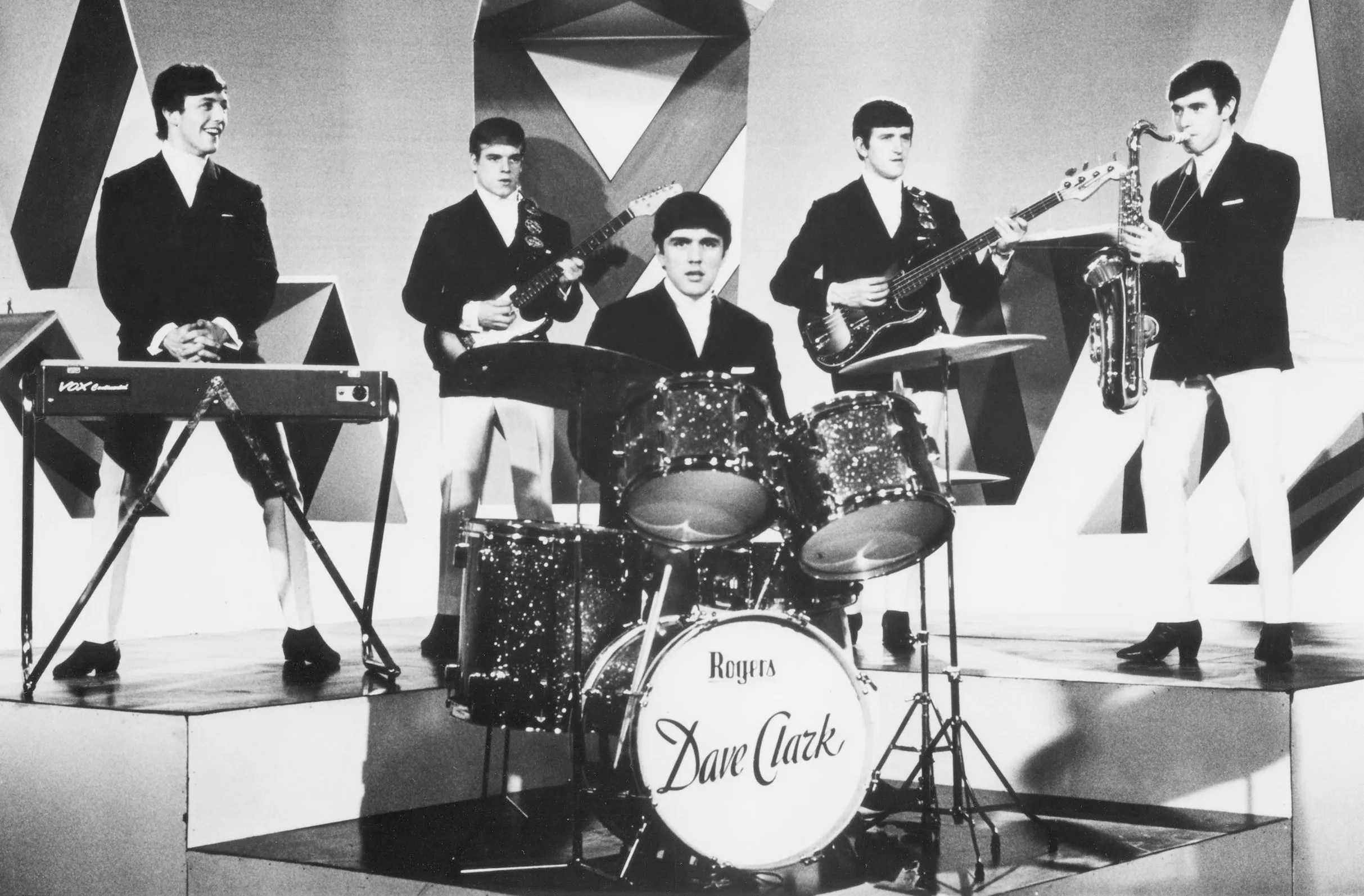
Our next #2 takes us back to the winter of 1967 – The Winter of Love, as nobody called it – and a band who had scored their sole chart-topper almost four years earlier…
Of the five songs that I’ll feature this week, this is the one I’d never heard before writing the post. And it’s a tune that’s very typical of the time. A waltzing rhythm, soaring strings, glossy, chiming guitars… A world away from the pounding pop of ‘Glad All Over’. In fact I’d say it owes a large debt to the big breakout star of 1967 – pillow-lipped crooner extraordinaire, Engelbert Humperdinck. (The Hump went and covered ‘Everybody Knows’ for his ‘Last Waltz’ LP, and made the bold choice to change the lyrics so that he was singing about a man…)
This is a nice enough song, with a lovely key change in the build up to the chorus. But it’s a sign of where pop music was post-British Invasion, when the hippy dream started to go sour, and the sixties started to lose a little of their swing. The best bands ploughed their own furrows: The Beatles went to India; The Stones went satanic; The Kinks hopped down a rabbit-hole of nostalgia… While the rest were left trying to remain relevant. Hence perhaps why The Dave Clark Five ended up sounding like something your gran might shimmy around the living room to, rather than being at the forefront of the hot pop sounds.
Despite it being unashamedly old-fashioned, this single gave the DC5 their biggest hit since ‘Glad All Over’. Possibly the time of year helped, as who can resist a bit of schmaltz at Christmas time? Contrarily, the band had already released a song called ‘Everybody Knows (I Still Love You)’ in 1964, meaning that this one has become unoffically known as ‘Everybody Knows (You Said Goodbye)’. And though it may sound like a swansong, this wasn’t the end for the Five. They still had three Top 10 hits to come, the last of which came in 1970, meaning they outlasted many of their contemporaries.
Tomorrow we’ll have our final runner-up of the series, and if it isn’t another of the most famous #2 singles of all time…
And so the slew of random re-releases, that have been peppering the number one slot since the late ‘80s, peaks here, towards the end of 1990. And I mean ‘peaks’ both in the sense that we’ve literally just waved a Steve Miller Band tune from 1973 off top spot, and in the sense that nothing can top this gilt-edged beauty of a love song.
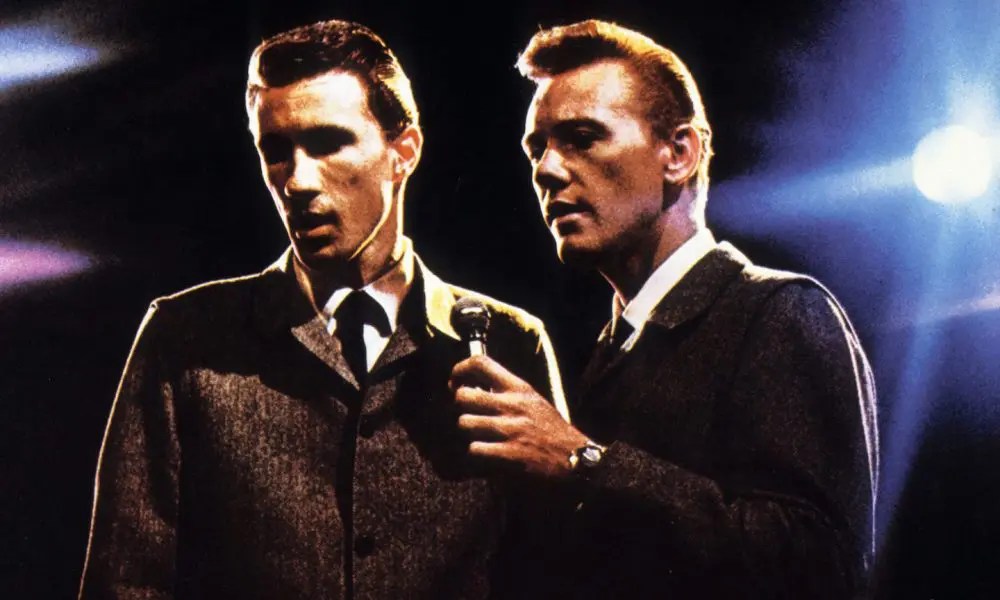
Unchained Melody, by The Righteous Brothers (their 2nd and final #1)
4 weeks, from 28th October – 25th November 1990
That’s not to say that ‘Unchained Melody’, in the hands of the Righteous Brothers, isn’t a preposterous, overblown nonsense of a record. It is completely over-the-top, the sort of display of affection that would put most women off a man were he to belt it out ‘neath her window of an evening. How does a lonely river sigh, exactly…? And yet, it is irresistible.
Irresistible because of the vocal performance of Bobby Hatfield (who won the right to record it in a coin-toss with his Righteous partner Bill Medley). It’s spectacular singing all the way through, a true tour-de-force, that culminates in that outrageous note he hits in the final chorus. The strings swell, the percussion crashes, creating a tempest of emotion that will wash over even the most cynical of listener.
Irresistible, too, because it is so different to what has come before it. I’ve enjoyed the recent transition to dance, more than I thought I might, but it’s interesting to hear a big sixties beast cutting through the drum machines and the samples. And despite coming from long before the era of the power-ballad, ‘Unchained Melody’ can compete with contemporary classics like ‘Nothing Compares 2 U’ and ‘Show Me Heaven’ in the chest-thumping melodrama stakes. In fact, could the case be made for this being the very first ‘power ballad’?
It found itself back in the charts thanks to its use in the movie ‘Ghost’, in a famous sex scene involving Patrick Swayze and a pottery wheel (I’ve never seen the film, and don’t intend to, so don’t try to persuade me that this isn’t what happens…) The Brothers did a re-record, which charted in the US, but it was their original that took off again in Britain (it had previously made #14 in 1965). It means that the duo have a twenty-five year gap between their two #1s – beating The Hollies’ previous record of twenty-three years – and that ‘Unchained Melody’ itself has a huge thirty five year span since Jimmy Young took his version to the top in 1955.
Young’s version is half the song that this is, though it feels unfair to judge him against what has since become a standard. A standard that, sadly, subsequent singers have felt the need to compare themselves against. ‘Unchained Melody’ has two further, Righteous Brothers aping versions to come atop the charts… And this also increases the irresistibility of this version: the depths that I know the song will be brought down to.
This record cemented itself as the peak of the re-release era by becoming the highest-selling single of the year. Folks lapped it up (‘Ghost’ was, for a spell, the highest-grossing film of all time in the UK), though I’d say it’s now moved into the realms of cliché, thanks no doubt to the subsequent karaoke cover versions, to the point that any use in a movie today would be done with tongue firmly in cheek.
Before I go, I have to give a shout out to the one version that can compete with the Righteous Brothers’: Elvis’s. It was used to great effect in the recent film biopic (that I thought was OK, but nowhere near as good as some said), and when they spliced it with the famous footage of him singing it a few weeks before his death… Well some dust just went and got in my eye, didn’t it?
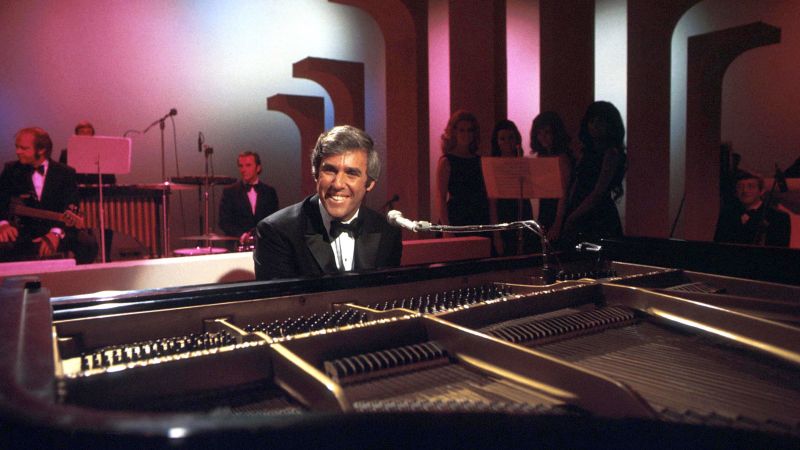
Legendary songwriter Burt Bacharach sadly died a couple of days ago, and to mark his passing I thought I’d run through the UK number ones that he (and his partner Hal David) were responsible for. There are seven in total, by acts ranging from Perry Como, to Cilla Black, to Bobbie Gentry, among his fifty-two Top 40 hits.
And, because the charts never play fair, we can only give such timeless classics as (deep breath)… ‘Walk on By’, ‘Raindrops Keep Falling on My Head’, ‘(They Long to Be) Close to You’, ‘The Look of Love’, ‘I Just Don’t Know What to Do With Myself’, ‘Twenty Four Hours from Tulsa’, ‘What the World Needs Now Is Love’ and ‘I Say a Little Prayer’… a shout-out now, because they never made the top spot. Still, we have a fair few good ones to be working with, and there’s a link to my original posts in the song titles.
Bacharach’s first big hit, originally written for Marty Robbins. Quite jaunty, very whistle-heavy, and not too much of an indication of what was to come… No matter, for a monster hit was just around the corner.
Very few songwriters manage to replace themselves at number one, but Bacharach and David managed it with their first two hits. Crooner Perry Como knocked Holliday off the top, and stayed there for eight weeks. More whistling, but still it’s a song that has seeped into our collective conscience. Anyway, these were just the warm-up for a run of all-time classics in the 1960s.
I’d put ‘Tower of Strength’ in my Top 5 songs I’ve discovered since starting this blog. It’s a real barnstormer, in which Frankie Vaughan spends two minutes just letting rip. He’s the star here, but he needed good source material. In the US it was hit for Gene McDaniels, in a much more laidback version.
Cilla’s version of Dionne Warwick’s original gave her the biggest female hit of the entire decade in the UK. I’m not one to indulge in idle gossip, but… Apparently Warwick hated the fact that Cilla Black got the bigger hit out of this song, claiming that had she so much as coughed on the original then Cilla would have done the same on her cover version. Bacharach was a big fan, however, personally arguing for Cilla to record it ahead of Shirley Bassey.
Another song originally recorded by Dionne Warwick – Bacharach and David’s muse throughout their long careers – though her version wasn’t released until 1968. Instead it was a bare-footed seventeen-year-old who took it to #1 in late-1964, launching the career of one of the biggest British singers of the decade. It wasn’t a hit in the US until Naked Eyes’ new-wave version in 1983.
The classiest #1 single ever? Never has Bacharach and David’s effortlessly slick songwriting had a cooler delivery. This was another one first recorded by Dionne Warwick, before being shelved. Along came The Walker Brothers a few years later, to give the songwriting duo their 6th UK chart-topper.
The last #1 hit for Bacharach and David (in the UK, at least) was also one of the 1960’s final chart-toppers. After the first two, fluffier songs on this list, the duo settled into a run of songs detailing exquisite heartbreak. Towers of strength, things being there to remind you, people not having hearts… And then this, a classic anti-love song dressed up in trademark B&D gloss. Plus, one of the best ryhming couplets in pop music history…
Of the four ‘favourite’ records that I’m featuring this week, three are from the 1960s. The odd-one-out is tomorrow’s choice from 1980, but more on that in twenty-four hours… Whether this says something about the tastes, or the ages, of our guest writers, or whether it says something about the enduring quality of the Swinging Sixties, I’ll leave you to decide… Anyway, there’s nothing uncertain about the quality of today’s featured song, or the band that took it to #1. They had to feature, right? John Swindell AKA popchartfreak has chosen The Beatles’ 1968 epic, ‘Hey Jude’…
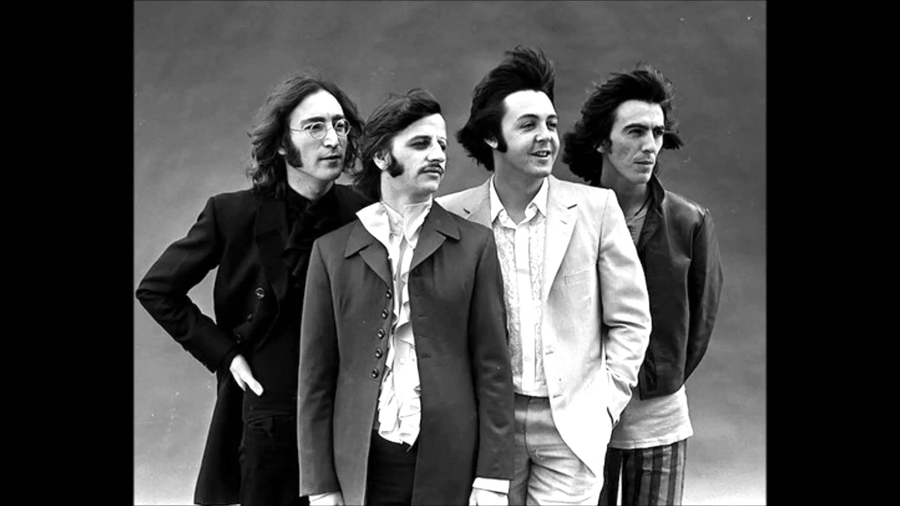
‘Hey Jude’, by The Beatles – #1 for 2 weeks in 1968
This record was ground-zero for me in my personal discovery of the UK singles chart rundown on a Sunday, Pick Of The Pops with DJ Alan Freeman, still iconic in his exciting presenting style. “Right? Right!”. Dad came back from work at RAF Swinderby in Lincolnshire, England with the news ‘Hey Jude’ had gone to number one. The longest-single to ever chart, by the biggest pop stars in the world that I’d grown-up with, and seen the films, and played the singles dad bought, were on Top Of The Pops with a great video. And it was exciting discovering the reverse chart-rundown on the radio. I was already a massive pop music fan, but this pushed me further into obsession, so many records I loved!
Until more recently ‘Hey Jude’ was far and away The Beatles most-popular record, in all it’s 7-minute singalong, slow-fade glory, and it was Paul at his ballad best. These days ‘Let It Be’ and ‘Here Comes The Sun’ tend to get the kudos over ‘Hey Jude’, but for me it’s still Jude. Written for young Julian Lennon after his parents split, it’s still got that hopeful sadness to it, being supportive to a child in distress and telling them everything will be alright – but slightly tweaked to make it more universal for everyone. Given the backdrop of assassinations, war, intolerance, racism and much more in 1968, it was a boost we needed. I was 10, but I was aware of all these things on the news.
Does it need to be 7 minutes and 11 seconds long? Yes, it does, it’s part of the build from slow sedate intro to manic screaming as the mood changes from sorrow to a crowd-thrilling climax, it’s still an emotional journey and a gradual build-up. Value for money? One of their biggest-sellers, it had a fabulous free John gem ‘Revolution’ on the B-side, and the only reason it didn’t stay on top for even longer was Paul had signed up folk singer Mary Hopkin to the Fabs new Apple record label and got to her to cover a Russian Folk song, ‘Those Were The Days’, which me and the record-buyers were even more enthusiastic about. In 1976 when all the Beatles singles were reissued with new record sleeves (rubbish ones) ‘Hey Jude’ peaked again at 12, higher than the rest of their back catalogue bar ‘Yesterday’ – which had never been a single before.
I took my mum to see Paul & Linda McCartney and their band in 1989 at Wembley Arena. It was thrilling hearing so many classics, but the peak moment was when Paul started ‘Hey Jude’ and I got goose-bumps. Sadly, as the audience was on its feet, a woman just in front of us took the opportunity to pass-out (overcome by the emotion of the moment) so the furore as staff dashed over to help put a dampener on the moment. Plus side, I can say ‘Hey Jude’ was still having a massive emotional impact on people over 20 years later. It’s still rated by some young music fans who have no memory of the 20th century, so I think that’s a pretty good reason to single it out even if I ignore what it means to me personally!
In the five years that I’ve been writing these blog posts, I’ve covered thirty-five years of the singles chart, and 615 #1 singles. Which means that we are pretty much exactly halfway between 1952 and 2023! We’re not quite halfway through all the chart-toppers, however, as turnover between #1s really sped up in the late ’90s and early ’00s. Around 800 songs stand between us and February 2023.
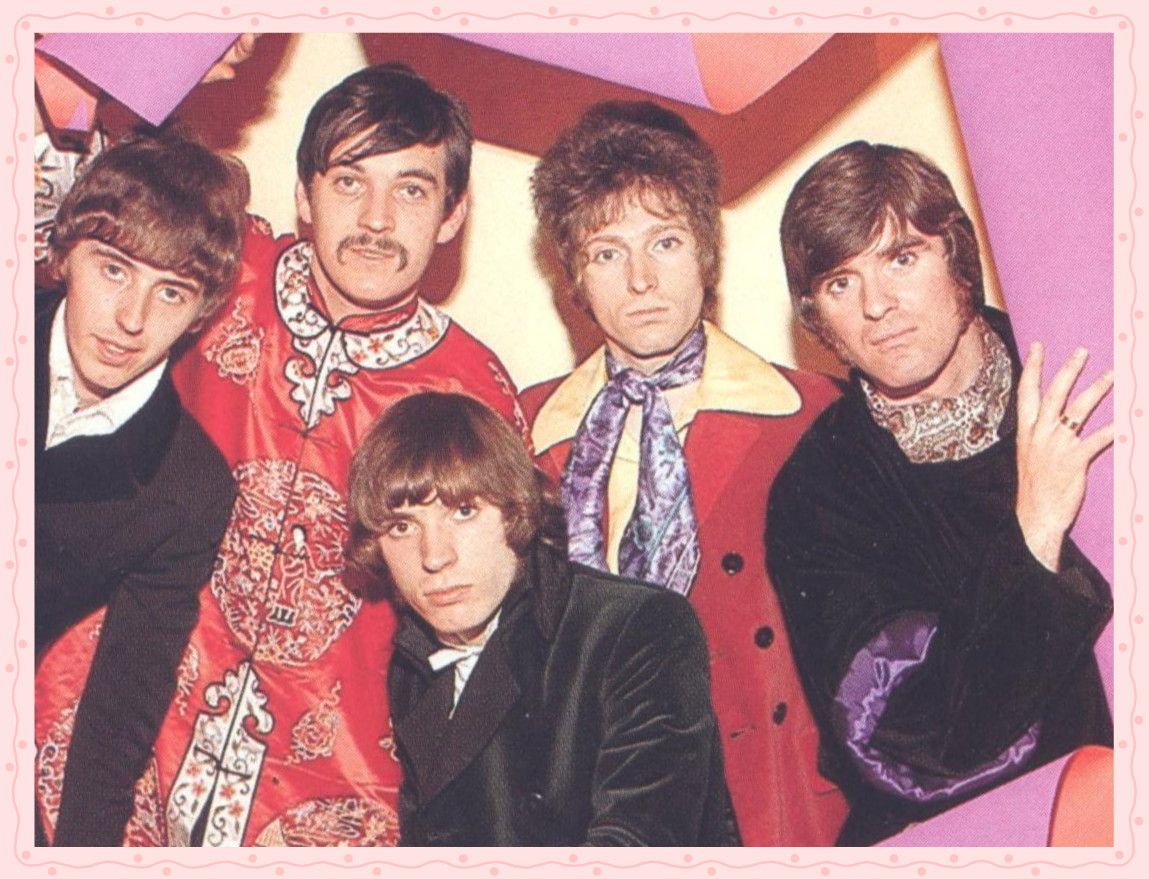
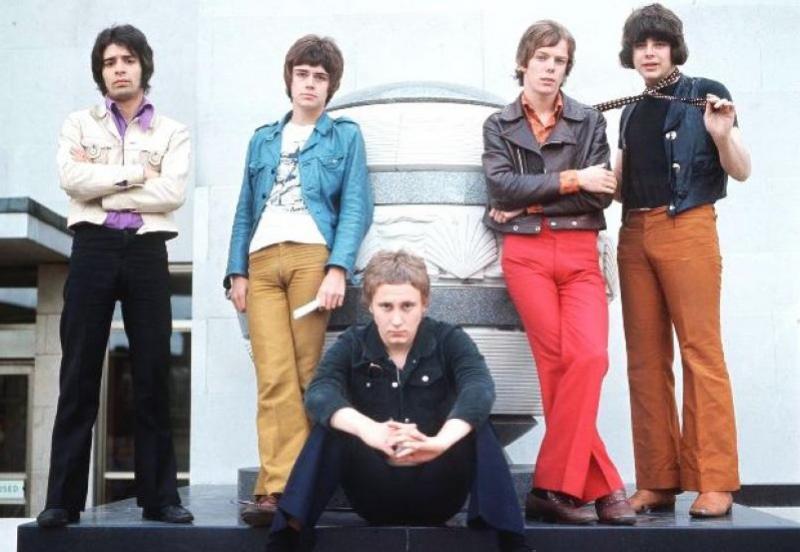
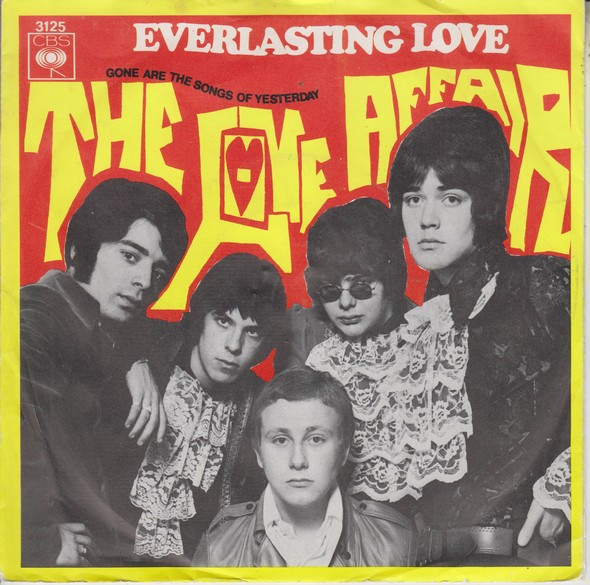
Anyway, on to today’s guest writer: Max from PowerPop blog. His blog is a treasure trove of pop culture – music, films, TV shows and more, from the ’60s, 70’s and beyond. I’ve discovered so many cool songs from following his blog, and would recommend that you do so too… If you aren’t already! He’s has chosen Love Affair’s 1968 smash, ‘Everlasting Love’. Take it away, Max…
‘Everlasting Love’, by Love Affair – #1 for 2 weeks in 1968
First, it’s an honor to guest host on this wonderful blog! I have discovered many #1 songs that I never knew existed. It’s been a lot of fun going through history with UK #1s blog. I like learning about songs I like and dislike… The more trivial knowledge I can stuff in my brain the better. I like to give its creator a lot of good-natured fun over my dislike of (I even hate typing the name!) Madonna. I always look forward to commenting here.
I was looking through this blog in 2020 and I noticed this song and it hit me hard. It starts in with a cannon shot from the drums and that bass. I’ve been a bass player for a long time and I would love to get that sound now. I was struck on how modern the sound was, along with how Steve Ellis looked like he came from now not 1968. He didn’t look like he was old enough to drive… much less 18 years old.
This version was much better than the Carl Carlton version I knew. I’m American and knew nothing about Steve Ellis and Love Affair. This version is not as slick, and it punches you in the face in the intro. The video intrigued me as well. The video is very 1960s with what is going on. The lingering flower power along with some 1920s thrown in. It has a nice vibe to it… the Charlie Chaplin girl and the other girl who are dancing around posters of Jimi Hendrix and LBJ… pure sixties. It makes you feel like you are there.
When you look back to 1968 and the music at that time… it was everywhere on the map. You had rootsy music, as in The Band. The Beatles and Stones also shed their psychedelic stuff for more pure music without the studio tricks. Other bands still explored psychedelic, folk, country rock, hard rock, and pop. The sixties had some of the best pop songs of any decade. This is one of those great pop songs.
Only Steve Ellis played on this recording. Studio musicians did the rest. Love Affair went onto achieve five more UK Top 20 hits on which the entire band did get to perform. ‘Everlasting Love’ peaked at #1 in the UK in 1968. It was written by Buzz Cason and Mac Gayden. It was originally recorded by Ray Knight and peaked at #40 in the UK, and at #13 in the Billboard 100 in 1967. Steve Ellis:“The general opinion seemed to be that I should do it with an orchestra and then give it a Phil Spector-type production. Obviously, I felt odd without the band being in the studio but it was for the good of all involved. Two takes and it was done. The band were not too concerned about this approach to things.”