I Should Be So Lucky, by Kylie Minogue (her 1st of seven #1s)
5 weeks, from 14th February – 20th March 1988
I could try and be clever about this, but no. I love Kylie. I know very few people who don’t like Kylie (apart from Americans, who just don’t know who she is) and those that do dislike her are idiots, plain and simple. She’s uncontroversially, undemandingly, unaggressively lovely – the perfect pop puppet.
And this is where it all started (almost), with Kylie at her most puppety – bopping and smiling her way through a Stock-Aitken-Waterman-by-numbers pop tune. (I genuinely think this is ‘Never Gonna Give You Up’, just rejigged in a higher key and sped up a little.) There’s very little to write home about on the music front – it’s catchy and frothy, a disposable stick of bubblegum. She has much better to come.
The main thing I do notice is that Kylie sounds a little uncomfortable. The song is pitched a little too high for her, and the lyrics come so thick and fast… In my imagination there is no complication etc… that they always sound on the verge of getting away from her. In the video too, she grins and wrinkles her nose, but seems very aware of how tacky this tune is. Tacky, and trashy but, like all the best SAW, kind of irresistible.
‘I Should Be So Lucky’ caps off our run of four chart-topping pop bangers. And it’s been a case of diminishing returns, moving from the peerless Pet Shop Boys, past Belinda Carlisle and Tiffany to, God love her, Kylie. The full gamut of late-eighties pop, in fourteen weeks of chart-topping singles. And when was the last time, if ever, that we had three solo female #1s in a row…? (And not one of them British!)
I don’t really need to go into the Kylie backstory. ‘Neighbours’, Scott and Charlene, yadda yadda yadda. Plus it’s probably best saved for her next number one, in which a storyline from the show plays out on top of the charts. I was much too young to experience all this first hand, but I will say that meeting Kylie in writing this blog feels like a big step towards my childhood. She was still churning out huge hits when I was a teenager, and even older. And she didn’t feel like a well-regarded legacy act but a genuinely still-popular star. Back then, when she was taking over the world with sophisticated pop classics like ‘Can’t Get You Out of My Head’, the early SAW hits from a decade previous looked and sounded impossibly naff. They deserve their moment in the sun, though, and there’s plenty more to come before the decade’s out.
This is my final post of 2022, and so I’ll wish all my visitors, readers, likers and commenters a very Happy New Year, and a healthy and wealthy 2023. See you in a few days!
Continuing the pop bangers run that we’ve been on in the deep midwinter of 1987-88…
I Think We’re Alone Now, by Tiffany (her 1st and only #1)
3 weeks, from 24th January – 14th February 1988
I love the juddering intro, with the choppy chords and the synthesised hand claps. It sets the tone for a song that, depending on your tolerance for all things ‘80s, could be as brilliant as it is cheap and tacky. It’s an interesting meshing of big and bold American production with the Euro-pop style that was dominating across the Atlantic. A bigger-budget SAW, if you will.
Children behave, That’s what they say when we’re together… Apparently Tiffany had no idea that the song was about teenagers looking for a place to have sex. Trying to get away, Into the night, Then you put your arms around me and we tumble to the ground… You do have to wonder how she didn’t know, until you realise that she was just fifteen when she recorded it. Then you have to wonder about the ethics of having a child record such low-key smut…
It’s a cover of a sixties hit by Tommy James and the Shondells, which had made #4 in the US in 1967 but hadn’t charted in the UK (their big smash would come a year later, with ‘Mony Mony’). Tiffany had to be persuaded to record a cover of a song written long before she was born but, once she did, it became a worldwide hit… Just in time for this writer’s second birthday.
In my last post, I commented on Belinda Carlisle’s girl-next-door image, at least in her music video. Well, Tiffany Darwish outdoes her on that front, being a literal girl. This is not as hard-edged as ‘Heaven Is a Place on Earth’, but I’d rate it just as highly. You do have to suspend your… What’s the musical equivalent of suspending disbelief? Suspending taste…? You have to suspend something, certainly, and forgive it some of its more flagrant eighties excesses (the solo, for example… what in God’s name is that?) but it is fun.
The video really ups the teeny-bopper vibes, with footage of Tiffany performing in shopping malls across the USA (it opens in Ogden City, Utah) spliced with her goofing around in recording studios. Like many teen idols, Tiffany’s career didn’t stretch much past two albums and a few more Top 10 hits. Though she did find time to cover/desecrate (delete as appropriate) another sixties classic: the Beatles’ ‘I Saw Her Standing There’. It’s one of the least respectful Beatles covers of all time, and for that I kind of admire it…
Before we go, I’ll repeat a well-worn piece of pop trivia. In the US, ‘I Think We’re Alone Now’ was knocked off top spot after two weeks by Billy Idol… and his cover of Tommy James and the Shondells’ ‘Mony Mony’. The only time two cover versions of songs originally recorded by the same artist have replaced one another on top of the charts…?
1988, then. And the year begins with a bang. And, ooh baby, do you know what that’s worth?
Heaven Is a Place on Earth, by Belinda Carlisle (her 1st and only #1)
2 weeks, from 10th – 24th January 1988
Oooh heaven is a place on earth… It’s a song that stretches itself across a lot of ‘80s sub-genres. The chords are power pop, the guitars are glam, the soaring vocals are very of-the-moment power ballad. And they all add up to a great pop song, with just enough of an edge to widen its appeal beyond teeny boppers.
In fact, I’d say that ‘Heaven Is a Place on Earth’ represents as a UK #1 a lot of the rock-pop-power ballad fare sung by women – think Heart, think Joan Jett, think Cher in black leather straddling a ship’s cannon – that was slightly more successful across the Atlantic in the mid-to-late eighties.
And Belinda Carlisle did have an authentic rock background, having been singer for punk/new wave band the Go-Gos in the late seventies and early eighties. So I was imagining ripped jeans and spiky hair, a la the aforementioned Joan Jett (another punk alumnus). But Belinda Carlisle has much more of a ‘girl next door’ vibe in the music video – nice lip-gloss and bouncy hair – even when she’s writhing against walls. While she was almost thirty when this was released: pretty old for a girl next door, and for a female pop star in general, so fair play to her.
The song at times does indulge a few too many eighties practices. It’s very glossy – that goes without saying – and while the guitars do snarl they remain pretty restrained, like an angry bulldog shackled to a pole. The break in the middle is meandering, as if they were intending to add a proper solo but forgot. And there’s a gigantic key-change, which has apparently been named as ‘one of the best key-changes in music history’… I don’t quite hear that. A fairly common-or-garden key change, for me.
These are minor quibbles, though, with what is a pretty strong pop-rock song. It’s a positive start to 1988, keeping the lively pace set by Pet Shop Boy’s ‘Always on My Mind’. Actually, we’ve hit of a vein of pop classics, and they’ll keep coming for the next couple of posts. But… As good as ‘Heaven Is a Place on Earth’ is, it doesn’t compare to Carlisle’s best song: the lead-single from her next album, the George Harrison featuring ‘Leave a Light On’. It would make only #4, in 1989…
The Christmas #1 record for 1987 wasn’t a novelty, a charity record, or a song about snow and sleighbells. (Thank God.) It was simply the biggest pop act in the country, the freshly-crowned winners of my most recent ‘Very Best Chart Topper’, at the height of their powers, covering a classic.
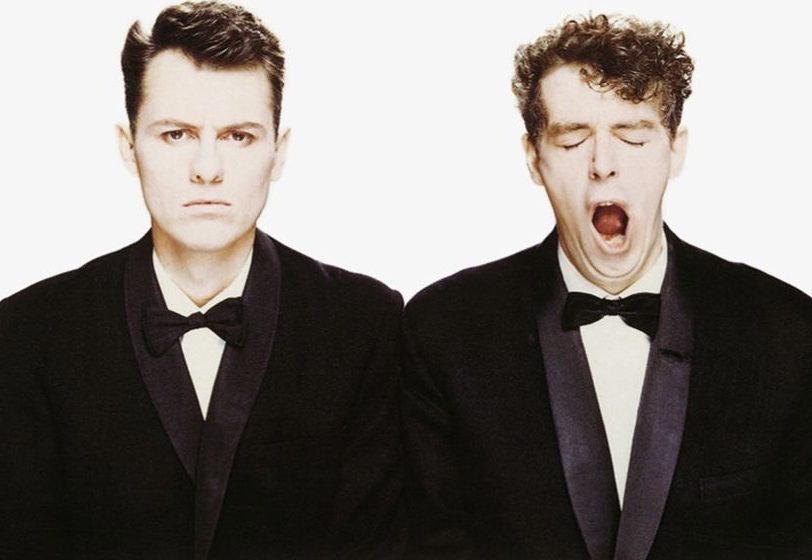
Always on My Mind, by Pet Shop Boys (their 3rd of four #1s)
4 weeks, from 13th December 1987 – 10th January 1988
Not just ‘covering’ a classic. More grabbing a classic by the scruff of the neck, dressing it up in glitter and lycra, and shoving it onto the dancefloor. Cover versions work best when they take a song away from its usual environs, and this take on what was originally a hit for Elvis Presley certainly does that. From soaring balladry, to pounding Hi-NRG disco…
Great cover versions are also almost always of great originals. The shift in tones, in styles and in genres brings out different shades of meaning, different ways of appreciating the song, but at heart they remain very good in whatever dressing a band hangs on them. Elvis’s version is slick seventies bombast, made for belting out at his Vegas residencies; and the Pet Shop Boys’ take keeps the song’s humungous presence, swapping lush orchestration for thumping synths, while Neil Tennant’s detached performance of the heartfelt vocals adds an almost comic element.
Do they also change the words? The Elvis version is quite clearly: Maybe I didn’t love you, Quite as often as I could have… Whereas PSBs seem to be singing Quite as often, As I couldn’t… I just be mishearing it, but if they are changed they add a different meaning to the song, and it’s not quite as apologetic.
‘Always on My Mind’ has also been covered by Willie Nelson, as a country ballad, having first been recorded by Brenda Lee in 1972. Elvis’s version, though, was the first to become a hit and so feels like the original. Pet Shop Boys first performed their take for an ITV special on the tenth anniversary of Presley’s death, and it was so well received that they released it as a single a few months later. And as Pet Shop Boys singles go, it’s pretty straightforward. There’s nothing particularly clever, or knowing: it’s just an all-out dancefloor banger – one of those songs that pretty much commands you to get up and start making shapes.
What is the name of that pre-set, synthesised chord – the one that sounds like a dog barking, but compressed? It’s a sound that’s synonymous with the late-eighties and early-nineties, to me, and the Boys use it liberally here. It works, but also completely dates the song. Never mind, though. It was the perfect Christmas hit: both a fun pop tune from two huge chart stars, and a song that mums and grans up and down the land knew too. A smash for all the family! And that’s that as far as 1987’s concerned. Never fear, though. The pop classics keep on coming. Stay tuned…
As we are 600 chart-toppers not out (and 20 recaps down) I thought, just for fun… Let’s a have poll on what you, dear readers of this little blog, think are the best, and the worst, #1s so far.
And my apologies, for you are beholden to the 21 records I’ve chosen as my ‘Very Best Chart-toppers’, and the 20 records I’ve chosen as my ‘Very Worst’, in each recap. But, you can vote for as many of the listed songs as you’d like. And you can always let me know how very wrong I was to choose/not choose a record in the comments. The voting will be open forever in theory, but I’ll report back and let you know the initial results in a week or so…
The Best:
Looking back at my choices, I do wonder what I saw in ‘Cherry Pink and Apple Blossom White’ in my 2nd recap (though pickings were slim in 1955). I’d also, given a do-over, choose ‘Get Off Of My Cloud’ over ‘Satisfaction’ in recap seven. I stand by the rest of them, though. Even Mungo Jerry, Mud, and Bucks Fizz! (Though I might easily have swung for ‘Land of Make Believe’ over ‘My Camera Never Lies’ on a different day…)
The Worst:
As for the worst… Well there are some that are truly heinous (The Firm, J J Barrie, Dana…) and others that seemed to suffer from being around during otherwise stellar periods for pop music. The Bachelors are more bland than terrible, but came out in 1964 which, for my money, is the best ever year for #1s. While I regret using up Cliff’s ‘Worst’ award on a bland country ditty, knowing the horrors he has still to come…
Thanks for taking part! The usual countdown will resume with chart-topper 601 in a few days, fittingly the Christmas #1 for 1987. And it’s a song that veers more towards the ‘Best’ than the ‘Worst’. Yay!
As we’ve just passed the 600th number one, having covered thirty-five years of British chart-topping singles, it might be worth looking back at every other hundredth #1. See if they show us anything worth noting about popular music tastes. The first #1 was famously ‘Here in My Heart’, a pre-rock power-ballad by Al Martino. And as #1 singles hung around for ages in the fifties, by the time we got to the 100th it was already 1960: Anthony Newley’s fey and clipped ‘Do You Mind?’. The 200th was The Beatle’s ‘Help!’, so that’s definitely a marker, but the 300th was Tony Orlando and Dawn’s ‘Knock Three Times’, which marks nothing but the British public’s undying love for a cheesy, easily-digestible jingle. 400th was Julie Covington’s ‘Don’t Cry for Me Argentina’, a complete outlier, though one that could be used to argue the evergreen popularity of showtunes, and the 500th was Nicole’s ‘A Little Peace’, one of many Eurovision-winning number ones.
It would have been cool if those six singles had tracked a direct course through rock ‘n’ roll, Merseybeat, psychedelia, glam, disco and new wave but alas, the charts never do what you want them to. There’s always a German teenager just around the corner, ready to sing about love and peace. The 600th chart-topper was probably the most ‘of its time’, along with the 1st and the 200th: T’Pau’s storming new-age power-ballad ‘China in Your Hand’.
Which is interesting because, for me, the 1980s has been the decade that, in chart terms, has had the least clear trajectory. Since rock ‘n’ roll wiped out the traditional, pre-rock dinosaurs, everything that’s followed has made way for something else. Certain genres borrowed from the past (glam, for example) but in ways that felt very new. But since new-wave wiped the slate clean, in a way, in 1979, things have gotten more jumbled up.
The New-Romantics were a glossier new-wave, and then the drowsy MOR middle years of the decade went glossier still (just with more saxophones). Everything’s been getting smoother, and better-produced, but doesn’t seem quite as new. Maybe that’s it from now on: there won’t be a musical movement with the heft of rock ‘n’ roll, or disco. It’ll just be smaller reinventions of older ideas… With one big exception, which we’ve already seen flashes of at the top of the charts: hip-hop.
Anyway, that was an unscripted diversion. What have we seen over the past thirty chart-toppers, before we dish out some awards? In no particular order: the end of Wham!, the first soap-star-slash-pop-star, the first and only hair metal #1 from Europe, and the first and only ‘80s-indie #1 from The Housemartins. There’s been this frightfully modern-sounding thing called ‘house music’ from Steve ‘Silk’ Hurley and M/A/R/R/S, the now obligatory charity record in Ferry Aid, and a couple of classic re-issues from Jackie Wilson and Ben E. King. Boy George launched a solo career, and George Michael went and duetted with theAretha Franklin. Michael Jackson kicked off the ‘Bad’ era with an underwhelming lead single. Oh, and there was the third coming of The Bee Gees. While soundtracks have provided plenty of chart-toppers from the likes of Berlin, Starship, Los Lobos and Madonna.
Speaking of Madonna… She has been the dominating force over this last thirty, claiming four chart-toppers along the way: ‘Papa Don’t Preach’, ‘True Blue’, ‘La Isla Bonita’ and ‘Who’s That Girl’. That’s a truly noteworthy level of domination that few artists achieve. And few artists split opinion like Madonna either, for reasons I won’t go into here (that’s a can of worms and a half…) But I’m team Madge. Even when she’s terrible – and she can certainly be terrible – she’s never boring.
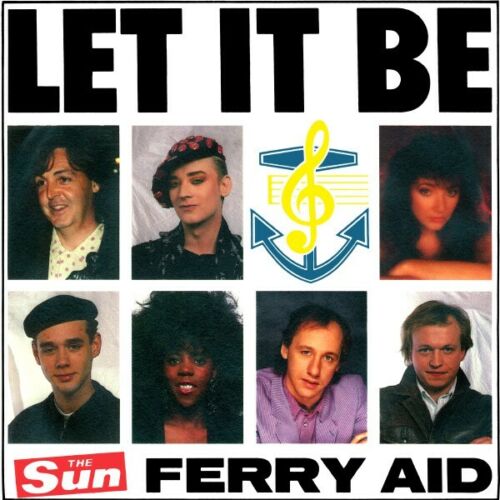
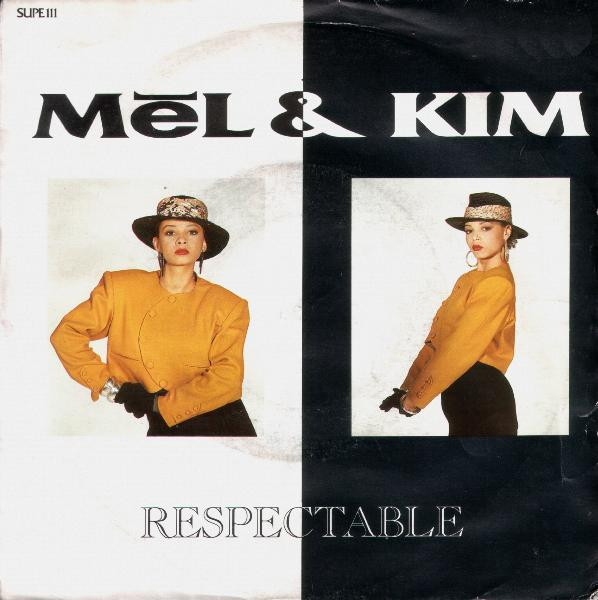
One other noteworthy movement, before we get onto the awards, is that we have entered the age of SAW. Mike Stock, Matt Aitken and Pete Waterman have produced three of the past thirty chart-toppers – the fun ‘Respectable’, the bland but worthy ‘Let It Be’, and the timeless classic/crock of crap (delete as appropriate) that is ‘Never Gonna Give You Up’ – and there are plenty more where they came from over the next few years. Love or hate them, SAW are the tinny, brassy sound of the late-eighties, and that’s where we have our sights firmly set…
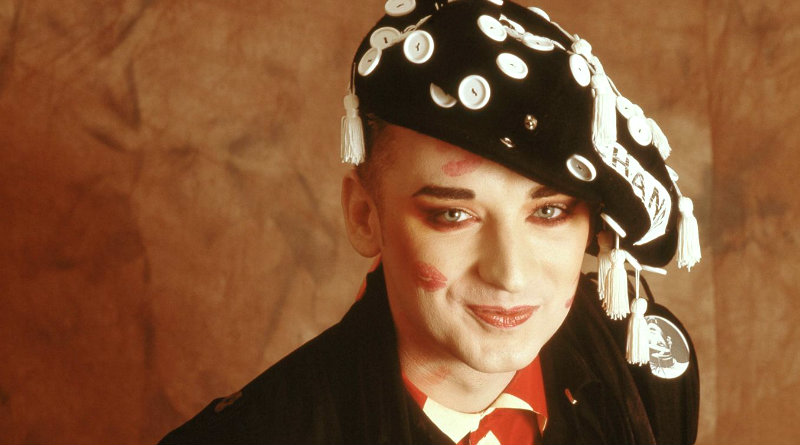
To the awards, then. The ‘Meh’ Award for all-round dullness and forgettability is up first. I found Boris Gardner’s reggae smoothy ‘I Wanna Wake Up With You’ pleasant but snoozy, while Nick Berry’s ‘Every Loser Wins’ was bland verging on terrible. Boy George did nothing particularly innovative on his ‘Everything I Own’ cover, while sounding like he’d been awake for two weeks straight. But I tend to always give this one to dull ballads. Therefore I’m changing it up and awarding it to Madonna herself, for ‘Who’s That Girl’. Had it been her only chart-topper then I’d probably have let it off the hook. Except it came hot on the heels of ‘La Isla Bonita’ and sounded near-identical – the lazy sound of a pop idol being spread too thin.
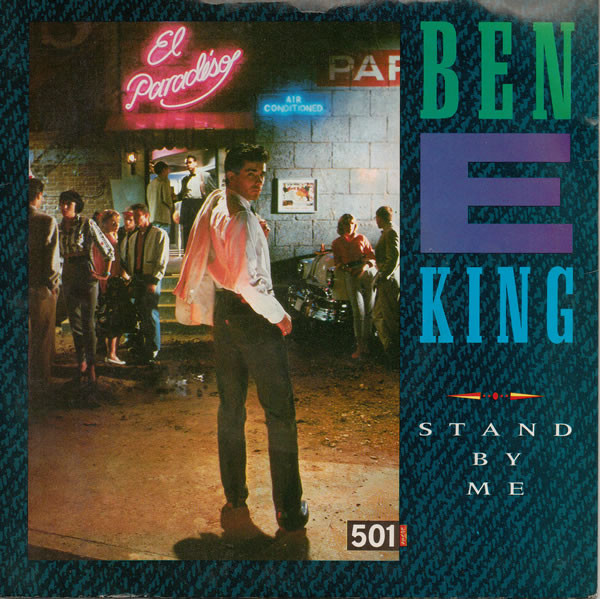
There are some middling candidates for The WTAF Award: it was weird (but fun) to suddenly have ‘Reet Petite’ popping up as a Xmas #1, swiftly followed by ‘Stand by Me’. ‘La Bamba’ too was a chart-topping single that few could have predicted. But I’m going to go with a song that sounded genuinely weird, especially on the flip-side. M/A/R/R/S’s house crossed with alt-rock double-‘A’ ‘Pump Up the Volume’ / ‘Anitina (First Time I See She Dance)’ was a truly exciting, unnerving, eyebrow-raising moment on top of the charts.
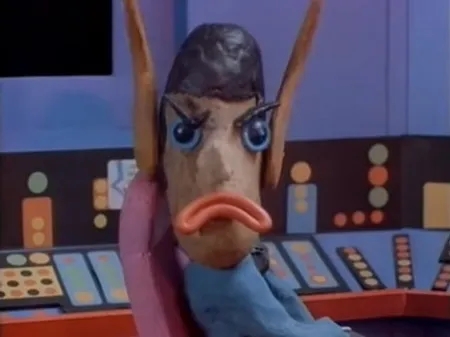
And now the biggies. The 20thVery Worst Chart-Topper. I’m not going to beat around the bush. There were two real stinkers, one of which was Chris de Burgh’s ridiculously simpering ‘Lady in Red’. But that is no competition for the truly heinous ‘Star Trekkin’’, by The Firm. I didn’t get the joke. I didn’t get the song. I’ve never seen ‘Star Trek’. I never want to think about that song again. It wins.
The Very Best Chart-Topper, then. I’d like to give a shout-out to The Communards (and Sarah Jane Morris) for their Hi-NRG take on ‘Don’t Leave Me This Way’. It’s a great tune, but it drops out of the running and leaves me with a conundrum. Pet Shop Boy’s ‘It’s a Sin’ is one of the best singles of the decade, with a resonance that goes beyond just being a brilliant pop song. In normal circumstances it would easily win. But then a bloody Levi’s advert went and threw a huge spanner in the works, sending ‘Stand by Me’ to #1 twenty-five years later than it should have done.
Do I stick with rewarding current trends and styles? Can I ignore the re-released elephant in the room? I did name Bowie’s ‘Space Oddity’ as a ‘Very Best’, but that was re-released a mere six years after its original run. Do I cheat, and make it a tie…? Or do I invent a one-off category of ‘Honorary Best Chart-Topper’, for those that would probably have won it in their own space in time? This is my baby and I make the rules, so… Yes! Pet Shop Boys are the winners, Ben E King is not ignored!
To recap the recaps, then:
The ‘Meh’ Award for Forgettability
‘Hold My Hand’, by Don Cornell.
‘It’s Almost Tomorrow’, by The Dream Weavers.
‘On the Street Where You Live’, by Vic Damone.
‘Why’, by Anthony Newley.
‘The Next Time’ / ‘Bachelor Boy’, by Cliff Richard & The Shadows.
‘Juliet’, by The Four Pennies.
‘The Carnival Is Over’, by The Seekers.
‘Silence Is Golden’, by The Tremeloes.
‘I Pretend’, by Des O’Connor.
‘Woodstock’, by Matthews’ Southern Comfort.
‘How Can I Be Sure’, by David Cassidy.
‘Annie’s Song’, by John Denver.
‘I Only Have Eyes For You’, by Art Garfunkel.
‘I Don’t Want to Talk About It’ / ‘The First Cut Is the Deepest’, by Rod Stewart.
‘Three Times a Lady’, by The Commodores.
‘What’s Another Year’, by Johnny Logan.
‘A Little Peace’, by Nicole.
‘Every Breath You Take’, by The Police.
‘I Got You Babe’, by UB40 with Chrissie Hynde.
‘Who’s That Girl’, by Madonna.
The WTAF Award for being interesting if nothing else
‘I See the Moon’, by The Stargazers.
‘Lay Down Your Arms’, by Anne Shelton.
‘Hoots Mon’, by Lord Rockingham’s XI.
‘You’re Driving Me Crazy’, by The Temperance Seven.
‘Nut Rocker’, by B. Bumble & The Stingers.
‘You’ll Never Walk Alone’, by Gerry & The Pacemakers.
‘Little Red Rooster’, by The Rolling Stones.
‘Puppet on a String’, by Sandie Shaw.
‘Fire’, by The Crazy World of Arthur Brown.
‘In the Year 2525 (Exordium and Terminus)’, by Zager & Evans.
‘Amazing Grace’, The Pipes & Drums & Military Band of the Royal Scots Dragoon Guard.
‘Kung Fu Fighting’, by Carl Douglas.
‘If’, by Telly Savalas.
‘Wuthering Heights’, by Kate Bush.
‘Hit Me With Your Rhythm Stick’, by Ian Dury & The Blockheads.
‘Shaddap You Face’, by Joe Dolce Music Theatre.
‘It’s My Party’, by Dave Stewart & Barbara Gaskin.
‘Save Your Love’ by Renée & Renato.
‘Rock Me Amadeus’, by Falco.
‘Pump Up the Volume’ / ‘Anitina (The First Time I See She Dance)’, by M/A/R/R/S
The Very Worst Chart-Toppers
‘Cara Mia’, by David Whitfield with Mantovani & His Orchestra.
‘The Man From Laramie’, by Jimmy Young.
‘Roulette’, by Russ Conway.
‘Wooden Heart’, by Elvis Presley.
‘Lovesick Blues’, by Frank Ifield.
‘Diane’, by The Bachelors.
‘The Minute You’re Gone’, by Cliff Richard.
‘Release Me’, by Engelbert Humperdinck.
‘Lily the Pink’, by The Scaffold.
‘All Kinds of Everything’, by Dana.
‘The Twelfth of Never’, by Donny Osmond.
‘The Streak’, by Ray Stevens.
‘No Charge’, by J. J. Barrie
‘Don’t Give Up On Us’, by David Soul
‘One Day at a Time’, by Lena Martell.
‘There’s No One Quite Like Grandma’, by St. Winifred’s School Choir.
‘I’ve Never Been to Me’, by Charlene.
‘Hello’, by Lionel Richie.
‘I Want to Know What Love Is’, by Foreigner.
‘Star Trekkin’’, by The Firm
The Very Best Chart-Toppers
‘Such a Night’, by Johnnie Ray.
‘Cherry Pink and Apple Blossom White’, by Perez ‘Prez’ Prado & His Orchestra.
‘Great Balls of Fire’, by Jerry Lee Lewis.
‘Cathy’s Clown’, by The Everly Brothers.
‘Telstar’, by The Tornadoes.
‘She Loves You’ by The Beatles.
‘(I Can’t Get No) Satisfaction’, by The Rolling Stones.
‘A Whiter Shade of Pale’, by Procol Harum.
‘I Heard It Through the Grapevine’, by Marvin Gaye.
‘Baby Jump’, by Mungo Jerry.
‘Metal Guru’, by T. Rex.
‘Tiger Feet’, by Mud.
‘Space Oddity’, by David Bowie.
‘I Feel Love’, by Donna Summer.
‘Heart of Glass’, by Blondie.
‘The Winner Takes It All’, by ABBA.
‘My Camera Never Lies’, by Bucks Fizz.
‘Relax’ by Frankie Goes to Hollywood.
‘You Spin Me Round (Like a Record)’, by Dead or Alive
The 600th #1! Sadly, it’s a very low-key, uneventful record with which to celebrate this milestone…
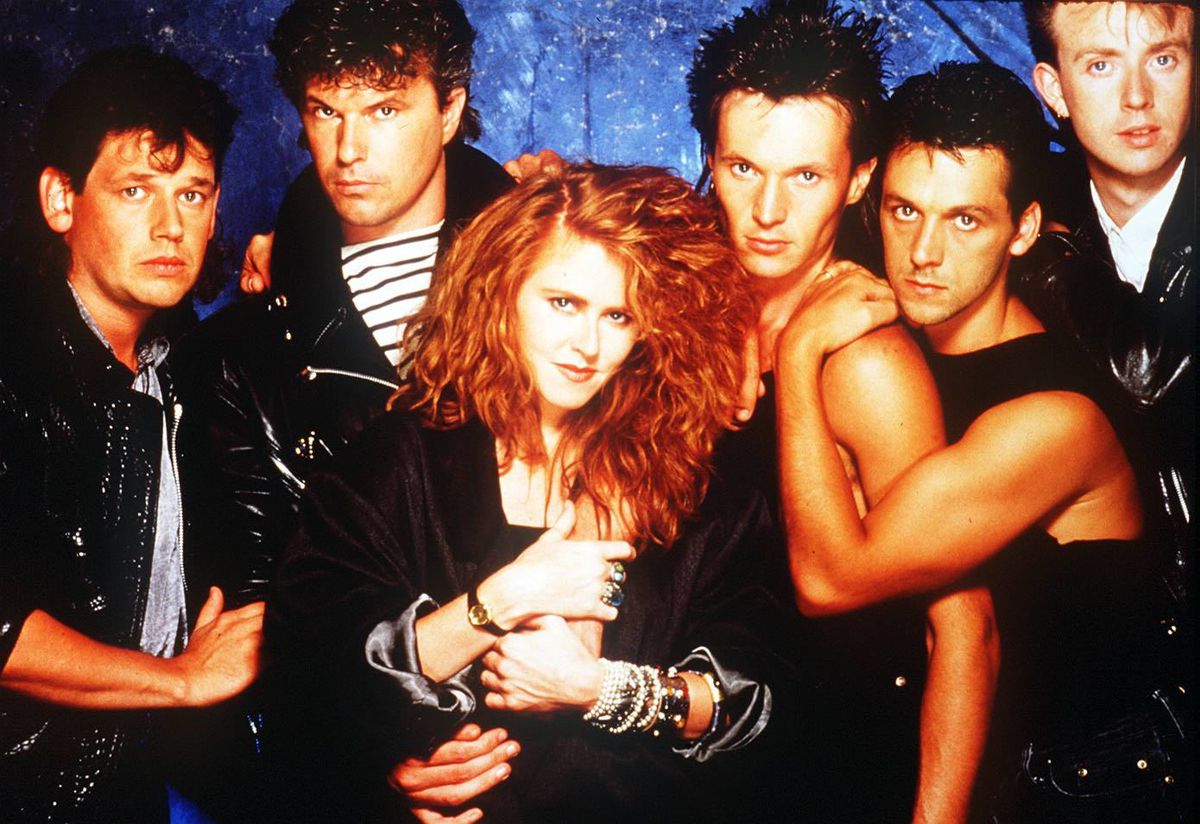
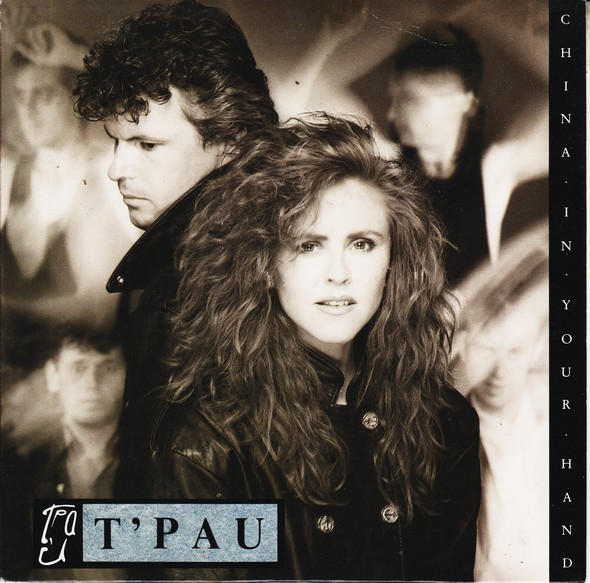
China in Your Hand, by T’Pau (their 1st and only #1)
5 weeks, from 8th November – 13th December 1987
Only joking. It’s the power ballad to end all power ballads. (I’m pretty sure I’ve written that at least three times already, ‘Total Eclipse…’, ‘The Power of Love’… Trouble is this decade keeps outdoing itself in terms of big hair, big chords and big drums.)
There are two sides to this record: the verse side and the chorus side. The verses are a bit folky, slightly new-age. Echoey synths and strings. It’s a movement that seems to be gathering pace, as The Bee Gee’s ‘You Win Again’ had a similarly Celtic air to it. And the ultimate new-age #1 is coming up next year… While the vocals are very Kate Bush. The lyrics meanwhile are at best silly, at worst pretentious: Come from greed, Never born of the seed, Took a life from a barren hand…A prophecy for a fantasy, The curse of a vivid mind… Very ‘angsty teen poetry’ (apparently it’s inspired by Mary Shelley and her novel ‘Frankenstein’). If that was it, I’d find this record quiet annoying.
But that is not it. For we have the flip-side: a storming, chest-beating beast of a chorus. Don’t push too far, Your dreams are china in your hand… Suddenly a gem of a line emerges from the nonsense, and drums pound, and guitars soar. It’s a chorus that obliterates any doubts you have about the rest of the song. You have no idea what it’s about, but it’s OK. It’s still somehow life-affirming.
And yet still that’s not it. For after just two minutes or so the song slows down and begins to fade, and you wonder if it’s ending, though surely not so soon… Then wham! In comes the saxophone. In the video, the first note is timed to match with a statue smashing in slow-motion… It’s perfection. The die is cast. The song remains turned up to eleven for a glorious ninety-seconds of slow fade.
Despite them being perhaps the defining sound of the 1980s, not that many power ballads made #1 in the UK. Glance at the Billboard charts for the same period, and it’s clear that Americans would let any old fist-clencher into top spot: Peter Cetera, Boston, Richard Marx, all clogging things up with their seriousness. While the British public seem only to let a power ballad make #1 if it is either very good – ‘The Power of Love’ – or very silly – ‘Total Eclipse of the Heart’. ‘China in Your Hand’, meanwhile, is…
I’m really not sure. It expertly straddles the line between sublime and stupid. One minute you think it’s going to fall on one side, then the other. But it’s so sure of itself, and singer Carol Decker commits herself so fully, that it drags you along with it wholeheartedly for the ride. Plus, I’d say the time of year helped. Forget Christmas Number Ones; there are also Winter Number Ones, perfect to cosy up to as the nights draw in. Songs that wouldn’t have been so successful had they been released in May.
T’Pau were from Shrewsbury (the only chart-toppers ever to come from Shrewsbury?) and ‘China in Your Hand’ was just their second release. Their name comes from that of a Vulcan elder in ‘Star Trek’, making 1987 a year in which that show really made its mark on top of the charts. (I’m not going to mention the name of the earlier Trekkie #1, lest I summon it into my head for the next three days). They would have just two other Top 10 hits, but still remain active today. Not one-hit wonders, but not a sustained chart presence either. Though they made their mark, with the power ballad to end all power ballads. Until the next one comes along, that is…
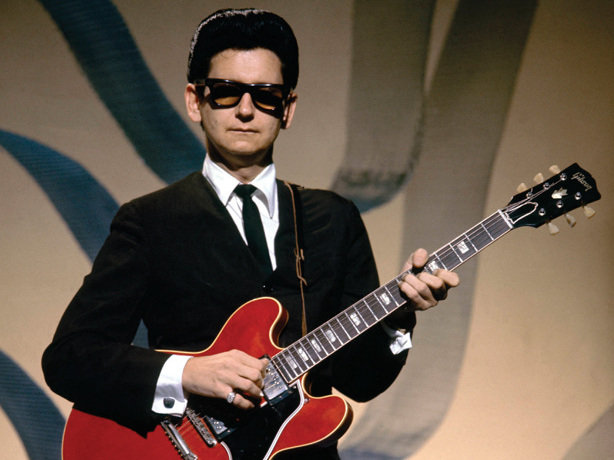
December 6th marks the 34th anniversary of Roy Orbison’s death, at the tragically young age of fifty-two. The ‘Big O’ stood apart from other early rock ‘n’ rollers, with his sombre stage persona, his vulnerable, melancholy songs, and his semi-operatic voice.
After his hit-making days ended in the mid-to-late sixties, a decade in the wilderness beckoned. Personal tragedies also unfolded – the deaths of his wife and his two eldest sons in a car crash and house fire respectively. The eighties saw a rediscovery of his work, with hit covers of his songs by Don McClean and Van Halen, and the formation of The Traveling Wilburys supergroup in 1988, alongside Bob Dylan, Jeff Lynne, George Harrison and Tom Petty. On the cusp of a triumphant comeback, Orbison died from a heart attack on December 6th 1988.
I’ve already written about his three chart-toppers (‘Only the Lonely’, ‘It’s Over’ and ‘Oh, Pretty Woman’) – classics the lot of them – and so to mark this day I’ll cover his five next-biggest UK hits…
‘In Dreams’ – #6 in 1963
A candy-coloured clown they call the Sandman, Tiptoes to my room every night… Only Roy Orbison could give a lyric so ridiculous-and-yet-terrifying the weight that it deserves. He dreams of his ex-lover then wakes, bathed in sweat, and alone. (Of course he’s alone – it’s a Roy Orbison song.) It’s got the same build-up as one of The Big ‘O’s very best songs, ‘Running Scared’, which barely scraped into the Top 10. ‘In Dreams’ is not quite as good, but builds to a fine crescendo. Roy, as was his way, hits a note that most humans are incapable of imagining, let along singing. ‘In Dreams’ was used to famous effect in David Lynch’s ‘Blue Velvet’, a move that initially shocked Orbison but one that he came to accept after seeing the film several times (and perhaps, if we’re being cynical, seeing the publicity it brought his music…)
‘Too Soon to Know’ – #3 in 1966
A country cover that, I must admit, I’d never heard before. And yet it’s one of his biggest UK hits. It must have sounded quite unfashionable in the swinging charts of 1966 and yet… When was Roy Orbison ever truly in fashion? Or out of fashion, for that matter? He ploughed his own, spectacular furrow. It’s sweet, but lacking the oomph of Roy’s biggest and best hits.
‘Blue Bayou’ – #3 in 1963
Another bit of country-pop, with a cool bassline. And with Orbison’s angelic tones in the chorus, this is no normal country tune. No matter what genre he turned his hand to – country, pop, rock ‘n’ roll – he couldn’t help doing it a bit different. As a kid, I had no idea what a bayou was, but always thought it sounded nice: where you sleep all day, and the catfish play… I’m still not one-hundred percent certain what a bayou is, but I’d definitely like to hang out there…
‘You Got It’ – #3 in 1989
The comeback hit that never was. Well, it was a hit – one of his biggest – but Roy wasn’t around to enjoy his return to the top end of the charts. And ‘You Got It’ is almost the perfect comeback – a slight updating of Orbison’s sound, with some help from Jeff Lynne, but still a record that could easily slip in amongst his classics from the early sixties. The video above was filmed just a few weeks before his untimely death. It feels churlish to wonder if it would have been such a big hit had he not died… Maybe it would, as it’s a great song.
‘Dream Baby (How Long Must I Dream)’ – #2 in 1962
Interesting that this rockabilly ditty is Roy Orbison’s biggest non-#1. It’s nice enough: a repetitive refrain that turns into a sort of mantra as the song progresses, and it builds to a crescendo as all the best Orbison songs do. But it’s not an all time classic. Not a ‘Crying’, a ‘Running Scared’ or a ‘Blue Angel’ (my personal favourite). The video above is worth a look if not for the song then for the spectacularly uninterested audience. What did he say just before launching into the song…?
Roy Orbison, then. One of the most original chart stars going, with one of the very best voices.
They’re back. Again! One of the most resilient pop groups in history returns for a final hurrah on top of the charts…
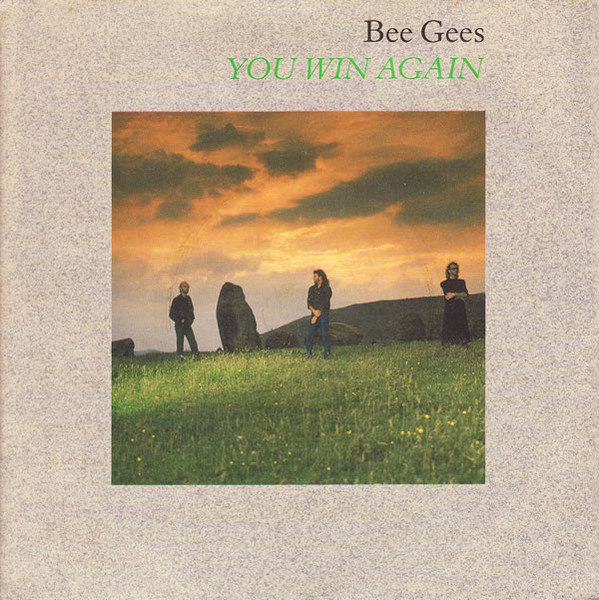
You Win Again, by The Bee Gees (their 5th and final #1)
4 weeks, from 11th October – 8th November 1987
I’m not sure quite how many reinventions The Bee Gees went through in total. But in chart-topping terms, this is Bee Gees MK III. Folk-tinged pop in the ‘60s, disco behemoths in the ‘70s, now a middle-aged, man-band. (In the video, they’re all sculpted beards, lounge bar jackets and, er, a beret.) But while ‘middle of the road’ is usually thrown about in an insulting way, I’d say this is one of the best examples of the genre.
In fact, I’d say this is my favourite of their five #1s. I love the clanking, industrial intro. I love the deeper timbre of Barry Gibb’s voice, compared to their famous disco falsettos. (It does re-appear, almost, in the second verse.) And then, by the chorus, an initially dark and melancholy number has turned into an Irish jig of a tune. But it’s all still very recognisably Bee Gees – their sound is so flexible and, while they haven’t always been fashionable, they’re one of the best pop song-writing teams ever.
Certain moments are a little too glossy for my tastes. It is still 1987, after all. The high synth notes are catchy, if of their time, and the electronic horns in the solo are a cheesy touch too far. There is also an unintentionally (or not?) filthy line in the second verse, as Barry describes how he’s going to win back his woman: Gonna hit you from all sides, Lay your fortress open wide…
‘You Win Again’ was a huge comeback for the Bee Gees. It was their first Top 40 hit since 1979, and it made them the first group to score #1s in three different decades. (Elvis, Cliff and Paul McCartney having already got there as soloists.) It was also a huge hit across Europe, but in the US ‘disco-sucks’ seemed to have stuck to them, as it got no higher than #75. Though we should mention that they were so heavily involved in Diana Ross’s own big comeback smash, ‘Chain Reaction’, as writers and backing singers, that they should probably have been given a ‘featuring’ credit.
Anyway, ‘You Win Again’ set them up as MOR superstars, and they’d score intermittent Top 10 hits throughout the nineties, including ‘For Whom the Bell Tolls’ (which for a long time I thought must be a Metallica cover…) and the brilliant ‘Alone’ in 1997, which was on the very first NOW album I owned. (‘Now 36’… I think. Or ‘35’… Or maybe ‘37’. Memory ain’t what it used to be…) In 2003, Maurice Gibb died unexpectedly, and the remaining two brothers retired the Bee Gees name out of respect. In 2012, Robin died from cancer, while Barry still performs the band’s music in his solo tours.
Right at the start of this year (and by ‘this year’ I mean 1987, not the actual year in which you are reading this) we had our first ever house #1: Steve ‘Silk’ Hurley’s ‘Jack Your Body’. That was Chicago house, and here we now have Britain’s answer…
Pump Up the Volume / Anitina (The First Time I See She Dance), by M/A/R/R/S (their 1st and only #1)
2 weeks, from 27th September – 11th October 1987
I’m pretty sure everybody’s heard the classic title line: Pump up the volume… Dance! Dance! The adjacent, ominous piano note is iconic, too. Problem is, that line and the piano note add up to about five seconds of music. The rest of the song – four minutes in its shortest edit; a good seven minutes on the 12” – suffers from the same gimmicky feel as ‘Jack Your Body’.
But whereas ‘Jack…’ was just repetitive, ‘Pump Up the Volume’ suffers from an everything but the kitchen sink, ‘what does this button do?’ approach. It makes for an interesting, if rarely very enjoyable listen. It’s a mix of distorted guitars, whale noises, your neighbours letting off fireworks in their back garden, and someone shouting Brothers and sisters, Pum-pump it up! ‘Less is more’ was clearly not the M/A/R/R/S motto.
I like the funky, more hip-hop leaning break that pops up a couple of times, in which all the effects are discarded. It’s the only part of the record that makes me want to Dance! Dance! and it doesn’t last long enough. I also like the ‘Indian’ sounding section. But, at the risk of sounding like my late grandmother, a lot of the song is just noise.
There isn’t an original note in it, either. This was a watershed moment for sampling in popular music. In its various edits and mixes, a grand total of twenty-nine different samples feature on the record, from acts such as Public Enemy, Run DMC, James Brown and Stock Aitken Waterman (who took legal action). Some of these samples amount to nothing more than a ‘Hey’ or a couple of musical notes. Anyone opposed to sampling on the grounds of musical puritanism should probably stop and consider that it would likely have been easier to write a completely original song than to stitch all these parts into something even vaguely listenable.
And that isn’t all. It’s been a while since we had a double-‘A’ single on top of the charts: well over five years. While ‘Pump Up the Volume’ is a ground-breaking record, it’s still a pop song at heart, that sits comfortably on top of the chart. The flip-side, ‘Anitina (The First Time I See She Dance)’ is a completely different beast. This has no business being at #1…
It’s abstract, arty, and avant-garde. It’s grungy and acidic. Trippy, distorted vocals with yet more samples reverberating around them, and everything absolutely dripping in harsh feedback. It’s not an easy listen, and it’s definitely not anything you’ll be dancing to – the title is misleading in the extreme. But I like it more than its gimmicky twin. It’s harsh and uncompromising, and potentially the most uncommercial track ever to make the top.
I say ‘potentially’, for I’m not sure how much airplay ‘Anitina’ got at the time. I’m guessing next to none. But it’s there, listed in the records, and from it you can pretty much trace a straight line to the Prodigy and the Chemical Brothers a decade hence. And these were the only two songs that M/A/R/R/S ever released. They were a supergroup of sorts, composed of an electronic act called Colourbox and an alternative rock band called A.R. Kane, brought together in an uncomfortable arranged marriage by their label manager. Colourbox added the dancier elements to A.R. Kane’s ‘Anitina’, while A.R. Kane added the wailing guitars to ‘Pump Up the Volume’. Neither particularly liked the other’s song and they refused to work together again. And so M/A/R/R/S are one-hit wonders in the purest sense.
At least one half of this record lives on, though. ‘Pump Up the Volume’, and its nods towards hip-hop and the beginnings of acid house make it as central to the late-eighties as Madonna and the SAW stable of hitmakers. While up next, following on from this most modern of chart-toppers, come a group who have been popping up on this blog for quite a while now…








 The UK Number Ones Blog