Random Runners-Up: ‘Man of the World’, by Fleetwood Mac

Random runners-up is back! Following on from my latest recap, let’s take a break from analysing all those chart-toppers, and lavish some attention on those records that fell at the final hurdle: #2.

These records are genuinely chosen at random (thank you random.org), and this time the generator has kindly thrown up a chart-topper from each of the five decades we’ve covered so far. We’ll be going back as far as 1955, and as close to this blog’s ‘present day’ as 1996. But first up, it’s the sixties.

The generator has also thrown up three acts who we’ve already met in pole position. Fleetwood Mac had scored their only UK number one in January 1969, with the atmospheric instrumental ‘Albatross’.
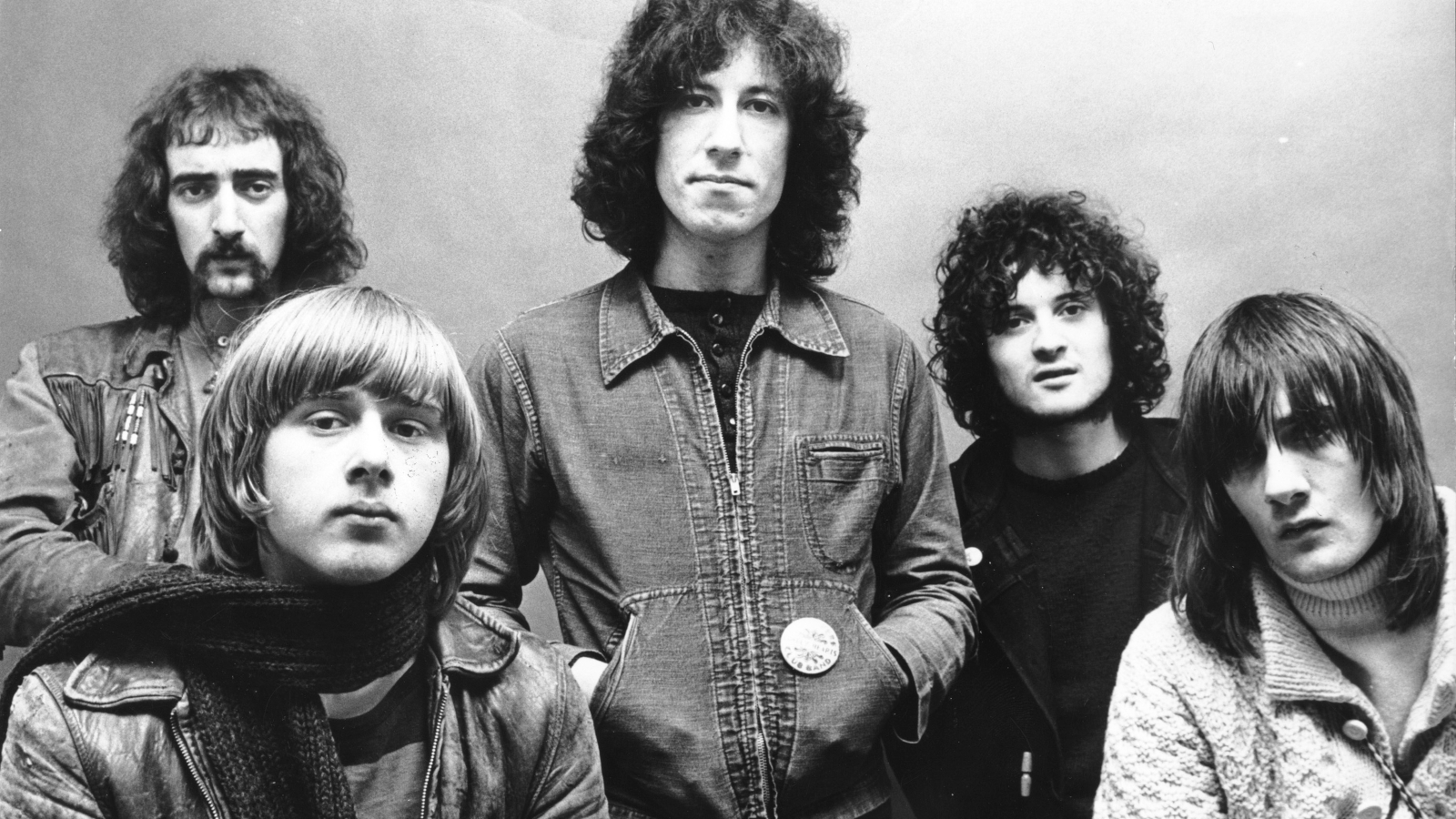
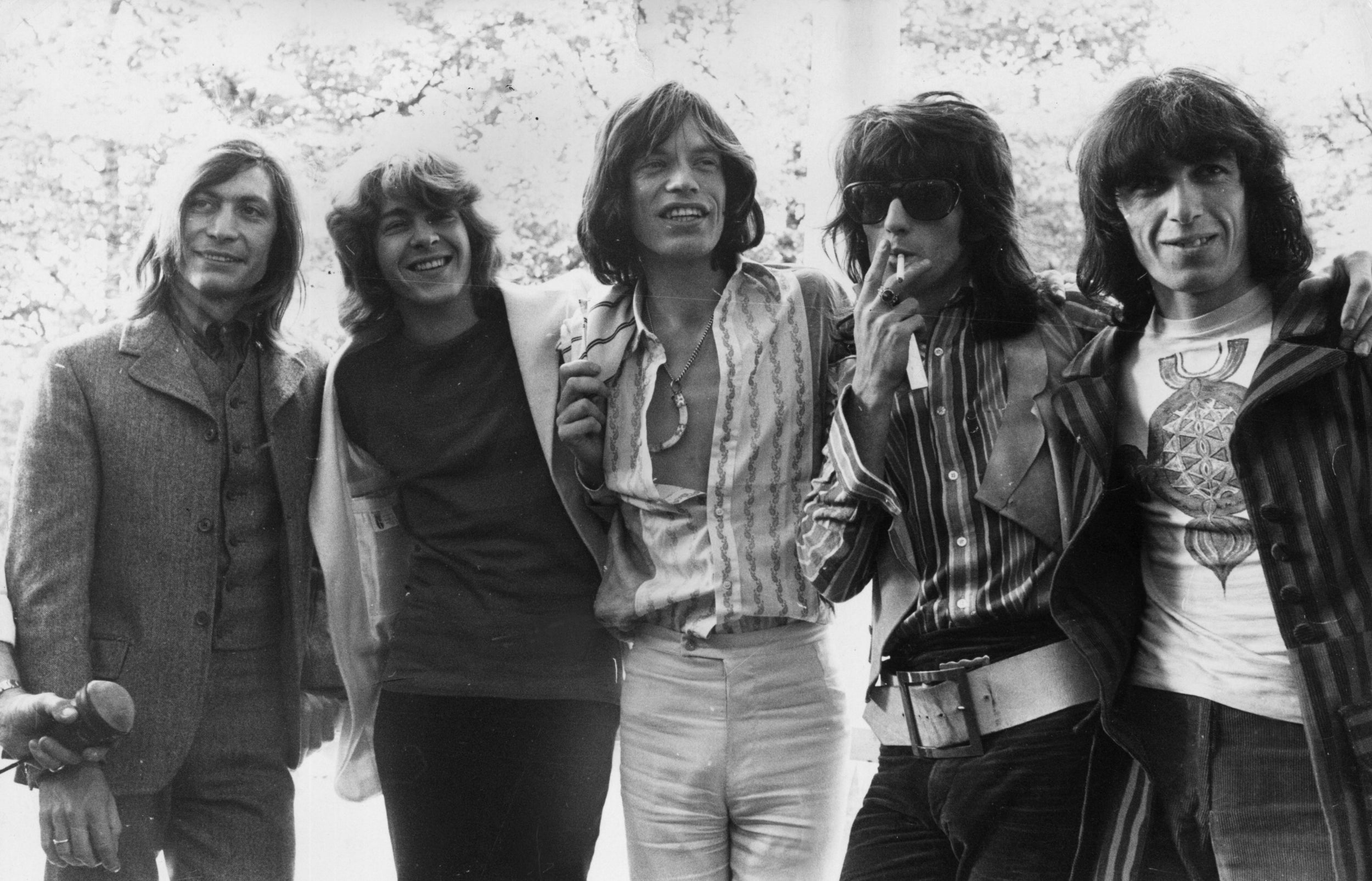
‘Man of the World’, by Fleetwood Mac

#2 for 1 week, from 28th May – 4th June 1969 (behind ‘Get Back’)

They followed that up with a couple of #2s, the first of which was ‘Man of the World’. It starts off as a simple acoustic number, with some echoey guitar flourishes, and some nice echoes back to ‘Albatross’ in the cymbal crashes and the rhythmic bass. Peter Green, then the band’s main singer and songwriter, mournfully drawls: I could tell you about my life, They say I’m a man of the world… There’s no one I’d rather be… Before howling: But I just wish I’d never been born…

Legend has it that it was these lyrics that first alerted his bandmates to the fact that Green might not have been mentally okay. Just a year later he left the band. It’s a well-worn topic, how fame and fortune don’t always lead to health and happiness, but seldom has it been spelled out as beautifully as on ‘Man of the World’. After a wonderful bluesy middle-eight about how a ‘good woman’ might help, it ends with a murmured And I wish I was in love…

When I was very young, I had a ‘Best of the Sixties’ cassette compilation. It was cheap, so it didn’t have the huge hits on it; but it had this. And so I knew ‘Man of the World’ long before I’d ever heard ‘Don’t Stop’, or ‘Little Lies’. Which is perhaps fitting, because it is this original incarnation of Fleetwood Mac that had the most UK singles chart success: a chart-topper, and two number twos. They would have to wait almost two decades for their next biggest hit: a #4 for ‘Everywhere’ in 1987.

By then, of course, and for most of their huge seventies successes, Mick Fleetwood and John McVie – whose surnames were combined to create the band’s name – were the two remaining original members. Peter Green meanwhile, struggled with his mental health throughout the seventies and eighties, but was sporadically involved in the music business, and with the other members of Fleetwood Mac. He joined the band for its induction into the Rock and Roll Hall of Fame in 1998, and died in 2020.

Tomorrow we have a seventies #2…
Cover Versions of #1s – ‘I Don’t Want to Talk About It’ / ‘The First Cut Is the Deepest’

We finish Cover Versions week with a two-for-the-price-of-one deal. Rod Stewart scored his 4th number one in 1977 with two covers of acoustic classics – ‘I Don’t Want to Talk About It’ and ‘The First Cut Is the Deepest’. I was a bit hard on it when recapping (I gave it a ‘Meh’ Award), and by far the most memorable thing about the record is that it kept the Sex Pistols’ ‘God Save the Queen’ off the top… fairly or otherwise.

But really, both songs are quite lovely. If either had topped the charts on their own, it would have been fine. Both together, with Rod dragging the arse out of them, and I got a bit bored. Luckily for us, there are plenty of other versions of both songs for us to get our teeth into.

Both songs existed before Rod got his hands on them. ‘I Don’t Want to Talk About It’ was recorded by US band Crazy Horse, for their first album after Neil Young had left them to form Crosby, Stills, Nash & Young. Stewart didn’t stray very far from this when recording his own hit version. It’s very early-seventies country-rock, and hides a tragic backstory in the fact that the writer (and singer of this original) Danny Whitten would die of a drug overdose barely a year after it was recorded.

For something a bit different, we’d have to wait until 1988, when Everything But the Girl made #3 with their own version. In truth, it’s more the band performing it that makes this one stand out, as it’s a similarly heartfelt, acoustic take, albeit it with a few more strings. This was the duo’s only Top 10 hit between their debut in 1982, and their now signature song ‘Missing’ in 1995.

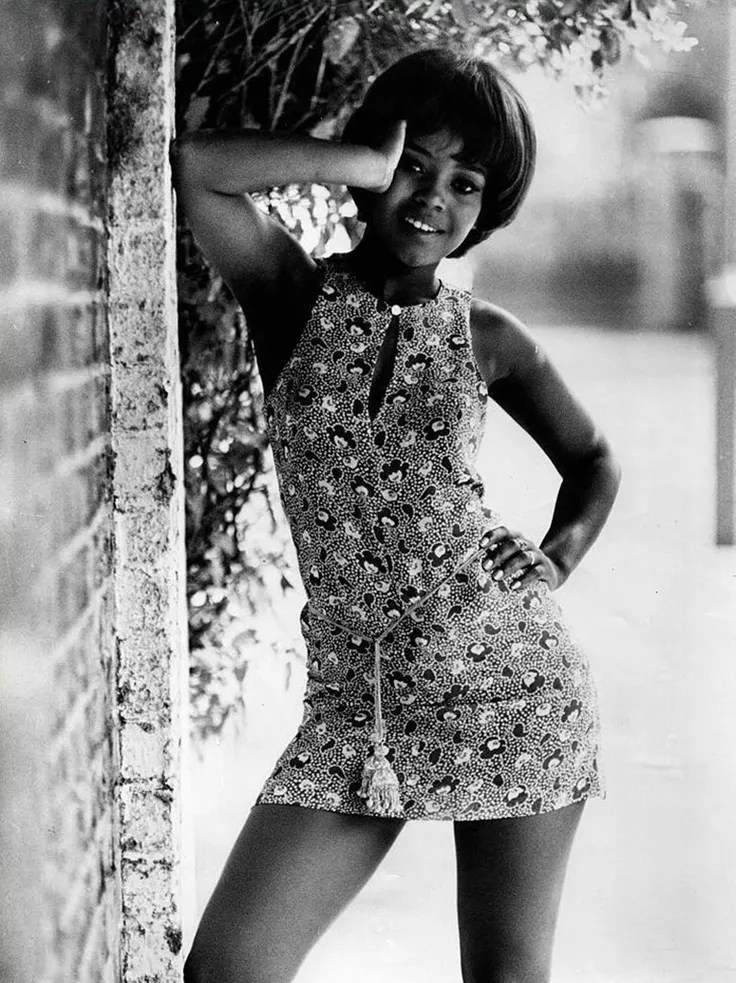
‘The First Cut Is the Deepest’ dates back further than ‘I Don’t Want…’, as it was written by Cat Stevens in 1965. Stevens sold the song for thirty pounds to US soul singer P.P. Arnold, who was the first to have a hit with it in 1967. Her version has an interesting production: part-Motown, part-sixties beat band, part-soul stomper… Sonically it’s more enjoyable, for me, than any of the more straightforward, guitar-led versions.

Cat Stevens would eventually record his own version as an album track, while it was a Canadian number one in 1973 in a particularly strident version by Keith Hampshire. Then thirty years later, Sheryl Crow brought the song back to the charts with a fairly predictable cover, put out as the ‘new’ single on a Best Of album. By far the most unusual cover of ‘The First Cut Is the Deepest’, though, came in 1995 from Swedish rapper Papa Dee. It’s a classic slice of mid-nineties reggae-pop, complete with an Ace of Base beat and a ragga break in the middle. I’m suprised it wasn’t a hit in the UK, given how many reggae interludes we’ve enjoyed in recent months. Still, it was popular across Europe, especially in Scandivania, where it went Top 10 in Sweden, Denmark, and Norway.

I hope you’ve enjoyed ‘Cover Versions’ week, and have perhaps heard a version of a well-known hit that was new to you. I know I did! This weekend we’ll get back to more familiar songs, and artists, starting with possibly the most anticipated single of the 1990s.

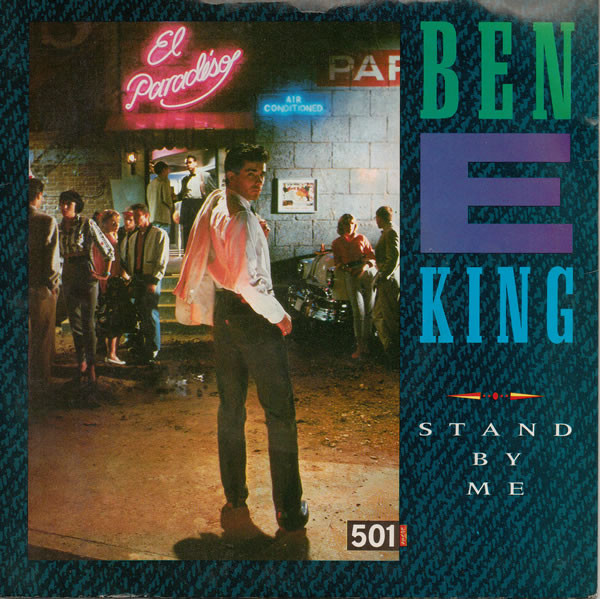
585. ‘Stand by Me’, by Ben E. King

From a sixties legend, to a legendary song from the sixties. Who’d have imagined, as we ticked over from 1986 to ’87, that three of the past four #1s would have featured Jackie Wilson, Aretha Franklin, and now Ben E. King…?

Stand by Me, by Ben E. King (his 1st and only #1)

3 weeks, from 15th February – 8th March 1987

Let’s be quite honest, the world doesn’t need to know what I think of ‘Stand By Me’. It doesn’t need me to prattle on about the instantly recognisable bass line, and the passion in King’s voice; about the soaring strings and the gospel influence. What more can you say about it…? It’s a good song. Very good. Amazing. One of the best ever. It’s simple – a basic chord progression, accessible lyrics, fairly limited production – yet it proves the notion that writing a good simple song must be fiendishly difficult.

I usually roll the eyes when someone claims of a song that ‘they don’t make ‘em like that anymore’, but when it comes to ‘Stand by Me’ then it’s hard to argue. It was written by King, alongside Lieber and Stoller, and was based on a spiritual song, which in turn had been based on Psalm 46: “will not we fear, though the Earth be removed, and though the mountains be carried into the midst of the sea”.

There ends today’s sermon, go forth and prosper (you can perhaps tell I’m not a regular at church…) So, ‘Stand by Me’ is technically a religious song, but whereas other holy #1s have preached – I’m looking at you, Lena Martell and Charlene – Ben E. King’s is a humble profession of faith, as long as someone, be it God or his lover, stands with him. Just a few chart-toppers ago, The Housemartins were being similarly low-key religious, and scoring an equally palatable hit.

When originally released, in 1961, ‘Stand by Me’ made a lowly #27 in the British charts. (Number one that week was ‘Well I Ask You’ by Eden Kane – perfectly pleasant, but somewhat lacking in ‘classic’ status.) Ben E. King wasn’t very well served in the UK: this being his only Top 20, though he did make #2 with The Drifters. And I’d always assumed that ‘Stand by Me’ was a 1987 hit thanks to the Rob Reiner movie – another classic. A tie-in video was made, featuring a young Ben E. King morphing into an older Ben E. King, who is then joined on stage by River Phoenix and Wil Wheaton (a sight which takes on a very bittersweet edge knowing the fate that would befall Phoenix just a few years later).

But it turns out that ‘Stand by Me’ was actually given a final push to the top of the charts by an advert for Levi’s jeans, which takes the wholesome gloss off it slightly. Filthy lucre was ultimately behind this beautiful song claiming its rightful chart position. Still, it feels only right that a song of its stature made #1, and it’s interesting to see how generation-defining classics that missed out first time around – ‘Space Oddity’, ‘Imagine’, this – seem to eventually find a way to the top. Class will shine through in the end…

Advertisements

Random Runners-up: ‘Gimme Some Loving’, by The Spencer Davis Group

I’ll be trying out a new feature this week – drumroll please – Random Runners-up! Yes, a moment in the sun for the singles that didn’t quite make it to the top. These aren’t particularly long-running, or unlucky #2 singles. They may not even be particularly good… They all simply peaked in the runners-up position.

I used random.org (the website you never knew you’d need) to generate five random dates from between the start of the UK singles chart in November 1952, through to our most recent chart-topper in September 1973. I then checked what record was sitting at #2 that week and, as long as it wasn’t a record that had been at, or was heading to, the top of the charts, I chose it.

First up…

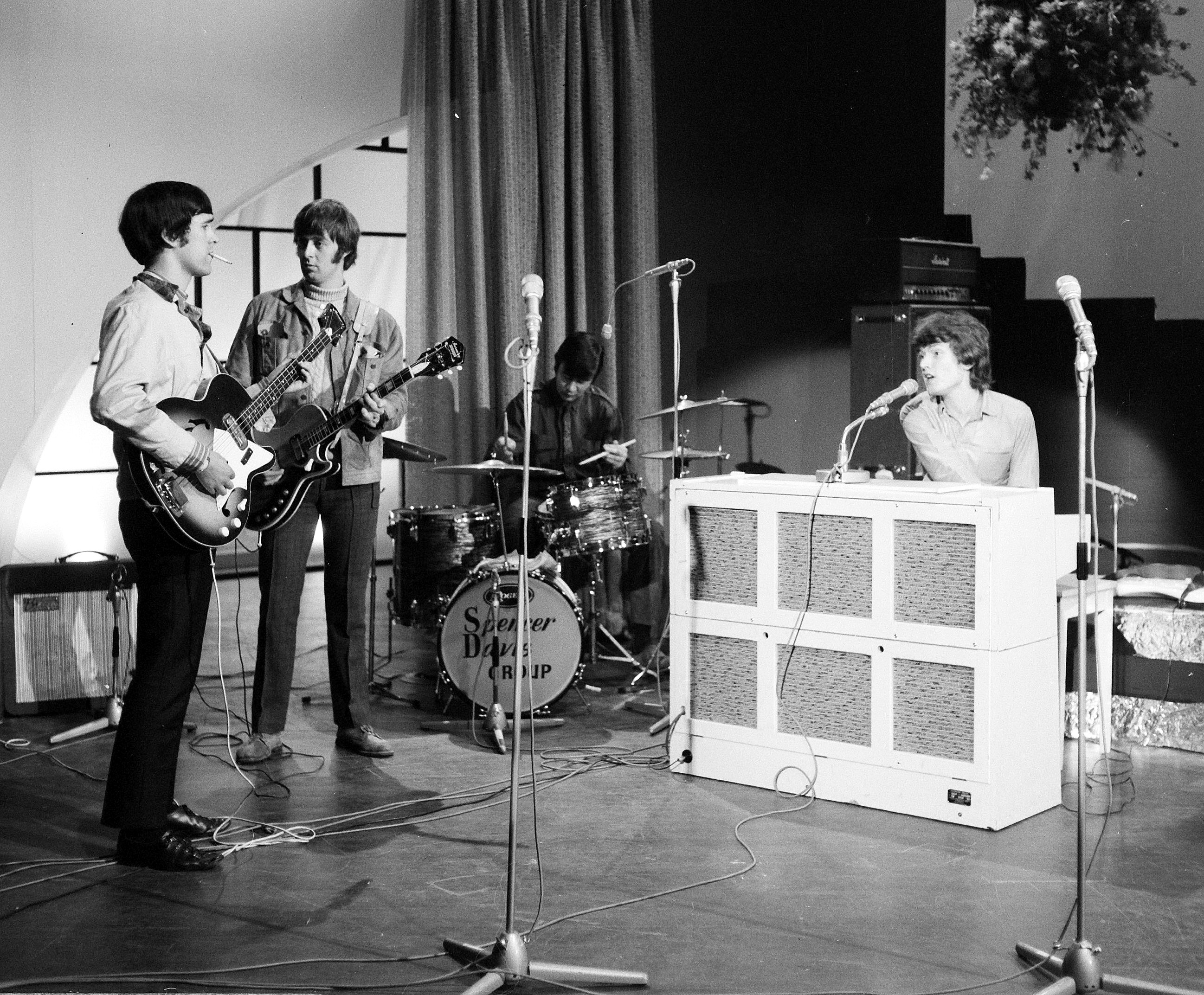
‘Gimme Some Loving’, by The Spencer Davis Group

#2 for 1 week, behind ‘Good Vibrations‘, from 24th Nov. – 1st Dec. 1966

Hey! Not a bad way to kick things off! Listen to that organ blast out like a train that’s just spotted the bridge up ahead has collapsed. Hey! The Spencer Davis’s had had two #1s in 1966 – ‘Keep On Running‘ and ‘Somebody Help Me‘ – but for my money this is the best of the three. Hey!

Well, my temperature’s rising’, Got my feet on the floor… Crazy people knocking cos they want some more… Steve Winwood’s having a party, and everybody wants in. This is a song that hums, throbs, positively trembles with energy. It’s a song for Friday night, for casting off the cares of the week and shaking your ass.

I would have bet good, good money on this being a Motown cover… But no. It was written by the boys in the band – Steve, his brother Muff, and, of course, Spencer Davis. Which makes ‘Gimme Some Loving’ surely one of – if not the – finest example of sixties blue-eyed soul around. (Dusty excepted… Obvs.) It would go on to have a second-wind following its inclusion in The Blues Brothers movie some fifteen years later.

I won’t write as much about these songs as A) I don’t have time and B) they weren’t #1s. Still, this song doesn’t need much analysing. Just get up and start shaking something. It should have been a chart-topper, surely it should, but when the record that holds you off the top is ‘Good Vibrations’ then you probably have to say ‘fair enough’.

Another #2 will be along, same time tomorrow…

274. ‘Honky Tonk Women’, by The Rolling Stones

A few weeks after bidding The Beatles farewell, we’ve now reached the end of The Rolling Stones’ chart-topping career.

rollingstoneshydeparkextra1969a-5

Honky Tonk Women, by The Rolling Stones (their 8th and final #1)

5 weeks, from 23rd July – 24th August 1969

But, while The Fab Four bowed out with a not-very-Beatles-sounding #1, The Stones wrap things up by doing what they do best – some low-down, dirty rhythm and blues. It starts with a cow-bell, Charlie’s drums, some filthy guitar licks, and Mick’s drawl: I met a gin-soaked bar-room queen in Memphis… (was there ever a more Stonesy opening line than that?) She tried to take me upstairs for a ride…

In my post on their last #1, I wrote that ‘Jumpin’ Jack Flash’ was a new leaf for The Stones, in that they gave up on their attempts at flower-power and psychedelica, and returned to straight-up rock ‘n’ roll. ‘Honky Tonk Women’, then, is a consolidation of that. It sets the template for the next fifty years of the band, through the twin glories of ‘Sticky Fingers’ and ‘Exile on Main St’, through to them becoming the biggest stadium fillers the world has ever seen.

It’s also, basically, Mick Jagger listing women that he’s shagged. The bar-room queen is followed by a divorcee in New York City, and the outrageous She blew my nose and then she blew my mind… line. Goodness. It’s the ho-o-o-onky tonk women, Gimme, gimme, gimme the honky tonk blues… It’s always easy to forget that Mick and Keith were from Dartford, Kent and not Tennessee or Alabama, such is the Americana that fills some of their biggest hits.

There is an elephant in the room, though. This is the first Stones’ single not to feature founding member Brian Jones, whose slow and acrimonious departure from the band had been confirmed earlier in the year. He was found dead in his swimming pool just three weeks before ‘Honky Tonk Women’ hit #1. A blues purist; we can but wonder if this song would have sounded different with him playing on it.

R-387942-1492417780-3326.jpeg

Who knows? As it stands we get a sax solo, and a punch the air Woooo! at the very end. It must have been a fun song to write, to record, and to perform every night for the past half-century. I love it. A pure, unadulterated blast of rock ‘n’ roll. You can hear the seventies hits-to-come buried in it – the likes of ‘Brown Sugar’, ‘Tumbling Dice’, ‘It’s Only Rock ‘n’ Roll’ and the like, right through to ‘Start Me Up’. Unfortunately, none of those records will reach top spot in the UK. The Rolling Stones bow out on eight.

Impressively, their final chart-topper gave them their longest run at number one. Quite unusual, that. Though the particularly eagle-eyed among you will notice that 23rd July to 24th August isn’t quite the five-weeks advertised. This is due to the chart publication dates, and collation methods, changing in the midst of ‘Honky Tonk Women’s’ run.

Farewell to The Rolling Stones, then. Without them and The Beatles around to hit #1 every few weeks it leaves a lot of room for some new guys to come along and dominate. The Stones would slowly fade into obscurity as their chart-topping days receded into the distance… Only joking! They remain a going concern – give or take a few changes in line-up – well into their seventies, while Keith Richards’ continued existence remains one of life’s great mysteries… Their most recent album ‘Blue and Lonesome’, even hit #1 in the UK in 2016.

I’ll maybe do a Stones Top 10 soon, covering all their UK singles, but just for fun here’s my ranking of their eight British chart-toppers – based completely on personal preference – from ‘worst’ to best. *Clears throat*:

‘Little Red Rooster’ > ‘It’s All Over Now’ > ‘The Last Time’ > ‘Paint It, Black’ > ‘Jumpin’ Jack Flash’‘Honky Tonk Women’ > ‘Get Off Of My Cloud’ > ‘(I Can’t Get No) Satisfaction’

Let me know if you agree, or not.

Listen to every number one, including all eight from The Stones, here:

264. ‘Albatross’, by Fleetwood Mac

One question springs immediately to mind upon listening to our next #1: This is Fleetwood Mac? The Fleetwood Mac? The ‘Don’t Stop’, ‘Go Your Own Way’, ‘Little Lies’… Fleetwood Mac? Well yes, yes, and yes.

R-14619902-1578317634-8874.jpeg

Albatross, by Fleetwood Mac (their 1st and only #1)

1 week, from 29th January – 5th February 1969

And that’s not the only strange thing about this record. In fact, pretty much everything about this record is strange. It is one of the least ‘number one’ sounding number one records ever. It’s a musical interlude, the background soundtrack to an advert for roast lamb, the music played in a wellness spa… It’s ‘Chillout – Vol I’, three decades early.

That’s not to say it’s bad. I like it. It’s not the sort of thing I usually like; but I do. It’s a song called ‘Albatross’, which sounds exactly like an albatross soaring over the ocean. The insistent, see-saw bass is the bird’s wings, the guitar its call, and the cymbals the waves crashing below… As an instrumental it works. It doesn’t need lyrics. Lyrics might, and I’m going to contradict everything I’ve ever written about instrumental records here… Lyrics might have ruined it.

Placing this in context, in the late sixties, it is definitely the sort of record that you’d slip on before lighting up your bong and settling down to stare at a magic-eye picture. So, in some ways it’s a random January chart-topper; in other ways it makes complete sense for it to have hit #1 when it did.

$_12

What makes less sense is that this record will be Fleetwood Mac’s sole UK #1 single. One of the biggest bands of the seventies and eighties scored their one week at the top in 1969. In truth, they enjoyed far more singles chart success in the States than in their homeland. 1969 was actually their best year in the UK – one number one and a couple of number twos. Their huge hits from ‘Rumours’: ‘Dreams’, ‘Don’t Stop’ and ‘Go Your Own Way’ were huge hits only in America. Over the Atlantic none of them broke the Top 20.

Having said that, this Fleetwood Mac are a very different Fleetwood Mac to the one that everyone thinks of. Christine McVie would join in the early seventies, Stevie Nicks and Lindsay Buckingham in the middle of that decade. Only Mick Fleetwood and John McVie were around for ‘Albatross’, when they were a much blues-ier band.

In my mind, Fleetwood Mac will be forever linked with The Moody Blues, for the simple reason that my parents would play them – a lot – during long car journeys, and my heart would always sink when the tape came out. The Beatles, The Stones, The Eagles or ABBA? No problem. Simon and Garfunkel? Tolerable. The Moody Blues or Fleetwood Mac? Time to get my Walkman out. I’ve grown to like the Mac in old age more than I have The Moody Blues. But still, when I hear the synth intro to ‘Little Lies’ I instinctively shudder. Perhaps if the ‘Greatest Hits’ my parents owned had included their sixties hits, and their one and only chart-topper, I might have been won over much earlier…

247. ‘Lady Madonna’, by The Beatles

Ah, the Beatles. Bringing some sense and stability to the top of the UK singles charts, after a few months of wackiness. But actually, even this, a famous hit record from the most famous band in the world, stands out. It’s nowhere as weird as we’ve heard this year, but it’s still different…

original

Lady Madonna, by The Beatles (their 14th of seventeen #1s)

2 weeks, from 27th March – 10th April 1968

For a start, ‘Lady Madonna’ is a piano driven song, which is pretty rare for a Beatles’ single. It’s well-known as a tribute to Fats Domino, which means it’s already the second 1968 #1 to reference the famous pianist, after Georgie Fame’s ‘Ballad of Bonnie and Clyde’. Fats scored his biggest hit for a while by releasing his own version later in the year. Incidentally, I just discovered that he only ever had one (!) UK Top 10, which for a founding pillar of rock ‘n’ roll seems scandalous…

Anyway, as good as the piano riff is here, I love it when McCartney’s bass kicks, and even better when the main guitar kicks in for the second verse, growling like a pit-bull. And then comes the saxophone, another instrument that The Fab Four didn’t often use. It’s a song with a swagger and a swing to it. Anyone attempting it at karaoke would have to finish their performance with a mic toss.

In the back of my mind, I know what the song’s about. I’ve read, somewhere and sometime, just who Lady Madonna was. But before I Google and confirm, here’s my interpretation after listening to it for the first time in ages. She’s poor (Wonder how you manage to make ends meet…) with kids (Baby at your breast…), lots of kids (Wonders how you manage to feed the rest…). She’d like to escape (Lady Madonna, Lying on the bed, Listen to the music playing in your head…) but is trapped in a life of drudgery (Thursday night your stockings needed mending…)

f.jwwb.nl_public_m_a_s_temp-hvwbspxqkwxrxgiraevm_xsbo1v_lady1

It’s a kind of ‘Eleanor Rigby’ part II, and again Lennon and McCartney – though by this point they were largely writing separately, this being a Paul composition – prove themselves able to go way beyond the regular confines of pop music. ‘Madonna’ gives the woman in the song saintly connotations and – yes, I remembered correctly! – McCartney was inspired to write the song by a picture of a breastfeeding tribeswoman in a copy of National Geographic. The music here might be back-to-basics rock ‘n’ roll, but the lyrics are some of The Beatles most cutting. See how they run… What’s ‘running’? The kids? The years? The people that see this poor mother in the street…?

On a far more frivolous note, the use of ‘Madonna’ in the title also opens up a fascinating sub-genre: #1 hits that reference other chart-topping artists! Obviously, they weren’t referencing Madonna Ciccone, who was a good fifteen years away from releasing anything, but still… To be honest, I’m struggling to think of others… ‘Moves Like Jagger’ never quite made it to the top. ‘Rock Me Amadeus’, maybe, as had the charts been around in the 1700s Mozart would have done alright… In ‘Return of the Mack’ Mark Morrison was singing about himself… Let me know if you can think of any other. It’s fascinating, but completely pointless. Anyway.

Anyway, anyway, anyway… All of a sudden, we are approaching the end of The Beatles’ chart-topping careers. This was their fourteenth #1, and there are only three more to go! Luckily, two of them are stone-cold classics. The other is, well… We’ll cross that bridge when we come to it.

223. ‘All or Nothing’, by The Small Faces

1966 has been a pretty cool year in terms of its chart-toppers. Nancy’s boots, The Walker Brothers, the cynical Stones and Dusty finally making it… Plus a lot of soul: The Spencer Davis Group, Georgie Fame and, most enjoyably of all, Chris Farlowe. To that list you can now add The Small Faces.

SmallFaces1966

All or Nothing, by The Small Faces (their 1st and only #1)

1 week, from 15th – 22nd September 1966

This is another cool record, and it’s cool from the very start – from the fade-in drum roll. We’ve not had one of those before at the top of the charts. Then a trippy riff, and a wistful voice: I thought you’d listen, To my reasoning, But now I see, You don’t hear a thing… Intelligent lyrics, and I do love the bravado required to rhyme ‘reasoning’ with ‘hear a thing’. The singer is trying to make his lover see that he doesn’t share. Things could work out, Just like I want them to, If I could have, The other half of you… And then an ultimatum: All or nothing, For me…

The guitars in the chorus are thick and chunky. Very forward-thinking. Very power-pop. It’s The Undertones come a decade early. I’d rank it along with ‘You Really Got Me’ and ‘Get Off Of My Cloud’ as one of the heaviest #1 singles so far. Although ‘All or Nothing’s heaviness is more subtle, not as in your face.

And it doesn’t last the whole song through. There’s a mellow ba-ba-ba-baba refrain mid-way through, and then a funky breakdown towards the end. And lots of great soul shout-outs from the lead-singer Steve Marriott. It’s amazing to think that he was just nineteen when this was recorded. Aw Yeahs, and Hear my children sing!, and Gotta keep on tryin’! And when he belts out the crucial I ain’t tellin you no lie, So don’t just sit there and cry! line, it’s a real finger-kiss moment. It’s a record that packs a lot in to its three minutes. Funky, heavy, soulful… A song I knew vaguely; but hadn’t realised just how forward facing it sounded. If you were a pop-loving kid in 1966, this is what your cool older brother would have been listening to.

7503405132_3ee2877a47_b.jpg

That’s the best word for this record. Cool. No point searching for a better one. Another cool chart-topper for the year. In pictures from the time, The Small Faces look the part too. Mods, with long hair and sharp suit jackets. And they crammed a lot into their four years together. (It is amazing, isn’t it, how many of these mid-sixties groups fell apart after just a few years – with a couple of obvious exceptions…) Like The Troggs from two posts back, certain other of their hits far outshine their one and only chart-topper. ‘Itchycoo Park’ made #3 the following year, and ‘Lazy Sunday’ – for many a year the only Small Faces song I knew – made the runners-up position in 1968. Neither of those songs sound anything like the heavy, soulful R&B on ‘All or Nothing’, which speaks to the band’s quality and creativity.

I have to admit that I thought I had imagined some link between The Small Faces and The Faces – assuming that it was just a coincidence in naming. But no, I was right: Marriot left, the remaining Faces dropped the ‘Small’ and recruited Rod Stewart. Rod the Mod, as he was back then. The rest is history. Marriot died tragically young, in a house-fire aged just forty-four. He’s kind of forgotten today, in the pantheon of sixties stars, which is a shame, as his legacy helped shape both punk and Britpop. The Jam and Blur certainly owe him a debt, anyway.

The Small Faces, then, with their one and only week atop the British Singles chart. Sit back, and Hear the children sing!

Keep up with this Spotify playlist:

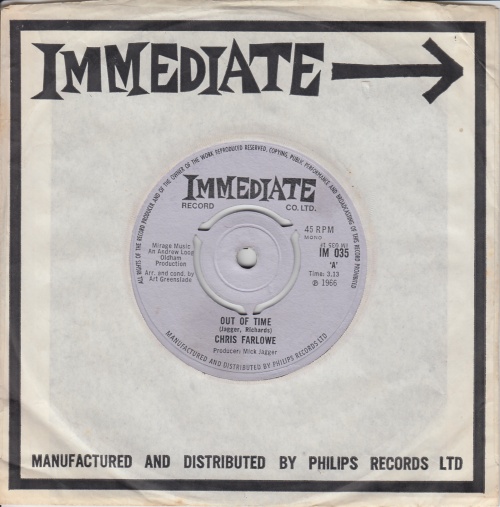
220. ‘Out of Time’, by Chris Farlowe

Amidst all the great pop being produced in the mid-sixties, two acts inevitably stand out above the rest. The Beatles and The Stones. Lennon & and McCartney, Jagger & Richards. Trading blows at the top of the charts. But John and Paul could always boast one original claim: that, on top of the ten #1 singles they have appeared on, they had written three more for other artists. ‘Bad to Me’, ‘A World Without Love’, and ‘Michelle’… Until now.

p01bqs74

Out of Time, by Chris Farlowe (his 1st and only #1)

1 week, from 28th July – 4th August 1966

For it is with much fanfare that we announce Mick and Keef as official ‘Chart-Topping Songwriters For Other Artists’, as Chris Farlowe takes ‘Out of Time’, from The Stones’ ‘Aftermath’ album, to the very summit of the hit parade! For a long time, I must admit, I did not know this was a Stones original. Which is strange, as the lyrics are straight from page one of the Rolling Stones’ songbook.

You don’t know what’s going’ on, You’ve been away for far too long, You can’t come back, Think you are still mine… A patronising, slightly threatening approach to women? Ladies and Gentlemen – The Rolling Stones! (See also ‘Under My Thumb’, ‘Heart of Stone’, ‘Stupid Girl’.) You’re out of touch my baby, My poor, old-fashioned baby… Baby, baby, baby, You’re out of time… It’s a song about a miscommunication: the girl was under the impression her BF would wait for her while she was away; BF was under no such illusion. And yes, he’s a dick, no disputing, but calling somebody ‘obsolete’ while you dump them is pretty bad-ass.

Chris Farlowe has one hell of a voice. It’s soulful and husky. He sounds like he smoked at least twenty a day. Maybe the reason that I went for so long without realising that ‘Out of Time’ wasn’t his song is down to the fact that he completely owns this record. He sounds like he’s having a ball. He sings it with a cocky confidence, a knowledge that there will be twenty more girls where this last one came from… I love the drawn-out sneer in the ‘tiiiiiimeee’, the ‘Ha!’ and the ‘Yeah!’ before the final chorus, and the way they call ‘Is everybody ready?’ before launching into an encore. (Some sources suggest that that is Mick and Keith themselves on the backing vocals…)

CHRIS_FARLOWE_OUT+OF+TIME+-+1ST+-+3PR-77306

Compared to The Stones’ version (which you can listen to here), and even though Mick Jagger produced this cover, Farlowe’s is a very different beast. Soaring strings, crashing Wall of Sound drums, and swooping, doo-wop backing singers accompany him. The original is much more stripped back: all organs and finger clicks. It’s also much harsher: switch ‘old-fashioned’ for ‘discarded’, and add a verse about how the girl has ‘had her day.’ Farlowe’s version is more likeable, way more over the top, making it easier not to notice how unpleasant the song is. The Rolling Stones leave you in no doubt…

Chris Farlowe featured on the first sixties compilation I ever heard, as young boy, on a cassette in my parents’ car. It was his version of ‘Handbags and Gladrags’, which came before Rod Stewart, and then The Stereophonics, did it to death. And I remember thinking distinctly, even as an eight year old, that he had a voice and a half. Why he wasn’t bigger than he was is a strange one. He had had one, minor hit before this, and his biggest hit after ‘Out of Time’ was ‘Handbags…’ which only made #33. And I have to admit, while listening to him sing in the car as a kid, and for years afterwards, I imagined him to be black. Racial profiling by voice? Maybe. As you can see from the picture up there, he is most definitely white.

His sound is – I’m starting to notice – very 1966, coming hot on the heels of The Spencer Davis Group’s couple of #1s, and Georgie Fame. All white boys doing soul. And that, like most hot sounds of the sixties, didn’t last long. Flower power is coming. Maybe Farlowe just couldn’t adjust. He still tours, with jazz bands and Van Morrison, and was included in the 50th Anniversary celebrations of England’s Football World Cup win (‘Out of Time’ was at #1 the week of the final against West Germany.)

Follow along with this handy playlist:

212. ‘Somebody Help Me’, by The Spencer Davis Group

The Spencer-Davis’s return with a quick-fire #1, barely three months after the first. It’s not a record that rings a bell but, as soon as I press play, I know I’ve heard this before, somewhere, sometime…

Spencer_Davis_Group_1966

Somebody Help Me, by The Spencer Davis Group (their 2nd and final #1)

2 weeks, from 14th – 28th April 1966

Like ‘Keep on Running’, it all kicks off with a bass riff. But one a bit mellower, a bit more understated, and not quite as filthy sounding as in their first chart-topper. Somebody help me, yeah… Somebody help me, now… Won’t somebody tell me what I’ve done wrong…

It’s a song that tells a bit of a story. The singer had a girl, his Queen, back when he was seventeen, but lost her. Since then he’s been unable to find a new one. Now I’m so lonesome, On my own… (If the stalker-ish lyrics to ‘Keep on Running’ were anything to go by, it’s easy to guess why she dumped him.) And that’s about it. A simple enough rock ‘n’ roll record.

Like its predecessor, ‘Somebody Help Me’ has got a nice soulful vibe to it – especially in the bridge – in the I need a girl, To hold me tight… – plus I like the funky guitar licks at the end of the lines. The Spencer-Davis’s liked a crunchy guitar, which gives their songs quite a Kinks-y feel. And it’s the shortest chart-topper we’ve had in a long time, coming in at bang-on two minutes. Which is fine – there’s absolutely no need for this disc to be any longer.

SPENCER_DAVIS_GROUP_SOMEBODY+HELP+ME+-+SOLID-710811

It’s a forgotten record, I’d say. A forgotten gem…? I’m not sure. Is it quite a ‘gem’? It’s definitely a groovy little record (we’re allowed to say ‘groovy’, by the way – it was the style of the time…) One that adds texture to the way Beat pop was splitting into different sub-genres. I’m not sure whether to go as far as calling it a ‘Shadow Number One’ – a song that only hits the top because of its more famous predecessor. Because A) it’s a good enough record to have reached the top on its own merits, and B) it managed a fortnight at the top while ‘Keep on Running’ only got a single week.

Interestingly, this song was, like ‘Keep on Running’, written by reggae singer Jackie Edwards. But he doesn’t seem to have ever recorded it. And, like so many bands of this era, The Spencer Davis Group didn’t last very long. They had a couple more Top 10s – including the classic ‘Gimme Some Lovin’, which is probably better known than either of their chart-toppers – before lead singer Steve Winwood left.

And that was all she wrote for the Spencer-Davis’s at the top of the UK Singles Chart.  They’ve reformed over the years in a variety of guises. Except… Winwood would go on to have a half-decent solo career, with a handful of eighties hits. One of which – ‘Valerie’, from 1982 – went on to be noticed by Swedish DJ Eric Prydz. He loved the vocals, persuaded Winwood to re-record them, and they formed the basis for his 2004 #1 ‘Call on Me’. So… we will hear the soulful tones of Winwood one more time in this countdown, in precisely thirty-eight years’ time. Aren’t the charts fascinating?