Time for another look back at some famous moments in music history, and the chart-topping hits that go along with them…
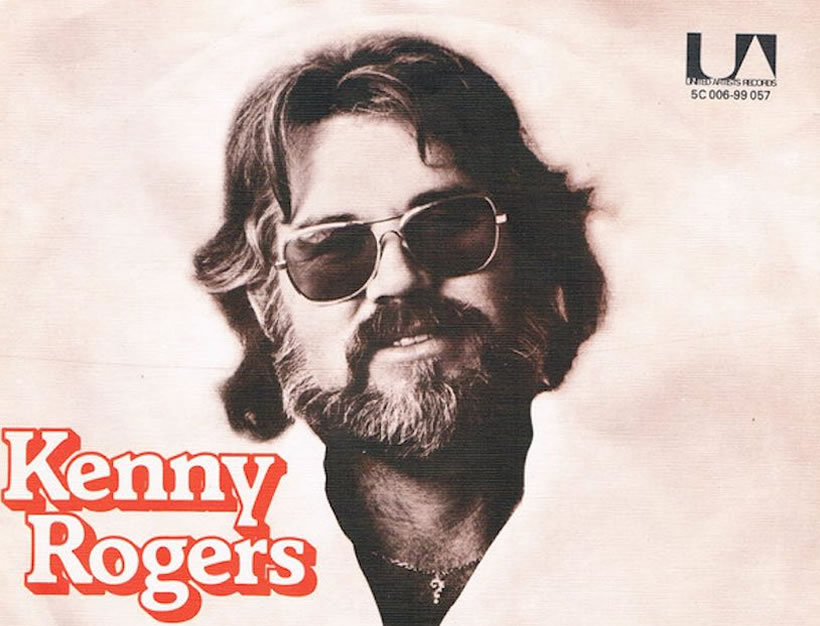
Starting with a birth and a death. March 20th 2020 saw the passing of country icon Kenny Rogers, who had managed two UK number ones in the late seventies and early eighties. Both songs were slightly out-of-kilter for the disco, punk and new-wave sounds of the time, but if listening to every single number one single has taught me anything, it’s that country and western (and reggae) are immune to popular tastes, and keep popping up time and again.
Here’s his first chart-topper, ‘Lucille’ (original post here), about a man who meets a downtrodden woman drowning her sorrows. I am a fan of a good opening line, and there have been few finer than In a bar in Toledo, Across from the depot, On a barstool she took off her ring…
Over a century before, March 20th 1917 saw the birth of Vera Lynn. A legendary name in British popular music, she began performing aged seven, released her first single in 1935 (aged eighteen), and scored her final Top 10 album in 2017 (aged one-hundred), giving her a career spanning ninety-six years! Despite this astounding longevity, Lynn only managed one UK #1: ‘My Son, My Son’ (original post here).
I won’t claim to particularly enjoy this very old-fashioned record, but Dame Vera doesn’t half sing the life out of it. And you can really make out what she’s singing, something my dear departed Gran was very particular about. Plus, I think it prominently features a clarinet, something not many other #1s have. I also did a Remembering post on Lynn, when she died in 2020.
Meanwhile, on this day in 1991, Michael Jackson signed what was the biggest record contract in history, with Sony. Both the advance, and his share of future record profits, were beyond anything seen before. You can see why the execs went out their way to keep hold of Jackson, given that his previous LPs, ‘Thriller’ and ‘Bad’, had been two of the highest sellers of all time. But you can also argue that this was the start of Jackson’s slow slide into creative inertia and over-indulgence, as little of his nineties output can rival that of his eighties hits. Still, here’s ‘Black and White’ the first single from the first album to be released under the new contract, ‘Dangerous’ (original post here).
March 20th 1969 was also the day on which John Lennon married Yoko Ono at the British Consulate in Gibraltar (near Spain), before heading to the Amsterdam Hilton and talking in their beds for a week… Of course, these are not my own words, and so why don’t we let ‘The Ballad of John and Yoko’ tell the full story. This seemed for a long, long time to have been the Beatles’ final number one (though it famously only features John and Paul), until ‘Now and Then’ in 2023 (original post here).
Lastly, on this day in 1977, T. Rex played their final British concert at the Locarno in Portsmouth. Their final ever live appearance would come a couple of months later in Stockholm, and three months after that Marc Bolan would die in a car crash. Neatly bookmarking T. Rex’s career, though, is the fact that ‘Hot Love’ was two weeks into a six-week residence on top of the charts on this day in 1971 (see original post here). Whether or not it was indeed the first glam rock #1 is up for debate. What is not up for debate is the song’s audacity (half of it is just nanananas), or its brilliance.
That one goes out to all those who are faster than most and who live on the coast… Regular posting resumes in a few days!
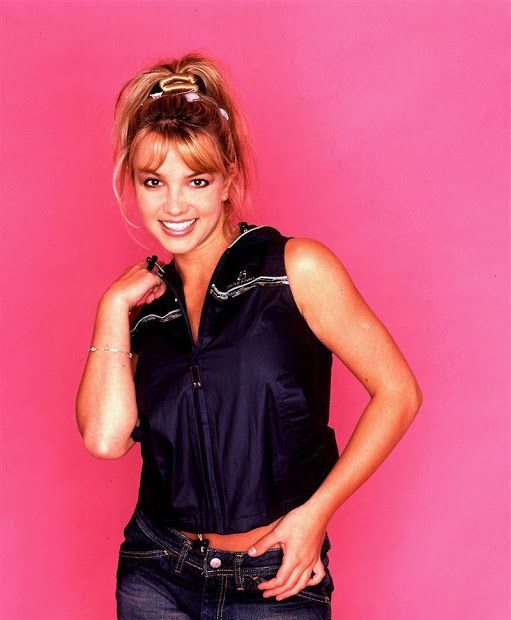
For our latest covers special, we bring you two covers. One of the legendary Miss Britney Spears, and one by the legendary Miss Britney Spears….
In 1999, Britney was the big new pop superstar on the block, while Travis were the big new indie band. Travis were either part of the tail-end of Britpop, or part of the start of the ’00s indie revival, or a bridge between the two, and were hugely popular. They were also divisive, part of a group, alongside the likes of Coldplay, Embrace and Starsailor, who many felt compared poorly to the big Britpop acts, and whom Oasis’s manager Alan McGee had infamously dubbed ‘indie bedwetters’. I always quite liked Travis though, as they had a great ear for catchy melodies, and weren’t as whiny as Chris Martin and chums.
And in covering Britney’s ‘…Baby One More Time’ they kick-started something that would define British pop music in the 21st century. I’m not sure if it was definitely the first ever ‘Live Lounge’ performance for Radio 1, but the novelty of it went viral, by the standards of 1999, and helped create a phenomenon which carries on to this day. It is a simple enough premise for a radio feature: a popular act of the day perform a live version of their current single, and a live cover of a song in a genre with which they aren’t usually associated. Which in the early days of Live Lounge usually meant guitar bands doing goofy and knowing covers of pop tracks (see above).
On the one hand, it could be fun to hear, say, Arctic Monkeys covering Girls Alouds’ ‘Love Machine’. It was all part of the blurring between rock and pop, mainstream and indie, cool and uncool, that happened during the 2000s. And occasionally a Live Lounge track would go on to become a bona-fide hit single, such as Jamie Cullum’s cover of Pharrell’s ‘Frontin’. There have been Live Lounge tours, and Live Lounge compilation albums. Lady Gaga, Bruno Mars, and Taylor Swift have all done Live Lounge. Walls have broken down, genres blurred, love has reigned…
But I was a regular Radio 1 listener in those days, and half the time I turned off when Live Lounge came around. Not because the covers were bad, but because the tone of it was so bloody self-congratulatory and back-slappy. Jo Whiley purring in reverential tones, as if she’d been on the rooftop with the Beatles in 1969, when in actual fact she’d just heard the Zutons covering the Scissor Sisters. They’re musicians, I’d think to myself, of course they can pull a half-arsed cover out of the bag.
So, I chose this Travis version of Britney’s biggest hit precisely because it is so half-arsed, and also because it sparked a genuine British pop music phenomenon, for better or worse. Anyway, to prove that I’m not precious about pop acts going rock, or vice-versa, here’s Britney herself. Covering the Stones.
Brit’s version of ‘Satisfaction’ is ten-times better than Travis’s barroom singalong of ‘…Baby’ because a) she’s treating the source material with respect, and because b) she does something different with the song, seamlessly updating the sound for the Y2K generation.
It’s not as good as the original, of course it isn’t, not even close. But it is a worthwhile exercise. It was also fairly well-received by critics. At the same time, it annoyed rock snobs who probably didn’t even listen to it before railing against popular music going to hell in a handcart.
The year after this cover, Britney and Mick Jagger met at the VMAs for a slightly awkward interview in which Britney looked like she wasn’t 100% sure who the old man next to her was, and Mick claimed unconvincingly that she did ‘very well’ covering ‘Satisfaction’. Then Britney went off and performed with a snake around her neck. It was quite the time to be alive…
Our regular posts will resume in a couple of days…
If you’ve been following this blog over the past few weeks, you’ll have seen that I claimed December 2002, and Blue’s cover of ‘Sorry Seems to Be the Hardest Word’, featuring Elton himself, as marking the end of the Golden Age of the Boyband…
I’ve gone into discussions, and answered questions on: what makes a boyband (dance routines, key changes), who the first boyband were (NKOTB), and whether or not Blazin’ Squad were a boyband (they weren’t, it’s official). In total, we’ve covered, enjoyed and/or endured forty boyband #1s over the course of thirteen chart years. Most have been ballads. Many have been garbage. A few have been classics.
So, in this post, I am going to offer you an alternative history. A ‘what might have been’. Six non-charttopping hits from six charttopping boybands. Six choons. Not a ballad in sight.
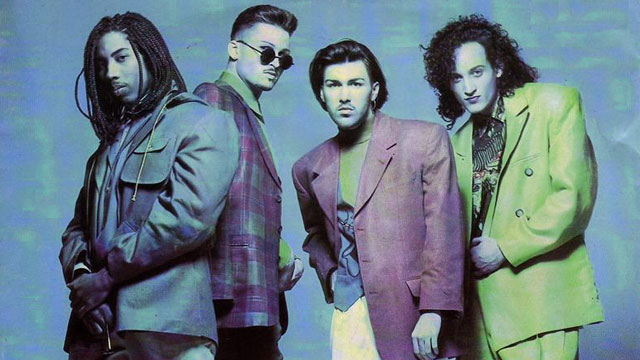
Color Me Badd – ‘All 4 Love’ (reached #5 in 1991)
Color Me Badd made #1 with the icky ‘I Wanna Sex You Up’. But, later in 1991, they returned with the genuinely catchy ‘All 4 Love’. It’s a cheesily soulful love song, with a looped piano riff and a funky horn section. Knight in shining armour, I’ll be your fairytale… are lyrics that in a ballad would have you swallowing back vomit; but that in an uptempo number like this are forgiveable. This record made top spot in the US (bravo America), but was their final Top 10 pretty much everywhere.
East 17 – ‘Deep’ (reached #5 in 1993)
To be honest, East 17 have nothing to prove. Their one chart-topper is probably the best boyband single ever released. On the one hand, this is quite an experimental boyband single, with an ominous squelchy bass, a floaty piano line, and a strange operatic vocal loop, mingling to make an atmospheric backing track. On the other, this is preposterously horny nonsense. East 17 were almost instantly cast as the Stones to Take That’s Beatles, and it is impossible to imagine Gary Barlow uttering lines like I wanna do it ’till my belly rumbles... or I’ll butter the toast if you lick the knife…
911 – ‘Bodyshakin’‘ (reached #3 in 1997)
911 had to wait a long time (by boyband standards) for a #1. Eleven singles over three years until their cover of Dr. Hook’s ‘A Little Bit More’ finally made it all the way. But what a damp squib that was. Especially when a banger such as ‘Bodyshakin” stalled at #3. In 1997, this was very a modern sounding pop song, something that Max Martin and Backstreet Boys would be churning out to great a success by the end of the decade. (Dare I say that 911 managed this because they completely ripped off ‘We’ve Got It Goin’ On’?) I struggled between this and ‘Party People… Friday Night’, which is a much cheesier disco number, so I attach that here for your pleasure.
Five – ‘Everybody Get Up’ (reached #2 in 1998)
‘Keep on Movin” aside, I found Five’s (sorry, 5ive’s) number ones underwhelming. Especially when earlier in their career they were releasing singles like this ‘I Love Rock n Roll’ sampling 1998 smash. I think, having slogged through all these boybands, Five were probably the most fun, and the most light on ballads. In classic ’90s music video fashion, the boys disrupt a school exam, tossing test papers willy-nilly, and deliver era-defining lines like I’m the bad boy that you invite for dinner, Ain’t got no manners ’cause I eat with my fingers…
Blue – ‘All Rise’ (reached #4 in 2001)
In a way, for Blue to wrap the Golden Era of the Boyband up was fitting, as they had offered a vision of the future of the genre. They were less concerned with dance routines and key changes, and more with slick R&B production and more mature lyrics. When boybands returned to the charts in the late ’00s, quite a few of them looked and sounded like Blue. Their second single (and first #1) ‘Too Close’ told a tale of trying to hide an erection, while their debut single ‘All Rise’ presented a breakup as a court case: I’m gonna tell it to your face, I rest my case... Less a boyband, more a young adultband.
A1 – ‘Caught in the Middle’ (reached #2 in 2002)
For their 3rd and final album, A1 also went for a more grown-up sound, a world away from their pointless cover of ‘Take on Me’. This was another way in which boybands adapted for the 2000s, incorporating guitars and moodier themes, and sheepskin jackets. By the middle of the decade, as Take That returned and Westlife kept plodding on, we’d be talking about ‘manbands’. Anyway, this is a catchy, minor key number. I think it would be fair to suggest it owes a certain debt to Natalie Imbruglia’s ‘Torn’, but imitation is the sincerest form of flattery, and A1 were hardly the first boyband to borrow a sound.
Up soon, we’ll be launching into our next fifty chart-toppers, which will take us from spring 2003 to early 2005. It will also take us to the 1000th UK number one, and I have some special posts planned when we get to that milestone. It will all be boyband-less, however. Celebrate or mourn as you see fit. Unless you count Busted and McFly as boybands… but let’s not go there just yet!
For my final post of the year, let’s go back twenty-six years. Back to the final day of the 20th century. The Millennium. I was thirteen and remember it well: the day long coverage on TV, the fireworks, the fear that society might collapse at midnight, that I got to drink sparkling wine…
But, did the final UK singles chart do justice to the millennium just past? Did it manage to sum up the sounds of a century? Did we go out with a bang? Well….
10. ‘Back in My Life’, by Alice Deejay (up 1 / 5 weeks on chart)
The record at #10 on this week sets the scene beautifully. This was the sound of the late nineties: a Dutch Eurodance ‘project’ with some basic beats, basic lyrics, and a basic ‘dancing in front of a waterfall’ video. It’s ‘basically’ a slightly harder-edged Vengaboys. This was the follow-up to Alice Deejay’s better (and better known) breakthrough #2 ‘Better Off Alone’, and had been as high as #4 in the charts in early December.
9. ‘Kiss (When the Sun Don’t Shine)’, by Vengaboys (up 1 / 3 weeks on chart)
Oops. Like summoning an evil spirit by the mere mention of its name, here are the Vengaboys. Following up their two 1999 #1s, ‘Kiss (When the Sun Don’t Shine)’ had made #3 a couple of weeks before this. It is a little less in one’s face compared to, say, ‘Boom Boom Boom Boom’. Which is maybe why it didn’t do as well… Or maybe Vengaboys fatigue had set in? In earlier posts, I posited a theory that disposable tripe like this was so succesful at the turn of the millennium because we were all worried that the world would end, and just wanted to party. The first two records in this Top 10 do seem to give my theory some credence…
8. ‘Say You’ll Be Mine’ / ‘Better the Devil You Know’, by Steps (down 1 / 2 weeks on chart)
No turn of the millennium chart would be complete without some Steps, an ever-present between ’97 and 2001. ‘Say You’ll Be Mine’ is a pleasant pop tune, but it’s nobody’s favourite Steps song. The video is a nice time-capsule of late nineties movie parodies: ‘Romeo + Juliet’, ‘Titanic’, ‘Austin Powers’, and a fairly daring recreation of the ‘hairgel’ scene from ‘There’s Something About Mary’.
Steps did love a double-‘A’, and on the other side of the disc was this camp cover of a Kylie classic. The devil horns and long red coats are, I’m just going to say it, iconic. They do not outdo Kylie’s version, but they stick so close to it that they can’t really go wrong. This record entered at a fairly lowly (by Steps’ standards) #7 in Christmas week, but would climb to #4 in the new year to keep up an unbroken run of Top 5 hits for the group.
7. ‘Cognoscenti Vs. Intelligentsia’, by the Cuban Boys (down 3 / 2 weeks on chart)
Right. Y2K might not have brought about the end of the world, but two minutes into this next record you will perhaps begin wishing for it. There’s a lot to unpack here. It’s based around a sped-up, soundalike sample of Roger Miller’s ‘Whistle Stop’, AKA the minstrel’s tune from Disney’s ‘Robin Hood’. It had been the soundtrack to one of the earliest internet memes, ‘The Hampster Dance’, and there was a copyright controversy which delayed the release date. It had been promoted on, of all places, John Peel’s Radio 1 show, and had been at #4 for Xmas. And in some ways this is perfect for our dawn of the 21st Century Top 10: striking, modern, rooted in internet culture, completely and utterly banal…
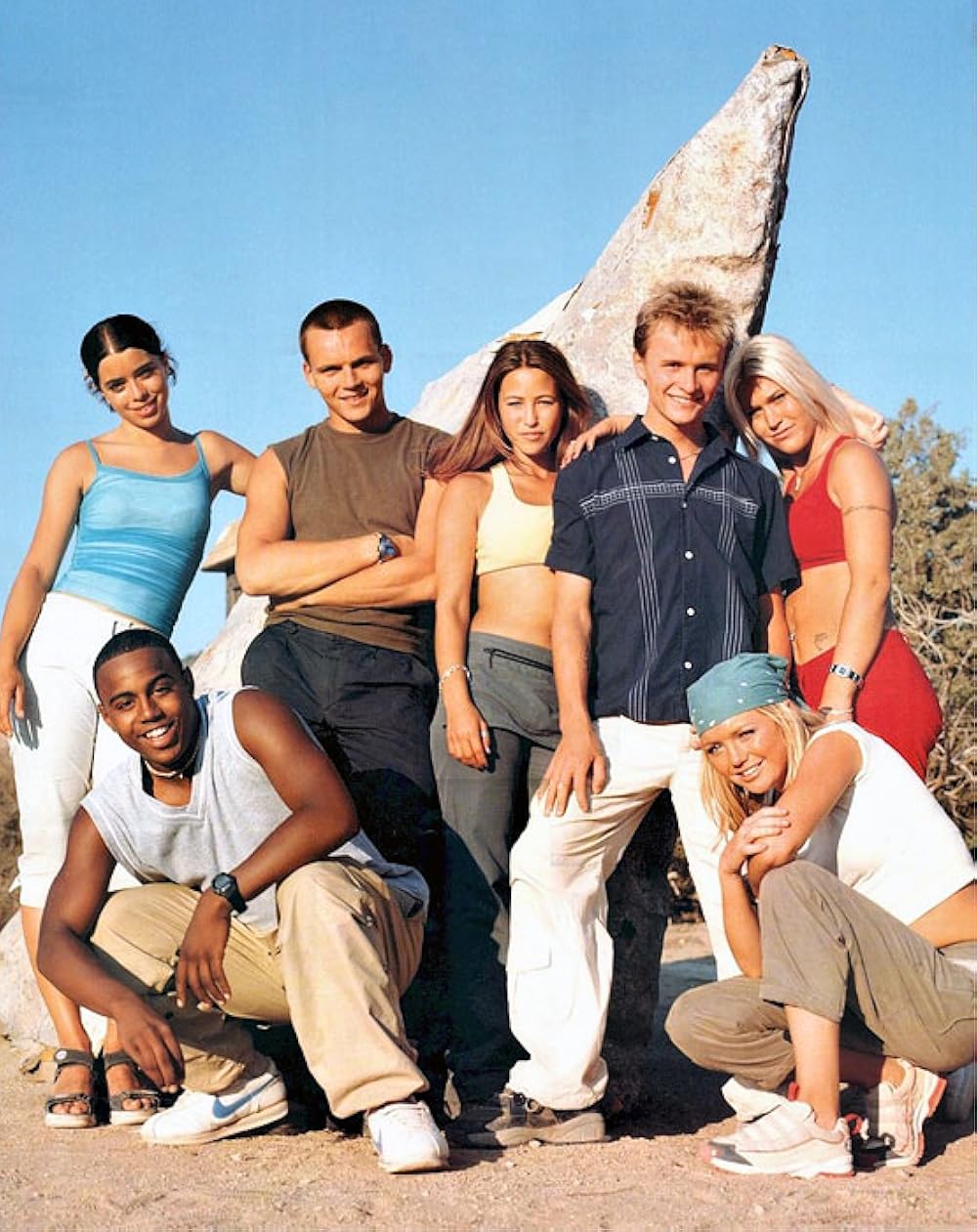
6. ‘Two in a Million’ / ‘You’re My Number One’, by S Club 7 (down 1 / 2 weeks on chart)
We’ve had Steps, let’s have S Club. ‘Two in a Million’ isn’t one of their classics, and I struggled to remember it even after the chorus came along. It’s a nice enough slice of medium-tempo soul pop, but let’s skip forward to the flip-side…
…because this sort of breezy, Motown-lite pop is what S Club excelled at. ‘You’re My Number One’ was like a warm-up for their massive smash ‘Reach’ the following summer, but I’m enjoying it more today because it hasn’t been overdone. And I’m not one for nostalgia, but by God that video – with it’s crap choreo, its tomfoolery, its outfits – is so of its time it hurts. This double-A would rocket up to #2 in the new year, keeping S Club’s 100% Top 5 record intact.
5. ‘Re-Rewind (The Crowd Say Bo Selecta)’, by Artful Dodger ft. Craig David (up 1 / 4 weeks on chart)
Peaking at #2 before and after the festive period, though slumping temporarily on this week’s chart, here is the sound of the new millennium. Those staccato 2-step garage beats would go on to be one of the sounds of 2000-2001, while seventeen-year-old Craig David would be the first big breakout star of the 21st century, scoring two #1s in the coming months. I wouldn’t say I love this as a piece of music, but as a scene setter few songs take you back to the turn of the millennium as effectively as this.
4. ‘Mr. Hankey the Christmas Poo’, by Mr. Hankey (up 4 / 2 weeks on chart)
Clearly released with the Christmas number one in mind, here’s a cartoon character which Wikipedia nicely sums up as a ‘sentient piece of feces’. Mr. Hankey, the Christmas Poo had featured in a South Park episode way back in 1997, but a combination of the series taking off a little later in Britain, plus Chef’s success the year before, led to this release in late 1999. Mr Hankey, The Christmas Poo, He’s small and brown and comes from you… It has the sound of a classic fifties festive tune-slash-television theme and did, I will confess, raise a smile on these unwilling lips. It is not a patch on ‘Chocolate Salty Balls’ however, and was nowhere near as succesful. (Though it would obviously have been somewhat satisfying if this had peaked at number two…)
3. ‘Imagine’, by John Lennon (non-mover / 2 weeks on chart)
Many will be holding their heads in their hands at the thought of ‘Mr. Hankey the Christmas Poo’ rubbing shoulders with ‘Imagine’. But I like to see this juxtaposition as the magic of the charts… Anyway, we all know ‘Imagine’, and would all probably be happy never hearing ‘Imagine’ again, despite it being a beautiful song. It had been re-released ahead of the new year, presumably with the aim of making it the millennium’s final #1. It fell a couple of places short, but this did mark the third occasion on which it had made the Top 10.
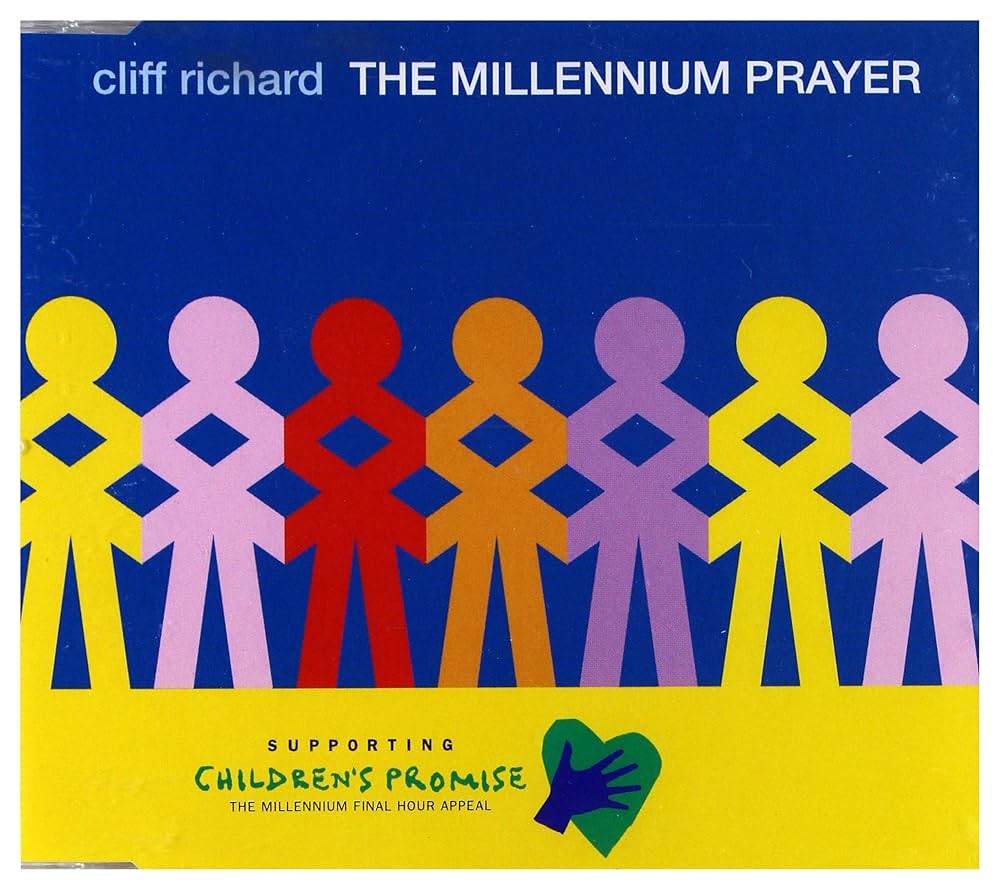
2. ‘The Millennium Prayer’, by Cliff Richard (non-mover / 6 weeks on chart)
This weird Top 10 sees arguably Britain’s two biggest pop acts represented in the Top 3, with Cliff joining a Beatle as the century drew to an end. It also sees one of the worst Top 2s of all time. I wrote all about Cliff’s final number one here, and have no wish to revisit it….
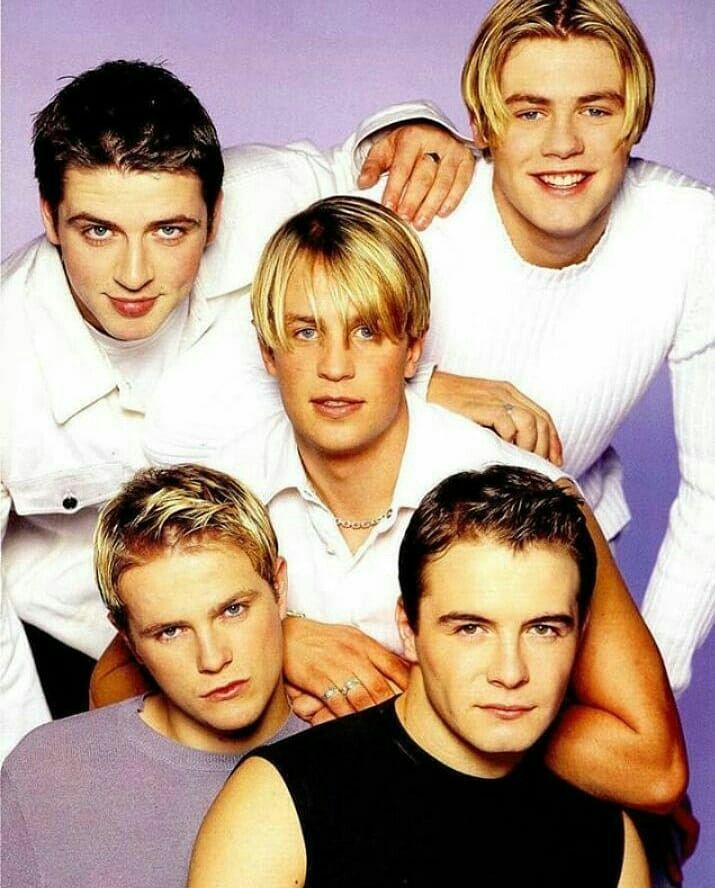
1. ‘I Have a Dream’ / ‘Seasons in the Sun’, by Westlife (non-mover / 2 weeks on chart)
Ditto the record that was at number one, Westlife’s fourth of their breakout year and the previous week’s Christmas chart-topper. I have tried to be as kind as possible about some of Westlife’s many #1s, and have enjoyed a couple, but this double-‘A’ is as syrupy, saccharine, and cynical as you can get. Read my full post on it here, and discover why I named it as one of my very worst number ones here.
What strikes me about this chart is how normal it is, considering the looming spectre of Y2K. I thought that would have been more of a theme in this Top 10 but, aside from Cliff and John Lennon, it’s mainly just a routine run-down of Eurodance, disposable pop and Christmas novelties. It’s refreshing , however, to see a festive chart that isn’t just a replica of the Spotify ‘Christmas Hits’ playlist, as the modern charts now are.
Our regular blog will resume early next week, where we left it in December 2002. I hope everyone has a great new year, and that 2026 is full of health, wealth and happiness… and great music!
Welcome one and all to our fourth ‘On This Day’ feature, in which we take a look back at chart-topping history through the records which have made #1. (Please feel free to check out the previous dates that we have covered here, here, and here.)
What, then, were the stories atop the UK singles chart on August 28th through the years…?
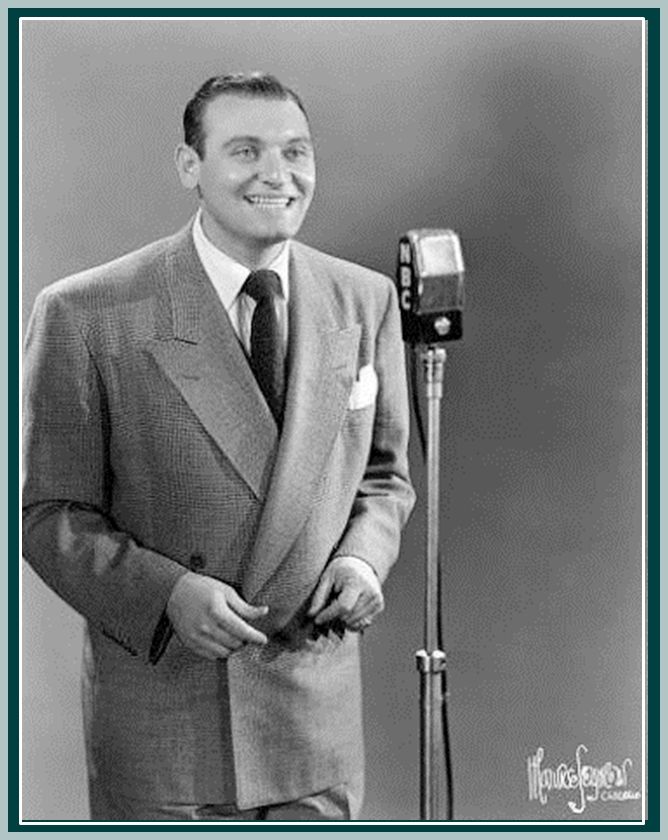
Well, way back in 1953 Frankie Laine’s ‘I Believe’was starting its seventeenth of eighteen weeks at number one. That’s a lot of weeks. Amazingly, no other record in the intervening seventy-two years has managed to equal it. The record set by just the 9th number one single – the charts having begun less than a year earlier – still stands! Interestingly, two of the records that came closest – ‘(Everything I Do) I Do It for You’ (16 weeks, and the record holder for consecutive weeks) and ‘Love Is All Around’ (15 weeks) – were also both at number one on this date. The only other 15-weeker, Drake’s ‘One Dance’, was sadly not at #1 on the 28th August. ‘I Believe’ returned to #1 in the nineties ‘thanks’ to Robson & Jerome, but I won’t bother linking to that.
Eleven years later, and sitting at #1 was the Honeycomb’s stomping ‘Have I the Right?’ It was the third and final chart-topper produced by the visionary Joe Meek. Of the three, this is probably the most traditionally ‘pop’ sounding, though it is still crammed with wacky techniques – such as having the band stomping on the staircase outside his studio – and instruments, such as the slicing synths. It hit the charts in that glorious autumn of ’64, one of the most fertile times for British pop with ‘A Hard Day’s Night’, ‘Do Wah Diddy Diddy’, ‘You Really Got Me’, ‘I’m Into Something Good’, and this, taking turns on top.
28th August is also the birthday of The Honeycombs’ female drummer, Honey Lantree. One of few women to take up the sticks – I can only think of Karen Carpenter and Meg White – she had been discovered while working as a hairdresser. Her salon manager was in a band, let her try out, and was so impressed that he incorporated Lantree and her brother into his group. She retired from music when the Honeycombs split in 1967 following Meek’s death, but she rejoined them every so often for tours right up until 2005.
August 28th has seen not one, but two versions of ‘I Got You Babe’ sitting at number one in the singles chart. The original was, of course, by Sonny and Cher in 1965…
It was their only #1 as a duo, and Cher’s first of four, spanning thirty-three years. Exactly twenty years later, and a cover by UB40 and Chrissie Hynde was spending its solitary week on top. I gave this record a ‘Meh’ award, and my opinions on it haven’t changed much. It’s still a bit of a slog…
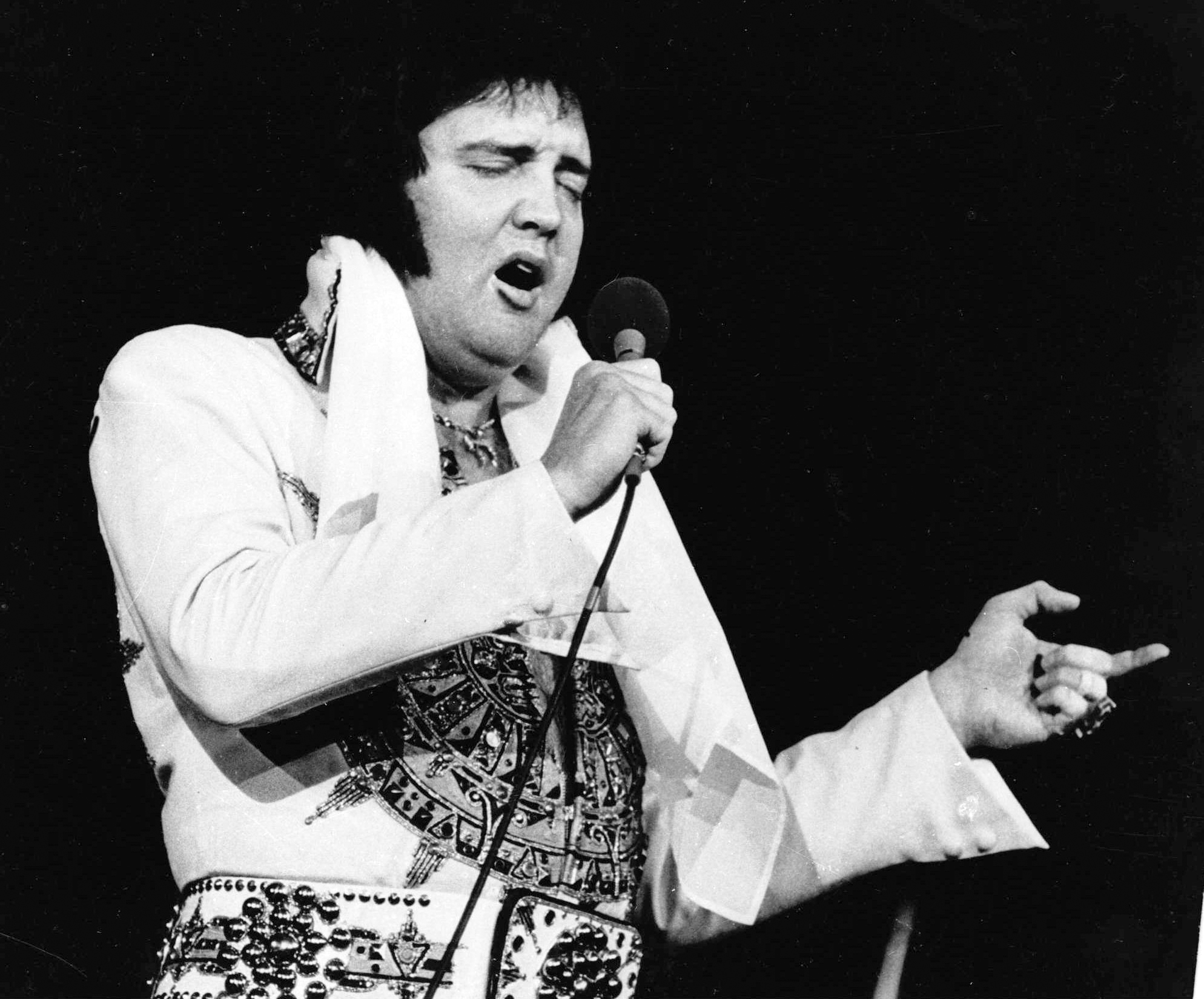
On this day in 1977, and the world still coming to terms with his death aged just forty-two, Elvis Presley’s current single climbed to #1, the first of his record five posthumous chart-toppers. ‘Way Down’ had spent its first two weeks on chart climbing from #46 to #42, so its safe to assume that it wouldn’t have been a massive hit without tragedy striking. However, it would also be wrong to suggest that The King was a spent force at this point in his career, as his previous single ‘Moody Blue’ had made it to #6. In my original post on it, I rejoiced in the fact that fate ensured Elvis’s final single was a rocker, given that he’d spent much of the ’70s releasing schmaltzy ballads. Lyrically, it’s also fitting for the recently deceased star, given that it’s called ‘Way Down’, and compares a woman’s love to prescription drugs… However, fun as the song is, and as lively as Elvis’s perfomance is, the show is stolen by JD Sumner’s astonishingly low closing note.
Finally, on this day in 1993, Culture Beat’s ‘Mr. Vain’ was enjoying its first of four weeks at #1. I bring this to your attention not just because it’s a banger – and it is – but because it was the first chart-topper in forty years not to be released as a 7″ single. Vinyl was on its way out after a century as the medium of choice, to be replaced in the space of twenty years by CDs, then digital downloads, then streaming…
Thanks for joining this delve back through the decades. Next up, we continue our journey through 2001 with a similarly retro reboot…
I’ve been threatening this post for quite a while, and I’m sure many readers didn’t take those threats seriously. To them, all I can say is sorry. Never again will you underestimate this blogger’s love for some cheesy pop. Time to begin, so count me in…
Steps were a near-permanent fixture on the singles chart between 1997 and 2001, managing two number ones. Sadly, both of their chart-toppers were fairly average (‘Tragedy’/’Heartbeat’ and ‘Stomp’) while many of their near misses – they had five singles that peaked at #2 – are classics of their time and genre. The turn of the 21st century was a time when disposable, teeny-pop acts were ten-a-penny. But Steps still managed to carve their own niche. They weren’t cool, they weren’t sexy, they weren’t particularly down with the kids. They were camp, and catchy. Who were Steps’ fans? Was their continued success all the fault of gay men? (Probably, yes.)
You may be relieved to hear that I won’t do my usual Top 10 today. I’ll restrict it to a Top 5. But, what a five! Five bubblegum classics of the fin de siecle, and I will entertain no arguments to the contrary…
‘Last Thing on My Mind’ – #6 in 1998
I don’t think many people expected Steps to have any sort of career beyond their debut hit: the ultra-cheesy, line-dancing meets techno ‘5, 6, 7, 8’. But lo and behold, they returned with a proper pop song, combining an ABBA-esque piano line with a cheap and frothy chorus. And the revelation that at least two of the five, Faye and Clare, could actually sing! ‘Last Thing on My Mind’ had originally been recorded by Bananarama in 1992, but had stalled at #72. That version is even more indebted to ABBA, while the song’s author Pete Waterman has claimed it was inspired by Mozart. A bold claim, but I’ll buy it.
‘Better Best Forgotten’ – reached #2 in 1999
One of five Steps singles that fell a place short of top spot, ‘Better Best Forgotten’ is another ABBA(ish) melody with lots of late-nineties dressing. Please bear in mind that by constantly bringing up ABBA I am not being so bold as to claim Steps were in any way comparable to said Swedish Gods and Goddesses, but that the influences were clear… Meanwhile I can’t explain it, but the key change just before the chorus here is hands down the gayest moment in popular music.
‘A Deeper Shade of Blue’ – reached #4 in 2000
The 4th single from their second album was a slightly cooler affair, with an Italo-house beat and some dance diva vocals from Claire. It was another track originally recorded by someone else – in this case Tina Cousins – but Steps stepped in and made it their own. Musical vultures! It is more mature, and more sophisticated, than much of Steps’ earlier work.
‘One for Sorrow’ – reached #2 in 1998
There is a beauty about early Steps videos, which rival the cheapest of stock karaoke videos. Here they cycle, have a kickabout, and generally frolic in long grass and sunflowers somewhere in Italy. And the song is a melancholy dance classic, with the melody deeply in debt to… well, you know who it’s in debt to. Another thing to note is Steps’ consistent dedication to wordplay: One for sorrow, Ain’t it too too bad… (See also the deeper shade of blue/darker shade of me from the previous entry.)
‘Love’s Got a Hold of My Heart’ – reached #2 in 1999
For me, this is peak Steps. All boxes ticked. A candyfloss chorus. A Eurotrash beat. Cheesy dance routine on a pier (all while dressed in canary yellow). Claire absolutely belting it out (the way she lets rip on the resigned to my fate… line is a chef’s kiss moment). It lacks the usual hint of melancholy – making it one of their least ABBA-aping singles – and it sounds excactly like you’d expect Steps to sound, had you only ever seen a picture of them.
If you made it this far through the post, I salute you. Thanks for humouring me. I realise that Steps are written off by many as cheap tat, indicative of a time when pop was at its most disposable. And maybe it’s nostalgia for my youth (though I’d never have admitted to liking Steps at the time!), but I do think the five songs included here deserve their place in the pantheon of pop. Maybe not on the same floor, or even the same wing, but definitely in the same building as the likes of Kylie, or Madonna, or even, yes, ABBA.
Steps split on Boxing Day 2001, but reformed a decade later and have been touring and recording ever since, releasing some pretty decent dance-pop tracks. For reasons that I don’t quite understand, they seem to have acquired Michelle Visage as a part-time sixth member. There’s clearly a lot of people who still hold some affection for Steps. Including me. And I make no apologies for it!
Tomorrow marks that one day of the year in which Europe (plus some countries technically in Asia, and Australia for some reason) comes together to celebrate the joys of music. Or at least to celebrate the joys of cheesy riffs, simplistic lyrics, unhinged dance routines, and a whole load of camp. Yes, it’s the…
Held every year since 1956 (2020 excepted, thanks to COVID), Eurovision was invented through collaboration between seven nations’ broadcasting corporations, as a means of testing out the capacities of live broadcasting. The first contest featured just those seven – France, Switzerland, Italy, Belgium, West Germany, Luxembourg and the Netherlands – and was won by the Swiss. The UK made their first appearance the following year, when a public vote was brought in to help decide the winning song. Ever since then there have been plenty of complaints about political voting (usually from us Brits, when nobody gives us any points) with neighbouring countries, and nations with a shared ethnicity, trading points based perhaps more on kinship rather than on musical quality.
A maximum of forty-four countries can enter – qualifiers were introduced in the 1990s – and as of 2024, twenty-seven different nations have won the contest. Sweden and Ireland have the most wins with seven, and Britain holds the record for finishing second. Norway, meanwhile, holds the record for finishing last, and has ended with the dreaded nul points four times.
Eurovision is famous for launching the careers of ABBA, who won with ‘Waterloo’ in 1974, but it has also played a part in helping Celine Dion, Julio Iglesias, and Olivia Newton-John become world famous. Other legends to take part include Sandie Shaw, Cliff, Lulu, Bonnie Tyler, Engelbert Humperdinck, Nana Mouskouri and, um, Flo Rida. And of course we’ve already met plenty of Eurovision number ones during our chart-topping journey… Who could forget Dana, Brotherhood of Man, Bucks Fizz, Nicole, Johnny Logan, or Gina G…?
Part of the reason why I chose to do this post now is that in the 21st century there have been no further Eurovision chart-toppers. Plenty of songs have gone close, but none have made it to the top. And so, having covered all the Eurovision #1s in the regular blog, it’s time to check out the Best of the Rest. I’m only counting songs that made the UK Top 10, and have whittled a thirty-odd longlist down to ten.
‘Volare’, by Domenico Modugno (3rd place for Italy in 1958)
Probably rivalling ‘Waterloo’ as Eurovision’s most famous song, this was the first big Eurovision hit, making #10 in the UK and top spot in the States (it remains the only Eurovision chart-topper on the Billboard 100). Dean Martin’s version is now perhaps more popular, of the hundreds that have since been recorded, but this was the original. Ubiquity has not, and seemingly cannot, dull the laidback coolness of this classic.
‘Boom Bang-a-Bang’, by Lulu (joint 1st place for the UK in 1969)
Och, if it isn’t lovely wee Lulu. Nonsense song titles have long been a Eurovision cliché, and you have to think ‘Boom Bang-a-Bang’ helped in that. (We’ve since had winners titled ‘Ding-a-Dong’, ‘A-Ba-Ni-Bi’ and ‘Diggi-Loo Diggi-Ley’.) If it were just the verses, this wouldn’t have stood a chance of making the list, as they make Sandie Shaw’s ‘Puppet on a String’ sound subtle. But it is in that nonsense chorus that the song soars. Watch the performance above, and marvel at Lulu – the consumate performer that she is – selling the living daylights out of this tosh. She dragged it to a joint first place finish (the only time there’s ever been a tie) and to #2 in the charts. The contest was held in Madrid that year, and in true Brits-abroad fashion Lulu finishes her performance with a big ‘Olé!’ Who says we don’t try to learn the local languages…?
‘Jack in the Box’, by Clodagh Rodgers (4th place for the UK in 1971)
Lyrically this is ‘Puppet on a String’ Pt II – I’m just your Jack-in-the-Box, You know whenever love knocks, I’m gonna bounce up and down on my spring – and musically it’s not a million miles from ‘Boom Bang-a-Bang’. It didn’t do as well as either of those earlier entries (4th place in the contest, #4 in the charts) but I’d argue it’s a better song than both. Especially when, in the best music hall fashion, things slow down for a big, showstopping final chorus. Clodagh Rodgers, from Northern Ireland, received death threats from the IRA for representing the UK. (Interestingly, the year before Ireland had won through London-born Dana.) This was Rodgers’ third and final UK Top 10 hit. She sadly died just a few weeks ago, in April 2025, aged seventy-eight.
‘Beg, Steal or Borrow’, by The New Seekers (2nd place for the UK in 1972)
Going by my choices, the late-sixties to early-seventies was the golden age of British entries at Eurovision. A world away from the British acts that were setting the standard and pushing the envelope in those days when pop music was developing at a heady pace; it was a world of bubblegum, easy-listening, and schlager. Which was a wise choice, and why so many of those entries placed very high, such as this runner-up performance from 1972. (Pink Floyd probably wouldn’t have done well at Eurovision…) But representing the UK were acts that, while not the avant-garde, were still very famous names: Cliff, Lulu, Sandie Shaw, Clodagh Rodgers, and the New Seekers above. Going to Eurovision was seen as a big thing, a beneficial thing, whereas in the 21st century it is the reserve of the has-been, or of the unknown act looking for any sort of break they can get. Anyway, ‘Beg, Steal or Borrow’ is perfectly decent pop – better than the New Seekers’ saccharine Coca-Cola anthem, but not as good as their sadly forgotten second chart-topper.
‘Go’, by Gigliola Cinquetti (2nd place for Italy in 1974)
A case of right song, wrong time, as Gigliola Cinquetti’s gloriously sultry ballad came up against ABBA’s ‘Waterloo’. Still, it made the Top 10 in the UK (re-recorded in English, which means that I’m not technically choosing the Eurovision version, but hey ho…) The original has exactly the same melody and instrumentation, but is entitled ‘Sí’, which means ‘Yes’. Cinquetti had actually won the contest a decade before, aged sixteen, with a song entitled ‘Non ho l’etá’ (‘I’m Not Old Enough’), meaning she came close to becoming the first act to win Eurovision twice. In Italy, the song’s title caused drama as the contest coincided with a referendum on making divorce illegal (it having just been legalised a few years earlier) and authorities believed that a song featuring the word ‘yes’ sixteen times might subliminally influence the vote… Even the contest itself wasn’t broadcast in Italy until a month afterwards. In the end the divorce laws stayed, and Cinquetti also went on to host the contest in the 1990s.
‘Love Shine a Light’, by Katrina & the Waves (1st place for the UK in 1997)
It would be remiss of me not to include the song that last won the contest for Britain, almost thirty (30!) years ago now. ‘Love Shine a Light’ manages – just about – to straddle the line between genuinely inspiring and sentimental schmaltz (a battle that Eurovision songwriters have been waging ever since 1956). It provided an unexpected career coda for Katrina & the Waves, who had struggled for a follow up hit ever since their 1985 breakthrough ‘Walking on Sunshine’. ‘Love Shine a Light’ peaked at #3, beating even ‘Walking on Sunshine’, but the band split the following year.
You may have noticed a twenty-three year gap between our last two entries, after a run of sixties and seventies hits. There weren’t that many Top 10 hits from Eurovision in the eighties (apart from those that went all the way to #1), and I doubt many people could name any of the winners between Bucks Fizz and Katrina & the Waves.
‘Flying the Flag’ by Scooch (22nd place for the UK in 2007)
Making Steps look like the Velvet Underground, it’s Scooch! There are compelling arguments for this being Britain’s worst ever Eurovision entry, and I get it, I do… But I will never not enjoy this psychopathically tacky number. It’s too much, really, to even have been considered as a parody of a Eurovision entry; and yet we actually sent this to Helsinki in 2007. Where it finished joint second-last, with a grand total of nineteen points. The flying theme is taken to the extreme, with plenty of European capitals name-checked, and an impressive attempt to sexualise a pre-flight safety demonstration. One of the band’s job is solely to make saucy spoken asides ‘in character’ as a gay flight attendant, culminating in him making the lascivious offer to the captain: Would you like something to suck on for landing, Sir…? Whether it went over the heads (pun intended) of the audience I do not know, I’m just forever grateful that it happened. It seems to have been viewed more fondly in its home country, as the British public sent it flying all the way to #5 in the charts.
‘Calm After the Storm’, by the Common Linnets (2nd place for the Netherlands in 2014)
A much more sedate number now, from a Dutch country rock duo. This doesn’t tick any of the typical Eurovision boxes, and yet it’s a lovely, atmospheric ballad. The band had only formed the year before entering the contest, and ‘Calm After the Storm’ was their first release. Interestingly, this was only the 4th non-winning, non-British entry to enter the Top 10 (after ‘Volare’, and ‘Go’, and another Dutch entry from 1975), reaching #9.
‘Space Man’, by Sam Ryder (2nd place for the UK in 2022)
After years in the Eurovision doldrums, of Jemini (nul points), Scooch, Engelbert Humperdinck, and Blue, Britain finally finished strongly in 2022. (We probably would have won, had Ukraine not had the goodwill of the continent behind them.) For years people had claimed that it was all political: that Britain placed low because of Iraq, Brexit, and because we make such obnoxious tourists. But as it turns out, all we needed do was to enter a half decent song! ‘Space Man’ is a strong pop-rock single, that felt like we were finally taking the contest seriously again. I find Sam Ryder to be fairly irritating (I’ve seen him described as a golden retriever in human form, and am still unsure as to why that is a compliment) but I seem to be in the minority. ‘Space Man’ came agonisingly close to being the first Eurovision chart-topper in twenty-five years, only to be be beaten at the last by Harry Styles. Sadly, in the two contests since ‘Space Man’, the United Kingdom has reverted back to type and placed fairly low. Hopes are mixed, then, for Remember Monday this year.
‘Cha Cha Cha’, by Käärijä (2nd place for Finland in 2023)
The first and so far only song sung in Finnish to make the UK Top 10, we end our run down with ‘Cha Cha Cha’. And this, really, is what Eurovision is all about: it’s loud, brash, chaotic, camp. Terrible, and yet brilliant. A metal-dance-pop fusion, featuring a dance routine in which Käärijä rides his backing dancers while they do the human centipede. The song is apparently about getting drunk, specifically on pina coladas. But you don’t really need to understand the lyrics. The charm of this song, and of Eurovision in general, is getting behind songs you don’t understand, by artists you’ve never heard of, and celebrating being part of the smallest but most culturally diverse continent on the planet.
Now that my most recent recap has drawn the ’90s to a close, it’s time to announce what are officially my 10 Best Number Ones of the Decade. Conclusively, ultimately, unarguably….
I’ve done this for all the previous charts decades – follow the links if you’d like to catch up (the ’50s, the ’60s, the ’70s, the ’80s) – and it works like this. Every recap I’ve named a Very Best Chart-Topper, plus some other #1s that came close. This isn’t me retrospectively choosing my ten best, this is what I chose as I went. No changing of mind allowed, for better or worse. For the previous Top 10s this method threw up some interesting choices, and the 1990s is no different…
‘Nothing Compares 2 U’, by Sinéad O’Connor – #1 for 4 weeks in January/February 1990
I think the records at the very top and bottom of this list are perhaps the two songs people can have the fewest complaints about. For who can dispute ‘Nothing Compares 2 U’s haunting beauty? It was only the 3rd #1 of the nineties, but remains one of the decade’s strongest, and was the Very Best Chart-Topper in my end of the 80s/early 90s recap. Plus the stories around it have passed into legend: Prince’s reaction, Sinéad’s solitary tear… Read my original post here.
‘Would I Lie to You?’, by Charles & Eddie – #1 for 2 weeks in November 1992
1991 provides no number ones for this list, probably because Bryan Adams was on top of the charts for roughly half that year. So the next winner of my ‘Very Best Chart-Topper’ award was this retro-soul number from Charles and Eddie, a #1 in November 1992. It’s not a song I had thought much about before writing my post on it, but it charmed me, standing out in unashamedly old-fashioned style in the charts of the time.
‘No Limit’, by 2 Unlimited – #1 for 5 weeks in February/March 1993
Okay, here’s where things get a little silly. I actually named ‘No Limit’ as runner-up to ‘Would I Lie to You?’. Whether this is a reflection of the poor quality of competition at the time (the early-to-mid nineties were a weird no-man’s land of cheap dance, reggae revival, and power ballads), nostalgia blinding my eyes (‘No Limit’ is one of the first pop songs I can remember in ‘real time’), or me being on the wine while writing that recap, I don’t know. Of course, ‘No Limit’ has no right being on any ‘Best Of’ list. But at the same time… It’s a banger. I regret nothing. Techno, techno, techno, techno…
‘Stay Another Day’, by East 17 – #1 for 5 weeks in December 1994/January 1995
The undisputed winner of my ’93-’95 recap, East 17’s stately ballad remains one of, if not the, best boyband number one of all time. Written about a brother’s suicide, the timely additional of church bells turned this into a festive classic, with most people assuming its about the singer begging a lover to remain around at Christmas time. Whether or not it’s a Christmas hit is up for debate; what’s not up for debate is the record’s undoubted quality. Read my original post here.
‘Firestarter’, by The Prodigy – #1 for 3 weeks in March/April 1996
Runner-up in the following recap, it’s one of the decade’s most controversial number ones. I’m the bitch you hated, Filth infatuated… With the ‘Fat of the Land’ album, the Prodigy rebranded themselves from cool dance act to public enemy number one, and ‘Firestarter’ was only the beginning. It’s an acquired taste, but an era-defining chart-topper. This also means that 1995 becomes the decade’s other year not to place a song on this list, and that’s because, looking back, 1995 could well be the worst year on record for number one singles… (Robson and Jerome…. The Outhere Brothers… Cotton Eyed Joe… shudder…)
‘Setting Sun’, by The Chemical Brothers – #1 for 1 week in October 1996
Just edging the Prodigy out to win a ‘Very Best’ award, with a track carved from very much the same block of stone as ‘Firestarter’, it’s the Chemical Brothers. Well, it’s two for the price of one, as an uncredited Noel Gallagher also features (I had to squeeze Oasis in here somehow, even if none of their own songs feature on this list). Original post this way.
‘Your Woman’, by White Town – #1 for 1 week in January 1997
The decade’s 5th ‘Very Best’ number one, and one of its strangest. Recorded by a fairly nerdy man in his bedroom, and based around a trumpet sample from 1932, it has an eerie, yet goofy, oddness to it which you don’t often find at the top of the charts. I debated long and hard about choosing this, or the record below (which is also the record that knocked it off the top of the charts), as The Best. But in the end, they both get to feature on this list. Original post here.
‘Beetlebum’, by Blur – #1 for 1 week in January/February 1997
Replacing ‘Your Woman’ at the top, (which makes that fortnight in January 1997 officially the best two weeks of chart music, ever…) here’s Blur. It’s the ’90s, so we really had to have one Britpop song on this list. Problem is, most of the truly great Britpop anthems famously failed to make it to #1. So we’re left with this fuzzy dirge, and Damon Albarn slurring some lyrics about being on heroin, that many now claim marked the beginning of the end of Britpop…
‘Believe’, by Cher – #1 for 7 weeks from October-December 1998
We seem to have become side-tracked. The past few songs are great pieces of music – I mean, that’s why I chose them – but they’re hardly the first tunes people remember when they think of ‘the nineties’. Luckily, we finish on a gigantic pop big-bang. Starting with Cher’s biggest-selling record. In fact, the best-selling single ever released by a member of the female race. It was my final ‘Very Best’ record of the decade, it introduced the world to autotune, and it remains a stone-cold, classic floorfiller to this day.
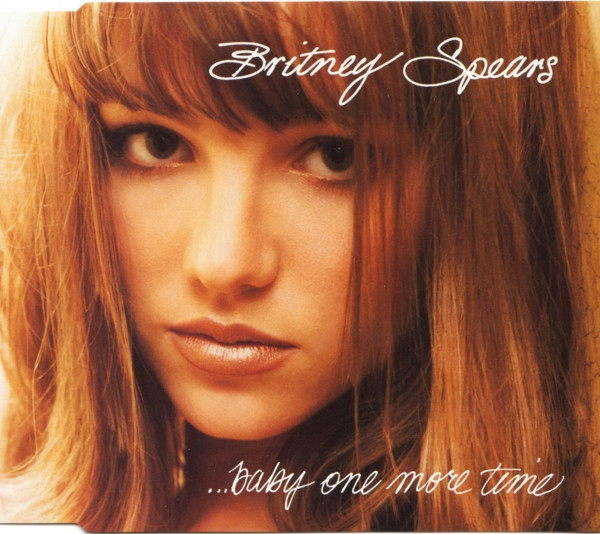
‘…Baby One More Time’, by Britney Spears – #1 for 2 weeks in February/March 1999
But is ‘Believe’ better than this…? I still don’t know. They’re both great, they both bring this rundown to a close, and both represent the best of the nineties’ poppy final years. In my mind, though, ‘Believe’ is ’90s through and through, whereas ‘…Baby One More Time’ feels much more of the 21st Century. Which means it’s the prefect record to end on, really.
Since this officially closes both the 1990s, and the 20th century, as far as this blog is concerned, here are the fifty best number one singles of the singles chart’s first five decades, according to me. Deep breath…
‘Look at that Girl’, by Guy Mitchell (1953) ‘Such a Night’, by Johnnie Ray (1954) ‘Mambo Italiano’ by Rosemary Clooney (1955) ‘Cherry Pink and Apple Blossom White’, by Perez Prado & his Orchestra (1955) ‘Dreamboat’, by Alma Cogan (1955) ‘Why Do Fools Fall in Love’, by Frankie Lymon & the Teenagers (1956) ‘That’ll Be the Day’, by The Crickets (1957) ‘Great Balls of Fire’, by Jerry Lee Lewis (1958) ‘Who’s Sorry Now’, by Connie Francis (1958) ‘Dream Lover’, by Bobby Darin (1959) ‘Cathy’s Clown’, by The Everly Brothers (1960) ‘Shakin’ All Over’, by Johnny Kidd & the Pirates (1960) ‘Telstar’, by the Tornadoes (1962) ‘She Loves You’, by The Beatles (1963) ‘Needles and Pins’, by The Searchers (1964) ‘You’ve Lost That Lovin’ Feelin”, by The Righteous Brothers (1965) ‘(I Can’t Get No) Satisfaction’, by The Rolling Stones (1965) ‘Good Vibrations’, by The Beach Boys (1966) ‘A Whiter Shade of Pale’, by Procol Harum (1967) ‘I Heard It Through the Grapevine’, by Marvin Gaye (1969) ‘Bridge Over Troubled Water’, by Simon & Garfunkel (1970) ‘Baby Jump’, by Mungo Jerry (1971) ‘Metal Guru’, by T Rex (1972) ‘See My Baby Jive’, by Wizzard (1973) ‘Tiger Feet’, by Mud (1974) ‘Can’t Give You Anything (But My Love)’, by The Stylistics (1975) ‘Space Oddity’, by David Bowie (1975) ‘Dancing Queen’, by ABBA (1976) ‘I Feel Love’, by Donna Summer (1977) ‘Heart of Glass’, by Blondie (1979) ‘Atomic’, by Blondie (1980) ‘The Winner Takes It All’, by ABBA (1980) ‘My Camera Never Lies’, by Bucks Fizz (1982) ‘Total Eclipse of the Heart’, by Bonnie Tyler (1983) ‘Relax’, by Frankie Goes to Hollywood (1984) ‘You Spin Me Round (Like a Record)’, by Dead or Alive (1985) ‘The Power of Love’, by Jennifer Rush (1985) ‘It’s a Sin’, by Pet Shop Boys (1987) ‘Theme from S-Express’, by S’Express (1988) ‘Ride on Time’, by Black Box (1989) ‘Nothing Compares 2 U’, by Sinéad O’Connor (1990) ‘Would I Lie to You?’, by Charles & Eddie (1992) ‘No Limit’, by 2 Unlimited (1993) ‘Stay Another Day’, by East 17 (1994) ‘Firestarter’, by The Prodigy (1996) ‘Setting Sun’, by The Chemical Brothers (1996) ‘Your Woman’, by White Town (1997) ‘Beetlebum’, by Blur (1997) ‘Believe’, by Cher (1998) ‘…Baby One More Time’, by Britney Spears (1999)
*Abba and Blondie get around my ‘1 song per artist’ rule by cleverly releasing two brilliant number one singles in two different decades… And 1955 emerges as officially the best year for chart-toppers! Though the ’50s had an obvious advantage in the fact that I was choosing ten #1s out of seven (and a bit) years instead of a full decade. Maybe I should trim it down to eight ’50s number ones… But that would spoil my nice round fifty.
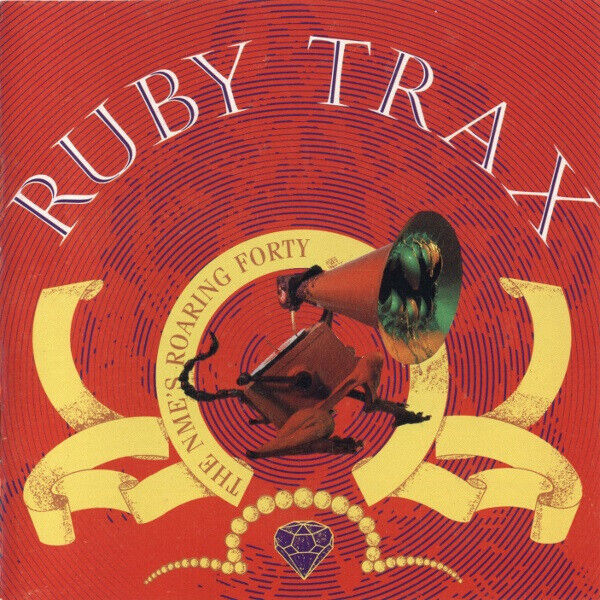
In 1992, to celebrate the 40th anniversary of the UK Singles Chart, the NME released ‘Ruby Trax’: an album of forty cover versions of number one singles. It featured acts as diverse as Billy Bragg, Dannii Minogue, and the Jesus and Mary Chain, and it is a wonder. And something I shall be mining for all my upcoming ‘Cover Versions of #1s…’ posts.
Starting with two covers by two of the early nineties’ biggest alternative bands. November 1992 saw British rock on the verge of a big shift. The following May, Blur would release the first of their Britpop trilogy, ‘Modern Life Is Rubbish’, shortly after the arrival of the eponymous debut LP from Suede.
Suede had only released two singles when they contributed this cover of the Pretenders’ ‘Brass in Pocket’ to ‘Ruby Trax’, but they were already darlings of the music press. ‘The Best New Band in Britain’ according to Melody Maker upon the release of their first single (and, in hindsight, probably the very first ‘Britpop’ single) ‘The Drowners’.
Their cover of ‘Brass in Pocket’, is a slow-burn, adding a layer of menace that the more upbeat, seize-the-day feel of the original lacks. Brett Anderson’s voice, though, has persuasive charm like Chrissie Hynde, albeit the persuasive charm of someone begging you for drugs at a party (note also the subtle lyrics changes that add some early-nineties edge). This cover wasn’t released as a single, but was included on a 2018 re-issue of Suede’s debut album.
The only single released from ‘Ruby Trax’ was by perhaps the hottest band in Britain in 1992: Manic Street Preachers. Their take on ‘Suicide is Painless’, AKA the theme from ‘M*A*S*H’, became the band’s first Top 10 hit, peaking at #7.
I’m reluctant to ever claim a cover version as ‘better’ than an original – can you ‘better’ something that isn’t your original work? – but I will say that the Manics’ version sounds much more how I imagine a song titled ‘Suicide Is Painless’ should sound. Despite the sombre topic, the light arrangment and the choral voices of the original theme mean it can’t help sounding like a TV show theme. Which, I’ll admit, was probably the point.
In the Manics’ hands, overwrought lyrics like The game of life is hard to play, I’m gonna lose it anyway… hit home. Even the clunky title line Suicide is painless, It brings on many changes… works. Just about. Of course, knowing now the widely-believed fate of Richey Edwards adds a very sad edge to the Manics singing a song about suicide. Here though, Edwards joins the band in bringing the song to a garage rock crescendo.
I hope you enjoyed these two covers, especially if they’re new to you. If anything, it’s been nice to break up the relentless pop and dance of the year 2000’s chart-toppers for a moment… A very brief moment. I’ll feature some more covers from ‘Ruby Trax’ later in the year.
This past fifty has taken us from September 1998 through to the earliest months of 2000. How to sum up, then, the number one singles that saw out the second millennium?
Boybands, random dance acts, and a whole lot of bubblegum. That should just about do it. Take the boybands first. Five groups of lads, responsible for nine different number ones. The biggest of whom have been Westlife, whose total of four in 1999 matched a record that Elvis had held for almost forty years.
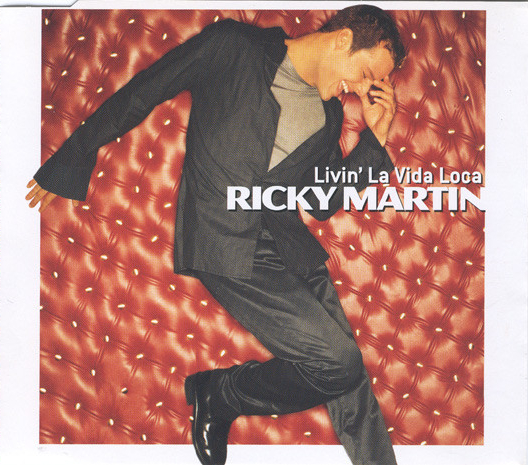
Then there’s been the former boyband members. Ronan Keating launched a solo career, while Robbie Williams scored the first two chart-toppers of his hugely successful post-Take That life. We could also throw Ricky Martin in with this lot too, although most British people wouldn’t have known him as an ex-boyband star.
What of the girl groups? Not quite as successful as the boys, but we’ve had three #1s from B*Witched, the return of All Saints, as well as The Spice Girls’ third Christmas number one in a row. Plus, the launch of two solo Spices: Mel B got in first but was soon eclipsed by Geri. All in all, that’s a lot of pop.
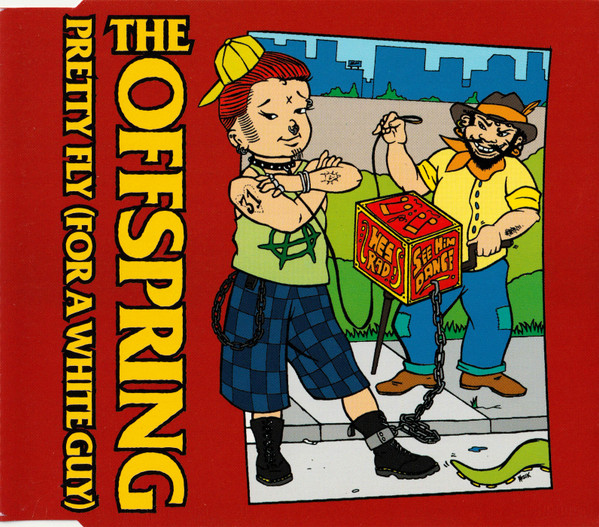
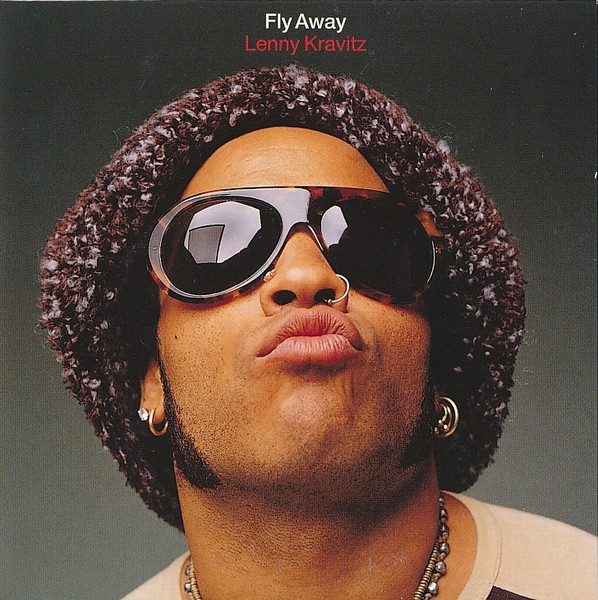
And that’s before we mention the other bubblegum acts, like S Club 7, Vengaboys, Billie, and Steps. For large swathes of this run I’ve been desperate to hear a guitar, rather than that late-nineties pre-set drumbeat and the usual post-production tinkles and record scratches. Rock acts have popped up now and then, more as novelties than anything else. The Offspring, Lenny Kravitz, Manic Street Preachers and Oasis Mk II all tried their best to cut through, but most surprising of all was the return of Blondie, almost twenty years on from their previous number one.
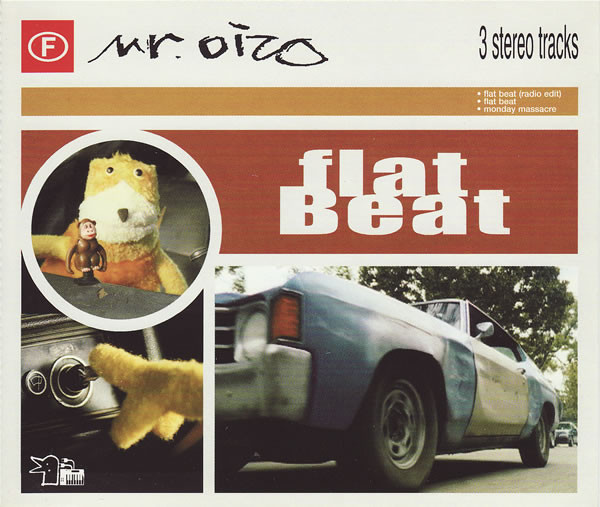
That leaves the random dance acts. They may not technically have all been one-hit wonders, but they all have one hit for which they are best remembered. Spacedust, Mr. Oizo, ATB, Eiffel 65, Wamdue Project… All legends for fifteen minutes. The two dance acts that can lay claim to having much of a chart career beyond 1999 are Fatboy Slim (who finally scored a #1 under his own steam) and Armand Van Helden, who will top the charts again a decade later.
These have been the main storylines that the most recent chart-toppers have played out, but in and around them some other fascinating tales have been told. Two pop stars for the 21st century, Britney and Christina, debuted straight at the top, while a pop star from the eighties – Madonna – proved she still had the power to provoke (covering ‘American Pie’) and to succeed (scoring the ninth #1 of her career). Meanwhile a star of the ‘60s, Cher, scored her biggest hit, and became the oldest female artist to the top the charts, with ‘Believe’.
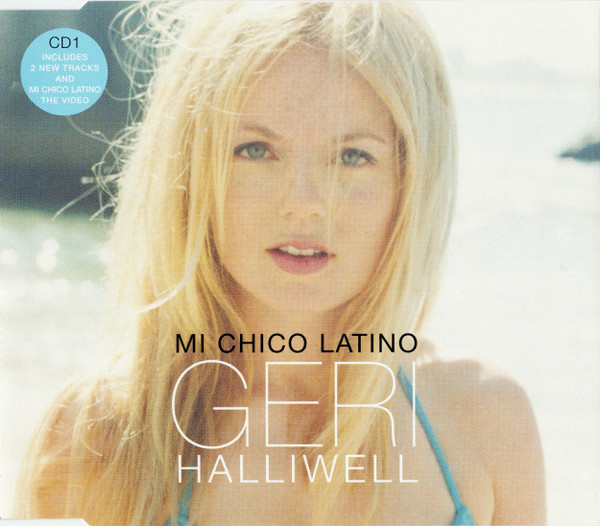
There has been the emergence of garage – another sound that will dominate in the early years of the ‘00s – through Shanks & Bigfoot and, to a lesser extent, Gabrielle’s ‘Rise’, which also brought Bob Dylan as close to a British chart-topper as he’s ever likely to get. And of course there was the Latin summer of ’99, when Spanish briefly became the lingua franca of the charts thanks to Ricky, Geri, and Lou Bega’s horny mambo-ing.
But perhaps the most important chart story of all has been the continued speedy turnover of number ones. This fifty took us a year and a half to get through (the previous fifty took almost two years), while the next fifty will be the quickest of all. Of the past bunch, only five records spent more than a fortnight at the top, and an amazing thirty-two of them only managed a single week.
To the awards, then. Starting with the Meh Award for being completely unmemorable. The two records that I was most neutral on were ‘You Don’t Know Me’ (basic dance) and ‘Rise’ (basic soul-pop). But I’m going to give this to a boyband ballad. I’m choosing Boyzone’s ‘You Needed Me’ cover not because it was any duller than the rest, but because it would feel wrong if Boyzone escaped without earning at least one of my more negative awards.
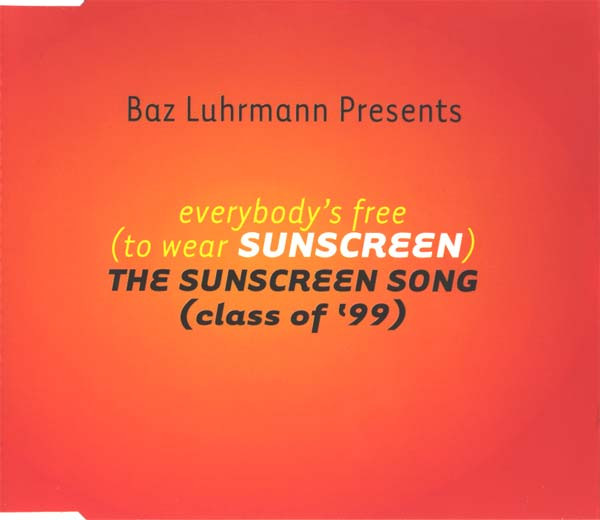
The WTAF Award for being interesting if nothing else is always a fun one to decide, and this time we aren’t short of candidates. There’s ‘Gym & Tonic’, the aerobics routine as dance track, and Chef from South Park, voiced by soul legend Isaac Hayes. There’s Mr. Oizo and Flat Eric, and Eiffel 65 with their animated blue aliens. All worthy winners at any other time. But when Baz Luhrmann’s fully spoken ‘Everybody’s Free (To Wear Sunscreen)’, based on a fictional graduation speech, is a contender then the others might as well pack up and go home.
On to the big awards, then. TheVery Worst Chart-Topper for this recap is a straight shoot-out between two truly rotten songs. ‘The Millennium Prayer’ and Westlife’s festive double-A ‘I Have a Dream’ / ‘Seasons in the Sun’, both of which ensured that the 1990s ended on a very low note. I am aware that I have previously given Cliff Richard a ‘worst’ award way back in 1965 (which seems harsh in hindsight) and so my hand is forced slightly into awarding this to Westlife. Luckily, they are very worthy winners. I am also aware that they have ten more #1s to come, and that I will have to break my own rules if I want to punish them further, but we’ll cross that bridge when we come to it.
Finally, The Very Best Chart-Topper Award. I have enjoyed chart-toppers from B*Witched (yes, B*Witched!) with ‘Rollercoaster’, Five with ‘Keep on Movin’ (the best of the boyband #1s by far), and the Manics with the blistering ‘The Masses Against the Classes’. I adore ‘Maria’, and had Blondie not already won for ‘Heart of Glass’ I might have been tempted to argue its case. But no. Instead we have two pop icons: one at the very start of her career, the other three decades deep into it. Britney versus Cher.
‘…Baby One More Time’ is objectively the better song, I think. But for the sheer brilliance of a fifty-two year old woman spending seven weeks at number one, filling the dancefloor, as well as making us ask what the hell she was doing with her voice, then Cher wins. Plus, I have a feeling Britney may well be in contention again a couple of recaps down the line…
To recap the recaps:
The ‘Meh’ Award for Forgettability:
‘Hold My Hand’, by Don Cornell.
‘It’s Almost Tomorrow’, by The Dream Weavers.
‘On the Street Where You Live’, by Vic Damone.
‘Why’, by Anthony Newley.
‘The Next Time’ / ‘Bachelor Boy’, by Cliff Richard & The Shadows.
‘Juliet’, by The Four Pennies.
‘The Carnival Is Over’, by The Seekers.
‘Silence Is Golden’, by The Tremeloes.
‘I Pretend’, by Des O’Connor.
‘Woodstock’, by Matthews’ Southern Comfort.
‘How Can I Be Sure’, by David Cassidy.
‘Annie’s Song’, by John Denver.
‘I Only Have Eyes For You’, by Art Garfunkel.
‘I Don’t Want to Talk About It’ / ‘The First Cut Is the Deepest’, by Rod Stewart.
‘Three Times a Lady’, by The Commodores.
‘What’s Another Year’, by Johnny Logan.
‘A Little Peace’, by Nicole.
‘Every Breath You Take’, by The Police.
‘I Got You Babe’, by UB40 with Chrissie Hynde.
‘Who’s That Girl’, by Madonna.
‘A Groovy Kind of Love’, by Phil Collins.
‘Do They Know It’s Christmas?’, by Band Aid II.
‘Please Don’t Go’ / ‘Game Boy’, by KWS.
‘Dreams’, by Gabrielle.
‘Forever Love’, by Gary Barlow.
‘I Feel You’, by Peter Andre.
‘You Needed Me’, by Boyzone.
The WTAF Award for being interesting if nothing else:
‘I See the Moon’, by The Stargazers.
‘Lay Down Your Arms’, by Anne Shelton.
‘Hoots Mon’, by Lord Rockingham’s XI.
‘You’re Driving Me Crazy’, by The Temperance Seven.
‘Nut Rocker’, by B. Bumble & The Stingers.
‘You’ll Never Walk Alone’, by Gerry & The Pacemakers.
‘Little Red Rooster’, by The Rolling Stones.
‘Puppet on a String’, by Sandie Shaw.
‘Fire’, by The Crazy World of Arthur Brown.
‘In the Year 2525 (Exordium and Terminus)’, by Zager & Evans.
‘Amazing Grace’, The Pipes & Drums & Military Band of the Royal Scots Dragoon Guard.
‘Kung Fu Fighting’, by Carl Douglas.
‘If’, by Telly Savalas.
‘Wuthering Heights’, by Kate Bush.
‘Hit Me With Your Rhythm Stick’, by Ian Dury & The Blockheads.
‘Shaddap You Face’, by Joe Dolce Music Theatre.
‘It’s My Party’, by Dave Stewart & Barbara Gaskin.
‘Save Your Love’ by Renée & Renato.
‘Rock Me Amadeus’, by Falco.
‘Pump Up the Volume’ / ‘Anitina (The First Time I See She Dance)’, by M/A/R/R/S.
‘Doctorin’ the Tardis’, by The Timelords.
‘Sadeness Part 1’, by Enigma.
‘Ebeneezer Goode’, by The Shamen.
‘I Would Do Anything for Love (But I Won’t Do That)’, by Meat Loaf.
‘Spaceman’, by Babylon Zoo.
‘All Around the World’, by Oasis.
‘Everybody’s Free (To Wear Sunscreen)’, by Baz Luhrmann.
The Very Worst Chart-Toppers:
‘Cara Mia’, by David Whitfield with Mantovani & His Orchestra.
‘The Man From Laramie’, by Jimmy Young.
‘Roulette’, by Russ Conway.
‘Wooden Heart’, by Elvis Presley.
‘Lovesick Blues’, by Frank Ifield.
‘Diane’, by The Bachelors.
‘The Minute You’re Gone’, by Cliff Richard.
‘Release Me’, by Engelbert Humperdinck.
‘Lily the Pink’, by The Scaffold.
‘All Kinds of Everything’, by Dana.
‘The Twelfth of Never’, by Donny Osmond.
‘The Streak’, by Ray Stevens.
‘No Charge’, by J. J. Barrie
‘Don’t Give Up On Us’, by David Soul
‘One Day at a Time’, by Lena Martell.
‘There’s No One Quite Like Grandma’, by St. Winifred’s School Choir.
‘I’ve Never Been to Me’, by Charlene.
‘Hello’, by Lionel Richie.
‘I Want to Know What Love Is’, by Foreigner.
‘Star Trekkin’’, by The Firm.
‘Nothing’s Gonna Change My Love for You’, by Glenn Medeiros.
‘Let’s Party’, by Jive Bunny & The Mastermixers.
‘(Everything I Do) I Do It for You’, by Bryan Adams.
‘Don’t Stop (Wiggle Wiggle)’, by The Outhere Brothers.
‘Unchained Melody’ / ‘White Cliffs of Dover’, by Robson & Jerome.
‘C’est la Vie’, by B*Witched
‘I Have a Dream’ / ‘Seasons in the Sun’, by Westlife.
The Very Best Chart-Toppers:
‘Such a Night’, by Johnnie Ray.
‘Cherry Pink and Apple Blossom White’, by Perez ‘Prez’ Prado & His Orchestra.
‘Great Balls of Fire’, by Jerry Lee Lewis.
‘Cathy’s Clown’, by The Everly Brothers.
‘Telstar’, by The Tornadoes.
‘She Loves You’ by The Beatles.
‘(I Can’t Get No) Satisfaction’, by The Rolling Stones.
‘A Whiter Shade of Pale’, by Procol Harum.
‘I Heard It Through the Grapevine’, by Marvin Gaye.
‘Baby Jump’, by Mungo Jerry.
‘Metal Guru’, by T. Rex.
‘Tiger Feet’, by Mud.
‘Space Oddity’, by David Bowie.
‘I Feel Love’, by Donna Summer.
‘Heart of Glass’, by Blondie.
‘The Winner Takes It All’, by ABBA.
‘My Camera Never Lies’, by Bucks Fizz.
‘Relax’ by Frankie Goes to Hollywood.
‘You Spin Me Round (Like a Record)’, by Dead or Alive
















 The UK Number Ones Blog