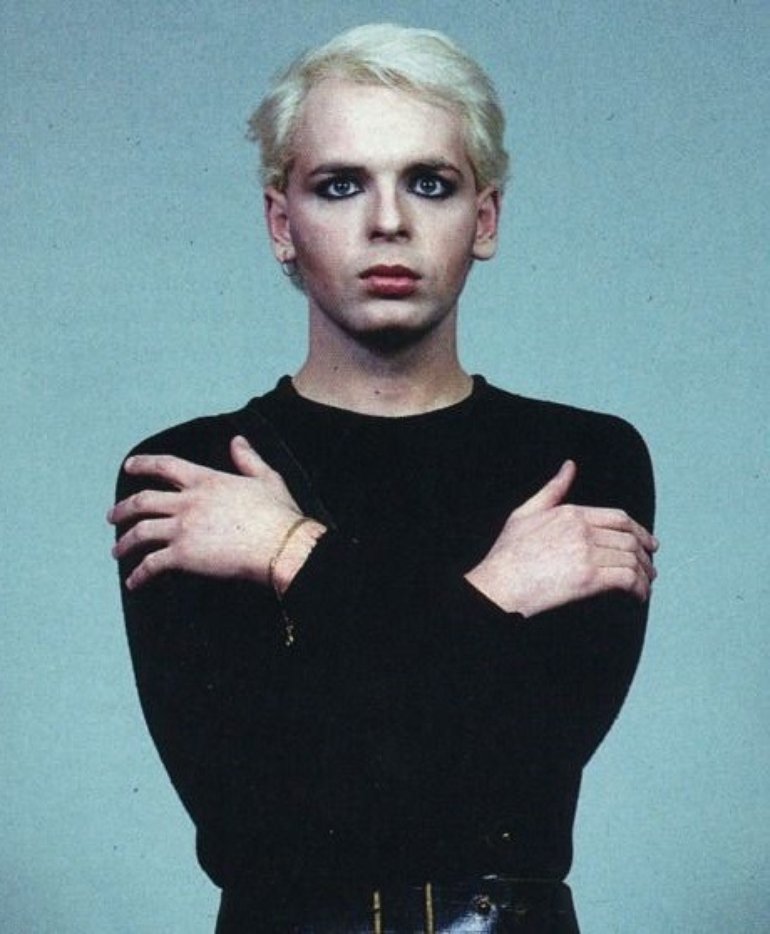
For our second On This Day feature, we start with a birthday. New wave, synth pop, goth rock legend Gary Numan celebrates his 66th today. He is probably best known for his solo number one ‘Cars’, but I’m going to link this to his slightly earlier chart-topper with Tubeway Army, the eerie, industrial ‘Are “Friends” Electric’.
Looking back, I think the period between 1979 and 1981 had some of the strangest, most un-commercial sounding #1s, and this has to be one of the strangest, most un-commercial sounding of the lot.
On this day in 2016, the world bid farewell to producer Sir George Martin. He is of course most famous for his work with the Beatles, but he also sat behind the desk on #1s for Billy J Kramer, Gerry & The Pacemakers, Cilla Black, and on the best selling single of all time, ‘Candle in the Wind ’97’. Here though is his first chart-topper, the completely unexpected, yet quite magical, ‘You’re Driving Me Crazy’, by the Temperance Seven.
While in 2003, March 8th saw the death of one of the first modern British pop stars, Adam Faith. He had two number ones, the second of which, ‘Poor Me’, also happened to be at the top on this day in 1960. I remember quite liking the dramatic strings and Buddy Holly-inspired vocals when I wrote my post on it, and it remains a striking number one record. Faith moved into acting, and remained on stage and screen right through to his death. And on the anniversary of his passing, it would be remiss of me not to quote his supposed final words: “Channel 5 is all shit, isn’t it?” Few truer words have ever been uttered.
As part of our drive to diversify, I’m going to start sprinkling my ‘Random Runners-Up’ at fittingly random points in the schedule (as opposed to devoting a week to them every year), and also tying them to the date on which I’m posting. And so, at number two in the charts on this day fifty-four years ago, we have something that sounds a little familiar…
The Pushbike Song, by The Mixtures
#2 for 4 weeks, from 31st January – 28th February 1971
The percussion and proto-beatboxing that the Mixtures, an Australian band, use here are the spit of Mungo Jerry’s monster hit from the previous year, ‘In the Summertime’. To complicate matters further, the Mixtures had already had a huge hit in their homeland with a cover of ‘In the Summertime’. (Their version had in fact knocked Mungo Jerry’s off number one). This was apparently brought about by a ‘pay for play’ dispute between Aussie broadcasters and record labels, leading to a surge of copycat cover versions of popular hits.
But what this tune lacks in originality, it makes up in catchy enthusiasm. The British public clearly enjoyed this sound as, fresh from making ‘In the Summertime’ the biggest selling single of 1970, they helped ‘The Pushbike Song’ spend a full month in the runners-up position in February 1971, behind George Harrison’s ‘My Sweet Lord’. Incredibly, the record that finally knocked them down to #3 was… ‘Baby Jump’ by Mungo Jerry.
And after all the many rock songs about hot rods and hogs, who would deny the humble pedal bike its moment in the sun? Round, round wheels going round, round, Down up pedals up down… Queen may have since recorded the definitive bike song, but The Mixtures made their own contribution to the cycling canon. They didn’t do much else mind, and are bona fide one-hit wonders on the British chart.
A very Happy New Year to you all, and a warm welcome back to the UK Number Ones Blog. I hope you had a good festive period, managed to celebrate, relax, and (in my case) catch up with writing about some soon-to-come number ones. Before we resume our journey through the late, late-nineties, I’m debuting a new feature!
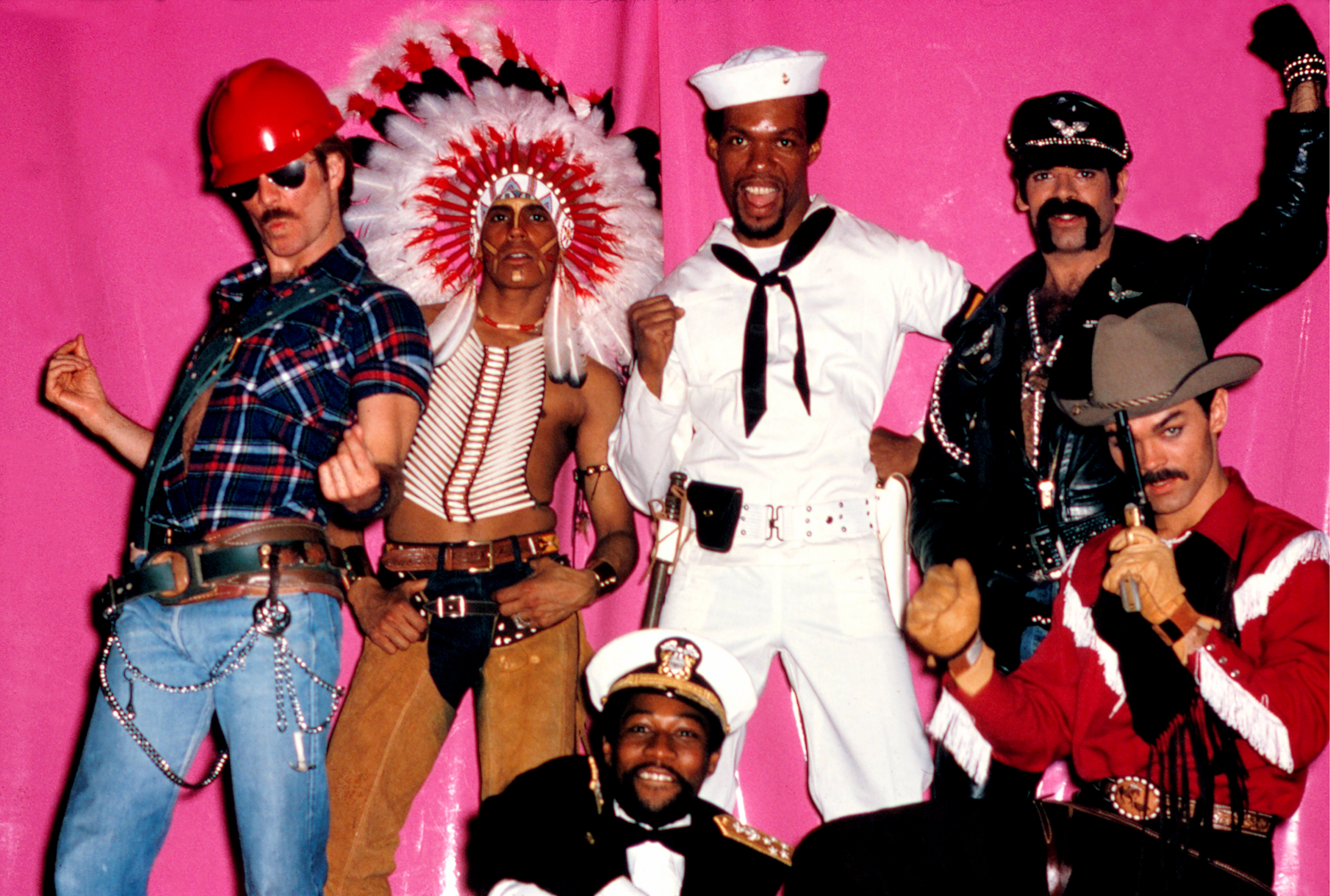
The Village People, group portrait, New York, 1978. (Photo by Michael Putland/Getty Images)
‘On This Day…’ will do pretty much exactly what it says on the tin. I’ll intro a few of the records that have been top of the charts on a particular date in history, as well as mentioning a few births, a few deaths, and a few interesting occasions that tie into a particular chart-topper. The hope is that readers will be able to delve into my back-catalogue of posts, and find something I wrote long before they started following this blog. Or people can, y’know, just enjoy the tunes!
First up, number one on this day in 1962, we have a stone-cold classic:
‘Moon River’, from the soundtrack to ‘Breakfast at Tiffany’s’ is one of the great songs of that supposedly fallow period between rock ‘n’ roll and The Beatles. In the film it is sung by Audrey Hepburn, at the Academy Awards that year it was performed by Andy Williams, while an instrumental version by the song’s composer Henry Mancini and a version by Jerry Butler were hits in the US. In the UK, however, it was left to South African-born Danny Williams to have the most succesful version of all. You can read my original post on ‘Moon River’ here.
Meanwhile on this day in 1923, radio host, record producer, and founder of the legendary Sun Records label, Sam Phillips was born in Alabama. He is most famous for his work with a young Elvis Presley, although he also produced Roy Orbison, Johnny Cash, Carl Perkins and many of the other early rock and roll stars. His only contribution to the top of the UK singles chart, however, was this banger:
Here’s my original post on ‘Great Balls of Fire’. If you’re only going to top the charts once, might as well make it good ‘un. Speaking of which, number one on this day in 1979 we have perhaps the ultimate guilty pleasure. There is not a soul alive who hasn’t done the dance to the ‘YMCA’, however grudgingly, and not even the recent gyrations of Donald Trump can truly sour this wedding reception classic. Even more recently, Village Person Victor Willis (AKA the cop) has been threatening to sue anyone who claims that ‘YMCA’ – a song with the lyric: They have everything for young men to enjoy, You can hang out with all the boys… – has any homosexual connotations. Whatsover. No sirree. To which we can all say, ‘Okay honey…’ (Original post here.)
In sadder news, on this day in 1998, Sonny Bono died following a skiing accident in Nevada. He was of course the singing partner, and former husband, of Cher, with whom he enjoyed his sole chart-topper ‘I Got You Babe’ in 1965. I wrote about it, the 201st #1 single, way back in 2019.
Finally, one of the least likely number one singles of all time was sitting astride the charts on January 5th 1991. Early January is a bit of a dead zone for chart-toppers, as in most years the Christmas leftovers are still clinging on top with little competition. Iron Maiden spotted an opportunity, and released ‘Bring Your Daughter… To the Slaughter’ in the final week of 1990. Their devoted fanbase, as well as the publicity of knocking the God-bothering Cliff Richard’s ‘Saviour’s Day’ off #1, delivered the heavy metal legends their biggest hit. (Original post here.)
I hope everyone enjoyed this new feature, and won’t mind if it pops back up ever few weeks. I’m also going to be doing more regular posts on cover versions, number two singles, ‘Remembering’ features, ‘Best of the Rests’ and ‘Today’s Top 10s’, as well as a new look at the ‘B’-sides to famous number ones. The main focus will of course still be on the chart-toppers; just a little more regularly interspersed with interesting detours through chart history!
For our last post of the year, let’s take a look at some classic Christmas number ones, but in versions you might not have heard before… Some good, some not so good, some just plain odd.
Starting with the daddy of all festive chart-toppers, Slade’s ‘Merry Xmas Everybody’. Noel Gallagher recorded a cover for the ‘Royle Family’ Christmas special in 2000 (a sitcom that his band had famously contributed the theme song for). It sounds exactly as you’d expect Noel Gallagher doing a cover of Slade’s Christmas classic would. Except it lacks the raucous energy of the original, instead opting for a woozy drone. And there’s no It’s Chriiiiissssttttmmmmmaaaaasssss…. So shame on you, Noel.
That same year, way over on the other side of the pop spectrum, Steps recorded their own version, and is it wrong that I’m enjoying this version more…? For a start, they lead with It’s Christmaaaaaas… so bonus points there. But there’s also something in the propulsively camp beat, and the faux-Cher autotune, that is more in keeping with the anarchic original.
Or if neither of those straight covers do it for you, then how about this remix that made #30 in 1998? It’s a bizarre record: a fairly anonymous trance beat over which Slade occasionally pop up. Flush were a Swedish act, and this was presumably made with Slade’s permission, given that it’s Noddy Holder’s vocals.
Christmas #1 the year following Slade’s colossus, Mud took a more sombre approach to festive pop on ‘Lonely This Christmas’. In 2013 Traitors! recorded this fun pop-punk version for a charity album called ‘It’s Better to Give than to Receive’. And that’s about all I know. The band don’t have a website or Wiki page, and their only other release seems to have been a four track EP. I don’t even remember where I heard this version first, but it’s been on my festive playlist for a few years now. So thank you Traitors!, whoever you are/were.
Of course, Christmas is actually about more than just presents and gluttony… There’s also ‘Die Hard’. I mean, there’s also the birth of our Lord and Saviour, Jesus H Christ. And sometimes religious songs have made Christmas number one, such as in 1976. Johnny Mathis’s version of ‘When a Child Is Born’ is fairly gentle and respectful, not enough to wake the sleeping babe in his crib. The same cannot be said for larger than life Greek Demis Roussos, who rattles the gates of heaven with his bombastic take. If I were Jesus, I know which approach I’d prefer.
And then there are the times when the festive number one isn’t about Christmas at all. in 1979, Pink Floyd made number one with their first chart hit in over a decade, ‘Another Brick in the Wall Pt II’. In 2004, nu-metal band Korn covered all three parts of the song (Pt II starts around the 1:30 mark). It was described as “one of the worst classic rock covers of all time” by Ultimate Classic Rock magazine, but I suspect they might be a tad biased against anything released post-1980. I’d call it a brutally efficient cover version.
‘Another Brick in the Wall Pt II’ then returned to the charts in 2007 when remixed by Swedish DJ Eric Prydz. His take, ‘Proper Education’, made #2, and gave us an interesting video in which a group of young hooligans break into some flats and… turn off all the energy wasting devices.
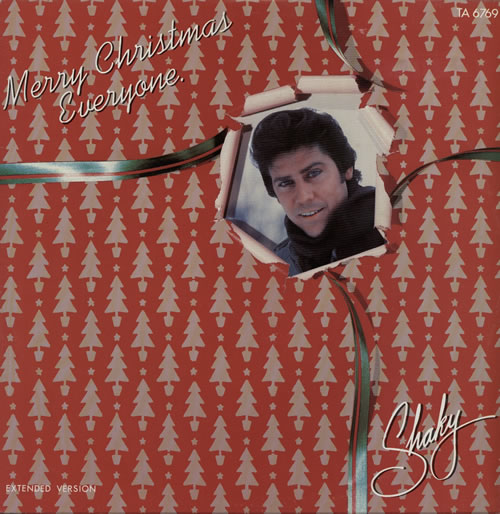
Our final cover is a 2015 remake of Shakin’ Stevens’ 1985 Xmas #1 ‘Merry Christmas Everyone’, by Shaky himself. ‘Echoes of Merry Christmas Everyone’ is a completely re-imagined bluegrass version, with lots of banjo and harmonica, recorded to raise money for the Salvation Army, and it’s amazing how a jaunty, slightly irritating original, was transformed into a melancholy, slightly haunting cover.
That’s it from the UK Number Ones Blog for 2024! I’m going to take a couple of weeks off, before returning in the first week of January, when I’ll be launching a couple of new features to mix things up in amongst all the usual chart toppers. I’d like to thank everyone who has read, followed, liked and commented this year, and wish you all a very merry Christmas and a happy new year!
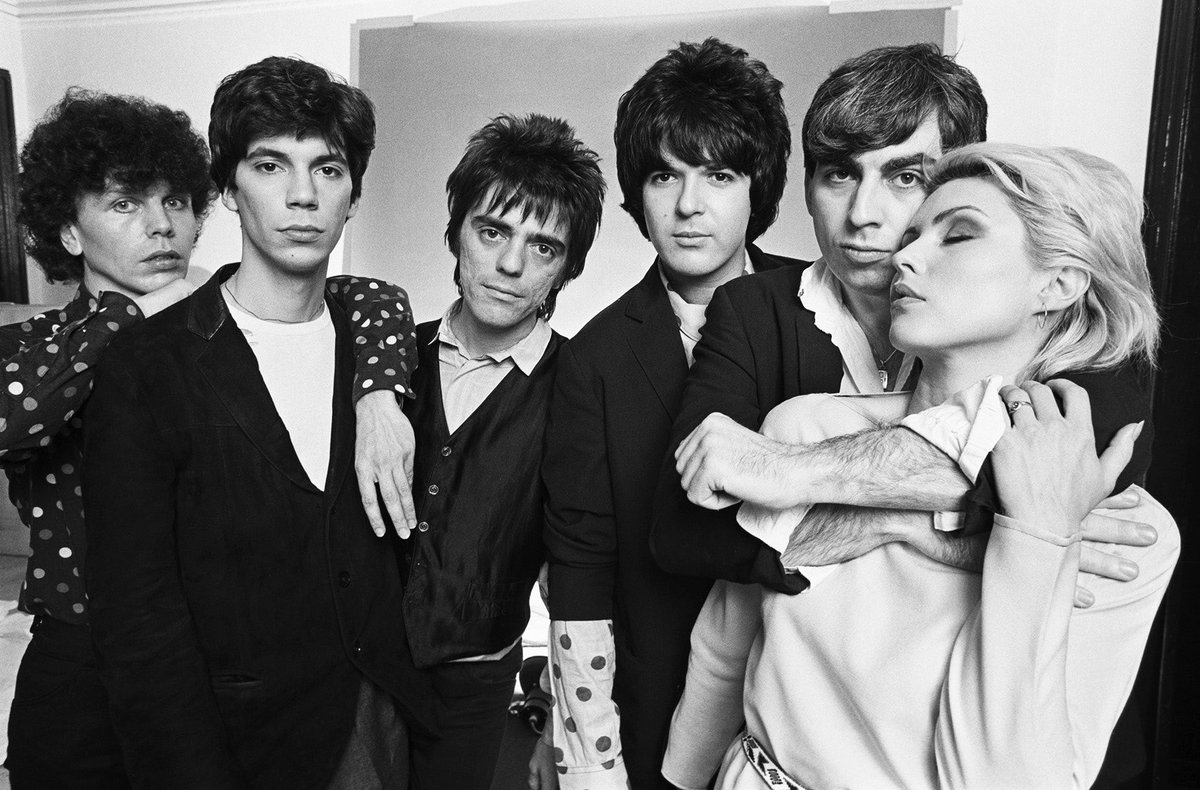
I’ve had this post planned for a long, long time, but had to hold off in the knowledge that Blondie would have the glorious, belated coda to their chart-topping career that was ‘Maria’. Now that their 6th and final number one has been and gone, I can rank the new-wave icons’ eleven other UK Top 40 hits. Hurrah!
Restricting myself to Top 40 hits means that we can’t include that run of glorious early singles – ‘X Offender’, ‘In the Flesh’, ‘Rip Her to Shreds’ – all of which would have come close to topping this list, but which never made the hit parade. It also excludes ‘One Way or Another’, which was never a single and only charted at #98 after One Direction covered it in 2013. On with the countdown!
11. ‘Nothing Is Real But the Girl’ – #26 in 1999
A much more down-to-earth follow-up to the heavenly ‘Maria’. It’s got a good driving beat, Harry on top vocal form, and some quality drum fills. Blondie 101. Plus, as others have pointed out, it shares a bassline with ‘Suzy and Jeffrey’, the great B-side to ‘The Tide Is High’. Still, somehow it doesn’t equal the sum of its parts, and leaves me fairly cold.
10. ‘Island of Lost Souls’ – #11 in 1982
It’s surprising just how quickly Blondie’s chart form fell off a cliff. A year and a half after their ‘final’ number one, the lead single from 6th album ‘The Hunter’ failed to make the Top 10. ‘Island of Lost Souls’ is a more extreme version of ‘The Tide Is High’s reggae leanings, going full-on calypso. I don’t think it’s a particularly bad song, I’m just not sure why Blondie felt the need to record it and/or release it as a single. Still, the line Hey buccaneer, Can you help me get my truck in gear? is enough to prevent this from ranking last.
9. ‘Rapture’ – #5 in 1981
On the one hand, I respect what ‘Rapture’ (RAP-ture, get it?) does. It’s brave, it’s boundary pushing, it’s disco, new wave and hip hop all in one. Plus, it contains lines about men from Mars shooting you dead and eating your head, before ending with a cool guitar-slash-saxophone solo. It was also the first US #1 to feature rapped lyrics. And yet… I’ve never particularly liked it. Sorry.
8. ‘War Child’ – #39 in 1982
‘The Hunter’ is a pretty poor album, from a band that just a few years earlier were churning out classic LPs by the year. But it has two good songs – the Bond-theme that never was, ‘For Your Eyes Only’ – and this, the second single (Blondie’s last for seventeen years). It’s a counterfeit ‘Call Me’, with a propulsive electro beat, some wild saxophoning, and lyrics about Cambodian child soldiers. It deserved better than a #39 peak.
7. ‘(I’m Always Touched By Your) Presence, Dear’ – #10 in 1978
This bit of power-pop showed a softer side to the band’s earlier output, and earned them their second UK Top 10. It could almost be classed as a novelty, in the way it describes being in love with a mind reader, and pokes fun at psychic frequencies and outer entities, though Harry delivers it all in an cooly earnest deadpan. At the very least, someone was taking the piss when placing those brackets in the title…
6. ‘Good Boys’ – #12 in 2003
I’ve seen ‘Good Boys’ described as the great, lost Blondie single. Which feels strange to me, as it’s been one of my favourites for years. But then maybe it was a case of right place right time, as I was at the height of one of my chart-watching phases, and seem to be one of the few who noticed it making #12 in August 2003. A bit poppier, and funkier, than ‘Maria’ a few years earlier, Harry had another crack at rapping on this one, and the band had to acknowledge Queen in the credits after borrowing heavily from ‘We Will Rock You’.
5. ‘Union City Blue’ – #13 in 1979
It’s not up for debate that Blondie were a pretty freakin’ cool band, but have they ever looked cooler than in the video to ‘Union City Blue’, all suited and booted (orange jump suit-booted in Debbie H’s case) on a dry dock? They do their best to spoil all this in the second half of the video, cutting some goofy shapes once night has fallen, but let’s pretend that never happens. This song just sounds so epic, from the cascading intro, to Clem Burke’s majestic drumming, to that revving bass in the break before the final verse.
4. ‘Hanging on the Telephone’ – #5 in 1978
Blondie had a knack for covering the right songs, songs that hadn’t been big hits in the first place and that people would assume were Blondie songs all along… (see the next song in this list for another great example). ‘Hanging on the Telephone’ had been recorded by the Nerves in 1976, and Blondie’s cover is pretty faithful, just a bit tighter, a bit sharper, and a bit better. I can even pinpoint the very moment that this transcends its original version: the extra throaty woahwoahwoah that Harry adds right at the end. It’s also another fine example of what I’ll call Blondie’s knack for stalker-chic – see also ‘X Offender’ and the song at #2 in this list – songs with creepy lyrics that they get away with because Debbie Harry was such a doll.
3. ‘Denis’ – #2 in 1978
Speaking of having a knack for covering the right songs… Though Blondie didn’t so much as cover ‘Denis’ as kidnap it, brainwash it, and convince it that it was their song all along. The original, ‘Denise’, by the excellently named Randy & the Rainbows, was an average slice of mid-tempo doo-wop. In Blondie’s hands it became both a razor-sharp pop tune, and a post-punk classic with just enough cooly detached irony. As well as their first big hit.
2. ‘Picture This’ – #12 in 1978
Blondie seemed to lose some momentum with the release of the lead single from their third album, ‘Parallel Lines’. Of course, that album would go on to do alright for itself, and the subsequent hits would overshadow this brilliant new-wave single. As mentioned, Blondie did a good line in oldies covers, but they also did a great line in making new songs with all the hallmarks of the classics. ‘Picture This’ has hooks galore, and could have been a sixties girl-group hit. Though not many sixties girl-groups would have gotten away with lines like: I will give you my finest hour, The one I spent watching you shower…
1. ‘Dreaming’ – #2 in 1979
Blondie are not a band poorly served by their number one singles. They released some outright, all-time classics, and most of them got to the top of the charts. But if there was one single of theirs that deserved to join the ranks of ‘Heart of Glass’, ‘Atomic’, or ‘Call Me’, then it’s ‘Dreaming’. Like ‘Picture This’, it takes some classic pop group hooks, and melodies, (it’s apparently based on ‘Dancing Queen’, though I don’t hear it myself), and beefs them up into something wonderful. Clem Burke’s drumming is a stand out on this record, though he claims he was over-egging his drum fills, assuming that producer Mike Chapman wouldn’t use that take.
I’ve noticed that I quoted quite a few of the lyrics from the past ten songs, not realising just how epic, and often hilarious, Blondie’s lyrics were. To the ‘hilarious’ pile I’ll add Harry’s opening couplet: When I met you in the restaurant, You could tell I was no debutante… And to the ‘epic’ pile I’ll nominate a sentiment we can all agree with: Dreaming, Dreaming is free…
Thanks for reading, and do let me know if you agree with my ranking in the comments.
Before going, I must mention that over the weekend I wrote a guest blog post for Keith AKA the Nostalgic Italian, all about our memories of the toys that we grew up with. I managed to stay on-brand and tied my post into a number one single. Check it out here!
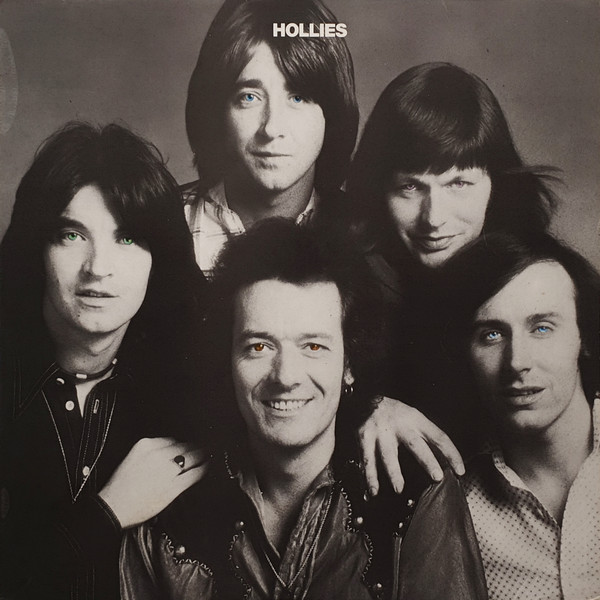
Like Fleetwood Mac yesterday, The Hollies had more succesful eras than the one we’re covering today. Between 1963 and 1970 they racked up a very impressive sixteen Top 10 hits, including the chart-topping ‘I’m Alive’. Also like Fleetwood Mac, by the time their biggest seventies hit came along, two founding members – Graham Nash and Eric Haydock – had left for pastures new.
‘The Air That I Breathe’ is a big, beast of a song. The sort of song that you know is going to be huge from its opening, extended guitar chord. It crams a lot into its four and half minute runtime, including that soaring chorus, and a couple of chiming guitar solos. But for me the best bit is the first bridge, as Alan Clarke floats in the Makin’ love with you, Has left me peaceful, Warm and tired… line without taking a breath. Plus, any pop song which has the confidence to make you wait almost two minutes for the first chorus gets a nod of approval from me.
‘The Air That I Breathe’ has a bit of history to it, before and after this version. It was originally written and recorded by Albert Hammond in 1972, then covered by Phil Everly before becoming a worldwide smash thanks to The Hollies. Twenty years later, and Radiohead fairly obviously cribbed the verse melody for their breakthrough hit ‘Creep’. Hammond and co-writer Mike Hazlewood sued, but accepted only a small amount of co-writing royalties as Radiohead were ‘honest’ about their recycling. Radiohead themselves took Lana Del Rey to court when she released ‘Get Free’ in 2017, again borrowing what is clearly a very potent melody.
A famous sixties act scoring a hit in the seventies is a big thing, as it sometimes feels like there was a clear line in the sand drawn after the Beatles split. The Stones managed it, obviously, and The Who, but most others struggled. ‘The Air That I Breathe’ was The Hollies’ swansong, their last visit to the Top 10. Or should I say it was their ‘first’ swansong, as of course ‘He Ain’t Heavy, He’s My Brother’ found a new lease of life thanks to Miller Lite, and belatedly made #1 in 1988. As much as I do admire ‘He Ain’t Heavy…’, I do rather wish it had been ‘The Air That I Breathe’ that was given a second run at the charts. I’m not sure it’s my favourite Hollies’ song, as some of their sixties beat hits hit just the right spot for me, but its certainly their most epic.
We finish Cover Versions week with a two-for-the-price-of-one deal. Rod Stewart scored his 4th number one in 1977 with two covers of acoustic classics – ‘I Don’t Want to Talk About It’ and ‘The First Cut Is the Deepest’. I was a bit hard on it when recapping (I gave it a ‘Meh’ Award), and by far the most memorable thing about the record is that it kept the Sex Pistols’ ‘God Save the Queen’ off the top… fairly or otherwise.
But really, both songs are quite lovely. If either had topped the charts on their own, it would have been fine. Both together, with Rod dragging the arse out of them, and I got a bit bored. Luckily for us, there are plenty of other versions of both songs for us to get our teeth into.
Both songs existed before Rod got his hands on them. ‘I Don’t Want to Talk About It’ was recorded by US band Crazy Horse, for their first album after Neil Young had left them to form Crosby, Stills, Nash & Young. Stewart didn’t stray very far from this when recording his own hit version. It’s very early-seventies country-rock, and hides a tragic backstory in the fact that the writer (and singer of this original) Danny Whitten would die of a drug overdose barely a year after it was recorded.
For something a bit different, we’d have to wait until 1988, when Everything But the Girl made #3 with their own version. In truth, it’s more the band performing it that makes this one stand out, as it’s a similarly heartfelt, acoustic take, albeit it with a few more strings. This was the duo’s only Top 10 hit between their debut in 1982, and their now signature song ‘Missing’ in 1995.
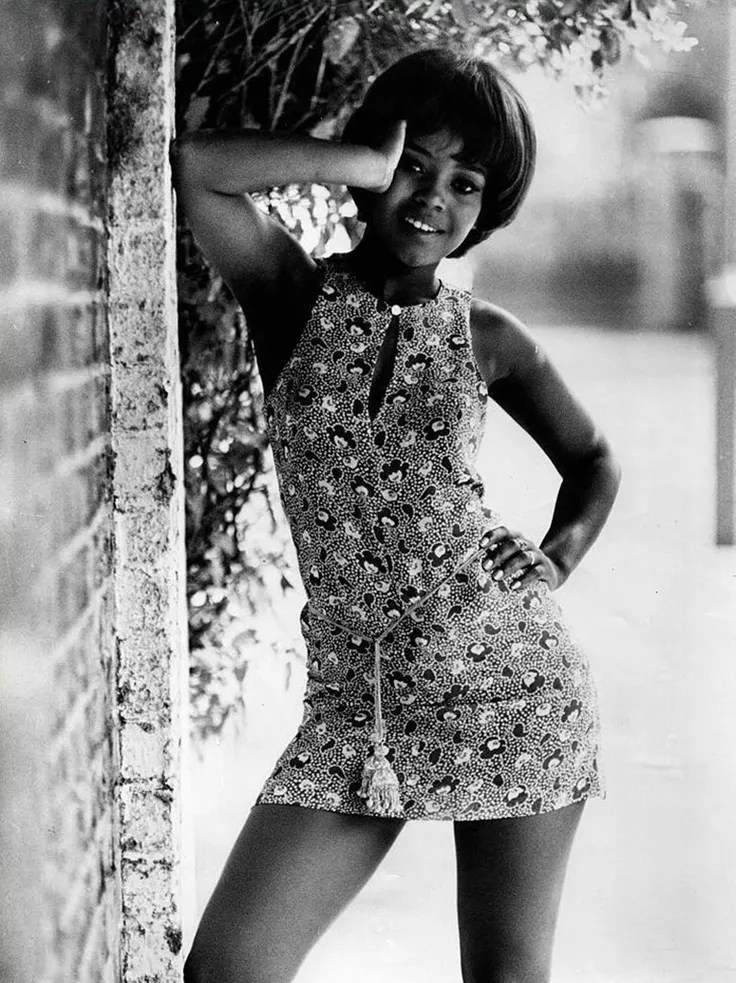
‘The First Cut Is the Deepest’ dates back further than ‘I Don’t Want…’, as it was written by Cat Stevens in 1965. Stevens sold the song for thirty pounds to US soul singer P.P. Arnold, who was the first to have a hit with it in 1967. Her version has an interesting production: part-Motown, part-sixties beat band, part-soul stomper… Sonically it’s more enjoyable, for me, than any of the more straightforward, guitar-led versions.
Cat Stevens would eventually record his own version as an album track, while it was a Canadian number one in 1973 in a particularly strident version by Keith Hampshire. Then thirty years later, Sheryl Crow brought the song back to the charts with a fairly predictable cover, put out as the ‘new’ single on a Best Of album. By far the most unusual cover of ‘The First Cut Is the Deepest’, though, came in 1995 from Swedish rapper Papa Dee. It’s a classic slice of mid-nineties reggae-pop, complete with an Ace of Base beat and a ragga break in the middle. I’m suprised it wasn’t a hit in the UK, given how many reggae interludes we’ve enjoyed in recent months. Still, it was popular across Europe, especially in Scandivania, where it went Top 10 in Sweden, Denmark, and Norway.
I hope you’ve enjoyed ‘Cover Versions’ week, and have perhaps heard a version of a well-known hit that was new to you. I know I did! This weekend we’ll get back to more familiar songs, and artists, starting with possibly the most anticipated single of the 1990s.
Two different cover versions today, starting with a remake that made #1 in the States but only got to #7 in the UK. Similarly, the original ‘Mony Mony’ had been Tommy James & the Shondells’ only British hit, despite the band racking several more in the USA. Billy Idol first recorded ‘Mony Mony’ for his debut solo EP after leaving Generation X, in 1981. It didn’t chart, and is a bit more poppy than the live version, recorded in 1985 but not released until two years later. That is much more indebted to hair metal acts like Bon Jovi and Motley Crue, who were ubiquitous at the time. It’s fun, but then I have a soft spot for the days when rock stars looked more poodle than human, and probably kickstarted gobal warming with the amount of hairspray they released on the world. Interestingly, Idol’s cover of ‘Mony Mony’ was replaced at number one on the Billboard Hot 100 by Tiffany’s ‘I Think We’re Alone Now’, which was originally recorded by… Tommy James & The Shondells.
Here’s the ‘original’, studio version…
‘You Spin Me Round (Like a Record)’, by Sweet
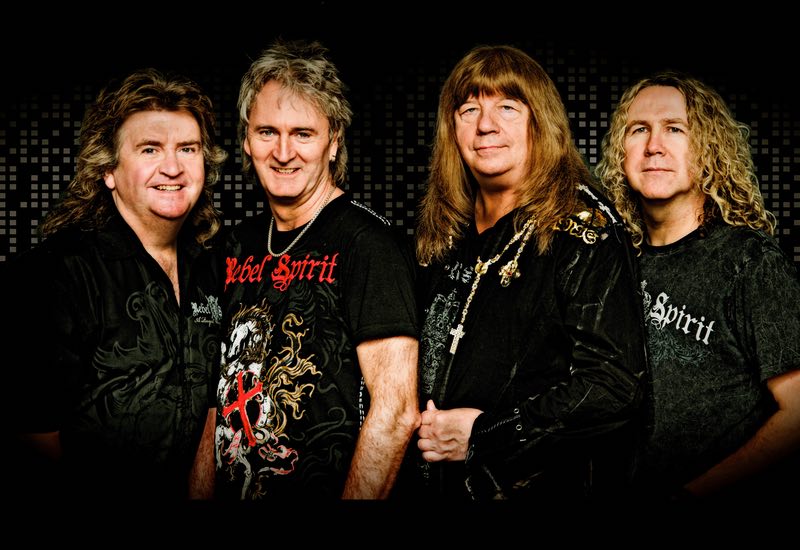
I love Dead or Alive’s ‘You Spin Me Round (Like a Record)’, so much so that I named it as one of my twenty-six ‘Best’ chart-toppers. One of the reasons I like it is that the synths are so clanking and tinny, and the pace so relentless, that it could easily work as a hard rock song. Enter glam legends the Sweet, who recorded it for a 2012 album of cover versions. Sweet weren’t the first rock act to take the song on, as this nu-metal version by Dope attests (think Limp Bizkit on poppers), but I’m featuring them as they were cruelly deprived of chart-toppers back in the ’70s (five #2s alongside their only #1, ‘Block Buster!’)
What I want to hear now is a whole album of SAW covers by rock and metal acts… Black Sabbath doing Kylie, Mel & Kim’s ‘Respectable’ reimagined by Pearl Jam… It would be a best-seller, surely.
A Happy Easter to all who celebrate it. I’m launching a new feature this Easter Sunday, something to enjoy while rendered immobile by one too many chocolate eggs… ‘Today’s Top 10’! My blog focuses very intently on every song that’s made #1 in the UK, and I often try to draw conclusions on how popular music has been shaped, and has shifted, over the years based on one tune alone. Which is actually quite limiting, because the singles charts have always been about more than just the number one. Over the 70-plus years of the singles chart, we’ve had a weekly Top 12, a Top 30, a Top 40, a Top 75, and now a Top 100.
So I want to, every so often, single out a random Top 10 from history, to look at in more detail. My version of ‘Pick of the Pops’, if you will. Cue the music….! Completely at random, using an online date generator, the first to come out the hat was 1970: the singles chart as it stood fifty-four years ago today. It features, inevitably, a #1 we’ve met before (plus one former #1), as well as songs by some of the biggest acts of all time. So let’s crack on…
#10 – ‘Don’t Cry Daddy’, by Elvis Presley (down 1 / 6 weeks on chart)
The early-seventies was a sort of musical wilderness: after the post-sixties comedown, a year or so out from the glam rock takeover of 1972-73. Speaking of musical wildernesses, here’s Elvis with a maudlin ballad about a break-up (or is it a mother’s death?) written from the POV of the couple’s daughter. Elvis croons the life out of it, and that voice could sell anything, but even he struggles to imbue lines like Daddy you’ve still got me and little Tommy, Together we’ll find a brand new mommy… with any sort of gravitas. He was still capable of greatness in the early seventies – in a few months he’d be back on top with one of his biggest hits, ‘The Wonder of You’ – but this is pretty saccharine.
#9 – ‘Everybody Get Together’, by The Dave Clark Five (down 1 / 5 weeks on chart)
The DC5 had scored their one and only #1, the stomping ‘Glad All Over’, more than six years earlier. So it is impressive that they were still hanging around the Top 10, when so many of their ’60s contemporaries had already faded away. This is a call-to-arms, a song with a message: Everybody get together, Try to love one another right now… Originally written as a folk song, and a hit in 1967 for the Youngbloods at the height of flower-power, The Dave Clark Five clearly felt that the sentiment was worth one more go. But there’s a droning, heavy feel to this version that feels weary, as if they’ve given up on the message even before the end of the song. It’s appropriately downbeat, perhaps, for the end of the sixties and the start of an uncertain new decade. Fitting too, as this was the Five’s final Top 10 hit. They would disband by the end of the year.
#8 – ‘Something’s Burning’, by Kenny Rogers & The First Edition (up 3 / 9 weeks on chart)
New to this week’s Top 10, and maintaining our run of hits by artists that we’ve already met in the #1 position, it’s Kenny Rogers and The First Edition with a sexy, sexy song. The verses are soft and slinky, lines like You lie in gentle sleep beside me, I hear your warm and rhythmic breathing… but it builds to a heated crescendo in the chorus. Kenny growls Here it comes, Can’t you feel it baby… and we know he’s not talking about the No. 42 bus. Lord have mercy…! It’s a world away from his much more gentle, much more ‘country’, solo hits like ‘Lucille’.
#7 – ‘Let It Be’, by The Beatles (down 3 / 4 weeks on chart)
Some of you may have heard this one before… The last single released before Paul McCartney’s departure heralded the end of history’s greatest group. There’s nothing new I can say about the record as a whole, so I’ll single out my two personal favourite moments. George Harrison’s snarling solo (especially on the album version) and the way Paul’s scouse accent sneaks through in the word ‘trouble’. Perhaps I’m just used to the streaming age, where songs hang around the charts for……ever, but for a song as legendary as ‘Let it Be’ not to make #1, and then be slipping down to #7 after just four weeks, seems surprising.
#6 – ‘That Same Old Feeling’, by Pickettywitch (down 1 / 6 weeks on chart)
I can’t say I’ve ever heard this one, though it had been as high as #5. It’s a nice enough, Motown-leaning tune done in a late-sixties, bubblegum style. Pickettywitch – I can’t decide if that’s a great or a terrible name – are another sign that though we may be in March of 1970, we’re still in the sixties going by much of this Top 10. Lead singer Polly Brown has a decent voice, reminding me of Diana Ross.
#5 – ‘Young, Gifted and Black’, by Bob & Marcia (up 1 / 4 weeks on chart)
I’ve made many a reference to the fact that reggae is the most indestructible of genres on the UK singles chart. Never the defining sound of an age, but always popping up when you least expect it. In 1970, it really was a new sound, Desmond Dekker having scored the first ‘official’ reggae #1 (if you ignore The Equals, and ‘Ob La Di…’) the year before. This is reggae + , with lots of strings, and rocking drums, but I’d say it still counts. More significant, though, are the lyrics: In the whole world I know, There’s a million boys and girls, That are young, gifted and black… And that’s a fact! Written and originally recorded by Nina Simone a few months earlier, right at the end of the decade that had brought the Civil Rights Movement to a head, for this to make the Top 10 in the UK feels very significant, and the second song in this rundown that could be described as a ‘rallying cry’.
#4 – ‘Wand’rin’ Star’, by Lee Marvin (down 2 / 9 weeks on chart)
A former number one – which I go into much more detail on here – that had kept ‘Let It Be’ from top spot a few weeks before. It was taken from the movie version of ‘Paint Your Wagon’, which was a box office flop. A bizarre #1 at the start of a decade full of bizarre #1s, Lee Marvin officially has the lowest voice ever heard on a chart-topping single (*disclaimer – may not be true*), and uses it brilliantly on this anti-social anthem: I never seen a sight that didn’t look better lookin’ back…
#3 – ‘Can’t Help Falling in Love’, by Andy Williams (non-mover / 4 weeks on chart)
Elvis makes a second appearance in the Top 10, in spirit at least, with Andy Williams’ belting cover of the King’s 1962 #1, ‘Can’t Help Falling in Love’. If it was impressive that the DC5 were still having hits in 1970, then we should also give a nod to the fact that Williams debuted with ‘Butterfly’ – his sole chart-topper – in 1957. But then again, crooners like Williams are timeless, much less prey to shifting trends than pop groups. The video above, which I think comes from later in the decade, is a spectacular glimpse into ’70s variety shows: the multi-coloured steps, the giant ‘ANDY’, the cardigan…
#2 – ‘Knock, Knock Who’s There?’, by Mary Hopkin (up 5 / 2 weeks on chart)
Venture deep enough into a springtime chart, and there’s a good chance you’ll meet a Eurovision Song Contest entry. ‘Knock, Knock Who’s There?’ was the UK’s 1970 offering, finishing second on the night to Ireland’s Dana. This is very schmaltzy, very middle of the road – not a patch on Hopkin’s huge breakthrough #1 ‘Those Were the Days’ – but it’s a darn sight better than the horrible ‘All Kinds of Everything’. This was a big departure from Hopkin’s usual, folky offerings, and she wasn’t a fan: “I was so embarrassed about it. Standing on stage singing a song you hate is just awful.” Hate it though she might have, it brought about her final Top 10 hit.
#1 – ‘Bridge Over Troubled Water’, Simon & Garfunkel – (non-mover / 7 weeks on chart)
In the middle of a three-week run at the top, ‘Bridge Over Troubled Water’ was just the 3rd number one of the 1970s, but is probably one of the decade’s biggest and best-loved songs. Simon wrote it, while Garfunkel gave one of the great vocal performances (something that apparently irks Paul to this day…) You can read my original post here.
In a way, ‘Bridge Over Troubled Water’ is the perfect number one for this chart. March 1970 wasn’t the sixties, but it’s wasn’t the seventies as we remember it either. ‘Bridge…’ is timeless, not beholden to many of the styles of the time, and could have been a #1 at most points in chart history. Elsewhere in the Top 10, we tick a few common chart boxes: soundtrack hits, Eurovision, Elvis, The Beatles… Maybe the two most relevant songs, though, are ‘Everybody Get Together’, and ‘Young, Gifted and Black’, which represent the social and civil rights movements that had defined the latter part of the 1960s. The hippy dream may have died, Dr King may have been killed, but hope springs eternal…
That was fun, and hopefully worthwhile. I’ll do another one sometime, as a break from our normal proceedings. Next up it’s back to 1996…
The results are in, the public has spoken. Earlier this week, Wham! finally made the festive top spot with ‘Last Christmas’, thirty-nine years late. (Hopefully now that it has achieved its ultimate goal, the song will be purged from every device on the planet, and we’ll never have to hear it again…) But in an even more important call to arms, I asked readers of this blog to choose their favourite, and their least-favourite, Xmas #1s.
The vote stopped in 1994, as that’s where our regular blog is (and because that is, I firmly believe, the end of the golden-age of the Christmas chart-topper). I also didn’t include every official Xmas #1 – just those that were Christmassy or silly enough – because everyone knows the Beatles were good, and we didn’t need them adding this honour to their role-call. So without further ado, the Top 3 Best Christmas #1s, as voted by you, are…
3rd place
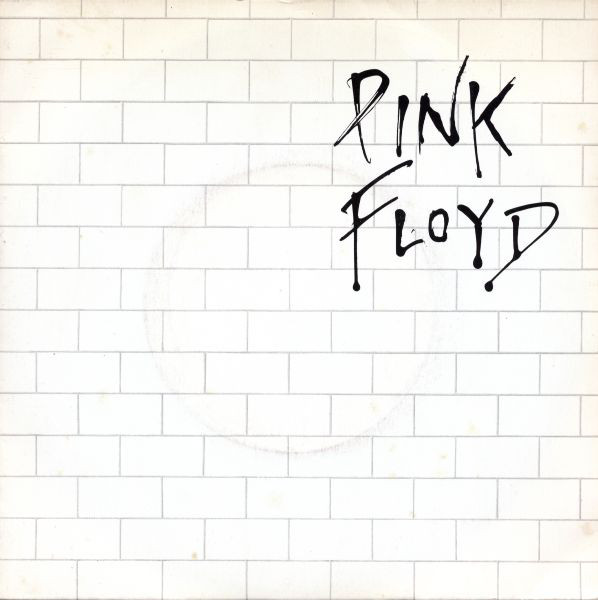
‘Another Brick in the Wall (Part 2)’, by Pink Floyd
The final Christmas #1 from THE decade for Christmas #1s, it’s the only single ever released by Pink Floyd (references needed). It ticks some of the boxes for a festive hit – novelty value, children singing en masse – but otherwise it’s got bugger all to do with the holiday season, and lots to do with abuse of power and brainwashing of youngsters. Margaret Thatcher hated it, and there’s no greater endorsement than that! (Read my original post on it here.)
2nd place
‘Stay Another Day’, by East 17
More Christmassy than Pink Floyd, though still not officially a ‘Christmas song’ (but, the bells!)… The 1994 Xmas chart-topper. Written about the suicide of Tony Mortimer’s brother, it’s both sad, and uplifting, as I mentioned in my post on it a few weeks back. And those white parkas have become enshrined in British pop culture. It was still some way off the winning song, though…
1st place
‘Merry Xmas Everybody’, by Slade
It had to be, didn’t it? With just over 30% of the vote, it’s the song that kicked of the very idea of the ‘Christmas Number One’. A glam classic, and a raucous festive singalong, for many it simply isn’t Christmas until Noddy Holder has belted out his famous line… All together now… It’s Christmaaaaaas…!
Anyway, now that’s done, on to the really important bit. The WORST… And interestingly, more votes were cast in this one than for the ‘good’ Christmas songs. Nice to see everyone indulging their dark side… One song was a clear leader from the start but, like all the best Xmas #1 races, a second contender caught up and ended the vote neck and neck. Yes, we have a tie…
Joint 1st place
‘Mr Blobby’, by Mr Blobby, and ‘There’s No One Quite Like Grandma’, by The St Winifred’s School Choir
I’m not sure there can be many complaints, as these are two truly terrible pieces of music, for very different reasons. One is manically unhinged, the other is sickeningly saccharine. Both represent the British public’s tendency to send utter tat to the top of the charts, especially at Christmas. But… I do have a soft spot for one of them; while the other needs, in my opinion, to be torched by a flame-thrower. Regular readers will know which is which.
Thanks for voting, for reading this post, and for reading, liking, and commenting on all my posts throughout this year, and the years before. For the first time since starting this blog in 2018, I’ll be taking a winter break. I’ll still be around, interacting in the blogosphere, but the next #1s post will be (hopefully) on the 7th January.
All that’s left is to wish you and yours a very Merry Christmas, and a Happy New Year! See you in 2024!





 The UK Number Ones Blog