It’s a low-key way to kick off the next thirty tunes, a run of chart-toppers that will take us right into the heart of darkness… the mid-nineties.
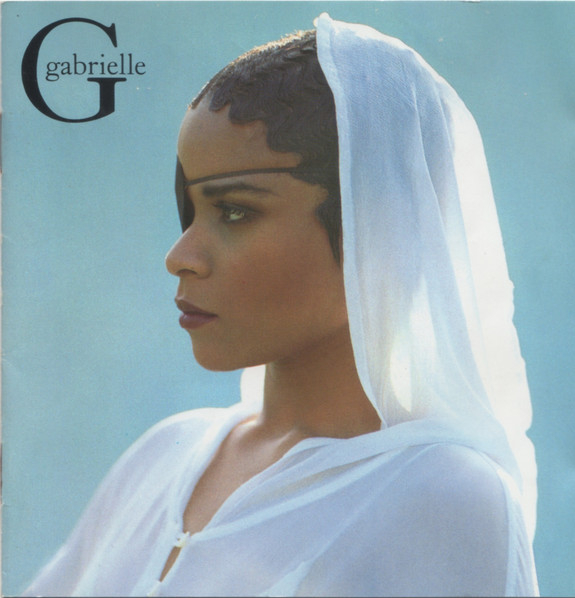
Dreams, by Gabrielle (her 1st of two #1s)
3 weeks, from 20th June – 11th July 1993
Looking back, Tasmin Archer was the forerunner of this sort of soul-lite, dinner-party-background-music peddling female singer, who will be very popular for the rest of the decade and beyond. Think Heather Small, Des’ree, and the doyenne of the genre: Gabrielle.
It’s light and airy, like a breeze stirring your curtains on a summer’s day – acoustic chords, springy strings, and Gabrielle’s gentle voice. One of the hallmarks of this genre is the uplifting lyrics – its fans don’t much want to linger on the fact that life is a crushing march towards oblivion – and ‘Dreams’ delivers fully on that front…
Dreams can come true… You know you got to have them, You know you got to be strong… (Except, the impossible ‘dream’ that came true is that she’s got a boyfriend, so…) Anyway, I can enjoy it, to a point. The problem is that it remains with you for just as long as the summer’s breeze it resembles. You hear it, think it’s pleasant enough, and then you move on.
It’s too controlled, too tidy. Precision-drilled pop. To me, it’s got #8 hit written all over it. But this record meant Gabrielle’s first ever release went to the top, and in debuting at #2 it became the highest charting debut single ever, so what do I know? It didn’t quite appear out of nowhere, though, as an earlier version had been doing the rounds for a year or two. It featured a sample of Tracy Chapman’s ‘Fast Car’ that the label which signed her couldn’t clear, so a re-record was ordered.
So maybe the earlier version had laid the groundwork for this to become a massive hit. Or maybe there’s something in the chorus that lingers after all (not for nothing does this remain Gabrielle’s signature song)? Or maybe it’s her voice, distinctive but pleasant, husky but warm. Or maybe it was nothing to do with the music… For when I think of Gabrielle the first word that springs to mind is ‘eyepatch’. She wears it due to a condition called ptosis, which causes drooping of the eyelid, and the sparkly model she sports in the video to this song is a real treat.
It might be stretching it a bit to claim that Gabrielle’s debut success is the start of a line of British female singers that stretches past Dido, Amy Winehouse, all the way to Adele. A stretch not least because ladies like the aforementioned Tasmin Archer, not to mention Lisa Stansfield, have already scored big soul-lite #1s. But this was certainly a type of singer that came of age in the 1990s, and none were bigger back then than Gabrielle. ‘Dreams’ set her up for a decade of consistent Top 10s, including one further chart-topper that we’ll meet in the early weeks of the new millennium.
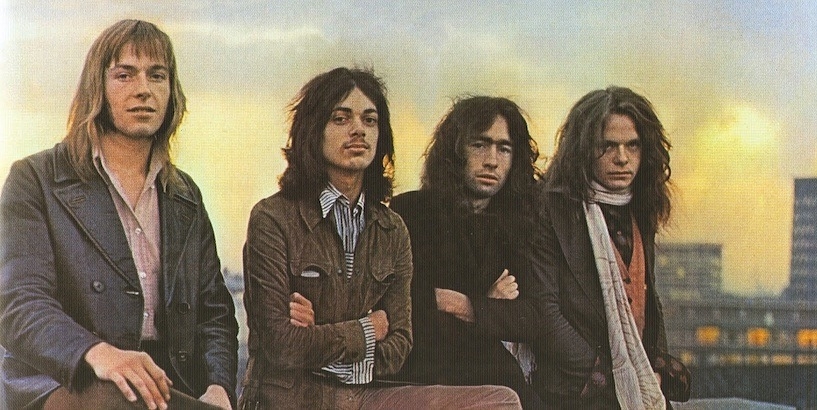
Listen to any classic rock radio station, or head to a set by any pub band, and you will hear ‘All Right Now’, sooner rather than later. It is inevitable, immutable. Cliched, certainly. But it’s also undeniable. If you look up ‘rock music’ in the dictionary, it probably says: ‘See: ‘All Right Now’, by Free’.
‘All Right Now’ is one of the first rock songs I can remember being aware of. My dad had a ‘Now That’s What I Call the Very Best Classic Rock Album in the World’ type tape for long car journeys, and this was always one of my favourites. (The song for me is quite literally ‘Dad Rock’.) Paul Rodgers always sounded so cool, the way he went from chuckling at the end of some lines, to belting out the Let’s move before they raise the parking rate… line in a husky growl.
Listening to it now, as an adult, I can appreciate the fact that its a very ‘seventies’ rocker – I said hey, What is this? Maybe she’s in need of a kiss… – but also quite clever in the way it twists expectations in the second verse. It’s the woman who cries foul when the question of love comes up. It’s all right now… and maybe now is enough.
But interpreting the lyrics of a rock classic like this is to miss the point. The power of the song lies in the riff, the oh-woah-woah in the intro, and the near minute-long solo. It catapulted Free to stardom, after two albums that had done very little. Not that it lasted, though, as after two further Top 10 hits they disbanded in 1973. In the US ‘All Right Now’ made #4, and is a bona-fide one-hit wonder.
Like many great songs, this was apparently thrown together in ten minutes after a disappointing gig at Durham University. The band felt they needed a big tune to end their shows on… I’d say they pulled it out the bag with this one. (I used to live in Durham, and must have visited the building in which ‘All Right Now’ was written many times without realising…)
After they split, Paul Rodgers formed Bad Company (whose ‘Can’t Get Enough’ was also on that album of my dad’s), and performed solo, before touring with Queen as their lead singer. And I hope everyone enjoyed our sojourn among the random runners-up. Next week, we’ll resume the usual chart-topping posts but, until then, why not rock out to this classic one more time. All right now, indeed.
(I don’t usually attach live versions to my posts, but this performance is just pure rock and roll…)
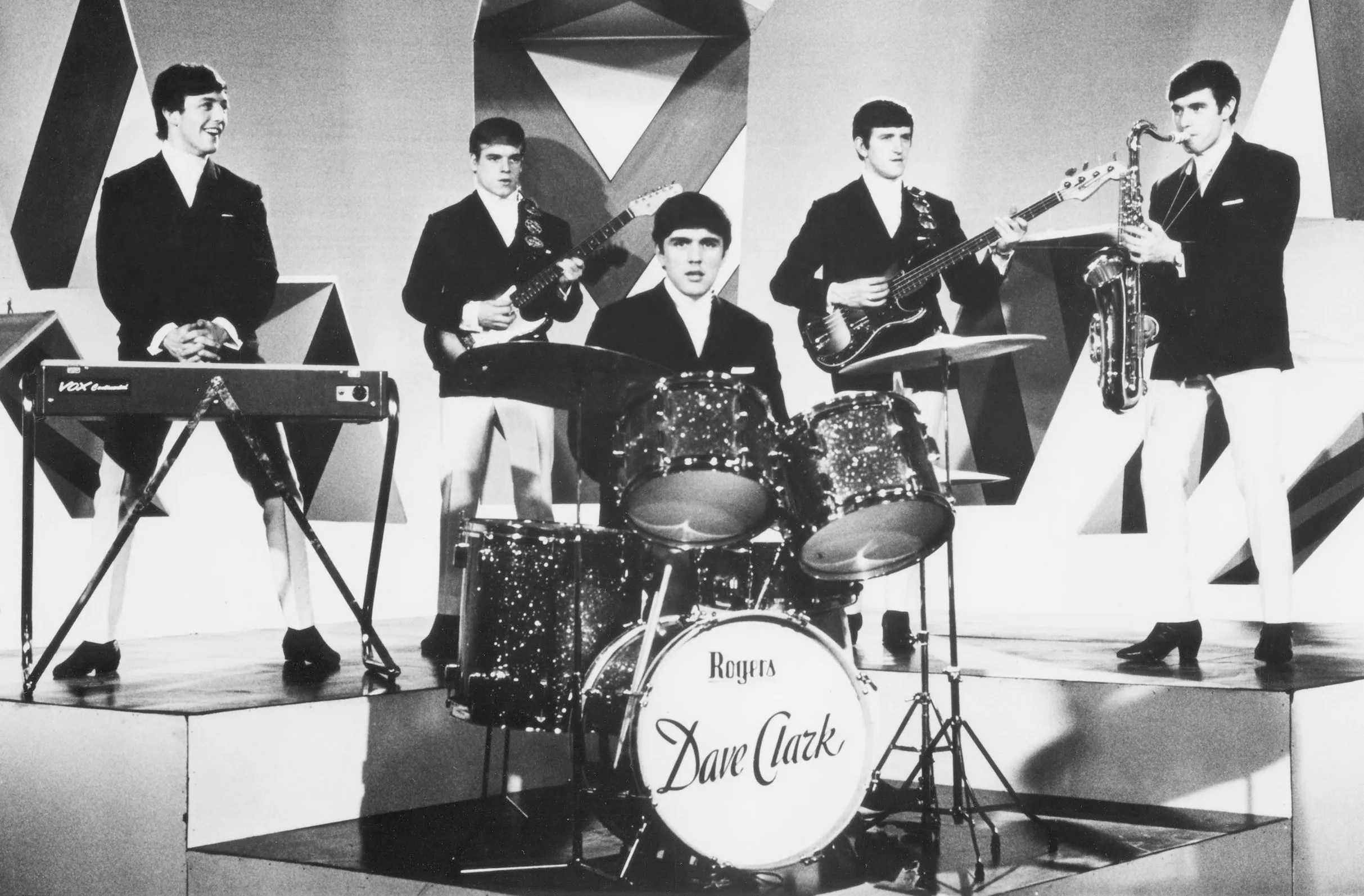
Our next #2 takes us back to the winter of 1967 – The Winter of Love, as nobody called it – and a band who had scored their sole chart-topper almost four years earlier…
Of the five songs that I’ll feature this week, this is the one I’d never heard before writing the post. And it’s a tune that’s very typical of the time. A waltzing rhythm, soaring strings, glossy, chiming guitars… A world away from the pounding pop of ‘Glad All Over’. In fact I’d say it owes a large debt to the big breakout star of 1967 – pillow-lipped crooner extraordinaire, Engelbert Humperdinck. (The Hump went and covered ‘Everybody Knows’ for his ‘Last Waltz’ LP, and made the bold choice to change the lyrics so that he was singing about a man…)
This is a nice enough song, with a lovely key change in the build up to the chorus. But it’s a sign of where pop music was post-British Invasion, when the hippy dream started to go sour, and the sixties started to lose a little of their swing. The best bands ploughed their own furrows: The Beatles went to India; The Stones went satanic; The Kinks hopped down a rabbit-hole of nostalgia… While the rest were left trying to remain relevant. Hence perhaps why The Dave Clark Five ended up sounding like something your gran might shimmy around the living room to, rather than being at the forefront of the hot pop sounds.
Despite it being unashamedly old-fashioned, this single gave the DC5 their biggest hit since ‘Glad All Over’. Possibly the time of year helped, as who can resist a bit of schmaltz at Christmas time? Contrarily, the band had already released a song called ‘Everybody Knows (I Still Love You)’ in 1964, meaning that this one has become unoffically known as ‘Everybody Knows (You Said Goodbye)’. And though it may sound like a swansong, this wasn’t the end for the Five. They still had three Top 10 hits to come, the last of which came in 1970, meaning they outlasted many of their contemporaries.
Tomorrow we’ll have our final runner-up of the series, and if it isn’t another of the most famous #2 singles of all time…
I smiled, because I would be able to tell the world how much I detest this song. To say the date generator threw it up feels apt (as does calling it a ‘number two’ single….)
Childish name calling aside, I really do struggle to find anything likeable about this song. Which is strange, because there are few pop songs that have tried as hard to be likeable. The whistling, the finger clicks, the spoken asides… It’s all so folksy, so cute. An a cappella song for all ages – from five to ninety-five – to enjoy.
Except, no. It genuinely makes my skin crawl. And that’s before you get to the lyrics. One critic at the time described it as a ‘formula for for facing life’s trials’, but Bobby’s formula is to simply smile like a lunatic at whatever problems life brings… No money, no partner, rent’s due and the landlord is taking you to court…? Don’t worry, be happy! Why? ‘Cause when you worry your face will frown, And that will bring everybody down… So shut up and smile, you whiny prick!
Maybe I’m reading the song wrong, and am missing a layer of cynicism buried within. Maybe it’s a satire of this sort of life-affirming nonsense. But I doubt it. I’m pretty good at spotting cynicism. No, for me, this is the musical equivalent of a ‘Live, Laugh, Love’ poster, a song for those who refuse to ‘adult’. Plus the song’s crimes go beyond the pop charts: it helped spawn Big Mouth Billy Bass, the mounted fish toy that sings ‘Don’t Worry, Be Happy’ on demand.
While I think it’s bad enough that this made #2 in the UK; it made it to the top in the US, Canada, and Germany. It stayed at #1 for seven weeks Down Under, which confirms every suspicion I ever had about Australians… It was released on the soundtrack to the Tom Cruise movie ‘Cocktail’, which features another all-time classic in The Beach Boys’ ‘Kokomo’. Bobby McFerrin is a one-hit wonder thanks to this tune, but to his credit he moved pretty quickly away from uplifting novelties, and started working in TV and film sountracks, as well as classical, jazz, and musical education in colleges and schools.
Our next randomly selected #2 comes from what, for my money, must have been the most exciting time to be a pop music fan. Come with me back to the summer of 1963, and the Merseybeat explosion…
‘Do You Want to Know a Secret?’, by Billy J. Kramer & The Dakotas
#2 for 2 weeks, from 30th May to 12th June 1963, behind ‘From Me to You’
And its one Liverpudlian act, Billy J. Kramer, covering another, The Beatles. Many of the early beat bands ended up relying on Lennon & McCartney hand-me-downs, and The Dakotas were no different. A few months after this, their debut hit, they would score a first number one with another Beatles cast-off, ‘Bad to Me’.
‘Do You Want to Know a Secret?’ had featured on the Fab Four’s first album, ‘Please Please Me’, released in March that year. (I only just realised that it was sung by George Harrison, who sounds remarkably like Paul McCartney on the recording.) It’s a sweet, simple song, but not one which really indicates that the band were going to be the biggest pop phenomenon the world had ever seen. And The Dakotas’ version is even more diluted, a little more ramshackle, a little old-fashioned in a rockabilly kind of way. Again nice, but they’d pick up the pace on ‘Bad to Me’.
It made #2 during the seven-week run of The Beatles’ first chart-topper, ‘From Me to You’ (not the last time Lennon & McCartney would occupy a Top 2…) It may even have been the best-selling single in the country at some point during its run, but not on the Record Retailer chart, which is what the Official Charts now recognise. It’s the reverse of the situation a few months earlier, when The Beatles’ ‘Please Please Me’ had stalled at #2 in Record Retailer, and therefore the history books, behind yodeller supreme Frank Ifield.
Billy J. Kramer would remain popular for a year or two, scoring a second chart-topper with the ever so slightly creepy ‘Little Children’. Like so many of the earliest Merseybeat stars, though, his star had waned by 1965. The original ‘Do You Want to Know a Secret?’, meanwhile, would go on to be released as a single in the US, where it also made #2.
It’s that time of year, when I fire up my random date generator (random.org, for all your randomly generated needs) and choose some number two singles from across the ages.
In the main Number Ones blog we’ve reached mid-1993, and so the runners-up I picked could have come from any chart dated between then, and the very first in November 1952. I’m not choosing these hits because I like them, or dislike them… I may not have even heard of them. It’s all random. And yet, the first #2 that pops up just happens to be one of the most famous of all time…
On the one hand, great that this classic gets a post. It’s a #1 on every metric – cultural heft, recognisability, singalongability – except the one metric that matters when it comes to getting a #1: sales. On the other hand… What’s left for little old me to write about this colossus?
Thirteen-year-old Don McLean was doing his paper round, or so the story goes, in February 1959, when he read the news of the plane crash that killed Buddy Holly, Richie Valens and the Big Bopper (and their pilot) AKA ‘The Day the Music Died’. February made me shiver, With every paper I’d deliver…
The song then goes on to detail the history of rock music from the late fifties to the early seventies, with cryptic references to Elvis, Dylan, the Beatles, the Stones and more, as well as nods to the big news events of the age: the Kennedy assasination, the Cuban Missile Crisis, and the Manson family among them. I know this not because I understand the lyrics; I just read the Wikipedia page.
Like all great poetry, it could mean all the above, or it could mean something completely different. When asked what it’s all about, McLean famously answered: ‘It means I don’t ever have to work again…’ When talking more seriously, he’s compared it to Impressionism. And of course, his next big single would be about a very famous (post) impressionist… Which would make #1.
At over eight and half minutes long, ‘American Pie’ initially had to be split over two sides of a 45′ record, which means people (including me) are much more familiar with the first four minutes than the latter four. In fact, listening to the pub singalong last chorus now, I’m not sure I’d ever heard it before. It is the sixth longest record to chart in the US, and held the record for the longest ever Billboard #1 until 2021.
Before I end this post, I have to give an advance trigger warning. ‘American Pie’ may not have made #1 in its original form, but a version by a certain Queen of Pop will make the top of the charts in the early 2000s. I’m someone who will defend Madonna until the cows come home, but even I might struggle to justify that particular musical decision…
For the twenty-third time, no less. This recap spans well over two years, from March 1991 to June 1993, which I think – without going back through all the previous twenty-two – might be a record. At least since the mid-fifties, when songs having double-digit runs at the top of the charts was the norm.
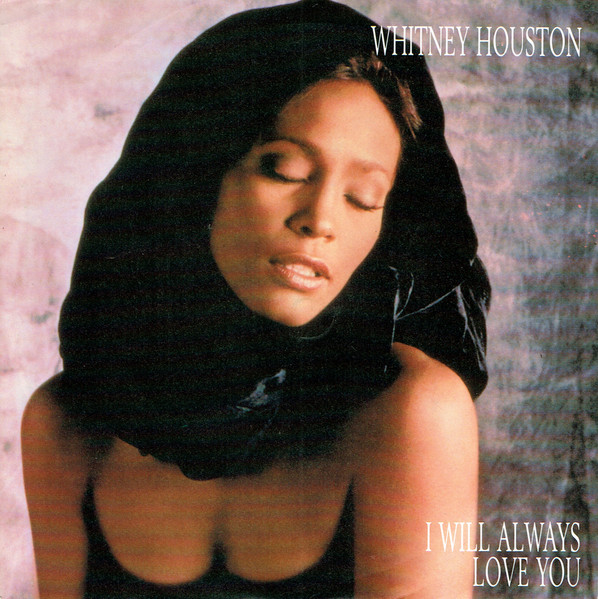
And the reason why we’ve taken so long to cover the last thirty #1s? It would be tempting to lay the blame at the feet of Bryan Adams, for his still record-holding sixteen-week consecutive run with ‘(Everything I Do) I Do It for You’, and Whitney Houston for her ten-week stint with ‘I Will Always Love You’. But we’ve also had an eight-weeker from Shakespear’s Sister, a six-weeker from Snap!, and six separate five-weekers. In a previous post, I went into some of the reasons behind this: a decline in vinyl sales not yet being covered by growing CD sales, resulting in sluggish charts. Give it a few years though, and all this will be behind us, with sales at an all-time high.
It might also have had something to do with the lack of a dominant ‘sound’ in the early nineties. Sales tend to peak with hot new genres – Merseybeat, glam, disco, new wave – and trough during the years in between. We’re currently between the house, dance and SAW of the late ‘80s and the Britpop years, and this is best indicated by the likes of Adams and Houston’s monster hits. Both were from blockbuster movies, and they were far from the only two. In fact, if we had to pick a dominant genre from the early ‘90s, it would be the movie soundtrack hit.
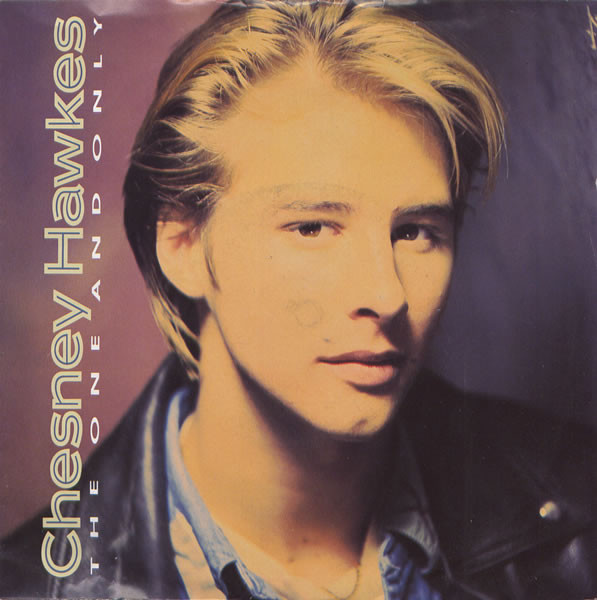
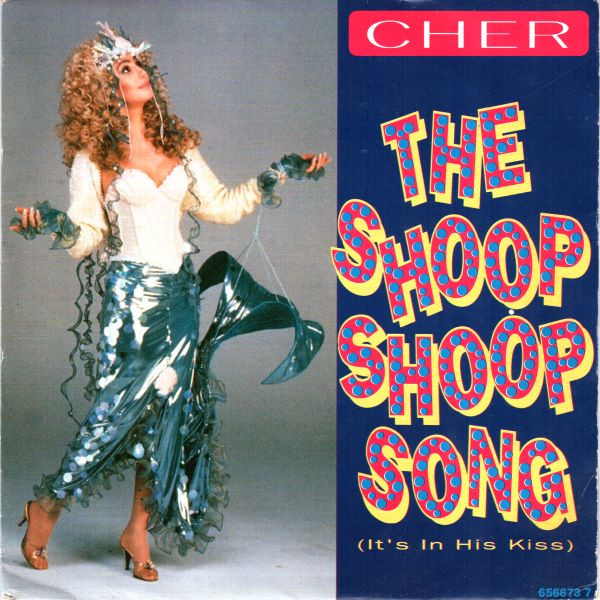
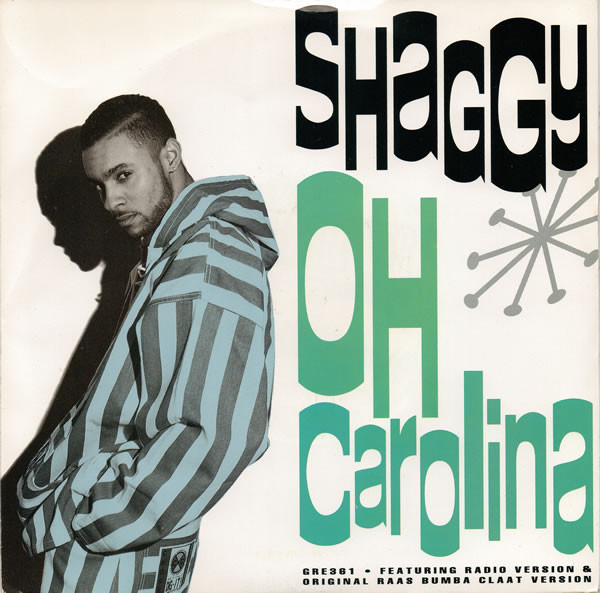
I count seven movie soundtrack #1s in this period, spanning all manner of genres: Chesney Hawkes (pop-rock), Cher (retro pop), Color Me Bad (boyband R&B), Adams and Houston (power ballads), Shaggy (reggae), and UB40 (reggae-lite), plus a bit of musical theatre from Jason Donovan. Some have been good, some have been okay, some I would happily never hear again.
If we had a runner-up in the ‘sounds of the early nineties’ category, then it would have to be the random re-release. They’ve been popping up since Jackie Wilson scored 1986’s Christmas number one, and they’ve usually – though not always – been TV advert tie-ins. The most recent two gave us a couple of pretty unique chart-toppers: The Clash’s ‘Should I Stay or Should I Go’, and The Bluebells’ ‘Young at Heart’, thanks to Levi’s and VW respectively. But these, sadly, mark the end of the re-release phenomenon (for now…)
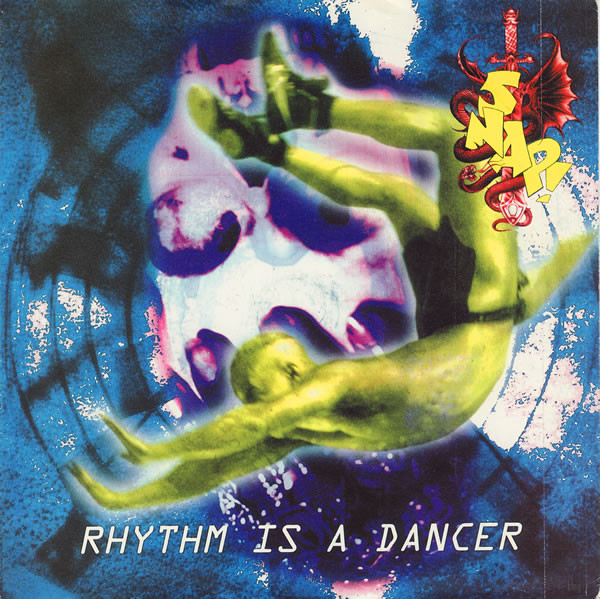
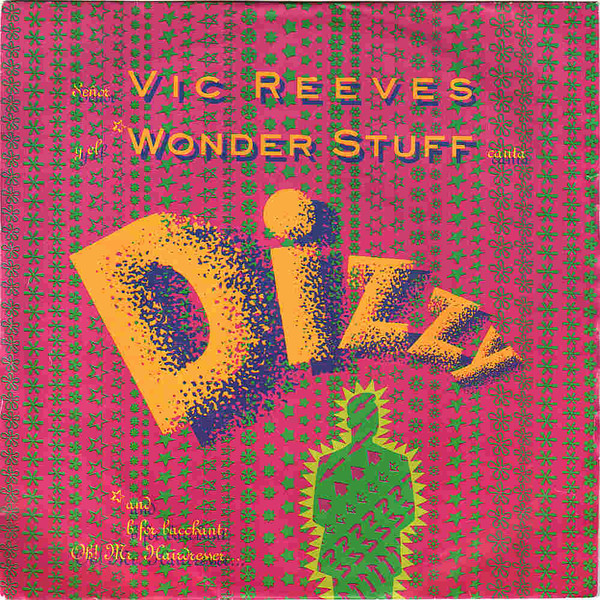
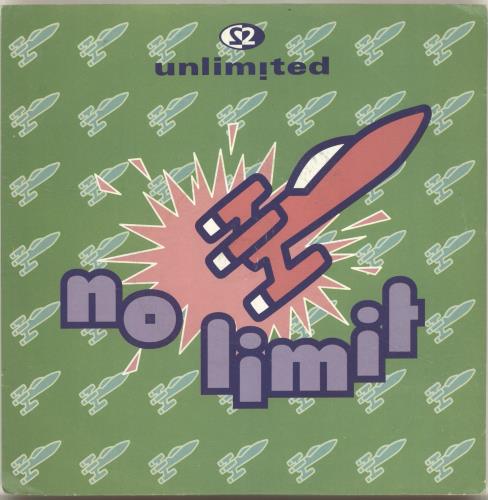
Before hitting the awards portion of this post, let’s go through some of the other stories from the past thirty chart-toppers. And it’s starting to feel like the ‘nineties’ as I remember it, with dance music continuing to shapeshift from its sample-heavy origins, into streamlined pop smashes like ‘Rhythm Is a Dancer’, and techno bangers such as ‘No Limit’ (not to mention the soon to be everywhere, half-hearted dance remakes of oldies a laKWS). There’s also been a whiff of Britpop in the unlikely shape of Vic Reeves and The Wonder Stuff.
We’ve bid farewell to Freddie Mercury, twice; with the posthumous ‘These Are the Days of Our Lives’ (paired with ‘Bohemian Rhapsody’) in the wake of his death, and the ‘Five Live E.P.’ on which Queen performed a live version of that hit, and of ‘Somebody to Love’, with Lisa Stansfield and George Michael. The other two tracks on that EP were Michael solo tracks which, along with his earlier live duet with Elton John on ‘Don’t Let the Sun Go Down on Me’, have helped confirm him as the biggest British solo star of the era.
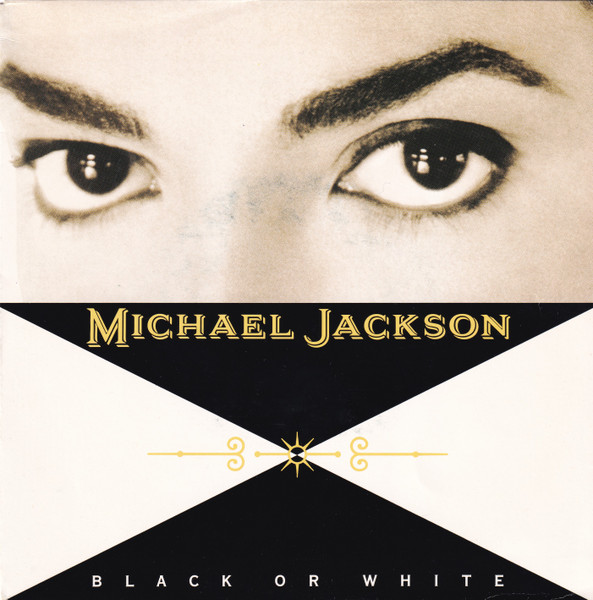
We’ve also started to ride the crest of another reggae wave. (In fact, the three #1s from Shaggy, Ace of Base and UB40 towards the end of this thirty set the charts up nicely for probably their most prolonged run of reggae hits.) Elsewhere, Michael Jackson premiered the biggest music video ever, in his usual understated way, and the evergreen Cher set a record for the longest gap between number one singles. Plus, we can’t finish without mentioning Erasure, who scored a chart-topper after years of trying, and kickstarted the modern ABBA-nnaisance.
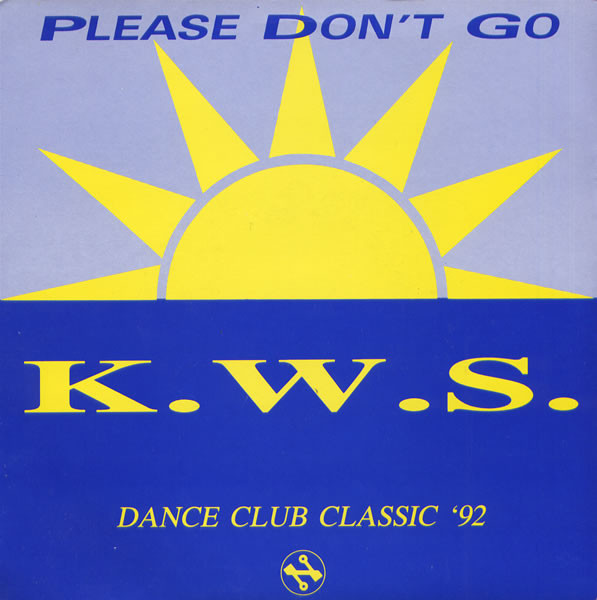
To the awards then. Starting, as is traditional, with the The ‘Meh’ Award for bland forgettability. I briefly considered Jason Donovan’s ‘Any Dream Will Do’, but that soundtrack was the first CD I ever owned, and residual fondness prevents me. There was also UB40’s pedestrian cover of ‘Can’t Help Falling in Love’, but I’ve already awarded them a ‘Meh’ award, and to do so twice would be cruel. So we’re left with Wet Wet Wet’s ‘Goodnight Girl’, which does have a good chorus, Tasmin Archer’s ‘Sleeping Satellite’, with a vocal performance which doesn’t really deserve such an award, and KWS’s bland dance double ‘Please Don’t Go’ / ‘Game Boy’. The KC & the Sunshine Band cover was dull, and the hardcore ‘Game Boy’ was ear-catching for a minute before it become repetitive. They win.
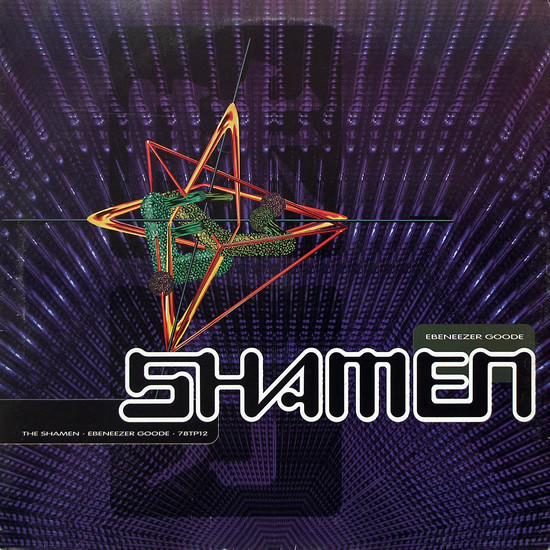
We don’t have quite as rich a set of pickings for The WTAF Awardfor being interesting if nothing else as we did in the last recap, but it’s still a strong field. You could give it to ‘Stay’, for the video alone. Or Right Said Fred for their jaunty, non-‘Sexy’, ‘Deeply Dippy’. Or maybe Hale and Pace’s char-com danceathon ‘The Stonk’ (though I perhaps have bigger things planned for that record…) No, I’m giving this WTAF award to The Shamen, for bringing rave culture and quality innuendo to the top of the charts, with the leering, gurning ‘Ebeneezer Goode’.
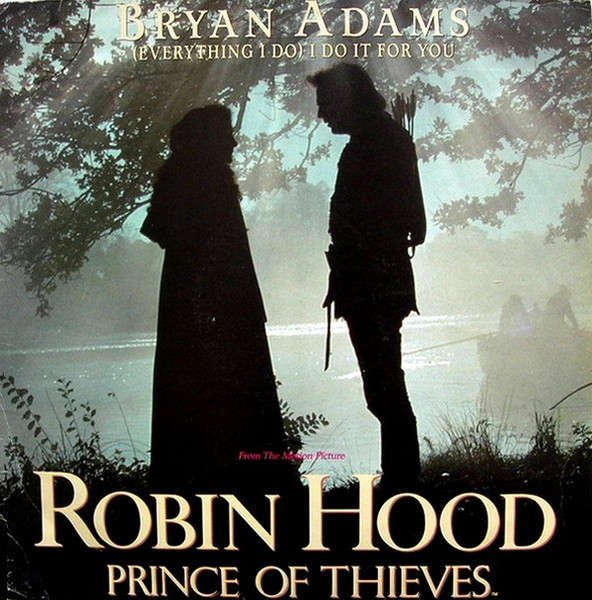
Where to go with this recap’s Very Worst Chart-Topper award, then. Do we give it to Color Me Badd and their lame attempts to woo us with ‘I Wanna Sex You Up’? Or do we give it to ‘The Stonk’ – a ‘comedy’ record so aggressively unfunny that it was almost sad…? Do we give it to either of the gruesome twosome who clogged the top of the charts up for over half a year between them…? To be honest, yes, let’s. I just can’t get past the elephant in the room – a record that stayed at #1 so long it started to stink like a beached whale-carcass, ticking every bad power-balled cliché on the list. Bryan Adams wins.
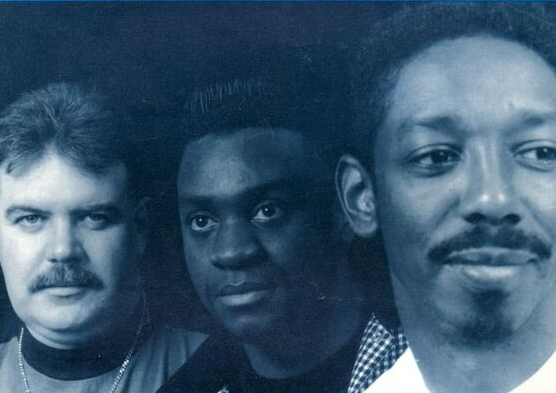
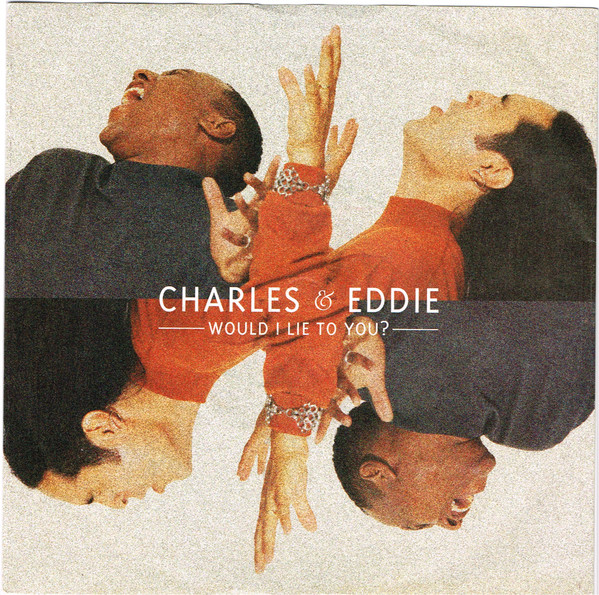
Finally, of course, the 23rdVery Best Chart-Topper award. I’ve been pleasantly surprised by the general quality of our recent number ones, but I’m struggling to pick an all-time classic. I’m tempted to give it to 2 Unlimited, for their very-1993 techno banger. It’s big, it’s dumb, it’s a whole lot of fun. But I couldn’t live with myself if I did, not really. Instead, I’m awarding it to Charles & Eddie, for the least nineties-sounding song of the entire thirty. It’s a slice of timeless soul, the quality of which surprised me when I listened to it for the first time in years. Check it out again below, if you haven’t. Unlike the two chaps in question, I wouldn’t lie to you…
Let’s recap the recaps:
The ‘Meh’ Award for Forgettability
‘Hold My Hand’, by Don Cornell.
‘It’s Almost Tomorrow’, by The Dream Weavers.
‘On the Street Where You Live’, by Vic Damone.
‘Why’, by Anthony Newley.
‘The Next Time’ / ‘Bachelor Boy’, by Cliff Richard & The Shadows.
‘Juliet’, by The Four Pennies.
‘The Carnival Is Over’, by The Seekers.
‘Silence Is Golden’, by The Tremeloes.
‘I Pretend’, by Des O’Connor.
‘Woodstock’, by Matthews’ Southern Comfort.
‘How Can I Be Sure’, by David Cassidy.
‘Annie’s Song’, by John Denver.
‘I Only Have Eyes For You’, by Art Garfunkel.
‘I Don’t Want to Talk About It’ / ‘The First Cut Is the Deepest’, by Rod Stewart.
‘Three Times a Lady’, by The Commodores.
‘What’s Another Year’, by Johnny Logan.
‘A Little Peace’, by Nicole.
‘Every Breath You Take’, by The Police.
‘I Got You Babe’, by UB40 with Chrissie Hynde.
‘Who’s That Girl’, by Madonna.
‘A Groovy Kind of Love’, by Phil Collins.
‘Do They Know It’s Christmas?’, by Band Aid II.
‘Please Don’t Go’ / ‘Game Boy’, by KWS.
The WTAF Award for being interesting if nothing else
‘I See the Moon’, by The Stargazers.
‘Lay Down Your Arms’, by Anne Shelton.
‘Hoots Mon’, by Lord Rockingham’s XI.
‘You’re Driving Me Crazy’, by The Temperance Seven.
‘Nut Rocker’, by B. Bumble & The Stingers.
‘You’ll Never Walk Alone’, by Gerry & The Pacemakers.
‘Little Red Rooster’, by The Rolling Stones.
‘Puppet on a String’, by Sandie Shaw.
‘Fire’, by The Crazy World of Arthur Brown.
‘In the Year 2525 (Exordium and Terminus)’, by Zager & Evans.
‘Amazing Grace’, The Pipes & Drums & Military Band of the Royal Scots Dragoon Guard.
‘Kung Fu Fighting’, by Carl Douglas.
‘If’, by Telly Savalas.
‘Wuthering Heights’, by Kate Bush.
‘Hit Me With Your Rhythm Stick’, by Ian Dury & The Blockheads.
‘Shaddap You Face’, by Joe Dolce Music Theatre.
‘It’s My Party’, by Dave Stewart & Barbara Gaskin.
‘Save Your Love’ by Renée & Renato.
‘Rock Me Amadeus’, by Falco.
‘Pump Up the Volume’ / ‘Anitina (The First Time I See She Dance)’, by M/A/R/R/S.
‘Doctorin’ the Tardis’, by The Timelords.
‘Sadeness Part 1’, by Enigma.
‘Ebeneezer Goode’, by The Shamen.
The Very Worst Chart-Toppers
‘Cara Mia’, by David Whitfield with Mantovani & His Orchestra.
‘The Man From Laramie’, by Jimmy Young.
‘Roulette’, by Russ Conway.
‘Wooden Heart’, by Elvis Presley.
‘Lovesick Blues’, by Frank Ifield.
‘Diane’, by The Bachelors.
‘The Minute You’re Gone’, by Cliff Richard.
‘Release Me’, by Engelbert Humperdinck.
‘Lily the Pink’, by The Scaffold.
‘All Kinds of Everything’, by Dana.
‘The Twelfth of Never’, by Donny Osmond.
‘The Streak’, by Ray Stevens.
‘No Charge’, by J. J. Barrie
‘Don’t Give Up On Us’, by David Soul
‘One Day at a Time’, by Lena Martell.
‘There’s No One Quite Like Grandma’, by St. Winifred’s School Choir.
‘I’ve Never Been to Me’, by Charlene.
‘Hello’, by Lionel Richie.
‘I Want to Know What Love Is’, by Foreigner.
‘Star Trekkin’’, by The Firm.
‘Nothing’s Gonna Change My Love for You’, by Glenn Medeiros.
‘Let’s Party’, by Jive Bunny & The Mastermixers.
‘(Everything I Do) I Do It for You’, by Bryan Adams.
The Very Best Chart-Toppers
‘Such a Night’, by Johnnie Ray.
‘Cherry Pink and Apple Blossom White’, by Perez ‘Prez’ Prado & His Orchestra.
‘Great Balls of Fire’, by Jerry Lee Lewis.
‘Cathy’s Clown’, by The Everly Brothers.
‘Telstar’, by The Tornadoes.
‘She Loves You’ by The Beatles.
‘(I Can’t Get No) Satisfaction’, by The Rolling Stones.
‘A Whiter Shade of Pale’, by Procol Harum.
‘I Heard It Through the Grapevine’, by Marvin Gaye.
‘Baby Jump’, by Mungo Jerry.
‘Metal Guru’, by T. Rex.
‘Tiger Feet’, by Mud.
‘Space Oddity’, by David Bowie.
‘I Feel Love’, by Donna Summer.
‘Heart of Glass’, by Blondie.
‘The Winner Takes It All’, by ABBA.
‘My Camera Never Lies’, by Bucks Fizz.
‘Relax’ by Frankie Goes to Hollywood.
‘You Spin Me Round (Like a Record)’, by Dead or Alive
More reggae at the top of the charts, after Shaggy and Ace of Base over recent weeks. And it’s Britain’s best-sellers in the genre who are bringing it there…
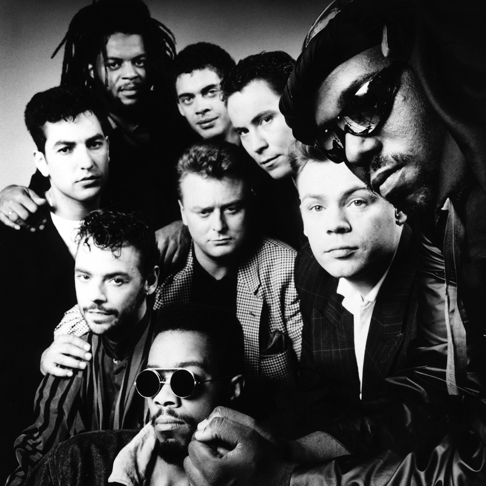
(I Can’t Help) Falling in Love With You, by UB40 (their 3rd and final #1)
2 weeks, from 6th – 20th June 1993
As with their last #1, a cover of ‘I Got You Babe’ with Chrissie Hynde, this is a dub take on a golden oldie (though note the slight title change from the Elvis original, a chart-topper in 1962). And I can see what they were going for – a softened version of their reggae sound, with clear nineties dance influences in the swaying beat – but I can’t take to it. ‘Plodding’ and ‘slow’ were the two notes I took on first listen. I also gave their version of ‘I Got You Babe’ a ‘Meh’ award, so I’ve got form.
Ali Campbell’s voice is an acquired taste most of the time, and especially so here. I don’t know if he’s trying to imbue his lines with emotion, but it mainly sounds as if he’s straining to get them out. Obviously it doesn’t help that the listener automatically compares his efforts to Elvis’s from thirty years earlier… And yet, the quality of the song shines through – there’s a reason why it’s become a standard – and I do like the addition of the short, sharp horn fills towards the end.
Like ‘Oh Carolina’ before it, ‘(I Can’t Help) Falling in Love With You’ featured on the soundtrack to the Sharon Stone movie ‘Sliver’. There are very few film soundtracks to have included multiple #1s, and it’s amazing that a movie as poorly regarded and forgotten as this ‘Sliver’ managed it. Still it gave UB40 their 3rd and final chart-topper, and became their biggest hit in the US, staying at #1 for seven weeks.
And we should note the impressive longevity of the band, given that those three number ones were spread out over a decade (while the Campbell brothers have one more shot at top spot, in a featuring role, to come). But I think it’s fair to say, and this is coming from someone who wouldn’t count himself as a fan, that UB40 are not best represented by their three #1s. Two of them are fairly pedestrian covers, while ‘Red Red Wine’ – which was also a cover, of course – has bit more charm to it, though still plays it fairly safe.
They had a few more years of chart hits in them, including two further Top 10s, but its perhaps right to mark this as UB40’s swansong. They remain a going concern, with four of the original eight members still in the band. Ali Campbell, however, left in 2008, after disagreements with the band’s management.
Enter Sweden’s 3rd biggest-selling pop act… (Answers for 2nd place on a postcard… I’ll reveal it at the end of the post!)
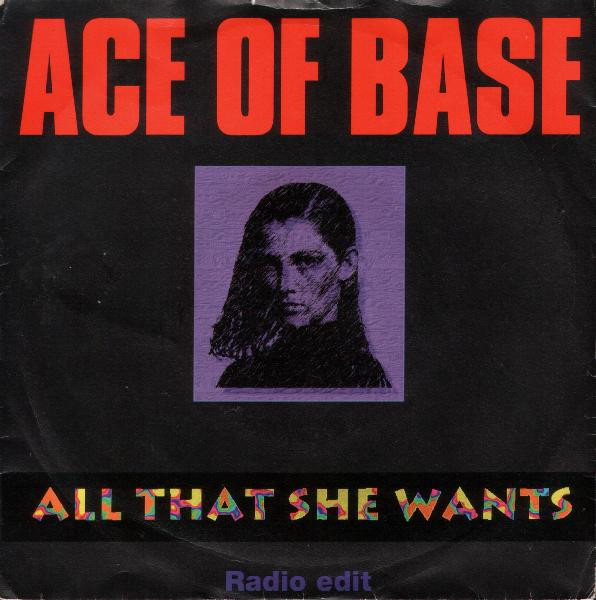
All That She Wants, by Ace of Base (their 1st and only #1)
3 weeks, from 16th May – 6th June 1993
And in the grand Swedish tradition, it’s a male-female combo – two men, two women (though as far I can tell no marriages) – Ace of Base. With what I’ve always thought to be a deeply strange pop song.
There’s the sparse, ghostly intro, for example. And all the empty spaces in the song, where it’s just nothing more than a drum machine and a lumbering synth riff, and the low-key ending. It’s not your normal pop smash, even if it has more than a hint of dub-reggae – soon to be one of the dominant chart sounds – in the steady, hypnotic beat. And that’s before we dissect the lyrics…
All that she wants, Is another baby, She’s gone tomorrow boy… They tell the tale of a femme fatale, who prowls an unnamed beach looking for men… She’s the hunter, You’re the fox… And in that respect it’s great. Girl power! Fifteen years ago Brotherhood of Man told the story of a holiday resort lothario in ‘Figaro’, but Ace of Base flip it on its head. If it were sung by men it might be a bit cliched, but no. Go girls!
The problem I have with the lyrics is the fact that, as a kid, I took them literally. All that she wants, Is another baby… I thought she was wandering the beach looking for a man to get her pregnant. Which is weird, and I apologise; but having done some research I find I’m not alone. “As far as I can remember, ‘All That She Wants’ by Ace of Base is the only hit single ever to talk about a lady who uses men for stud service so that she can become an unwed mother,” said LA Weekly at the time. I like to think Ace of Base knew what they were doing, keeping the lyrics intentionally vague and menacing. Either way, I feel seen.
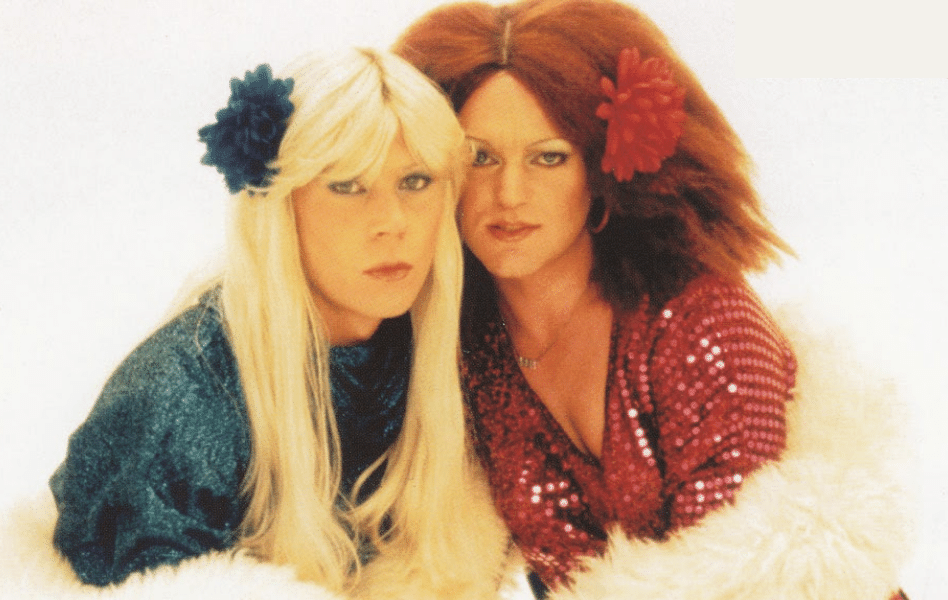
‘All That She Wants’ is definitely a grower. Even now, on my fourth or fifth listen, I’m remembering why it is such a good pop tune. I’m not sure what the hooks are – or perhaps it’s because there are so many it’s hard to pinpoint them – but it worms its way in and stays there. Just like Sweden’s biggest pop group, the one it’s impossible not to compare Ace of Base to… It’s not out of the question to imagine that, had ABBA been around in 1993, they might have been making records like this. And, like Agnetha and Frida, the girls here have similarly accented, idiosyncratic, but still very alluring, English.
This was only Ace of Base’s second chart hit, and what a hit. A number one across Europe, presumably unavoidable at beach bars from Faro to Faliraki in the summer of ’93, and a #2 in the US. It set them up for a run of Top 10s through the 1990s, including US #1 ‘The Sign’ and a cover of ‘Don’t Turn Around’, which Aswad had taken to the top in 1988. But permit me to give a shout out to my favourite Ace of Base tune, ‘Always Have, Always Will’, which takes everything you love about ABBA, Motown, sixties girl groups, and serves it up in pop perfection. Its #12 peak be damned!
This would be their only visit to the top of the charts, but they remain Sweden’s 3rd most successful act. ABBA are obviously the 1st, but what of the runners-up…? Well, it’s Roxette (another male-female act!), who never made it higher than #3 in the UK. Personally I’d have named garage rock loons The Hives as my second favourite Swedish act, but they’ve never come close to troubling the top of the charts.
I have to admit my heart sinks each time I see an EP coming along. It’s hard enough writing about double-‘A’s (in fact, it can be hard writing about some of the standalone number ones…), but when it’s four songs to get through? Cancel my three o’clock…
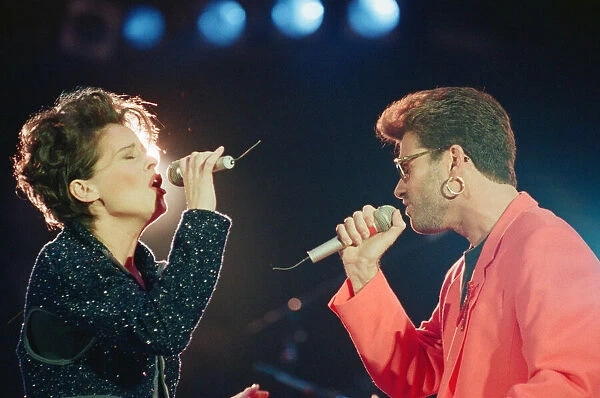
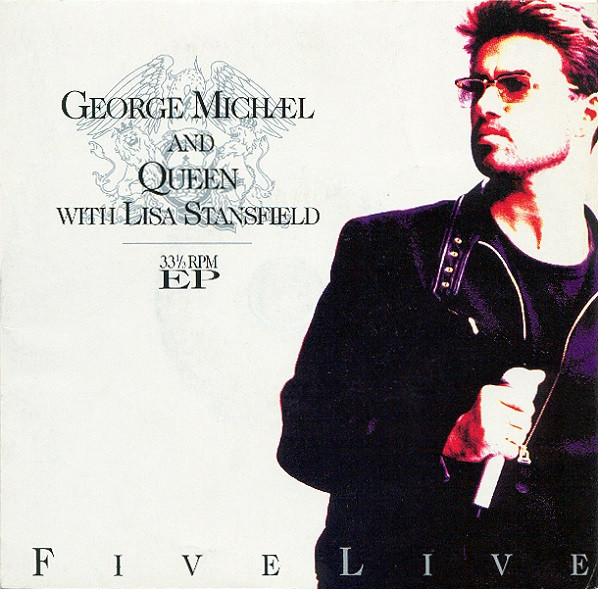
Five Live E.P., by George Michael (his 5th of seven #1s) & Queen (their 5th of six #1s) with Lisa Stansfield (her 2nd and final #1)
3 weeks, from 25th April – 16th May 1993
Luckily for me, the final EP to top the British singles chart has five whole tracks to get through! Five live tracks (hence the name) by George Michael, with assistance from Queen on two of them, and Lisa Stansfield on one. Let’s not tackle them in order, but take the two Queen covers first, recorded at the famous Freddie Mercury Tribute Concert a year earlier.
First up, George has a good old crack at ‘Somebody to Love’. It’s a thankless task, trying to do Freddie Mercury, singing one of his signature songs. But GM gives it a bloody good go. It might be the most impressive vocal performance of all seven of his solo #1s, especially given that it was recorded live. It’s a straightforward cover, but a decent one. And it takes to number one a Queen song that should, like many of their post-Bo Rap singles, have got there first time around. One wonders if this was where Brian May got the idea to start touring again, eventually, with the likes of Paul Rodgers and Adam Lambert.
The other Queen cover is ‘These Are the Days of Our Lives’, the track that had made #1 in the immediate wake of Mercury’s death. George is joined by Lisa Stansfield, who he welcomes on stage remarking that she hasn’t any hoover or curlers (presumably referring to her performance of ‘I Want to Break Free’ earlier that night, and not just being sexist…) Again it’s fine, excellently sung – particularly by Stansfield, who didn’t really get to show off her vocal chops on ‘All Around the World’. I don’t imagine it was easy going on stage with George Michael in full flow and holding your own, but she manages. Yet this track isn’t as enjoyable, because a) it was #1 barely a year before and b) it’s not as good as ‘Somebody to Love’ in the first place.
The three other tracks are George Michael solo efforts, recorded in March 1991, again at Wembley (from the same tour that gave us his ‘Don’t Let the Sun Go Down on Me’ duet with Elton John). According to the records, he covered both Adamski’s ‘Killer’ and The Temptations’ ‘Papa Was a Rolling Stone’, but both tracks are hard to, well, track down. Luckily on the British version of the EP he used a shortened, medley version, and again it’s… OK. You’d need a good ear to hear these tracks as a medley, but it works.
However, I refer you back to my comments on Michael’s earlier live #1: live versions being rarely better than the originals and, unless you were actually at the concert, the crowd noises are little more than a distraction. It’s like modern-day shaky camera phone footage, but better produced. Still it was for charity, which is always good, benefiting the Mercury Phoenix Trust, an AIDS fund set up by the remaining members of Queen, their manager Jim Beach, and Mercury’s former partner Mary Austin.
Did we need a fifth track though, making this the longest record to ever make #1 (a milestone that is now almost impossible to break)? Not really. This is where we tip into real self-indulgence, something that George Michael was always prone to, with a cover of ‘Calling You’, originally recorded by soul singer Jevetta Steele for the film ‘Bagdad Café’. I hadn’t heard of it, although the crowd’s reaction suggests that some of them had, at least. And in fairness it did win the Best Original Song Oscar for 1988. The vocals are amazing, from both George and his backing singers, especially again considering it was recorded live. But… It does go on. It unfolds at a snail’s pace, over five minutes. My patience is well and truly tried.
The history of EPs – longer than singles but shorter than LPs – on the UK singles chart is hard to pin down. In the sixties, their heyday, they sold very well and had their own chart. Between the 70s and 90s they fell out of fashion, but could chart alongside the singles. We’ve had three earlier EP #1s, from Erasure, The Specials and Demis Roussos. ‘Five Live’ was the last one to make the top, and maybe this sprawling beast of a record helped to kill them off. Nowadays the closest we’ve got to an EP is a Maxi-CD, or a digital bundle, but since the download/streaming era individual tracks can simply chart in their own right. The same fate has also befallen the double-‘A’ record, though we’ve still got a few more of them to come before then…







 The UK Number Ones Blog