Never Had a #1… Part 4

Having already covered the 40th to the 26th highest selling acts never to have had a UK #1 single (check out Part 1, Part 2, and Part 3 if you missed them), and having already met names as illustrious as Bob Marley, Van Halen and Johnny Cash, what artists sit just shy of the Top 20?
25. Tina Turner

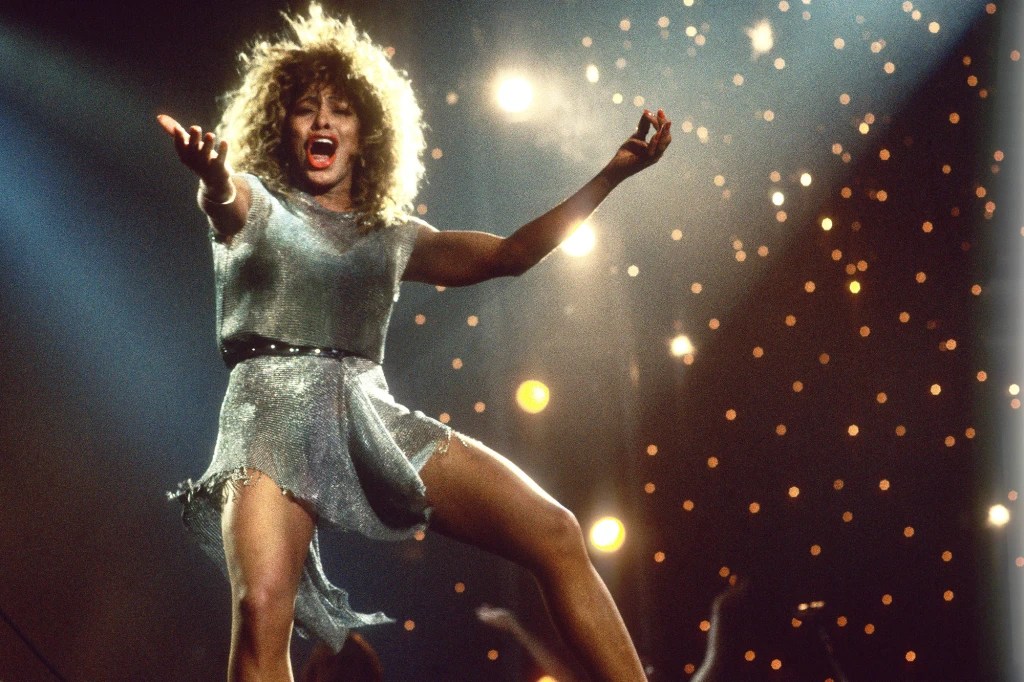
Biggest Hits: ‘River Deep, Mountain High’, with Ike Turner (#3 in 1966), ‘What’s Love Got to Do With It’ (#3 in 1984) & ‘We Don’t Need Another Hero’ (#3 in 1985)

One of rock ‘n’ roll’s great voices, great females, great survivors: Tina Turner. I did an entire ‘Never Had a #1’ post on her a few years back, so enjoy that at your leisure. Of her trio of #3s, I’m posting ‘River Deep, Mountain High’. Which is technically not a solo record – given that Ike is credited and Phil Spector’s touch is all over the production – but you try telling Tina that this is not her song. She sings it like the song is the ragdoll in the lyrics, and no way she’s giving it up for anyone.

24. Gloria Estefan

Biggest Hit: ‘Don’t Wanna Lose You’ (#6 in 1989)

Many of the acts in this Top 40 are US artists who sold bucketloads in their homeland but not so much elsewhere. And yes, Gloria Estefan is Cuban, but she moved to the US when she was two, so we can claim her for America whether she likes it or not! Anyway, she has multiple Top 10s and three #1s on the Billboard Hot 100, but never climbed higher than #6 in Britain.

‘I Don’t Wanna Lose’ you is a by-numbers late-eighties power ballad. For every classic power ballad that decade gave us, there are nine lesser examples. This is fine but largely unmemorable. Estefan’s voice is the best thing about it, by far. I was sorely tempted to post ‘Dr. Beat’ as her biggest hit (another #6, in 1984) but the OCC credits it to Miami Sound Machine, without a ‘ft.’, and rules are rules.

23. Genesis

Biggest Hit: ‘Mama’ (#4 in 1983)

Amazingly, one of only four British acts to feature in this Top 40 (they are all ‘classic rock’ groups, of one shade or another) Genesis took their time over singles chart success. Their first single release was in the late sixties, but it took until the late ’70s before they made the Top 10, and it was over fifteen years into their career that they had their biggest hit.

‘Mama’ is a deeply weird, synthy, sexy epic, about a young teenager’s obession with a much older prostitute. Phil Collins delivers the haha-ha-urgh refrain like the girl from ‘The Exorcist’, yet still has plenty of competition for the song’s creepiest moment. Personally, I think the intro is the eeriest part, with the industrial drum machine rubbing against some proper horror soundtrack synths.

22. Def Leppard

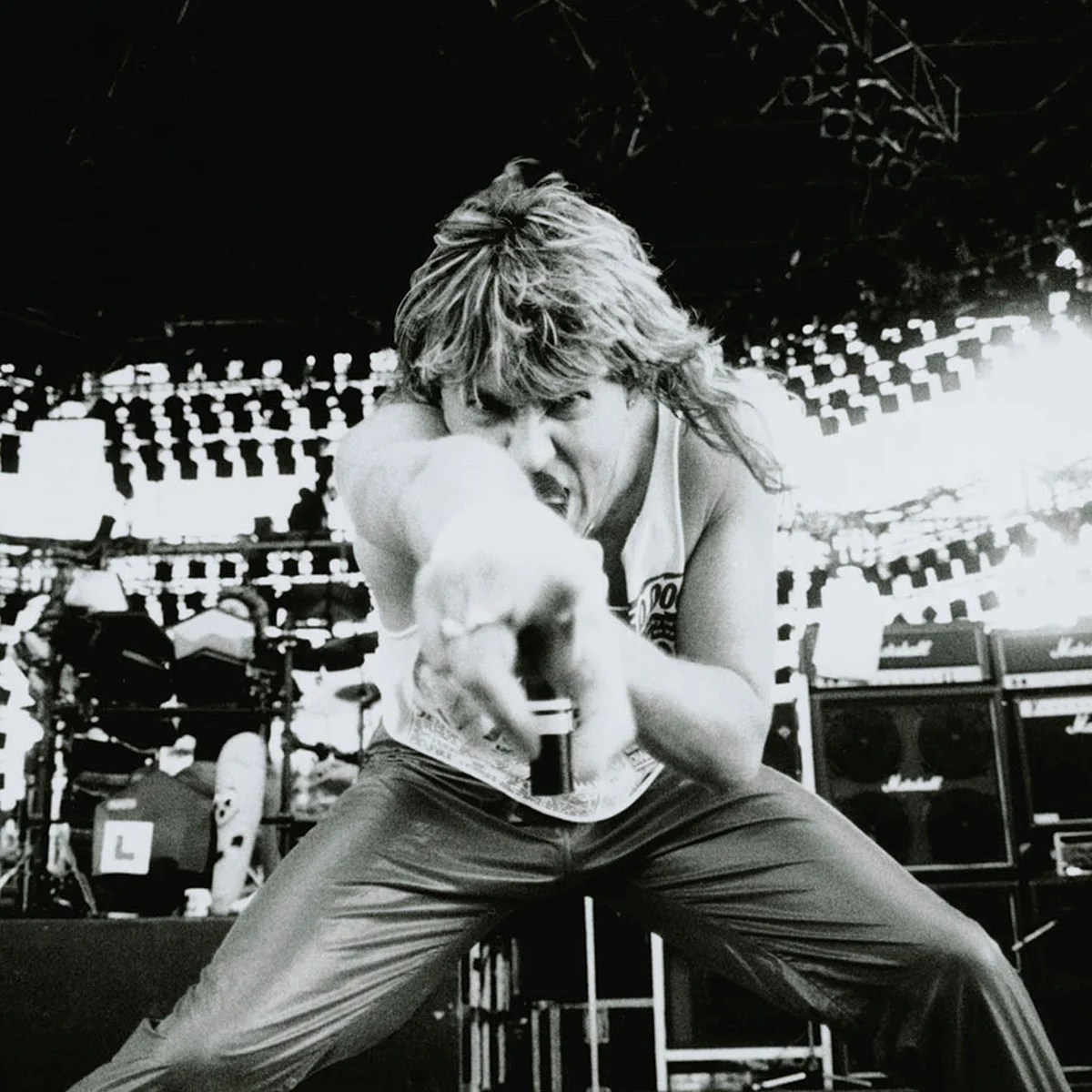
Biggest Hits: ‘Let’s Get Rocked’ (#2 in 1992) & ‘When Love and Hate Collide’ (#2 in 1995)

And straight away, here’s British act number two. For a band best know for ’80s hair metal classics like ‘Animal’, and ‘Pour Some Sugar on Me’, it is disappointing that Def Leppard’s biggest hits are a couple of average #2s from the following decade.

I chose ‘Let’s Get Rocked’ as the video choice because I do admire their commitment to the clunky ‘rock’ innuendo (Let’s get the rock outta here…). And because the once cutting-edge CGI in the video is now utterly, utterly terrifying. Whereas ‘When Love and Hate Collide’ is a plodding power-ballad.

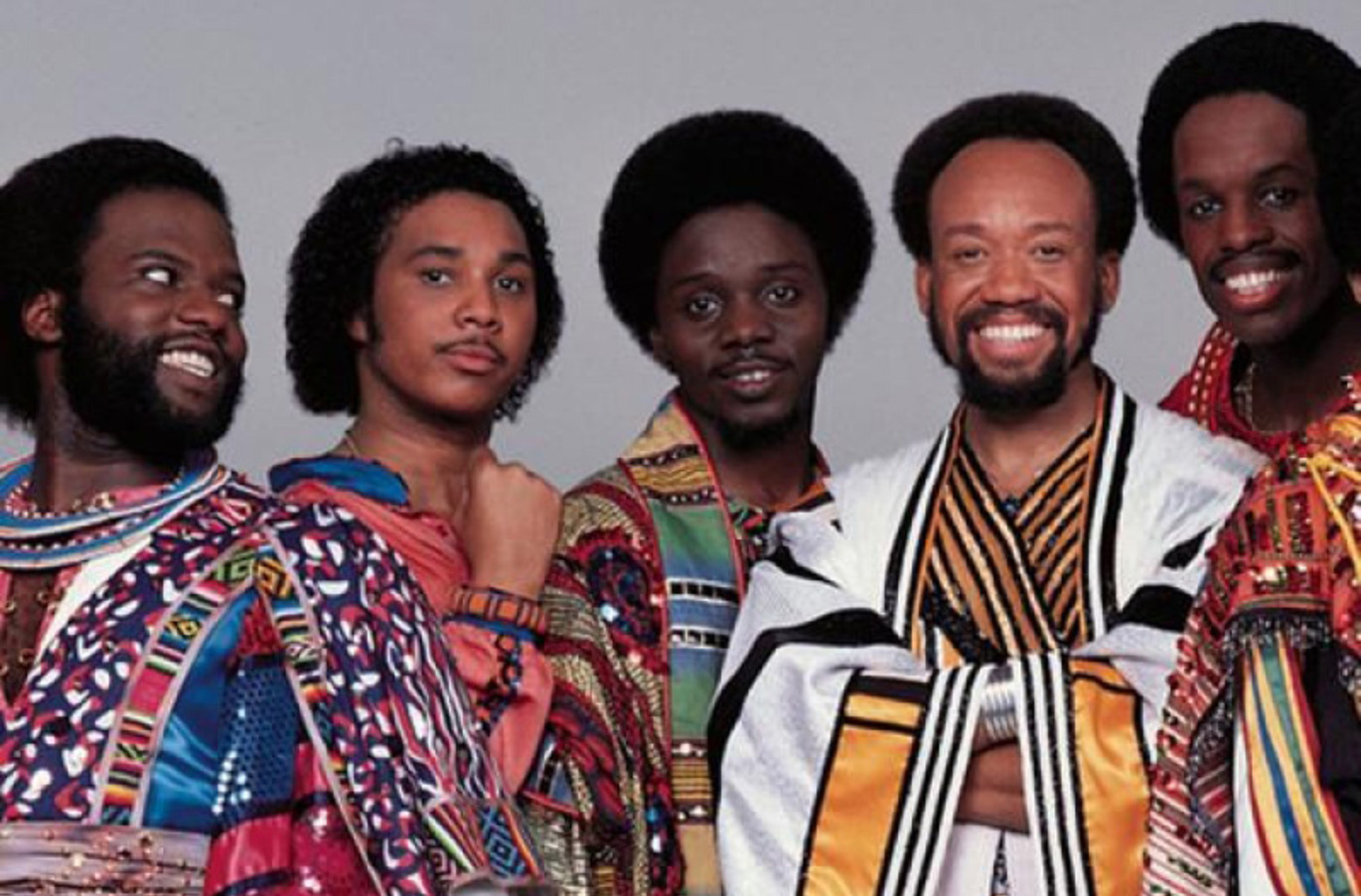
21. Earth, Wind & Fire

Biggest Hits: ‘September’ (#3 in 1978) & ‘Let’s Groove’ (#3 in 1981)

I am suprised that Earth, Wind & Fire are sitting so high up this list, above some legendary names and some huge-selling stadium rock acts. Seems that groove must count for something… Once again, they were much more popular in the US than across the Atlantic.

Since everyone and their dog has heard ‘September’, I’m going for the second of their joint-highest charting singles, the aptly named ‘Let’s Groove’. It’s got a filthy baseline, and great distortion on the opening vocals. It’s a perfect bridge between seventies disco and eighties synth pop. And there’s still the classic EW&F horns. What more do we need?

So, we’ve reached the halfway point in our Top 40. Twenty acts remain, and we’ll cover them in four further parts in the coming year or so. Of the twenty, two acts are British, one is Australian. The rest are American. Twelve are groups, with seven solo acts, and one duo. And only three females are left to appear – two as solo artists, and one as part of said duo…

605. ‘Don’t Turn Around’, by Aswad

A Happy New Year to all! In the real world it’s 2023; in #1s blog world it’s March 1988, and time for the year’s obligatory reggae #1. It feels as if every year of the decade has had one: Boy George, Boris Gardner, UB40

Don’t Turn Around, by Aswad (their 1st and only #1)

2 weeks, from 20th March – 3rd April 1988

And to be honest, I’m usually all for these little reggae interludes. I’ve mentioned it many times before now, but this blog has really raised the genre in my estimations. I used to find it a bit samey, a bit plodding but, in small doses, it’s very welcome. Was very welcome, I should say. Because 1988’s obligatory reggae #1 is testing my new-found reggae tolerance.

Maybe it’s the eighties production. Maybe it’s the nasal delivery of the lead singer. Maybe I’m just not in the mood today. But something’s not working. Don’t turn around, I don’t want you seeing me cryin’… The good thing about reggae is that is often quite a rough and ready style of music: a simple beat and simple lyrics. But here, the echoey effects, and the synths, not to mention the strings, all feel like overkill.

It was the style of the time, yes. But the style of the time spoils so many of this era’s records, that otherwise might have been very good, and it gets annoying. Aswad should perhaps have known better, having been around since the mid-seventies, but who can blame them for updating their sound and going for a big hit. The biggest of hits. A number one.

Still, reggae works best when kept simple. Any attempts to dress it up, as Aswad do here, fall flat. For me, at least. But, again, there’s a reason why I’m writing about this song today, and clearly it didn’t fall flat for a lot of people. It gave Aswad their first hit after a decade of trying (none of their previous releases had breached the Top 40). They were from east London, the sons of Caribbean emigrants, while ‘Aswad’ means ‘black’ in Arabic. They’d score one further Top 10 – ‘Shine’, some six years after this – and they hung around for a long time, releasing their final album in 2009.

Like pretty much every recent reggae chart-topper, ‘Don’t Turn Around’ was a cover. But the original was not reggae – it was a thumping power ballad by Tina Turner, released as a ‘B’-side in 1986 (I must admit I far prefer that version). Soul singer Luther Ingram recorded a version the following year, which is how Aswad became aware of the song. Meanwhile it has also been covered by Neil Diamond and Bonnie Tyler (very much in the Tina Turner style), and was taken back into the Top 5 by Ace of Base in 1994. A very versatile song!

Advertisements

Never Had a #1… Tina Turner

Part II of this look at huge chart stars who’ve never quite made it to the top. Yesterday we featured Bob Marley, whose five biggest UK hits were an eclectic mix. Today we feature a woman whose career spans eight decades… and whose five biggest hits are wall-to-wall classics. The Queen of Rock n Roll: Tina Turner.

‘The Best’ – #5 in 1989

I should actually do a full ‘Should Have been a Number One’ on what is probably Turner’s signature song, in Britain at least. It deserves the attention. Although released in the final year of the decade, ‘The Best’ sums everything great about the 1980s (a decade I may have been critical of, musically speaking, from time to time…) Throbbing synths, power chords, a belt-it-out-at-the-top-of-your-voice chorus, a galloping black stallion in the video, and one of the most outrageous uses of a saxophone ever heard in a pop song.

Before writing this, I had no idea that the original had been recorded by Bonnie Tyler a year earlier, or that it was written by the man behind so many ’70s glam rock classics, Mike Chapman. All that is interesting, and relevant, but also completely shunted to the background by Tina Turner’s performance in owning would could be, in different hands, a completely ridiculous song. The fact that I can even overlook ‘The Best’s decades-long association with Glasgow Rangers – they enter the pitch to it, and fans even had the song re-enter the chart at #9 in 2010 – is a testament to how good it is.

‘Nutbush City Limits’ – #4 in 1973 (with Ike Turner)

Before her reinvention as an eighties power-rock diva, Tina had a first wave of success with her then husband Ike in the sixties and seventies. And if ‘The Best’ has a rival for its position as Turner’s signature tune, then ‘Nutbush City Limits’ is it… (OK, and ‘Proud Mary’, which doesn’t feature here…) It’s a fabulously funky tale of a little ol’ town in Tennessee, that sounds as crispy as a piece of fried chicken. It’s a (hopefully) tounge-in-cheek ode to her hometown: no whisky for sale, you get caught – no bail, salt pork and molasses, is all you get in jail… Elevating the song further is the rumour that the track’s distinctive lead-guitar was recorded by none other than Marc Bolan…

River Deep – Mountain High’ – #3 in 1966 (with Ike Turner)

Belted out by a young Tina, and produced by Phil Spector using every Wall of Sound trick in the book (it even has Darlene Love on backing vocals), ‘River Deep, Mountain High’ gave Turner her first big hit. Ike was credited, but didn’t actually feature on this version (the couple would go on to re-record it in 1973). It was a big hit around Europe in 1966, but flopped in the US. Spector was so distraught by the song’s failure that he didn’t produce another one for two years, and set off on a very destructive path…

Advertisements

What’s Love Got to Do With It’ – #3 in 1984

Turner’s certified biggest hit, and her only solo #1 in the US. This was her big comeback after seperating, both musically and romantically, from Ike. While it doesn’t do it for me like ‘The Best’ and ‘Nutbush’ – it tends a little too much towards ‘icky eighties’, especially in the harmonica – I can accept its classic status. In fact, Turner’s outrageous hairdo in the video would be enough to seal this one’s place in the pantheon. ‘What’s Love Got to Do With It’ went on quite the journey before being recorded by Tina: Cliff Richard turned it down, Donna Summer dithered over recording it, and Bucks Fizz recorded a (pretty decent) version that never saw the light of day until 2000.

We Don’t Need Another Hero (Thunderdome)’ – #3 in 1985

Turner’s joint-biggest hit is this track from the soundtrack to ‘Mad Max Beyond Thunderdome’. She starred in the movie, alongside Mel Gibson. Again, I’m not a huge fan of this one: it’s standard mid-eighties power-balladry (though I do like the snarling guitar). I’d have taken ‘Private Dancer’ (a #26), or ‘Proud Mary’ (never released as a single in the UK!) over this.

Still, there you have Tina Turner’s biggest UK hits that never quite made it to #1. One more ‘Never Had a #1…’ up tomorrow. And it’s the 1980s biggest girl-group!