Remembering Connie Francis

Earlier this week the sad news of Connie Francis’ death was announced, aged eighty-seven, closing the door on yet another chapter from the earliest chart years. There can’t be many, if any, older chart-toppers than Francis still around… And there were precious few women, either, who were scoring rock ‘n’ roll hits and competing with the big male stars of the late fifties.

Francis scored two huge, six-weeks-apiece #1s in 1958, the sassy ‘Who’s Sorry Now’ and the whipcracking ‘Stupid Cupid’ (twinned with ‘Carolina Moon’). I also covered her 1960 hits ‘Mama’ and ‘Robot Man’ as a Random Runner-Up. Follow those links to hear those tunes, and to read my original posts. But since writing those posts – and this has been one of the best things about doing this blog, discovering artists’ non-chart topping back catalogues – I’ve fallen in love with many of Connie’s other hits. So let’s share some here, in her memory.

‘Lipstick on Your Collar’ – #3 in 1959

I love the camp melodrama of this bop, about a cheating boy given away by lipstick smudges. How does Connie know the lipstick isn’t hers? Well, eagle-eyed, she notices his is red, while hers is baby pink. Coleen Rooney eat your heart out. Turns out that floozy Mary Jane had been smooching her man right outside the juke joint. But, as with so many of her early records, Connie does not wallow in heartbreak. In fact, she seems almost thrilled to have rumbled him…

‘Plenty Good Lovin” – #18 in 1959

A similarly uptempo, more swinging, hit from the same year. And this one is positively raunchy by 1959 standards. In fact, I’m not sure Connie isn’t simulating orgasm during the break in the middle… She sings the praises of a man who doesn’t have a nice car, can’t play guitar, is neither intelligent nor particularly good-looking, but who’s got somethin’ that’s better by far… I mean, gurrrrlllll… Plenty of things that he don’t know, But this boy shines when the lights are low…

‘Everybody’s Somebody’s Fool’ – #3 in 1960

Her first US #1, and in fact the first Billboard Hot 100 number one by a female singer (the chart having launched well over a year earlier). Which just goes to prove how impressive Francis’s hit making was, stacked against the likes of Elvis, Pat Boone, Ricky Nelson and co. I love the honky-tonk feel to this, with the rolling organ and the rickety, country beat, and her voice drenched in echo.

‘Where the Boys Are’ – #5 in 1961

Francis made her acting debut in 1961, in the movie ‘Where the Boys Are’. And the title track gave her another big hit, proving that she could sing something a little more traditional to go along with all the rock ‘n’ roll. In 1978, as she was attempting a career comeback, Connie recorded a disco version. If that doesn’t grab you, how about a Japanese version? Today’s female stars could only dream of such versatility.

‘Vacation’ – #10 in 1962

Despite not having an original bone in its body, and already sounding dated in 1962, I love this throwaway tune. ‘Vacation’ was Francis’s last Top 10 hit in both the US and the UK, as the Merseybeat acts prepared to render so many stars obsolete. But it’s hard not to get carried along with this record’s exuberance. Maybe because I’m an English teacher in my day job, I’m instinctively drawn to songs that spell words out in the lyrics. Similarly, it’s probably why I’m drawn to songs about the summer holidays. So this one works for me on many levels.

‘Pretty Little Baby’

It would be wrong to finish without mentioning her final ‘hit’. ‘Pretty Little Baby’ was a B-side back in 1962, but in recent months you’ll surely have heard it if you’ve spent any amount of time scrolling on Instagram or TikTok. In one of her final interviews, Francis claimed to have forgotten of the song’s existence, but that she was touched by its resurgence, and how even kindergartners now know her music. Back to teaching for a moment, I can attest to this as I have a student who has been singing this to himself for several months now… Musically this is cute, and I love whatever early electronic device the solo was recorded on.

From the mid-sixties onwards the hits dried up, and Connie Francis’s personal life took several dark turns. The Guardian published a good article on her many highs and lows yesterday, and she became an advocate for mental health following various traumatic experiences. Having read that, it feels impressive that she lived such a long life and fulfilled life. She returned to music, and only officially retired a few years ago.

Connie Francis, December 12th 1937 – July 16th 2025

The Rolling Stones – Best of the Rest

To mark the release of the Stones’ 24th studio album, and their first original recording in almost two decades, let’s delve back into their long chart career, and explore the hits that didn’t make number one.

Over the course of the 1960s, the band scored eight chart toppers, from ‘It’s All Over Now’ in ’64 to ‘Honky Tonk Women’ in ’69. But they didn’t stop when the sixties ended. No, as you may be aware, they kept going. And going. Kept on rolling on. Impressively, their recent comeback single, ‘Angry’, made #34 in the UK, their first Top 40 hit since 2005. But that won’t quite make this list of their ten biggest non-chart toppers. In ascending order, then…

‘Start Me Up’, reached #7 in 1981

The Stones at their Stonesiest. A killer riff, some smutty lyrics, and Mick doing his best Jane Fonda impression in the video. It’s an impressive feat, releasing one of your signature songs two decades into your career. But it also somewhat marked the end of the band as a chart concern – it remains their final UK Top 10 hit – and the start of The Stones TM: the mega-touring, jukebox musical that the band have been for the last forty years. ‘Tattoo You’, the album from which it came, is seen by many as the band’s last great LP, too.

‘Fool to Cry’, reached #6 in 1976

Perhaps the one thing lacking from the Stones’ back-catalogue is a big ballad. (Ok, the next song on the list proves that statement completely wrong…) Anyway, ‘Fool to Cry’ comes close to being that ballad. A slow, bluesy number that takes its time, lingering on some wonderful falsetto notes from Mick. In the first verse he’s feeling low, so he puts his daughter on his knee, and she tells him Daddy, You’re a fool to cry… A bit too sentimental for the Stones? Not to worry, in verse two Mick goes to his mistress, who lives in a po’ part of town… And she says the exact same thing. Much more like it!

‘Angie’, reached #5 in 1973

Of course, if the Stones do have a big ballad, then it’s this one. There was some discussion as to who ‘Angie’ was: David Bowie’s wife, Keith Richard’s daughter, or the actress Angie Dickinson. Whoever it’s about, it’s a beautiful love song, with Jagger’s slurred singing giving the impression that he’s had a shot or two of Dutch courage before suggesting he and Angie call it a day.

‘Tumbling Dice’, reached #5 in 1972

I called ‘Start Me Up’ the Stones at their Stonesiest, but actually… This is the band at the peak of the powers. The lead single from what is widely regarded as their best album (though I’d go for the clean and concise ‘Sticky Fingers’ over the rambling ‘Exile…’) ‘Tumbling Dice’ might be the coolest piece of rock music ever recorded – that boogie-woogie rhythm, Keef’s lazy riff, Charlie’s drums bringing up the rear, the lyrics about being rank outsiders and partners in crime.. To be honest, until watching the lyric video above I had no idea what 90% of the words to ‘Tumbling Dice’ were. But does it matter? Nah. This one’s all about the groove, the attitude, about being the best freakin’ rock and roll band in the world.

‘Have You Seen Your Mother Baby, Standing in the Shadow?’, reached #5 in 1966

It’s easy now, with them in their eighties, to be blasé about how dangerous the Rolling Stones must have seemed in the 1960s. But this mid-decade hit, that begins and ends in a hail of feedback, with ambiguous lyrics that could be about a girl on the streets, taking drugs, or affairs with people’s mothers, proves that they were mad, bad, and dangerous to know… The memorable horn riff is a sign of the direction that the band would take as the sixties progressed. And just to make sure they got some more attention, the band dragged up for the record sleeve. Lock up your daughters, indeed…

‘Miss You’, reached #3 in 1978

A trio of number threes, now. In the late seventies anybody who was anybody had to try out a disco groove and the Stones were no different, in what was seen as a huge departure for them. The band disagree over whether or not it was originally intended as a disco song – Jagger and Wood say no, Richards says yes – but it certainly ended up as one. (There was an even more disco influenced remix released as a 12″.) Meanwhile, Bill Wyman, whose brilliant bassline holds the whole thing together, has claimed he should have had a writing credit. ‘Miss You’ was their last Billboard #1, and their last UK Top 5 hit.

‘Let’s Spend the Night Together’, reached #3 in 1967

It’s funny – this is one of the Stones’ poppier numbers, and yet one of their most controversial. It’s piano and organ driven, seemingly influenced more by Motown and male vocal groups than the band’s normal R&B touchstones. But lyrics like I’ll satisfy your every need, And now I know you’ll satisfy me… were bound to get folks’ knickers in a twist. Radio stations banned it, and Ed Sullivan insisted that the chorus be changed to ‘let’s spend some time together’, an insistence that the band complied with (though Jagger’s theatrical eye-roll meant they weren’t invited back for a while). In some regions it was twinned with ‘Ruby Tuesday’, though the official records don’t list it as a double-‘A’ in the UK.

‘Not Fade Away’, reached #3 in 1964

Where it all began (almost). This Buddy Holly cover was their 3rd single, and their first Top 10 hit. It’s a lot faster, and beefier, than the original, with a touch of the fuzzy, sloppy sounds of the Rolling Stones in their prime, and Brian Jones’ harmonica acting as lead instrument. It came out in early 1964, right at the start of the British Invasion, when bands like The Beatles and the Stones wore their American rock ‘n’ roll influences loud and proud. It serves almost as a timeline of rock’s rapid development through the fifties and sixties: the Stones covering a Buddy Holly hit, which he’d based on the Bo Diddley riff, which in turn goes all the way back to the dawn of the blues.

‘Brown Sugar’ / ‘Bitch’, reached #2 in 1971

Another all-time Stones classic, this time from ‘Sticky Fingers’, with a great riff, a filthy sax solo, and some famously questionable lyrics. For many years I never paid much attention to the nitty-gritty of the song’s subject matter, because it was such an absolute rocker. But then you actually sit down and read the lyrics about slave ships and whipping women at midnight, and wonder if the song is looking at the matter critically, or just celebrating it. Then again, shouldn’t rock ‘n’ roll be provocative? And they’re far from being the Stones’ worst lyrics (‘Under My Thumb’ and ‘Some Girls’ say ‘Hi’…) As if they knew this song would court controversy, they paired it with a more subtle, reflective number, which they called ‘Bitch’… Some countries also list the record as a triple ‘A’-side, with a live cover of Chuck Berry’s ‘Let It Rock’ as the third track.

’19th Nervous Breakdown’, reached #2 in 1966

Come to think of it, the Stones’ other number two hit is hardly the most sympathetic towards women (Oh who’s to blame, That girl’s just insane…) Lost a little amongst their biggest ’60s hits, ’19th Nervous Breakdown’ is the Stones at their snottiest. The Kinks are always cast as the decade’s social commentators, but songs like this (alongside ‘Satisfaction’, and ‘Mother’s Little Helper’) are just as biting satire. It tells the story of a flighty society girl, running around, getting on everyone’s nerves, always on the verge of yet another breakdown… Though we’re left to ponder how much of that is down to her terrible choice in men. The highlight here is Bill Wyman’s ‘divebombing’ bass in the fade-out…

I hope you enjoyed this little interlude! Back on with the regular countdown next week. Meanwhile, I’m off to give ‘Hackney Diamonds’ a listen…

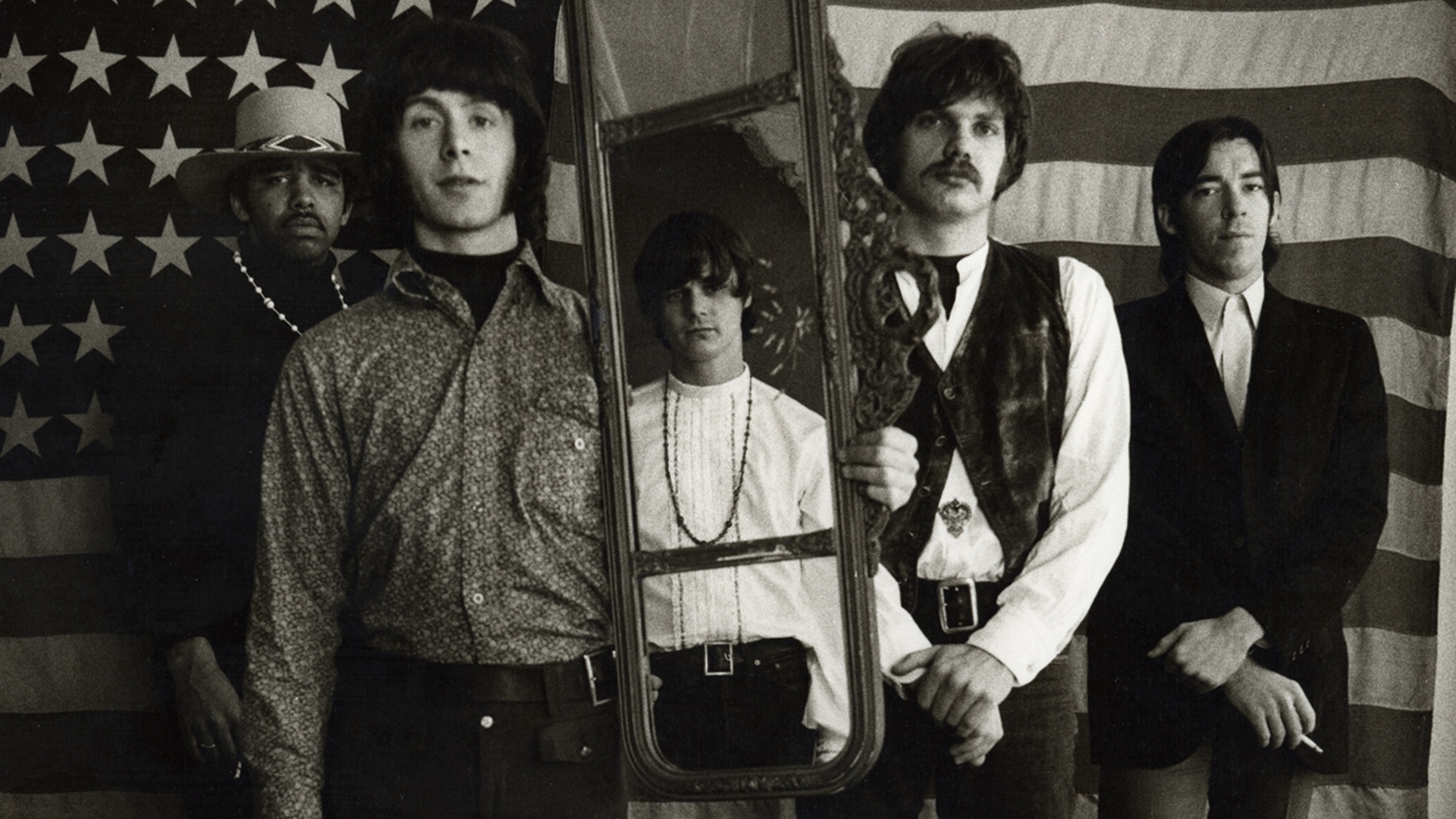
650. ‘The Joker’, by The Steve Miller Band

If the most important chart trend of the late-eighties/early-nineties was the emergence and dominance of dance, then the second was surely the random re-releases…

The Joker, by The Steve Miller Band (their 1st and only #1)

2 weeks, from 9th – 23rd September 1990

Such as this! There are usually two reasons for a golden oldie like ‘The Joker’ making number one years after its original release: use in a movie, or use in an advert. Place your bets… Yes, it was an advert this time, for Levi’s, that gave the Steve Miller Band their biggest hit, a mere twenty-five years into their career.

There’s little point in analysing this record from a musical point of view. It’s a strange little country, bluesy, slightly psychedelic number, recorded in 1973; and so in terms of its style and its production values it sounds a world away from ‘The Power’ (I will leave you to decide whether or not that is a good thing). It’s also very silly, with one of rock and roll’s great opening lines: Some people call me the space cowboy, Some call me the gangster of love…

Who is Maurice (wheep whoop)? What is a pompatus? They are references to earlier songs by Steve Miller but also, perhaps, the real answer lies in the Eaglesy chorus: I’m a joker, I’m a smoker, I’m a midnight toker… Yes, it’s an ode to ganja, and the joys of the doobie. It’s ironic that in 1990, as Britain’s youth raved their nights away, it took a seventeen year old AM radio staple to bring the drug references to the top of the charts…

It’s a fairly random, but very welcome, chilled-out, interlude in our countdown. There’s a great solo, played through some cool vocal effects, as well as the ridiculous cat-call effect in the verse. And a wonderfully filthy line towards the end: I really love your peaches, Wanna shake your tree… It didn’t make the UK charts in 1973, but it did make #1 on Billboard, meaning that Steve Miller Band now holds the record for longest gap between transatlantic chart-toppers. (The ‘band’ is basically Steve Miller, and a revolving door of supporting musicians. He’s still going, and was inducted into the Rock and Roll Hall of Fame in the mid-2010s).

They had already come close a decade earlier, when the equally fun ‘Abracadabra’ had peaked at #2. Except, in finally making #1, ‘The Joker’ caused some controversy. It sold what appeared to be exactly the same number of copies as that week’s number two single, Deee-Lite’s fabulous ‘Groove Is in the Heart’. But, rather than have two songs share the top position – as had happened often enough in the 1950s – Steve Miller won out thanks to having seen the largest sales increase over the previous week. You could bemoan the fact that a crusty old re-release beat a fresh and innovative dance number on a technicality – aren’t the charts supposed to be for what’s current and all that? – but ‘The Joker’ is fun and lively enough to get a pass from me. Plus, the chart compilers eventually confirmed, presumably after several recounts, that it had in fact sold a whopping eight copies more than Deee-Lite, and was there on merit. Just…

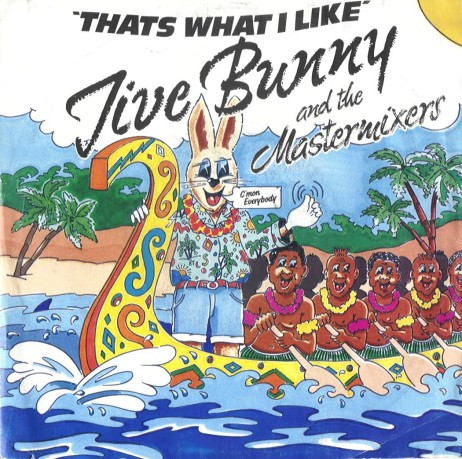
634. ‘That’s What I Like’, by Jive Bunny & The Mastermixers

He’s back! The biggest chart star of 1989, the hottest medley-maker of the decade, the most successful rabbit in pop history, returns!

That’s What I Like, by Jive Bunny & The Mastermixers (their 2nd of three #1s)

3 weeks, from 15th October – 5th November 1989

C’mon everybody… Jason Derulo, DJ Khaled, Pitbull: all the biggest morons have their own call-signs by which to announce themselves at the start of a new record, and Jive Bunny is no exception… C-C-C’mon everybody! After that, we’re off on another double-speed tour around some golden oldies: ‘Let’s Dance’, ‘Great Balls of Fire’, ‘Runaround Sue’ and more… Bill Haley, Eddie Cochran and Little Richard have the honour of appearing on their second straight Mastermixers’ release. (I’ve just realised something truly upsetting – these are as close as Little Richard ever came to a #1 single…) Though, as in the first Jive Bunny record, a lot of the vocals are clearly performed by impersonators. The theme to ‘Hawaii 5-0’ does the job of ‘In the Mood’ here, and bookends the entire party.

As before, the whole thing is completely incongruous, and wholly ridiculous. And yet, I still can’t hate it. In fact, it gives you a new-found respect for what are already classic songs, that they can be dropped from a great height into this hot mess and still shine through. In the Mastermixers’ defence, the transitions between the songs are slightly smoother here than in ‘Swing the Mood’. They were clearly honing their craft.

And let’s be clear: the fact that this topped the charts just six weeks after their first #1 confirms that Jive Bunny fever was clearly sweeping the country in the autumn of 1989. They were just giving the public what they so craved – what they liked, as it were. (The title comes from the Big Bopper’s lascivious Oooh baby that’s what I like… in ‘Chantilly Lace’.)

As with ‘Swing the Mood’, ‘That’s What I Like’ was a huge hit throughout Europe (though returns were slowly diminishing, and the UK was the only territory in which it made #1). Even the US wasn’t immune to the rabbit’s charms, with this making #69 on the back of a very impressive #11 peak for ‘Swing…’ Twas, for a short time, Jive Bunny’s world, and we were just living in it.

632. ‘Swing the Mood’, by Jive Bunny & The Mastermixers

Welcome to the second half of 1989, the final few months of the decade. We have twenty-three weeks’ worth of chart-toppers left to go. Nine of those will be taken up by a cartoon rabbit, peddling medleys of golden-oldies…

Swing the Mood, by Jive Bunny & The Mastermixers (their 1st of three #1s)

5 weeks, from 30th July – 3rd September 1989

First thing to establish is that, yes, this did indeed happen. I know April Fool’s is just around the corner but no – it’s real. I’m too young to remember it and I can’t recall the last time I heard Jive Bunny mentioned, in any context, so I imagine that those responsible for buying these records, and contributing to his short period of chart domination, regret it wholeheartedly.

‘Swing the Mood’ is a journey through rock ‘n’ roll history, bookended rather incongruously by Glenn Miller’s ‘In the Mood’, which predates rock ‘n’ roll by a good decade. Still, it’s catchy, a great hook, and has even already featured in a #1 single … Yes, in the fade-out to ‘All You Need Is Love’. Then we’re off, off on a breakneck journey past Bill Haley & The Comets, Elvis, Chubby Checker, Little Richard, The Everly Brothers, and Eddie Cochran.

Three former #1s appear – ‘Jailhouse Rock’, ‘Rock Around the Clock’ and ‘All Shook Up’ – which is not something happens very often (in fact, the only #1 I can think of that features an earlier chart-topper is, again, ‘All You Need Is Love’, which had a snippet from ‘She Loves You’). The whole shebang was the brainchild of a father and son duo from Rotherham, John and Andrew Pickles, though the original ‘Swing the Mood’ had been created by a Doncaster DJ named Les Hemstock. Either way, it’s a South Yorkshire creation, though I could find no information on who wore the (genuinely quite terrifying) rabbit head for promotional activity.

Listening to the various versions of ‘Swing the Mood’ available to us on Spotify and YouTube, it becomes clear that not every song in the medley features the original vocals. Danny and the Juniors sound legit; but that sure ain’t Elvis. This was a problem that plagued Jive Bunny from the start: even as the record was climbing the charts they had to put out a re-recorded version with impersonators singing the bits they didn’t have the rights for.

I mean, I guess it’s fun. I can’t hate it, because I like all the songs featured in it, and the good thing about medleys is that they jump around so fast that you could never call them boring. (Though, for a much better medley of rock ‘n roll tunes, check out Status Quo’s ‘Anniversary Waltz 1 and 2’, which perhaps rode the Jive Bunny wave to reach #2 a year later.) Some of ‘Swing the Mood’s transitions are very clunky, though; and what they do to The Everly Brothers as they segue into ‘Wake Up Little Susie’ is borderline sacrilege. Calling themselves ‘The Mastermixers’ seems a bit of a stretch…

At the same time, medleys had been a big thing throughout the 1980s, and we were probably overdue one at the top of the charts. ‘Stars on 45’, ‘Hooked on Classics’ and the like, had all been big hits. Once the floodgates opened – and boy did they open, with ‘Swing the Mood’ becoming the second highest-selling hit of the year – the #1 hits kept coming. There’ll be more from Jive Bunny very soon…

Number 1s Blog 5th Anniversary Special – Readers’ Favourite #1s – ‘Hey Jude’

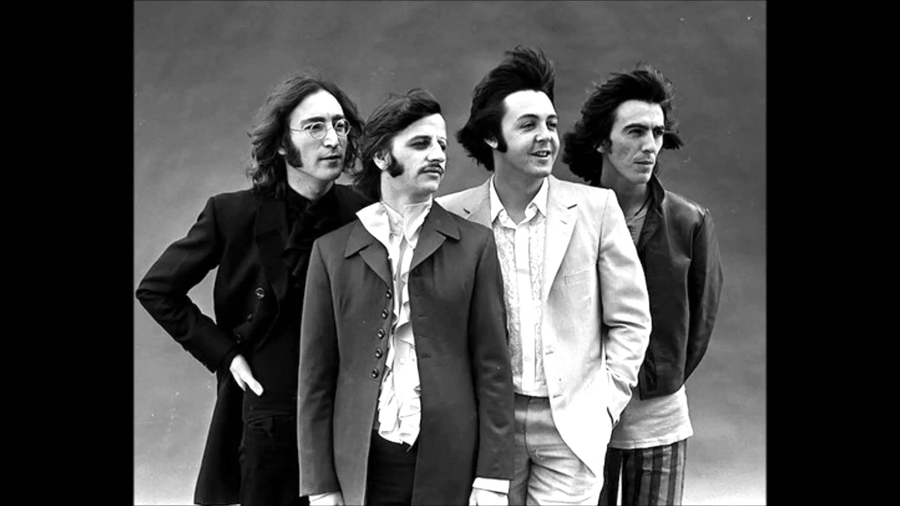
Of the four ‘favourite’ records that I’m featuring this week, three are from the 1960s. The odd-one-out is tomorrow’s choice from 1980, but more on that in twenty-four hours… Whether this says something about the tastes, or the ages, of our guest writers, or whether it says something about the enduring quality of the Swinging Sixties, I’ll leave you to decide… Anyway, there’s nothing uncertain about the quality of today’s featured song, or the band that took it to #1. They had to feature, right? John Swindell AKA popchartfreak has chosen The Beatles’ 1968 epic, ‘Hey Jude’…

‘Hey Jude’, by The Beatles – #1 for 2 weeks in 1968

This record was ground-zero for me in my personal discovery of the UK singles chart rundown on a Sunday, Pick Of The Pops with DJ Alan Freeman, still iconic in his exciting presenting style. “Right? Right!”. Dad came back from work at RAF Swinderby in Lincolnshire, England with the news ‘Hey Jude’ had gone to number one. The longest-single to ever chart, by the biggest pop stars in the world that I’d grown-up with, and seen the films, and played the singles dad bought, were on Top Of The Pops with a great video. And it was exciting discovering the reverse chart-rundown on the radio. I was already a massive pop music fan, but this pushed me further into obsession, so many records I loved!

Until more recently ‘Hey Jude’ was far and away The Beatles most-popular record, in all it’s 7-minute singalong, slow-fade glory, and it was Paul at his ballad best. These days ‘Let It Be’ and ‘Here Comes The Sun’ tend to get the kudos over ‘Hey Jude’, but for me it’s still Jude. Written for young Julian Lennon after his parents split, it’s still got that hopeful sadness to it, being supportive to a child in distress and telling them everything will be alright – but slightly tweaked to make it more universal for everyone. Given the backdrop of assassinations, war, intolerance, racism and much more in 1968, it was a boost we needed. I was 10, but I was aware of all these things on the news.

Does it need to be 7 minutes and 11 seconds long? Yes, it does, it’s part of the build from slow sedate intro to manic screaming as the mood changes from sorrow to a crowd-thrilling climax, it’s still an emotional journey and a gradual build-up. Value for money? One of their biggest-sellers, it had a fabulous free John gem ‘Revolution’ on the B-side, and the only reason it didn’t stay on top for even longer was Paul had signed up folk singer Mary Hopkin to the Fabs new Apple record label and got to her to cover a Russian Folk song, ‘Those Were The Days’, which me and the record-buyers were even more enthusiastic about. In 1976 when all the Beatles singles were reissued with new record sleeves (rubbish ones) ‘Hey Jude’ peaked again at 12, higher than the rest of their back catalogue bar ‘Yesterday’ – which had never been a single before.

I took my mum to see Paul & Linda McCartney and their band in 1989 at Wembley Arena. It was thrilling hearing so many classics, but the peak moment was when Paul started ‘Hey Jude’ and I got goose-bumps. Sadly, as the audience was on its feet, a woman just in front of us took the opportunity to pass-out (overcome by the emotion of the moment) so the furore as staff dashed over to help put a dampener on the moment. Plus side, I can say ‘Hey Jude’ was still having a massive emotional impact on people over 20 years later. It’s still rated by some young music fans who have no memory of the 20th century, so I think that’s a pretty good reason to single it out even if I ignore what it means to me personally!

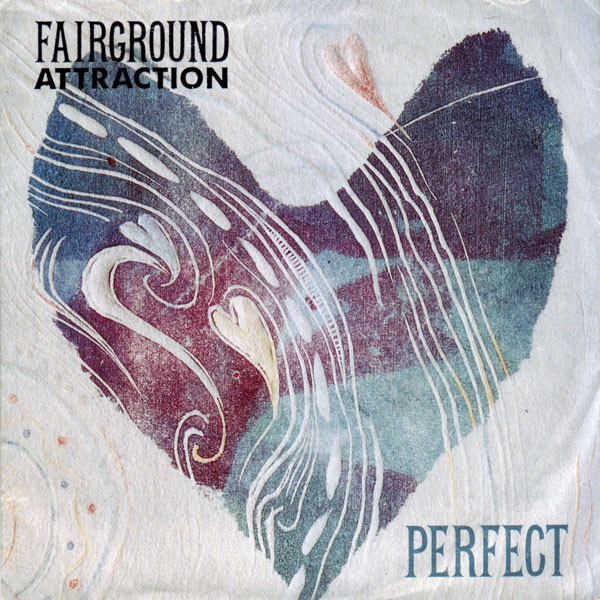
608. ‘Perfect’, by Fairground Attraction

Following on from the sweaty, pounding ‘Theme from S-Express’ comes the jaunty, acoustic ‘Perfect’. One of the biggest style switches between consecutive chart-toppers?

Perfect, by Fairground Attraction (their 1st and only #1)

1 week, from 8th – 15th May 1988

I’ve always liked ‘Perfect’, long before I knew it had been a number one hit. It’s the sort of song that plays in the background, throughout your life: the sort of song you think you’ve heard even when you haven’t. A little rockabilly ditty, with a cutesy hook: It’s got to be-e-e-e-e-e-e, Perfect…

But, like I said, I knew the song long before I knew it had made #1. And I’m thinking there must have been some sort of story behind ‘Perfect’ making top spot, because it’s just not the sort of song that should have been making #1 in 1988. Was there a movie? An advert? A climactic scene in ‘Brookside’…? Seems not. It wasn’t even basking in the glow of a big preceding hit, as it was Fairground Attraction’s debut single.

To be fair, it’s not as if rock music didn’t exist in the 1980s, it was just largely absent from the top end of the charts. Maybe ‘Perfect’ was at the sweet spot between ‘80s indie (Smiths, Housemartins) and ‘80s rockabilly (the solo here features twanging guitars last heard in a Shakin’ Stevens hit, and might just be my favourite bit of the song), which gathered it enough steam to sneak a week on top. And hey, let’s not quibble! Guitars are back on top for a week! Having glanced ahead at the #1s to come… we’ll take what we can!

My second favourite part of the song is Eddi Reader’s vocal performance. Crisp and clear, playful on the verses, near soaring on the chorus, Reader had been a busker and a session vocalist before finding fame with Fairground Attraction. Their success didn’t last long, as the group split while recording their second album, but Reader has gone on to have a lasting folk career, re-recording ‘Perfect’ in Irish and interpreting the songs of Robert Burns among many other things.

To finish… Here’s where I’m going to get a bit picky. As nice as this record is – and ‘nice’ is an apt adjective – I do wish that our first rock (with a small ‘r’) #1 in a while had a bit more substance to it. A bit more beef. But it is what it is. We take what rock we can get and we move on…

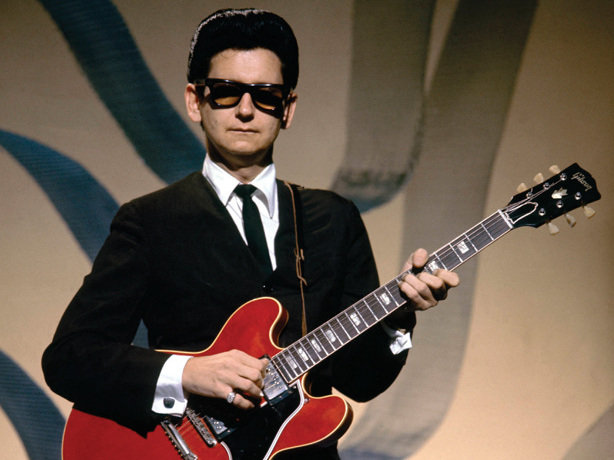
Roy Orbison: Best of the Rest

December 6th marks the 34th anniversary of Roy Orbison’s death, at the tragically young age of fifty-two. The ‘Big O’ stood apart from other early rock ‘n’ rollers, with his sombre stage persona, his vulnerable, melancholy songs, and his semi-operatic voice.

After his hit-making days ended in the mid-to-late sixties, a decade in the wilderness beckoned. Personal tragedies also unfolded – the deaths of his wife and his two eldest sons in a car crash and house fire respectively. The eighties saw a rediscovery of his work, with hit covers of his songs by Don McClean and Van Halen, and the formation of The Traveling Wilburys supergroup in 1988, alongside Bob Dylan, Jeff Lynne, George Harrison and Tom Petty. On the cusp of a triumphant comeback, Orbison died from a heart attack on December 6th 1988.

I’ve already written about his three chart-toppers (‘Only the Lonely’, ‘It’s Over’ and ‘Oh, Pretty Woman’) – classics the lot of them – and so to mark this day I’ll cover his five next-biggest UK hits…

‘In Dreams’ – #6 in 1963

A candy-coloured clown they call the Sandman, Tiptoes to my room every night… Only Roy Orbison could give a lyric so ridiculous-and-yet-terrifying the weight that it deserves. He dreams of his ex-lover then wakes, bathed in sweat, and alone. (Of course he’s alone – it’s a Roy Orbison song.) It’s got the same build-up as one of The Big ‘O’s very best songs, ‘Running Scared’, which barely scraped into the Top 10. ‘In Dreams’ is not quite as good, but builds to a fine crescendo. Roy, as was his way, hits a note that most humans are incapable of imagining, let along singing. ‘In Dreams’ was used to famous effect in David Lynch’s ‘Blue Velvet’, a move that initially shocked Orbison but one that he came to accept after seeing the film several times (and perhaps, if we’re being cynical, seeing the publicity it brought his music…)

‘Too Soon to Know’ – #3 in 1966

A country cover that, I must admit, I’d never heard before. And yet it’s one of his biggest UK hits. It must have sounded quite unfashionable in the swinging charts of 1966 and yet… When was Roy Orbison ever truly in fashion? Or out of fashion, for that matter? He ploughed his own, spectacular furrow. It’s sweet, but lacking the oomph of Roy’s biggest and best hits.

‘Blue Bayou’ – #3 in 1963

Another bit of country-pop, with a cool bassline. And with Orbison’s angelic tones in the chorus, this is no normal country tune. No matter what genre he turned his hand to – country, pop, rock ‘n’ roll – he couldn’t help doing it a bit different. As a kid, I had no idea what a bayou was, but always thought it sounded nice: where you sleep all day, and the catfish play… I’m still not one-hundred percent certain what a bayou is, but I’d definitely like to hang out there…

‘You Got It’ – #3 in 1989

The comeback hit that never was. Well, it was a hit – one of his biggest – but Roy wasn’t around to enjoy his return to the top end of the charts. And ‘You Got It’ is almost the perfect comeback – a slight updating of Orbison’s sound, with some help from Jeff Lynne, but still a record that could easily slip in amongst his classics from the early sixties. The video above was filmed just a few weeks before his untimely death. It feels churlish to wonder if it would have been such a big hit had he not died… Maybe it would, as it’s a great song.

‘Dream Baby (How Long Must I Dream)’ – #2 in 1962

Interesting that this rockabilly ditty is Roy Orbison’s biggest non-#1. It’s nice enough: a repetitive refrain that turns into a sort of mantra as the song progresses, and it builds to a crescendo as all the best Orbison songs do. But it’s not an all time classic. Not a ‘Crying’, a ‘Running Scared’ or a ‘Blue Angel’ (my personal favourite). The video above is worth a look if not for the song then for the spectacularly uninterested audience. What did he say just before launching into the song…?

Roy Orbison, then. One of the most original chart stars going, with one of the very best voices.

Roy Orbison, April 26th 1936 – December 6th 1988

595. ‘La Bamba’, by Los Lobos

We’re hitting a bit of a latin groove in the summer of ’87. After Madonna’s two ‘¿hablas español?’ chart-toppers, here are some actual Mexicans…

La Bamba, by Los Lobos (their 1st and only #1)

2 weeks, from 26th July – 9th August 1987

OK. Los Lobos (The Wolves) are from California, but they’re of Mexican heritage, and sound to these untrained ears like the real deal. This is a nice, insanely catchy, interlude at the top of the charts – not just because it’s something a little different, but also because actual guitar-led number one singles were rarer than hens’ teeth in the mid-1980s.

It’s also not often that we get a fully foreign-language record at the top, either. In my initial notes on this, I wrote that it was only the 3rd of the decade. Now I’m struggling to think what the other two were… There’s Julio Iglesias’s similarly Spanish smoothy ‘Begin the Beguine’ (which, to be fair, has a couple of lines of English). Oh yes, and how could I forget Falco’s ‘Rock Me Amadeus’ which, title aside, was fully auf Deutsch.

What is a ‘Bamba’, I’m wondering? It’s not a thing, as such… More of a dance. There’s no direct translation, but the verb bombolear means to shake, or wobble, and so a derivative dance would presumably have a bit of hip wiggling. Put the rest of the Spanish lyrics through a translator, and it turns out to be a bit of a nonsense tune: To dance ‘La Bamba’, You need a bit of grace… I’m not a sailor, I’m a captain… Bam-ba, Bamba…

‘La Bamba’ was originally a hit for Ritchie Valens, and the Los Lobos version featured in a biopic released at the same time as the hit record. Which taps into another emerging theme of 1987: soundtrack hits. ‘Stand by Me’, ‘Nothing’s Gonna Stop Us Now’, ‘Who’s That Girl’, now this, have all made top-spot at least in part thanks to movies. The Valens film told the story of the first Latino rock ‘n’ roll star, whose rise to fame ended in the same plane crash that killed Buddy Holly and the Big Bopper when he was just seventeen.

‘La Bamba’ has a much longer history, though. It’s a Mexican folk song, of the son jarocho school, meaning that its roots stretch back centuries and that this is actually a pretty unique and culturally significant chart-topper. The earliest recording of ‘La Bamba’ is from the ‘30s. Valens took a song he presumably knew from childhood and gave it a rock ‘n’ roll twist… And it eventually ended up on top of the British charts some thirty years later, sandwiched between Madonna and Michael Jackson. The instrumental fade-out in particular sounds very authentically Mexican, though I think that was cut from the single edit.

Los Lobos had been around since the 1970s, and remain around today – having just released an album last year. This cover was by far their biggest hit, though, and what a hit: a #1 from the USA to New Zealand, via the UK, France and seemingly everywhere in-between. And, like I said in the intro, it’s been a refreshing change of pace. Up next, though, we’re back with the eighties big-hitters. The biggest of hitters: MJ himself.

Advertisements

Remembering Jerry Lee Lewis

Last time I did a ‘Remembering’ post, it was on the universally loved and cherished Olivia Newton-John, about whom nobody had a bad word to say. Jerry Lee Lewis, though…

We’ve met some wrong ‘uns in our journey through the chart-toppers of yore. Bad types with equally bad music (Rolf Harris), bad types with music that I couldn’t help but enjoy (Gary Glitter). Jerry Lee Lewis was possibly that baddest of them all. ‘The Killer’, so named because he had allegedly tried to strangle a teacher at his high school – or so he said – lived a life that would make your average, run-of-the-mill criminal blush. Drug arrests, assault arrests, two wives dead in suspicious circumstances and – the one that effectively ended his mainstream chart career before it had truly started – a marriage to his thirteen year-old cousin.

He was, in his own words, an unrepentant hillbilly. Unpleasant and aggressive towards his fans, his family, journalists, and other musicians. (When he met John Lennon, he did so after berating the Beatles and their peers as ‘shit’ from the stage. Lennon, legend has it, still kneeled down to kiss Lewis’s feet.) Why then, does he seem to have gotten away with it? Any current artist who did a quarter of the things Jerry Lee allegedly did would have been cancelled into the dust. Is it because it was all so long ago? Is it because people were more able to seperate art from artist? Or is it because he was just so good?

For, no matter how terrible a person he was, he is rock and roll royalty. One of the five deities: Chuck, Elvis, Buddy, Little Richard, and Jerry Lee. Elvis used his voice (and his body), Buddy Holly and Chuck Berry their guitars. Jerry Lee Lewis and Little Richard had their pianos, which put them at an immediate disadvantage, as pianos are not hugely conducive to rocking and rolling. Pianos are for classical music, for Beethoven and Mozart, for respectable ladies’ front rooms. You have to sit down to play them, and sitting down is the antithesis of rock ‘n’ roll.

So you have to do what Jerry Lee, and Little Richard did. Pound the keys, assault the keys, stamp on them, jump on them… Set the goddamn piano on fire if you have to. (Which Lewis allegedly did when angry at being lower down a bill than Chuck Berry. ‘Follow that, boy’, he said as he left the stage.) Which leads to Jerry Lee’s one and only British chart-topper: ‘Great Balls of Fire’.

Quite often, as with many genres, by the time rock ‘n’ roll made it to the top of the charts it had been diluted. Elvis’s first #1 was the smooth ‘All Shook Up’. Buddy Holly had one chart-topping rocker: ‘That’ll Be the Day’. Berry had to wait until the nonsense that is ‘My Ding-A-Ling’. Little Richard never had one. Which means that ‘Great Balls of Fire’ is probably the purest rock ‘n’ roll chart-topper. It’s unadulteratedly dangerous, and sexy. It has a title that is at once biblical, yet also sexual. Watch the live performance below, probably quite restrained by his standards, and listen to the shrieks form the audience every time he pauses, when he stands, and when he leers at them. The sweat on his brow, the glint in his eye. Anybody capable of that sort of performance was going to have a few skeletons in the closet. He was complicated, unpleasant, the ‘killer’, but he was rock and roll.

Jerry Lee Lewis

September 29th 1935 – October 28th 2022