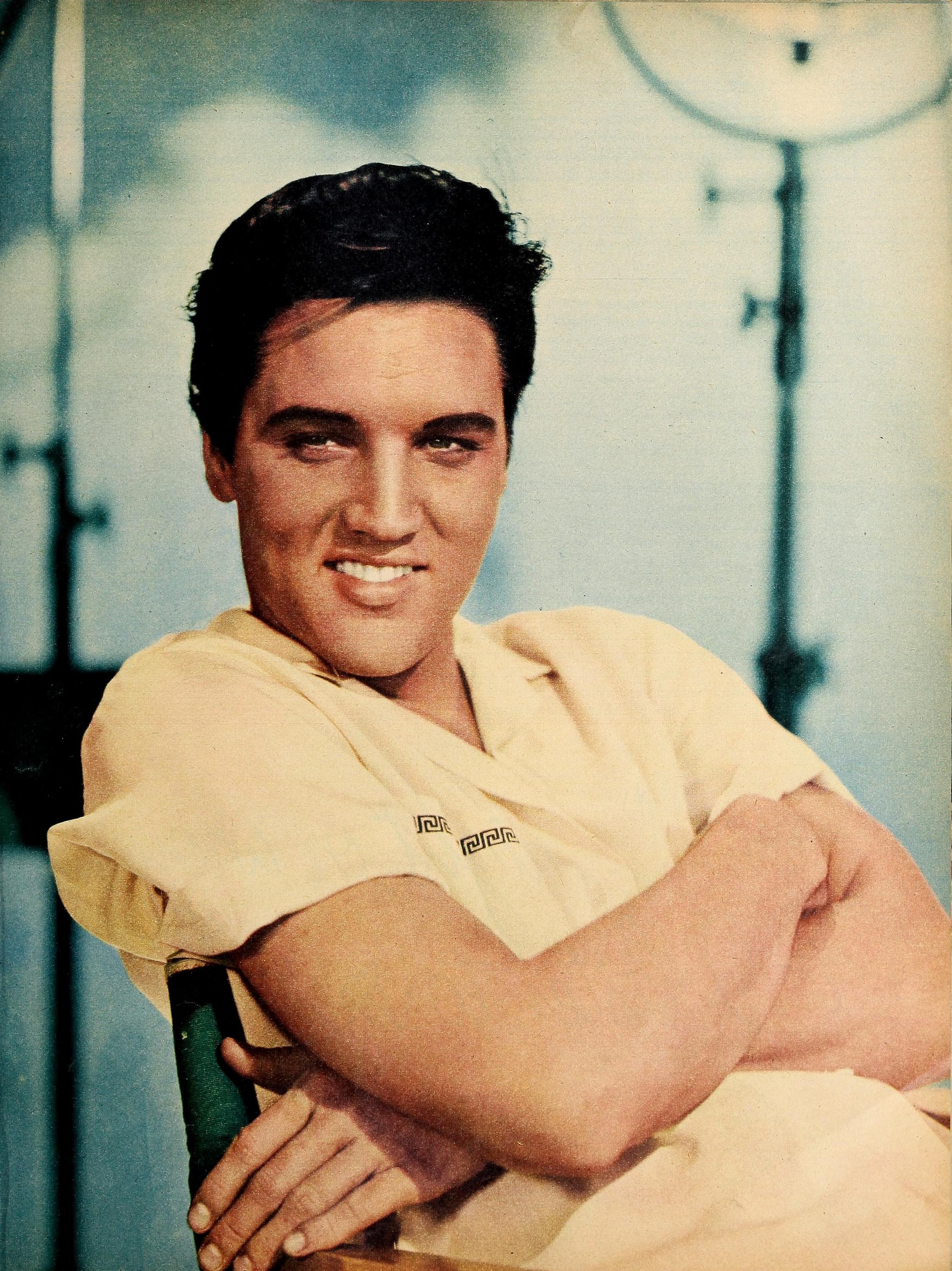
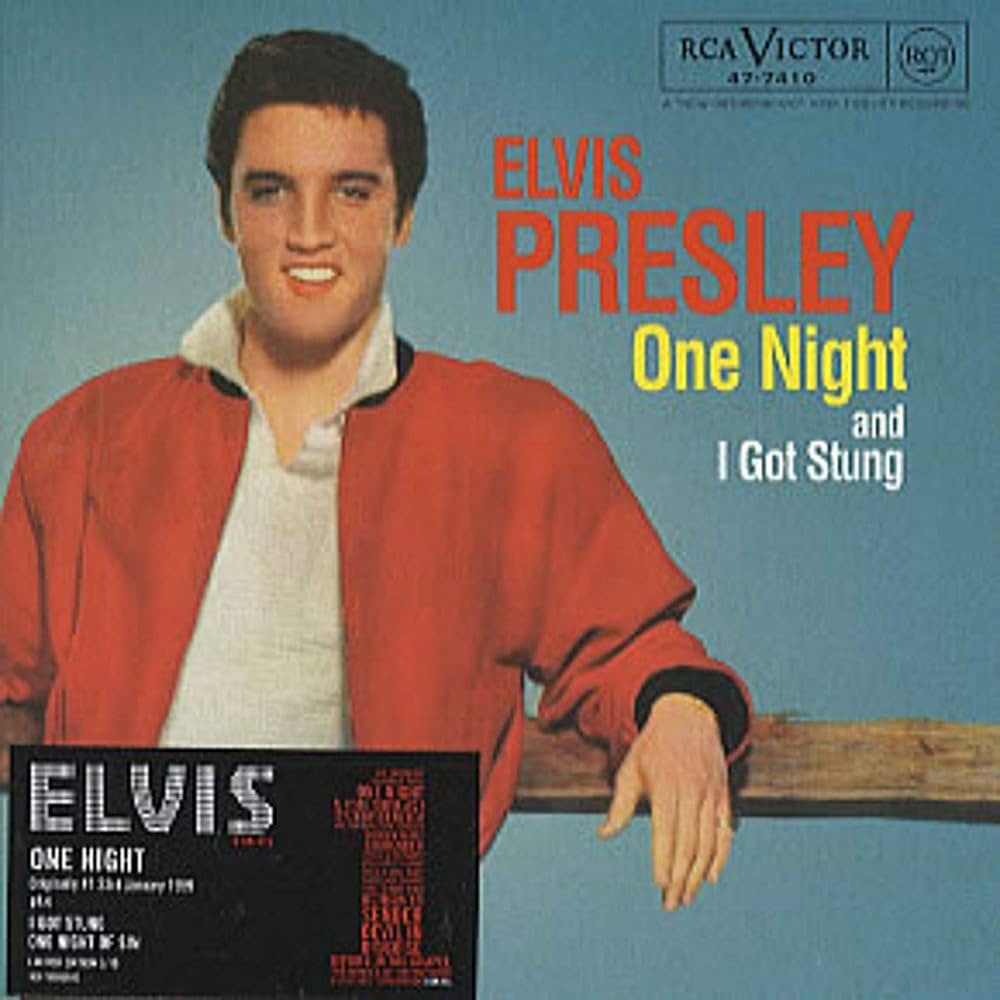
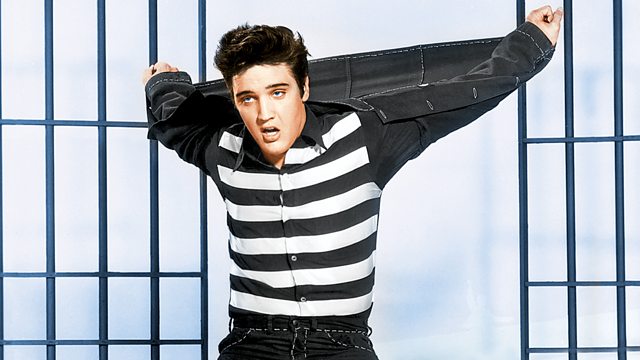
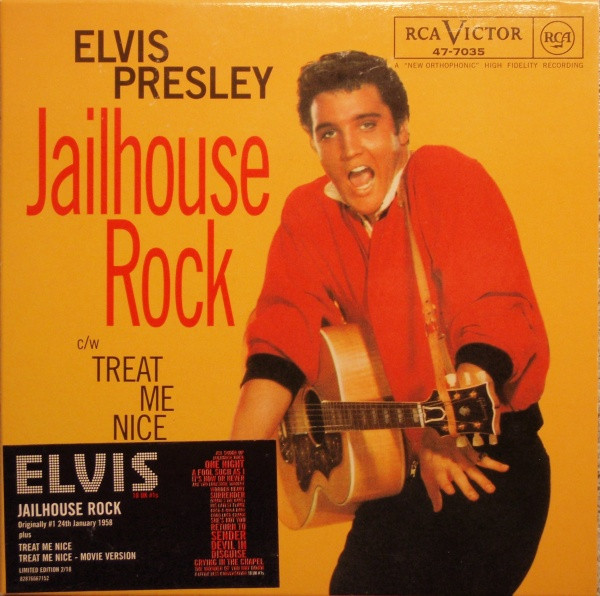
At the end of my last post, I claimed that ‘It’s Now or Never’ wasn’t particularly good. Which was a bit harsh, I suppose…
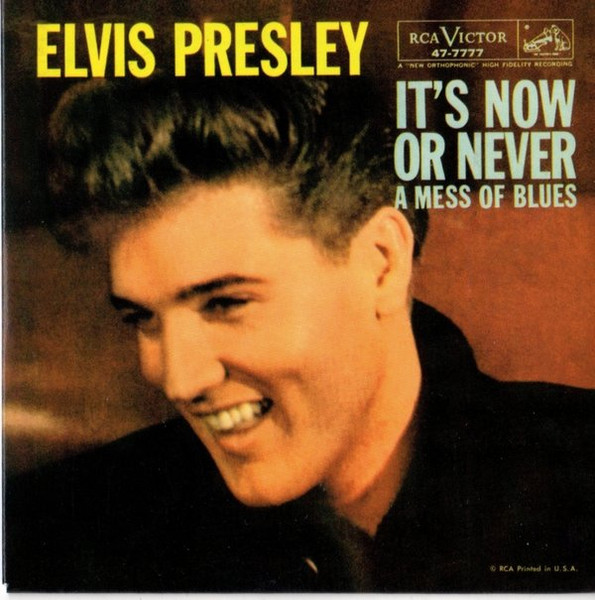
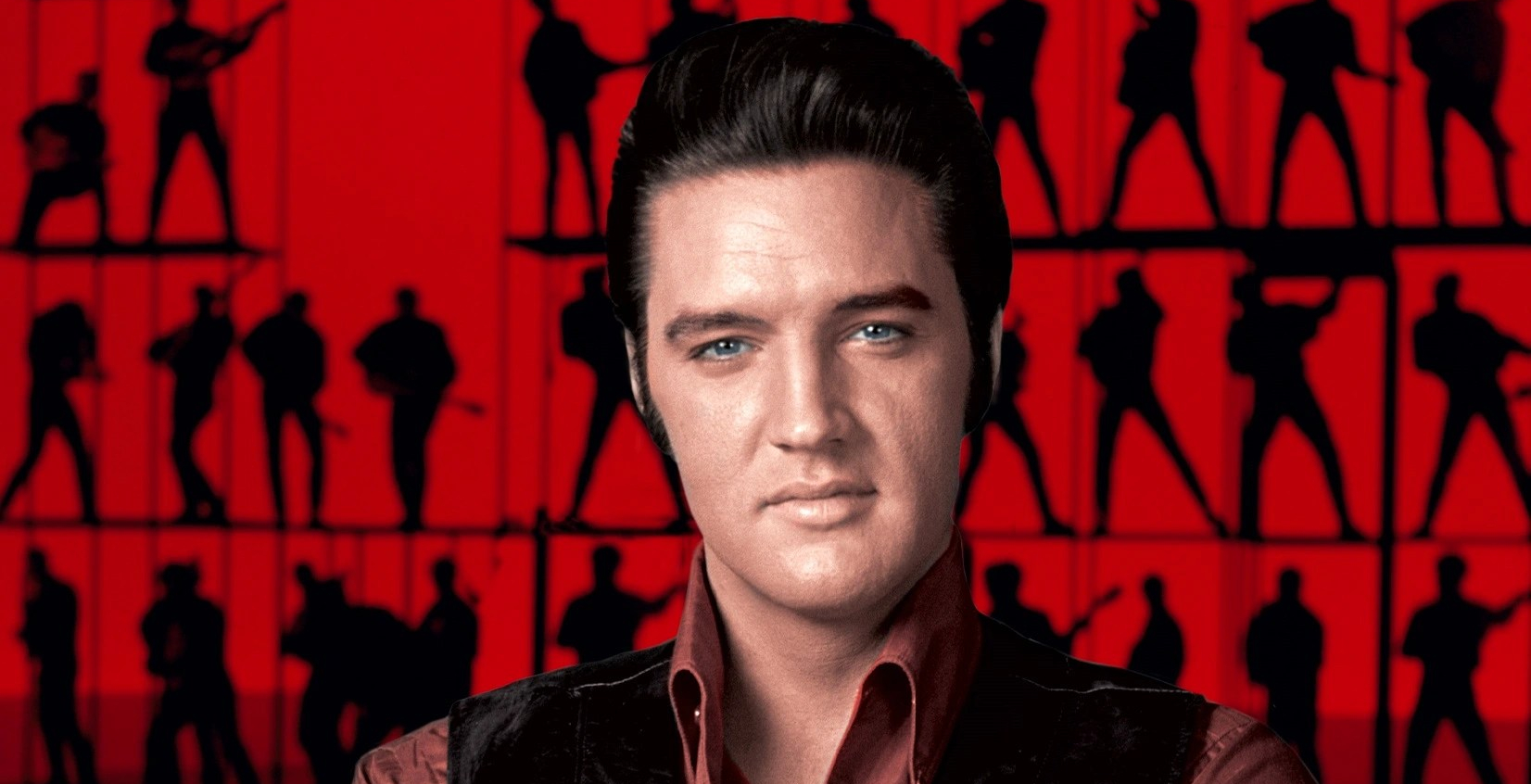
It’s Now or Never, by Elvis Presley (his 21st and final #1)
1 week, from 30th January – 6th February 2005
The problem I have with ‘It’s Now or Never’, both in its original eight-week 1960 run at number one and now, is that there are better Elvis songs which deserve to have been his biggest selling hit. ‘It’s Now or Never’ is catchy, eminently singable, and Elvis belts it out like no other; but it is essentially a novelty. It is an old Italian melody, ‘O Sole Mio’, tarted up as a pop song. It is better remembered nowadays as a Cornetto advert.
It also marked the launch of Elvis Mk II: the operatic, corny movie Elvis, who was being rinsed for every cent by Colonel Parker. Which in hindsight isn’t something to be celebrate. However, it also launched probably the most successful chart-topping run of any artist in British chart history. In just over two years (November 1960 to December 1962), Elvis scored nine chart-toppers, and racked up forty-one weeks in pole position. I’m sure I contended with all that in my original post on the song, published back in 2018.
I’m also a bit down on ‘It’s Now or Never’ because this rerelease ensured that it was my nineteenth birthday #1. Which means it stands out like a sore thumb in my ‘Birthday #1s’ playlist… It’s far from being my worst birthday #1 – and maybe one day I’ll do a post on them – but I’d rather have had ‘Jailhouse Rock’ or ‘One Night’. Or even better, ‘Goodies’: an actual contemporary piece of music from January 2005.
‘Goodies’ withstanding, Elvis came very close to replacing himself at number one three times, with four consecutive number ones. Which it goes without saying would have been a record. In any case he became only the third artist to replace themselves at #1, after the Beatles and a posthumous John Lennon. But as winter turned into spring, and singles sales slowly picked up, none of his subsequent thirteen re-releases troubled top spot.
In fact, I remember at the time it was quite an interesting way to judge the overall health of the singles market. Assuming the Elvis rereleases always sold just over the 20k mark, the more singles that finished above him meant a more robust chart. From memory, I think the lowest he charted that spring was #5.
Here then ends the ultimate chart-topping career. Twenty-one of the buggers. Yes, some will complain that he has been helped by remixes and releases, and that without them he’d have remained tied with the Beatles on seventeen. But we have to treat these releases as ‘new’ #1s, with new packaging and new catalogue numbers. As we did when ‘Bohemian Rhapsody’ and ‘My Sweet Lord’ returned to the top. It’s been an interesting interlude, this Elvisenaissance, that’s for sure. But as much as I do love a bit of Elvis, I’m glad we’ll be returning to more contemporary #1s after this.
After all the celebrations as we reached the 1000th #1 – a re-release of the 80th #1 ‘One Night’, which gave Elvis his 20th UK #1 – I thought an interesting way to wrap the festivities would be to go back to where it all started.
For Elvis, that is. I’ve done several ‘Today’s Top 10’ posts, but have never delved as far back as the fifties. Here then, is the UK Top 10 as it stood on this day sixty-nine years ago, which just so happens to have been the very first of Elvis’s eighty weeks on top of the charts…
10.‘Butterfingers’, by Tommy Steele & The Steelemen – up 2 / 10 weeks on chart
First up Tommy Steele, one of the British rockers who were trying their best to emulate their pearly-teethed, slick-haired American idols. Steele had scored his sole #1 a few months earlier, with a cover of Guy Mitchell’s ‘Singing the Blues’ (which had knocked Mitchell’s original off the top). From the title I expected a novelty rocker, but this is an over-sung ballad about letting a girl slip away. Oops, butterfingers. Listen to Steele’s yelping, and then the Elvis record on top of this chart, and tell me who did it better.
9. ‘Around the World’, by Bing Crosby – up 1 / 8 weeks on chart
The crooners’ crooner, and a fixture of the pre-rock charts. This is what I remember much of the 1950s sounding like as we worked through the earliest number ones. From the soundtrack to an adaptation of ‘Around the World in Eighty Days’, this could have been a hit in the 1930s, and proves just how badly Elvis and co. were needed.
8. ‘A White Sport Coat (And a Pink Carnation)’, by The King Brothers – up 1 / 7 weeks on chart
This is a bit more like it. Still far from rocking, but at least it swings. A natty young man – I’m just picturing that white coat/pink pocket combo – is dressed up for the dance, but has to go stag. Such were the problems face by youngsters in the fifties. In the US, the song’s writer Marty Robbins had a hit with ‘A White Sports Coat…’, but in the UK vocal group the King Brothers took it into the Top 10 for their only such success.
Fun fact, Paul McCartney wore a white sports coat to a village fete on July 6th 1957, apparently inspired by this song. That was, of course, the day he met John Lennon. Whether or not he wore a pink carnation has been lost to history.
‘When I Fall in Love’, by Nat ‘King’ Cole – down 1 / 13 weeks on chart
Another crooner. I don’t know why, but Nat ‘King’ Cole’s crooning is far more palatable than Bing Crosby’s. He just had a bit more pizzazz about him. (I mean, the man had ‘King’ for a middle name.) I did a post on how Cole is one of the unluckiest chart stars, in terms of never managing a number one. ‘When I Fall in Love’ is one of his hits that peaked at #2. It also made #4 on rerelease in 1987, on the back of Rick Astley’s cover version.
‘Yes Tonight Josephine’, by Johnnie Ray – down 3 / 10 weeks on chart
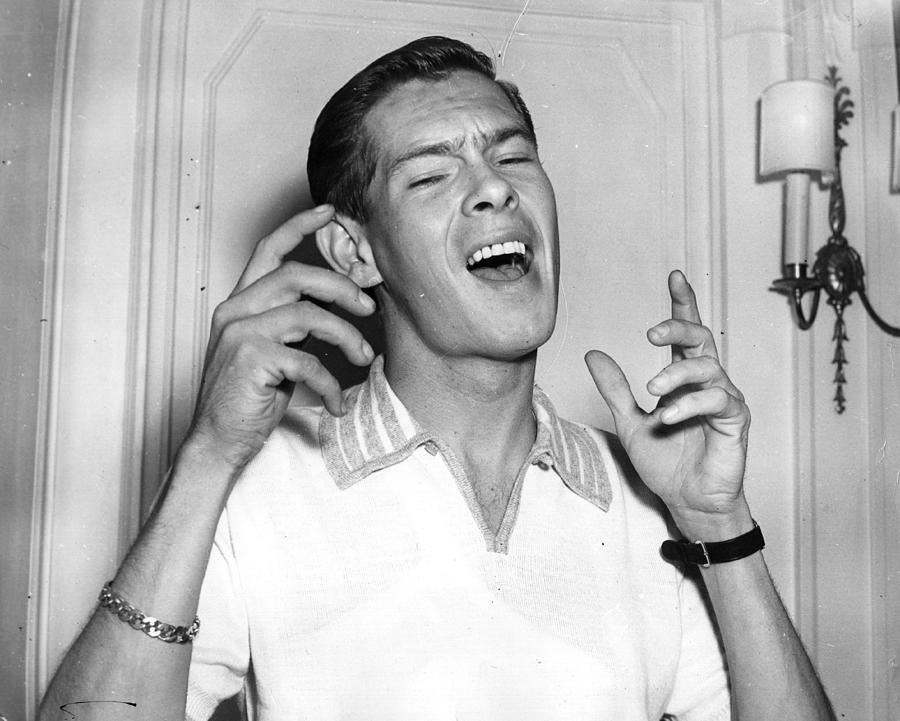
On its way down from #1, pre-rock star Johnnie Ray’s final UK chart-topper (read my original post here). Ray was one of my favourite discoveries from the early months of doing this blog, as one of the few artists before Elvis to trade on sex and charisma. ‘Yes Tonight Josephine’ is a little throwaway compared to some of his other hits, but it is catchy and perky and, most importantly, not one of the many saccharine ballads that filled the charts in the early to mid 1950s. Speaking of which…
‘We Will Make Love’, by Russ Hamilton – up 3 / 8 weeks on chart
The worst of the 1950s. Elvis was doing a public service by consigning tripe like this to the history books. The song’s title promises something raunchy, or potentially problematic (We will make love, and there’s nothing you can do about it…) But you have to remember that ‘making love’ in 1957 probably meant nothing more than what those old swimming pool ‘Dos and Don’ts’ posters referred to as ‘heavy petting’.
‘Around the World’, by Ronnie Hilton – non-mover / 8 weeks on chart
Another annoying idiosyncrasy of ’50s charts was the fact that people were rarely satisfied with one version of a popular song. On a couple of occasions we even had two versions of the same tune replacing one another at number one. And so it is in this week’s chart, not content with Bing Crosby’s ‘Around the World’, we had to have some homegrown crooning, from Hull’s very own Ronnie Hilton. For what it’s worth, I do think Hilton’s cover has a little more oomph about it, and it did chart higher than Crosby’s.
‘Little Darlin”, by The Diamonds – up 2 / 7 weeks on chart
So far so bland. But luckily for us, searching for a whiff of rock and roll, the Top 3 on this week’s chart seems to have been beamed down from a different planet to the easy listening schmaltz that we’ve just waded through. Not that ‘Little Darlin” is strictly rock ‘n’ roll, but doo-wop had the tempo and the sexiness to allow it to go toe-to-toe with rock on the jukebox. I love the castanets and the harp flourishes, two silly touches that make this record pop in comparison to Ronnie Hilton. It was written, amazingly, by a sixteen-year-old Maurice Williams, who would later go on to form the Zodiacs. Incidentally, I always assumed the Diamonds were black, but no. They were a Canadian vocal quartet, who still exist today minus any original members, and with a past members list that hits thirty.
‘Gamblin’ Man’ / ‘Puttin’ on the Style’, by Lonnie Donegan – down 1 / 6 weeks on chart
People always cite Cliff, or Marty Wilde, or even Tommy Steele, as Britain’s first homegrown rock ‘n’ roll star. But for my money, this week’s #2 record was true British rock ‘n’ roll. Skiffle pioneer Lonnie Donegan’s second #1 of the year might have fallen one place on this chart, but ‘Gamblin’ Man’ rocks harder than most chart-toppers, of any era. Listen to this next to one of the strained ballads further back in this Top 10, and it’s not hard to appreciate how seismic a change rock and roll was in 1957. And why many older people thought it was the devil incarnate.
‘Putting on the Style’ is a little more traditional, with a music-hall singalong chorus, but it’s still fairly raucous. When a young Paul McCartney, in his white sports coat, met a young John Lennon, Lonnie Donegan tunes were among the first songs they performed together. Read my original post on this #1 here.
‘All Shook Up’, by Elvis Presley – up 1 / 4 weeks on chart
And so here it is. Elvis Presley’s first week on top of the British charts. It wasn’t his first hit – ‘Heartbreak Hotel’ had made #2 a year before and his star had grown consistently from there – and ‘All Shook Up’ doesn’t have the raw power of a ‘Heartbreak Hotel’, or a ‘Hound Dog’. It’s an understated groove of a record, with a runtime of less than two minutes. But Elvis spends those two minutes purring, murmuring, growling… in short seducing the listener. The way his voice slips up an octave for the It scares-a me to death… line is great. And the little uh before the final chorus is sex itself.
‘All Shook Up’ would spend seven weeks at number one, and within eight years Elvis would score fifteen chart-toppers. The British chart’s most successful act was up and running. As was, belatedly, the rock ‘n’ roll era. In the months following this, both Buddy Holly and Jerry Lee Lewis would join Elvis in topping the charts.
(Drumroll please…) So, after fifty-three chart years, and eight and a half blog years, we arrive at the one thousandth UK number one single…
One Night / I Got Stung, by Elvis Presley (his 20th of twenty-one #1s)
1 week, from 16th – 23rd January 2005
And it’s a forty-six year old song, by a long-dead singer, setting a new record for the lowest sales of all time…
At least, that’s one way to look at it. You could also spin it as a rocking classic, by the biggest star the world has ever seen, taking advantage of a time of year when sales are traditionally at their lowest to make history. Either way, it’s clear that many interesting plot points converge here. And that’s before we get to Elvis extending his all-time record of chart-toppers to twenty, three ahead of the Beatles.
As with ‘Jailhouse Rock’, perhaps the least relevant plot point is how this record sounds, because this record wasn’t sitting at the top of the charts for musical reasons. This was bought by collectors, not by new fans discovering Elvis’s music for the first time. You do wonder how the OCC felt about this. On the one hand, it was a newsworthy story: Elvis back on top for this big anniversary, which probably garnered more attention than if it had been, say, Steve Brookstein who claimed number 1000. On the other, they may have been embarrassed that the casual chart-follower, interest piqued by this landmark moment, would find Elvis on top in 2005, and wonder how the charts could still claim to have any relevance.
For what it’s worth, I’ve always liked ‘One Night’, one of Elvis’s last rockers before joining the army. Without checking what I wrote in my original post, I like its bawdy slowness, its very bluesy riff, and the fact that Elvis is on tip-top vocal form. ‘I Got Stung’ is more throwaway, though it barrels along at a hundred miles an hour, and opens with Elvis yelping the line Holy smokes and snakes alive! Great stuff, all in all.
So, fairly or unfairly, appropriately or not, Elvis scored Britain’s 1000th number one. It’s taken me eight and a half years to get this far, and I’d like to thank each and every one of this blog’s followers, readers and commentors for making the journey a pleasure. Whether this is the first post of mine that you’re reading, or whether you’ve been around since the Tennessee Ernie Ford days, you make this worthwhile. And while I do try to keep things strictly musical, I’d like to mention how keeping this blog since 2018 has seen me through various ups and downs, in my personal life and in the world as a whole, and has genuinely helped to keep me sane. Listening to a number one single, be it good, bad, or indifferent, on a loop and trying to craft a five-hundred word post about it is as close as I can get to mindfulness.
The most recent new UK #1 (Taylor Swift’s ‘I Knew It, I Knew You’) was the 1456th chart-topper, and if I keep my current pace up I should reach that song in late 2030. I hope you’ll all still be around then, if only because I have strong feelings about Tay Tay that the world definitely needs to hear…
From one of the most forgotten male chart-toppers in Steve Brookstein, to the ultimate male chart-topper… Elvis Aaron Presley.
Jailhouse Rock, by Elvis Presley (his 19th of twenty-one #1s)
1 week, from 9th – 16th January 2005
For what would have been Elvis’s seventieth birthday, on January 8th 2005, an ambitious (and money-spinning) project was announced by the holders of his back-catalogue, BMG Records. They would re-release each of the King’s eighteen UK number ones, week by week, for what would ultimately set collectors back around eighty quid. ‘All Shook Up’, his first chart-topper in 1957, came first, but was chart ineligible due to costing a tenner and coming with a commemorative, limited edition box in which to store all the other singles.
So it fell to ‘Jailhouse Rock’, Elvis’s second number one back in January 1958 (the first single to ever enter the UK charts at #1) to chart first… with the lowest sales ever recorded for a number one single to date: 21,262 copies.
Needless to say, this record was lucky to make number one. And lucky with the fortuitous fact that Elvis’s birthday fell in January, when sales are historically at their lowest anyway. Yet, can you imagine any other artist managing this? Re-releasing eighteen ancient singles and having them all chart in the Top 5, three of them returning to number one? After dominating the charts like nobody ever has, before or after, in the late fifties and early sixties; The King was back to dominate them again.
What of the actual music? Well, of course, ‘Jailhouse Rock’ is a classic. But there seems to be no point analysing it musically in the context of 2005. It was a forty-five year old rock and roll record re-emerging in an age of reality TV pop, tacky dance, and US hip-hop&B. I’ll refer you instead to my original post. I’m sure I was complimentary, but can’t really remember as I wrote it in 2018 (!) How time flies…
Next up, I’m going to bring the usual recap forward by one. And after that’s done, we can properly start the 1000 Number Ones festivities. Watch this space!
No song conjures up the year 2002 more than this tune, that year’s song of the summer.
A Little Less Conversation, by Elvis (his 18th of twenty-one #1s) Vs. JXL
4 weeks, from 16th June – 14th July 2002
It sounds curious, and potentially disastrous: a little known Dutch DJ remixing a little known Elvis track from one of his long-forgotten late sixties movies. But, through some strange alchemy, the original’s brassy swagger mixes nicely with JXL’s big, accessible beats, and creates a great pop song.
What remains is Elvis-enough for people who were around when he was alive, and modern enough for those who weren’t. It helps that few people probably knew the original, but also that it was recorded in 1968, around the time of the comeback special, when what is now Elvis’s most familiar pop culture persona was born. Elvis sounds like Elvis, deep voiced and lip curled, and the added echo makes it sound like he’s coming live from the other side. All that’s missing is a thank you very much to finish.
JXL (officially Junkie XL, though that was presumably shortened to keep things family-friendly) was Tom Holkenberg, a DJ active since the late-eighties. He had worked as a producer with several punk and metal bands, as well as becoming big on the rave scene and touring with the Prodigy. None of which sounds like the guy who came up with this super-mild, catchy, chart-friendly hit. As much as I like the record, I’d sooner call it cheesy than cool, and do wonder if Norman Cook considered lining up any plagiarism suits against all the Fatboy Slim style drum-breaks and goofy fills.
The original ‘A Little Less Conversation’ had featured on the ‘Ocean’s Eleven’ soundtrack in 2001, presumably bringing it to the attention of Nike. They then commissioned JXL to remix the song for an advert to tie in with the 2002 World Cup, in which the world’s best footballers competed in a first-goal-wins tournament in a cage. Maybe I’m of the perfect age to get swept up in the nostalgia of it, but watching that advert again, much like hearing this song, feels so ‘2002’ that it hurts.
The single followed a few months after the advert, and was sitting at #1 as Brazil won a record fifth world title. Equally record-breaking was the fact that, after a twenty-five year tie, Elvis moved ahead of the Beatles and onto eighteen UK #1 singles. It kicked off a bit of a renaissance for the King, and a collection of his number one hits (including this remix) became a huge seller that autumn. I’d credit this single, and the album, for getting me into Elvis, and enjoying his music to this day. In 2003 another Elvis remix, this time of ‘Rubberneckin’’ by Paul Oakenfold, made #5.
JXL meanwhile, while not quite a one-hit wonder, never made it higher than #56 without Elvis’s help. Still, he was the first person to be allowed by Elvis’s estate to remix one of his songs, which is an honour of sorts. And he is responsible for introducing many youngsters (me included) to The King, and to one of the greatest ever rhyming couplets in chart-topping history. A little less conversation, A little more action please, All this aggravation ain’t satisfactioning me… Thank you very much, indeed.
Welcome one and all to our fourth ‘On This Day’ feature, in which we take a look back at chart-topping history through the records which have made #1. (Please feel free to check out the previous dates that we have covered here, here, and here.)
What, then, were the stories atop the UK singles chart on August 28th through the years…?
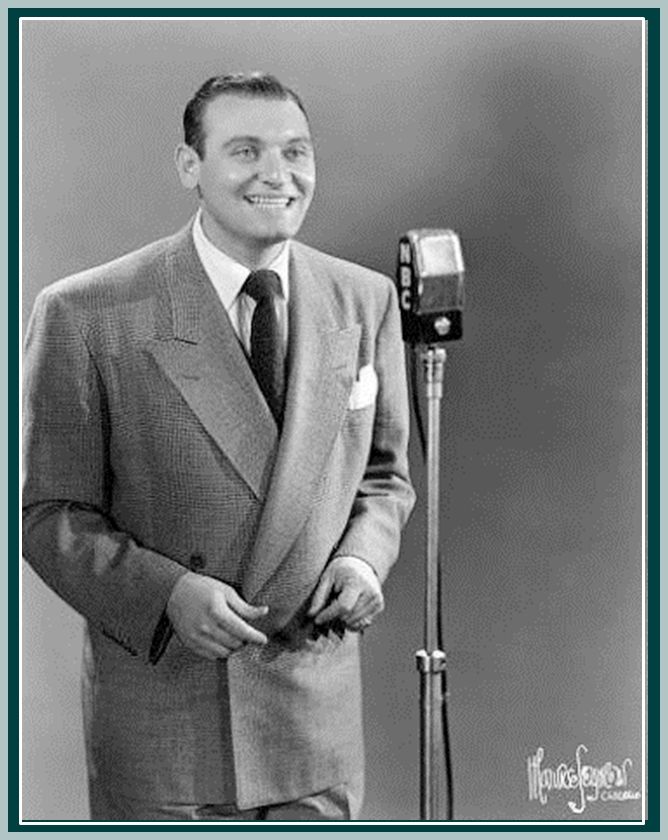
Well, way back in 1953 Frankie Laine’s ‘I Believe’was starting its seventeenth of eighteen weeks at number one. That’s a lot of weeks. Amazingly, no other record in the intervening seventy-two years has managed to equal it. The record set by just the 9th number one single – the charts having begun less than a year earlier – still stands! Interestingly, two of the records that came closest – ‘(Everything I Do) I Do It for You’ (16 weeks, and the record holder for consecutive weeks) and ‘Love Is All Around’ (15 weeks) – were also both at number one on this date. The only other 15-weeker, Drake’s ‘One Dance’, was sadly not at #1 on the 28th August. ‘I Believe’ returned to #1 in the nineties ‘thanks’ to Robson & Jerome, but I won’t bother linking to that.
Eleven years later, and sitting at #1 was the Honeycomb’s stomping ‘Have I the Right?’ It was the third and final chart-topper produced by the visionary Joe Meek. Of the three, this is probably the most traditionally ‘pop’ sounding, though it is still crammed with wacky techniques – such as having the band stomping on the staircase outside his studio – and instruments, such as the slicing synths. It hit the charts in that glorious autumn of ’64, one of the most fertile times for British pop with ‘A Hard Day’s Night’, ‘Do Wah Diddy Diddy’, ‘You Really Got Me’, ‘I’m Into Something Good’, and this, taking turns on top.
28th August is also the birthday of The Honeycombs’ female drummer, Honey Lantree. One of few women to take up the sticks – I can only think of Karen Carpenter and Meg White – she had been discovered while working as a hairdresser. Her salon manager was in a band, let her try out, and was so impressed that he incorporated Lantree and her brother into his group. She retired from music when the Honeycombs split in 1967 following Meek’s death, but she rejoined them every so often for tours right up until 2005.
August 28th has seen not one, but two versions of ‘I Got You Babe’ sitting at number one in the singles chart. The original was, of course, by Sonny and Cher in 1965…
It was their only #1 as a duo, and Cher’s first of four, spanning thirty-three years. Exactly twenty years later, and a cover by UB40 and Chrissie Hynde was spending its solitary week on top. I gave this record a ‘Meh’ award, and my opinions on it haven’t changed much. It’s still a bit of a slog…
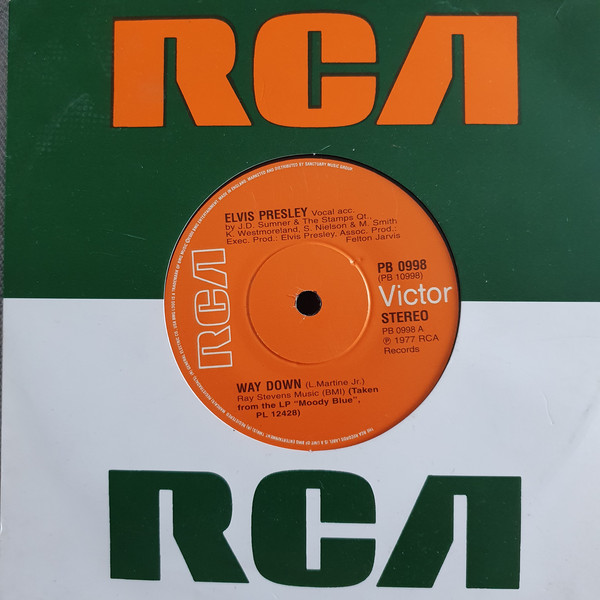
On this day in 1977, and the world still coming to terms with his death aged just forty-two, Elvis Presley’s current single climbed to #1, the first of his record five posthumous chart-toppers. ‘Way Down’ had spent its first two weeks on chart climbing from #46 to #42, so its safe to assume that it wouldn’t have been a massive hit without tragedy striking. However, it would also be wrong to suggest that The King was a spent force at this point in his career, as his previous single ‘Moody Blue’ had made it to #6. In my original post on it, I rejoiced in the fact that fate ensured Elvis’s final single was a rocker, given that he’d spent much of the ’70s releasing schmaltzy ballads. Lyrically, it’s also fitting for the recently deceased star, given that it’s called ‘Way Down’, and compares a woman’s love to prescription drugs… However, fun as the song is, and as lively as Elvis’s perfomance is, the show is stolen by JD Sumner’s astonishingly low closing note.
Finally, on this day in 1993, Culture Beat’s ‘Mr. Vain’ was enjoying its first of four weeks at #1. I bring this to your attention not just because it’s a banger – and it is – but because it was the first chart-topper in forty years not to be released as a 7″ single. Vinyl was on its way out after a century as the medium of choice, to be replaced in the space of twenty years by CDs, then digital downloads, then streaming…
Thanks for joining this delve back through the decades. Next up, we continue our journey through 2001 with a similarly retro reboot…
A Happy Easter to all who celebrate it. I’m launching a new feature this Easter Sunday, something to enjoy while rendered immobile by one too many chocolate eggs… ‘Today’s Top 10’! My blog focuses very intently on every song that’s made #1 in the UK, and I often try to draw conclusions on how popular music has been shaped, and has shifted, over the years based on one tune alone. Which is actually quite limiting, because the singles charts have always been about more than just the number one. Over the 70-plus years of the singles chart, we’ve had a weekly Top 12, a Top 30, a Top 40, a Top 75, and now a Top 100.
So I want to, every so often, single out a random Top 10 from history, to look at in more detail. My version of ‘Pick of the Pops’, if you will. Cue the music….! Completely at random, using an online date generator, the first to come out the hat was 1970: the singles chart as it stood fifty-four years ago today. It features, inevitably, a #1 we’ve met before (plus one former #1), as well as songs by some of the biggest acts of all time. So let’s crack on…
#10 – ‘Don’t Cry Daddy’, by Elvis Presley (down 1 / 6 weeks on chart)
The early-seventies was a sort of musical wilderness: after the post-sixties comedown, a year or so out from the glam rock takeover of 1972-73. Speaking of musical wildernesses, here’s Elvis with a maudlin ballad about a break-up (or is it a mother’s death?) written from the POV of the couple’s daughter. Elvis croons the life out of it, and that voice could sell anything, but even he struggles to imbue lines like Daddy you’ve still got me and little Tommy, Together we’ll find a brand new mommy… with any sort of gravitas. He was still capable of greatness in the early seventies – in a few months he’d be back on top with one of his biggest hits, ‘The Wonder of You’ – but this is pretty saccharine.
#9 – ‘Everybody Get Together’, by The Dave Clark Five (down 1 / 5 weeks on chart)
The DC5 had scored their one and only #1, the stomping ‘Glad All Over’, more than six years earlier. So it is impressive that they were still hanging around the Top 10, when so many of their ’60s contemporaries had already faded away. This is a call-to-arms, a song with a message: Everybody get together, Try to love one another right now… Originally written as a folk song, and a hit in 1967 for the Youngbloods at the height of flower-power, The Dave Clark Five clearly felt that the sentiment was worth one more go. But there’s a droning, heavy feel to this version that feels weary, as if they’ve given up on the message even before the end of the song. It’s appropriately downbeat, perhaps, for the end of the sixties and the start of an uncertain new decade. Fitting too, as this was the Five’s final Top 10 hit. They would disband by the end of the year.
#8 – ‘Something’s Burning’, by Kenny Rogers & The First Edition (up 3 / 9 weeks on chart)
New to this week’s Top 10, and maintaining our run of hits by artists that we’ve already met in the #1 position, it’s Kenny Rogers and The First Edition with a sexy, sexy song. The verses are soft and slinky, lines like You lie in gentle sleep beside me, I hear your warm and rhythmic breathing… but it builds to a heated crescendo in the chorus. Kenny growls Here it comes, Can’t you feel it baby… and we know he’s not talking about the No. 42 bus. Lord have mercy…! It’s a world away from his much more gentle, much more ‘country’, solo hits like ‘Lucille’.
#7 – ‘Let It Be’, by The Beatles (down 3 / 4 weeks on chart)
Some of you may have heard this one before… The last single released before Paul McCartney’s departure heralded the end of history’s greatest group. There’s nothing new I can say about the record as a whole, so I’ll single out my two personal favourite moments. George Harrison’s snarling solo (especially on the album version) and the way Paul’s scouse accent sneaks through in the word ‘trouble’. Perhaps I’m just used to the streaming age, where songs hang around the charts for……ever, but for a song as legendary as ‘Let it Be’ not to make #1, and then be slipping down to #7 after just four weeks, seems surprising.
#6 – ‘That Same Old Feeling’, by Pickettywitch (down 1 / 6 weeks on chart)
I can’t say I’ve ever heard this one, though it had been as high as #5. It’s a nice enough, Motown-leaning tune done in a late-sixties, bubblegum style. Pickettywitch – I can’t decide if that’s a great or a terrible name – are another sign that though we may be in March of 1970, we’re still in the sixties going by much of this Top 10. Lead singer Polly Brown has a decent voice, reminding me of Diana Ross.
#5 – ‘Young, Gifted and Black’, by Bob & Marcia (up 1 / 4 weeks on chart)
I’ve made many a reference to the fact that reggae is the most indestructible of genres on the UK singles chart. Never the defining sound of an age, but always popping up when you least expect it. In 1970, it really was a new sound, Desmond Dekker having scored the first ‘official’ reggae #1 (if you ignore The Equals, and ‘Ob La Di…’) the year before. This is reggae + , with lots of strings, and rocking drums, but I’d say it still counts. More significant, though, are the lyrics: In the whole world I know, There’s a million boys and girls, That are young, gifted and black… And that’s a fact! Written and originally recorded by Nina Simone a few months earlier, right at the end of the decade that had brought the Civil Rights Movement to a head, for this to make the Top 10 in the UK feels very significant, and the second song in this rundown that could be described as a ‘rallying cry’.
#4 – ‘Wand’rin’ Star’, by Lee Marvin (down 2 / 9 weeks on chart)
A former number one – which I go into much more detail on here – that had kept ‘Let It Be’ from top spot a few weeks before. It was taken from the movie version of ‘Paint Your Wagon’, which was a box office flop. A bizarre #1 at the start of a decade full of bizarre #1s, Lee Marvin officially has the lowest voice ever heard on a chart-topping single (*disclaimer – may not be true*), and uses it brilliantly on this anti-social anthem: I never seen a sight that didn’t look better lookin’ back…
#3 – ‘Can’t Help Falling in Love’, by Andy Williams (non-mover / 4 weeks on chart)
Elvis makes a second appearance in the Top 10, in spirit at least, with Andy Williams’ belting cover of the King’s 1962 #1, ‘Can’t Help Falling in Love’. If it was impressive that the DC5 were still having hits in 1970, then we should also give a nod to the fact that Williams debuted with ‘Butterfly’ – his sole chart-topper – in 1957. But then again, crooners like Williams are timeless, much less prey to shifting trends than pop groups. The video above, which I think comes from later in the decade, is a spectacular glimpse into ’70s variety shows: the multi-coloured steps, the giant ‘ANDY’, the cardigan…
#2 – ‘Knock, Knock Who’s There?’, by Mary Hopkin (up 5 / 2 weeks on chart)
Venture deep enough into a springtime chart, and there’s a good chance you’ll meet a Eurovision Song Contest entry. ‘Knock, Knock Who’s There?’ was the UK’s 1970 offering, finishing second on the night to Ireland’s Dana. This is very schmaltzy, very middle of the road – not a patch on Hopkin’s huge breakthrough #1 ‘Those Were the Days’ – but it’s a darn sight better than the horrible ‘All Kinds of Everything’. This was a big departure from Hopkin’s usual, folky offerings, and she wasn’t a fan: “I was so embarrassed about it. Standing on stage singing a song you hate is just awful.” Hate it though she might have, it brought about her final Top 10 hit.
#1 – ‘Bridge Over Troubled Water’, Simon & Garfunkel – (non-mover / 7 weeks on chart)
In the middle of a three-week run at the top, ‘Bridge Over Troubled Water’ was just the 3rd number one of the 1970s, but is probably one of the decade’s biggest and best-loved songs. Simon wrote it, while Garfunkel gave one of the great vocal performances (something that apparently irks Paul to this day…) You can read my original post here.
In a way, ‘Bridge Over Troubled Water’ is the perfect number one for this chart. March 1970 wasn’t the sixties, but it’s wasn’t the seventies as we remember it either. ‘Bridge…’ is timeless, not beholden to many of the styles of the time, and could have been a #1 at most points in chart history. Elsewhere in the Top 10, we tick a few common chart boxes: soundtrack hits, Eurovision, Elvis, The Beatles… Maybe the two most relevant songs, though, are ‘Everybody Get Together’, and ‘Young, Gifted and Black’, which represent the social and civil rights movements that had defined the latter part of the 1960s. The hippy dream may have died, Dr King may have been killed, but hope springs eternal…
That was fun, and hopefully worthwhile. I’ll do another one sometime, as a break from our normal proceedings. Next up it’s back to 1996…
More reggae at the top of the charts, after Shaggy and Ace of Base over recent weeks. And it’s Britain’s best-sellers in the genre who are bringing it there…
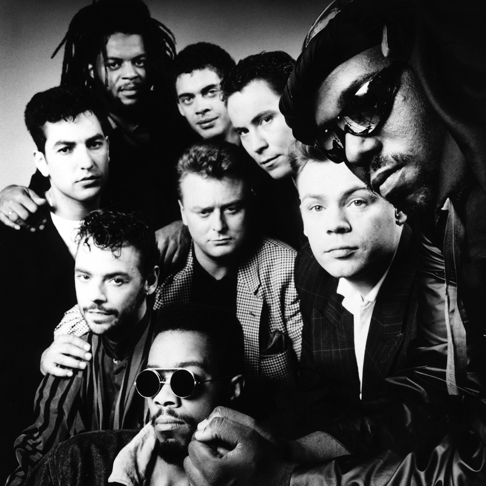
(I Can’t Help) Falling in Love With You, by UB40 (their 3rd and final #1)
2 weeks, from 6th – 20th June 1993
As with their last #1, a cover of ‘I Got You Babe’ with Chrissie Hynde, this is a dub take on a golden oldie (though note the slight title change from the Elvis original, a chart-topper in 1962). And I can see what they were going for – a softened version of their reggae sound, with clear nineties dance influences in the swaying beat – but I can’t take to it. ‘Plodding’ and ‘slow’ were the two notes I took on first listen. I also gave their version of ‘I Got You Babe’ a ‘Meh’ award, so I’ve got form.
Ali Campbell’s voice is an acquired taste most of the time, and especially so here. I don’t know if he’s trying to imbue his lines with emotion, but it mainly sounds as if he’s straining to get them out. Obviously it doesn’t help that the listener automatically compares his efforts to Elvis’s from thirty years earlier… And yet, the quality of the song shines through – there’s a reason why it’s become a standard – and I do like the addition of the short, sharp horn fills towards the end.
Like ‘Oh Carolina’ before it, ‘(I Can’t Help) Falling in Love With You’ featured on the soundtrack to the Sharon Stone movie ‘Sliver’. There are very few film soundtracks to have included multiple #1s, and it’s amazing that a movie as poorly regarded and forgotten as this ‘Sliver’ managed it. Still it gave UB40 their 3rd and final chart-topper, and became their biggest hit in the US, staying at #1 for seven weeks.
And we should note the impressive longevity of the band, given that those three number ones were spread out over a decade (while the Campbell brothers have one more shot at top spot, in a featuring role, to come). But I think it’s fair to say, and this is coming from someone who wouldn’t count himself as a fan, that UB40 are not best represented by their three #1s. Two of them are fairly pedestrian covers, while ‘Red Red Wine’ – which was also a cover, of course – has bit more charm to it, though still plays it fairly safe.
They had a few more years of chart hits in them, including two further Top 10s, but its perhaps right to mark this as UB40’s swansong. They remain a going concern, with four of the original eight members still in the band. Ali Campbell, however, left in 2008, after disagreements with the band’s management.
The Christmas #1 record for 1987 wasn’t a novelty, a charity record, or a song about snow and sleighbells. (Thank God.) It was simply the biggest pop act in the country, the freshly-crowned winners of my most recent ‘Very Best Chart Topper’, at the height of their powers, covering a classic.
Always on My Mind, by Pet Shop Boys (their 3rd of four #1s)
4 weeks, from 13th December 1987 – 10th January 1988
Not just ‘covering’ a classic. More grabbing a classic by the scruff of the neck, dressing it up in glitter and lycra, and shoving it onto the dancefloor. Cover versions work best when they take a song away from its usual environs, and this take on what was originally a hit for Elvis Presley certainly does that. From soaring balladry, to pounding Hi-NRG disco…
Great cover versions are also almost always of great originals. The shift in tones, in styles and in genres brings out different shades of meaning, different ways of appreciating the song, but at heart they remain very good in whatever dressing a band hangs on them. Elvis’s version is slick seventies bombast, made for belting out at his Vegas residencies; and the Pet Shop Boys’ take keeps the song’s humungous presence, swapping lush orchestration for thumping synths, while Neil Tennant’s detached performance of the heartfelt vocals adds an almost comic element.
Do they also change the words? The Elvis version is quite clearly: Maybe I didn’t love you, Quite as often as I could have… Whereas PSBs seem to be singing Quite as often, As I couldn’t… I just be mishearing it, but if they are changed they add a different meaning to the song, and it’s not quite as apologetic.
‘Always on My Mind’ has also been covered by Willie Nelson, as a country ballad, having first been recorded by Brenda Lee in 1972. Elvis’s version, though, was the first to become a hit and so feels like the original. Pet Shop Boys first performed their take for an ITV special on the tenth anniversary of Presley’s death, and it was so well received that they released it as a single a few months later. And as Pet Shop Boys singles go, it’s pretty straightforward. There’s nothing particularly clever, or knowing: it’s just an all-out dancefloor banger – one of those songs that pretty much commands you to get up and start making shapes.
What is the name of that pre-set, synthesised chord – the one that sounds like a dog barking, but compressed? It’s a sound that’s synonymous with the late-eighties and early-nineties, to me, and the Boys use it liberally here. It works, but also completely dates the song. Never mind, though. It was the perfect Christmas hit: both a fun pop tune from two huge chart stars, and a song that mums and grans up and down the land knew too. A smash for all the family! And that’s that as far as 1987’s concerned. Never fear, though. The pop classics keep on coming. Stay tuned…
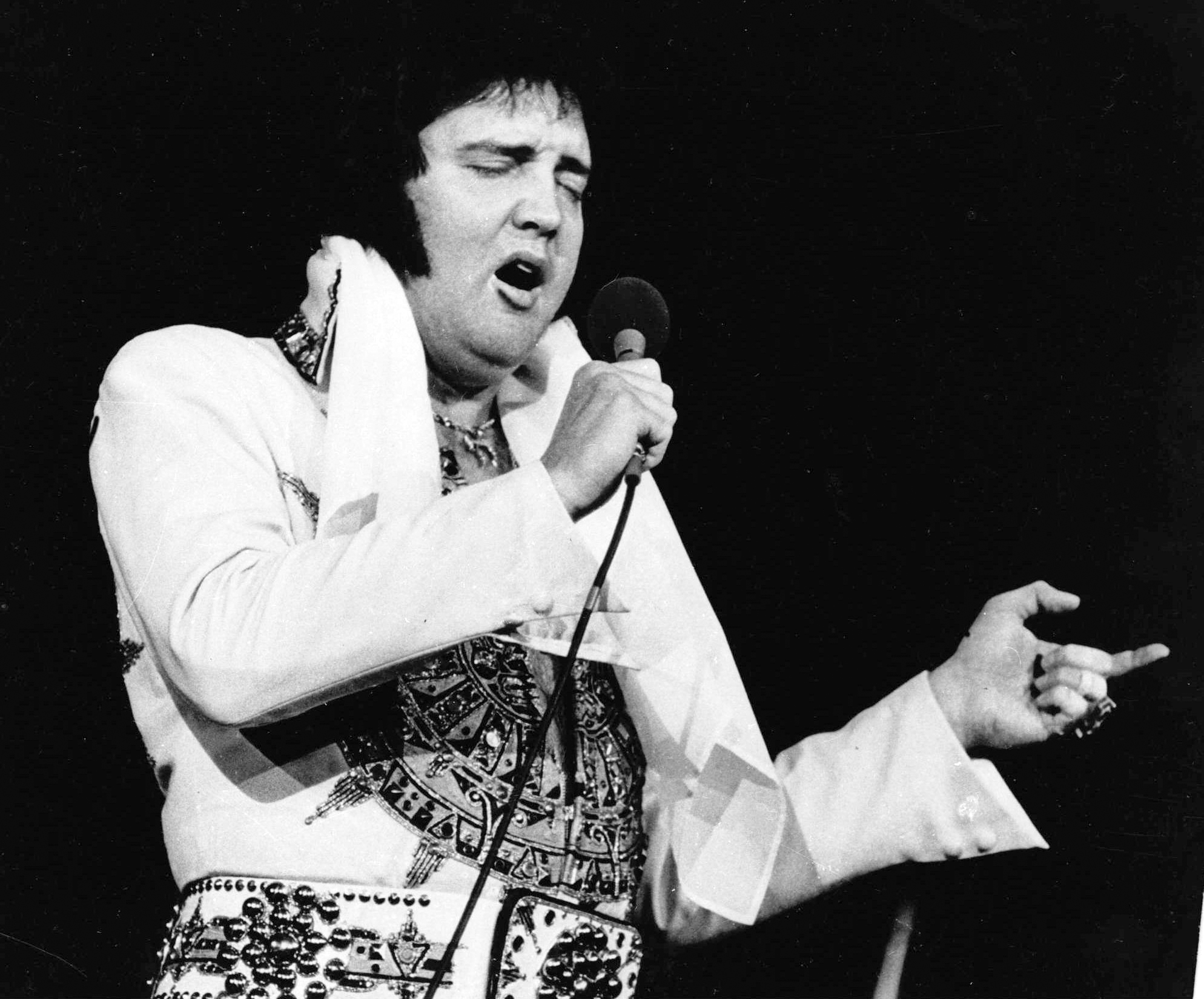
Do you remember the early 1960s? (Not literally – I mean in terms of this blog.) Back when every third #1 was by Elvis? Those three years in which he dominated the top spot like no one before or since, not even The Beatles? Amazingly, given the heights of his heyday, this is only his second chart-topper in twelve years. ‘The Wonder of You’ came just after his leather-clad comeback, and marked the start of the Vegas years. Since then he’s descended into a jump-suited parody of himself, mumbling his way through residencies with sweat-soaked towels round his ever-widening neck. From Sun Records, to Elvis the Pelvis, to the army, the movies and the rhinestones, there was still time for one more reinvention. Enter: Dead Elvis.
Way Down, by Elvis Presley (his 17th of twenty-one #1s)
5 weeks, from 28th August – 2nd October 1977
I don’t include the picture above to shock or to mock; more to mourn what he had become. What his management and enablers had allowed him to do to himself. I’ve loved Elvis’s music since I was young, and can find something to enjoy from every stage of his career. And I’m glad he bowed out with a rocker. ‘Way Down’ is pure cabaret razzamatazz, with the jazzy drums and the piano flourishes; but there’s rock ‘n’ roll in there. There’s a hint of disco too, believe it or not, in the churning, didgeridoo-like rhythm.
Ooh, And I can feel it, Feel it, Feel it, FEEL IT! You wonder if Elvis was capable of feeling very much at this point, and he does sound pretty bored (or pretty well sedated) during the verses. But he goes for it in the chorus. Way down where it feels so good, Way down where I hoped it would, Way down where I never could… On the one hand they sound like standard, throwaway, mildly risqué rock ‘n’ roll lyrics. But for a man in Elvis’s condition maybe he knew what he was talking about: he was having to dig very deep to feel anything. Meanwhile the line: The medicine within me, A doctor couldn’t prescribe… sounds like a very knowing reference.
I’ve always liked this one, long before I knew it was his swansong. It’s kid-friendly rock – almost a pantomime of the real thing. Would it have been a #1 smash if Elvis hadn’t died? No way. It was languishing at #42 in the week of his death, before rocketing up the charts when the news broke. Nowadays, people download or stream deceased artists’ biggest hits on hearing of their deaths. Back in 1977, those who wanted to mark The King’s passing had one choice: to go ‘Way Down’.
Sadly, Elvis isn’t actually the true star of his final antemortem release. Step forward J.D. Sumner, who ends the record with perhaps the lowest note ever sung on a chart-topping single. Way… On… Doowwwn… I did wonder if he was the same baritone as featured way back on ‘A Fool Such As I’, but sadly he wasn’t.
While this record did perhaps only hit #1 thanks to Elvis’s death, that shouldn’t suggest he had been absent from the charts. Since his last #1in 1970, Presley had scored fifteen Top 10 hits with a mix of new songs and re-releases. ‘Moody Blue’, the single before this, had reached #6. Perhaps ‘Way Down’ would have done something similar, then, if it hadn’t been for that fateful trip to the bathroom.
And this isn’t the end of the road for Elvis and the number one spot. Far from it. At the time, it gave him his seventeenth chart-topper, tying him with The Beatles. They will stay neck and neck for a good twenty-five years, until an Elvis resurgence in the ‘00s (he has twice as many #1s in that decade as he does in the ‘70s…) But still. We should still mark this occasion. One of, if not the, biggest pop star ever has left the building. Go on, order yourself a Fools’ Gold Loaf (flown in on your own private jet, naturally) and play the King of Rock ‘n’ Roll’s final hit, one last time…
Enjoy every #1 so far, including all 17 of Elvis’s: