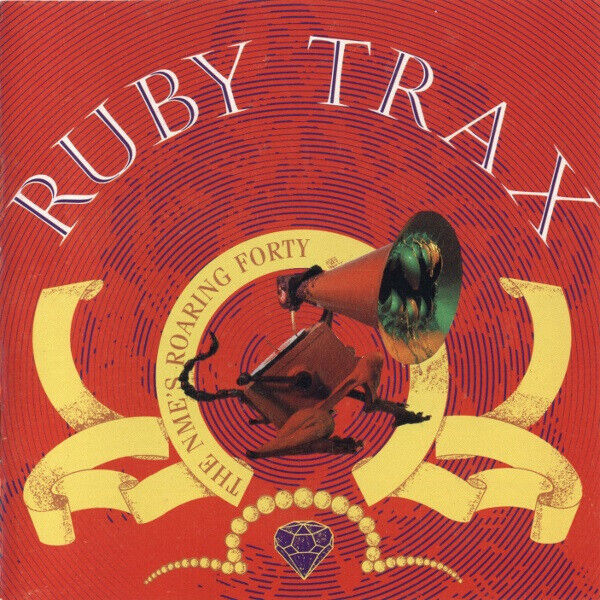
As in my two previous Cover Versions of #1s posts, I’m returning to Ruby Trax, a compilation released in 1992 to celebrate the 40th anniversaries of both the NME and the UK singles chart.
It’s a veritable gold mine of weird and wonderful covers of chart-topping hits by the big (and not so big) acts of the day. While this is the last time I’m going to feature these Trax, for a while at least, the album is definitely worth checking out if you enjoyed the covers by Bob Geldof and Sinead O’Connor, or Suede and Manic Street Preachers.
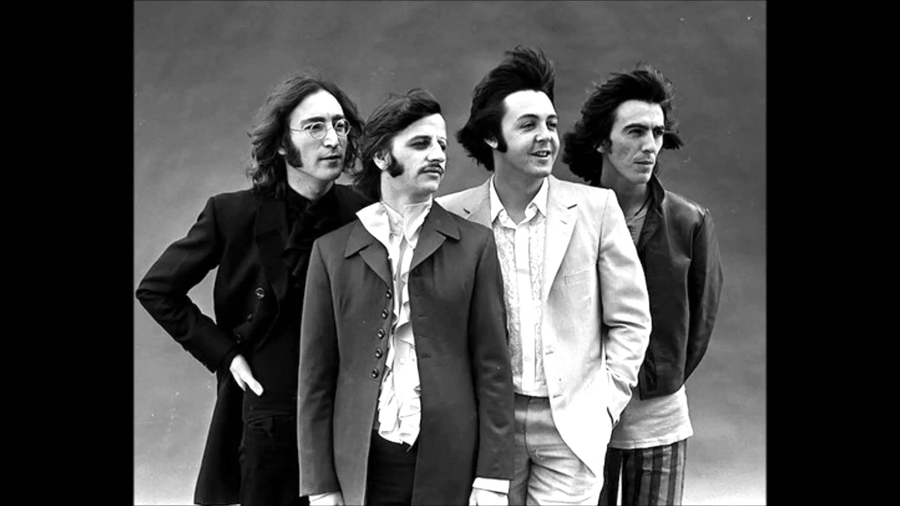
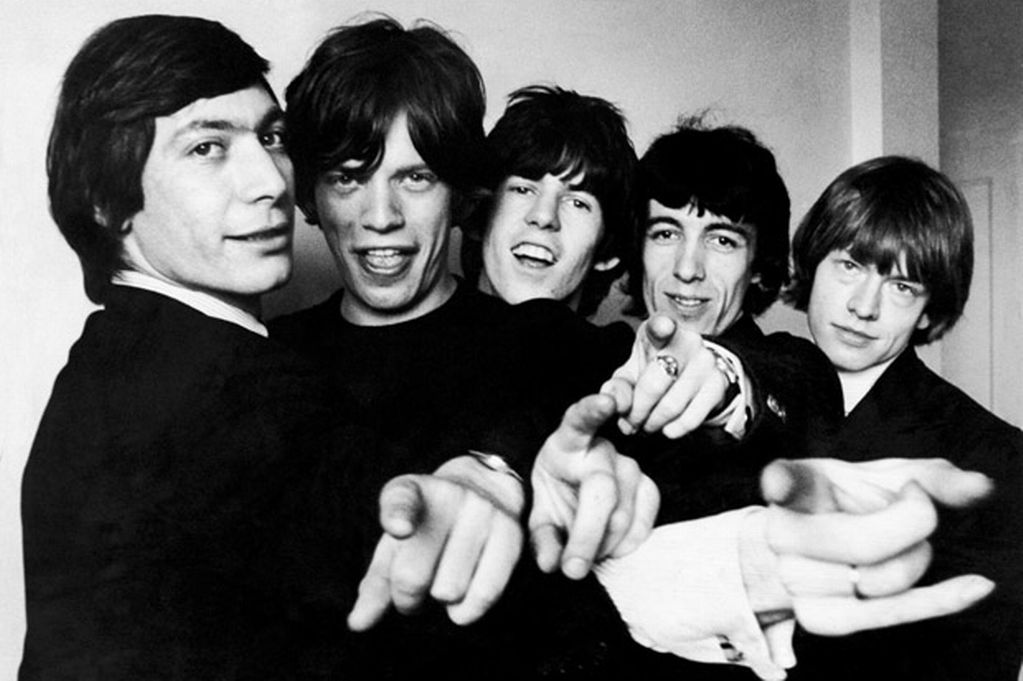
And of course, for a compilation of tracks celebrating number one singles, there had to be room for some interesting interpretations of Britain’s two greatest groups, the Beatles and the Stones. Some might say they are sacrosanct, I say have at them!
Probably sensibly, both covers are of the legendary acts’ less famous number ones. And it’s quite fun to hear ‘Lady Madonna’, famously Paul McCartney’s boogie-woogie tribute to Fats Domino, reimagined for guitars. Or maybe its because my favourite bit of the original is when George Harrison’s snarling guitar comes in for the second verse. At the same time, despite the switch in lead instrument, this is a fairly faithful cover.
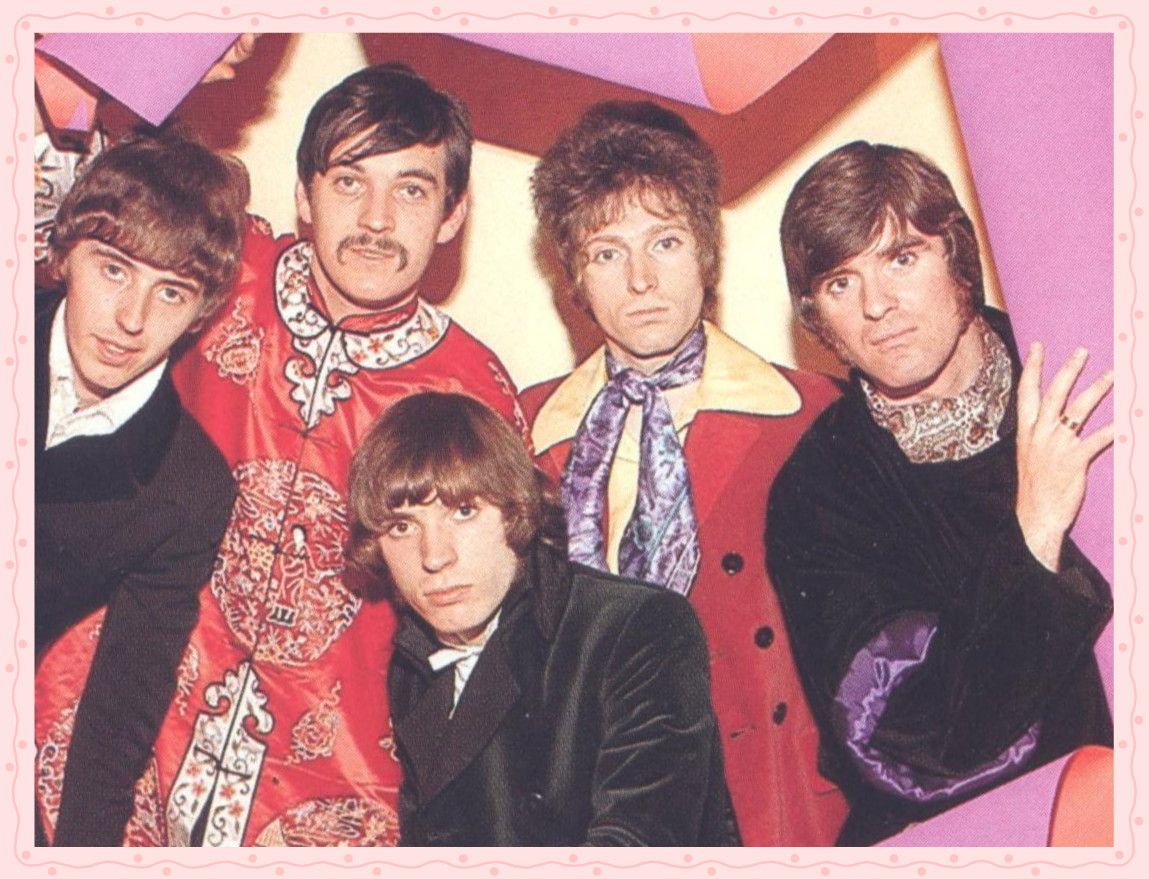
I had never heard of Kingmaker before writing this post, and going by the limited number of views the above video has had on YouTube I think they’ve very much been consigned to the pre-Britpop dustbin. It seems they were nearly the next big thing back in the 1992-93, with a couple of #15 hits and tours with Radiohead and Suede as their support acts, before a falling out with their record label.
A much bigger name are ’80s shoegaze icons, and East Kilbride’s finest, The Jesus and Mary Chain. Their scuzzy, distorted, feedback drenched take on ‘Little Red Rooster’, the Stones’ 2nd #1 back in 1964, is a much more impressive proposition. The song dates back to the early sixties, written by Willie Dixon and made famous by Howlin’ Wolf, and despite all the noise-pop dressing the JAMC sensibly keep that driving blues riff as the song’s focal point.
‘Little Red Rooster’ may or may not be a phallic metaphor (the Stones’ version wasn’t released as a single in the US allegedly because of this), but the Jesus and Mary Chain replace bawdiness with menace. You would not be messing with this particular little red rooster on the prowl, who isn’t so much horny as he is looking for a fight.
If you are interested in hearing more of this album, it can be a bit tricky to Trax down, with many of the forty songs not available on Spotify or YouTube, at least not in great quality uploads. But if the idea of EMF covering ‘Shaddap You Face’, or Boy George doing ‘My Sweet Lord’, Vic Reeves doing ‘Vienna’ (they bent the rules to include that one…) or Billy Bragg covering The Three Degrees appeals to you, or at least sounds morbidly fascinating, then do have a browse. The full forty-track listing is here, on the LP’s Wikipedia page.
The two earlier ‘Today’s Top 10’s I’ve done were pretty succesful. Thanks to all who had a look, liked and commented. I was wondering what to do with the feature going forward, and I think I’ll use it to take a deeper look at interesting periods in chart history. What can the Top 10 tell us about where pop music was at a particular time and place?
So, we’ve done the death of the ’60s, and we’ve done the Summer of Love. Now we turn to perhaps one of the most exciting times in modern popular music: late-1963. The moment when the sixties finally started to swing. Thanks, mainly, to the Beatles. But not, as this chart will hopefully prove, solely because of them. For those interested in significant world events, this was also the Top 10 on the week that JFK was assassinated.
10. Let It Rock / Memphis, Tennessee, by Chuck Berry – down 4 (7 weeks on chart)
But what’s this…? Two rock ‘n’ roll tunes first released in 1959. How the charts like to mess with us… The reason is tied to the times, though. The Godfathers of rock, Buddy Holly, Jerry Lee Lewis, and Chuck Berry, had inspired the new Beat groups that we’ll be meeting further up this chart. The Beatles early albums were full of Berry songs, while the Stones’ first hit had been a cover of ‘Come On’ earlier in 1963. Pye Records saw an opportunity, and released some of these influential tunes for the first time in the UK. Amazingly, this was Berry’s first ever visit to the UK Top 10. A runaway train might not be the most obvious topic for a rock ‘n’ roll tune, but this wasn’t Berry’s first time singing about a railroad. And the way he makes his guitar sound like a train horn is iconic.
It was paired with the more laidback ‘Memphis, Tennessee’, which had also been a hit in a version by Dave Berry & the Cruisers around the same time. It pulls the same trick as such classics as Gilbert O’ Sullivan’s ‘Clair’, and Brotherhood of Man’s ‘Save Your Kisses for Me’, by tricking the listener into thinking that the singer is singing about a girlfriend, when he is actually singing about a small child. Berry, though, consumate storyteller that he was, manages to do it in a far less creepy manner, making the song more about the messy break-up, and the father’s regret, than about dodgy double entendres.
9. I’ll Keep You Satisfied, by Billy J. Kramer & The Dakotas – up 2 (3 weeks on chart)
This one’s much more 1963. One of the big beat combos that had broken through earlier in the year (with another three to come higher up), and who had been at #1 just a few weeks earlier with the Lennon-McCartney tune ‘Bad to Me’. ‘I’ll Keep You Satisfied’ is another L&M composition and, while it would peak decently at #4, it isn’t quite as good. Still, it’s better than the Dakota’s next hit, the dubious ‘Little Children’. Watching the video above, the music may be (slightly) rocking, but Billy J. is giving good crooner energy. Nothing to worry grandma… yet.
8. I (Who Have Nothing), by Shirley Bassey – up 1 (9 weeks on chart)
A constant presence on the charts of the ’50s and ’60s: a bit of Bassey. This is three minutes of pure melodrama, as Shirley watches an old-flame woo his new girl. ‘I (Who Have Nothing)’ was adapted from an Italian hit, which was something of a theme in the early sixties. It’s a classic of its genre: an intro of swirling strings, quiet bits, and bits where she lets loose, belting out high notes like nobody else can. I always find Shirley Bassey somewhat lacking in subtlety, but then again – if you’ve got it flaunt it. If I could sing like her then I’d be belting out my Starbucks orders.
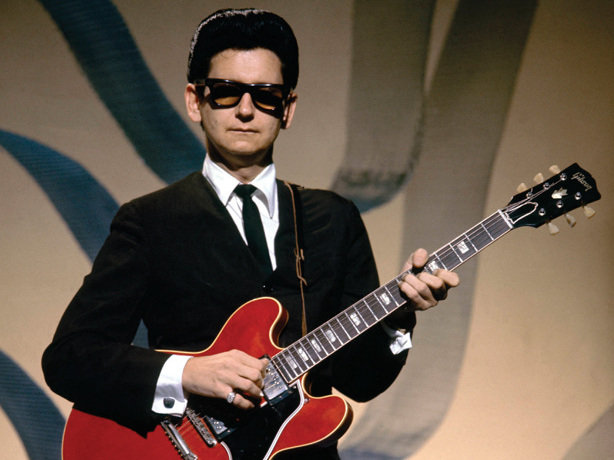
7. Blue Bayou / Mean Woman Blues, by Roy Orbison – down 3 (10 weeks on chart)
Another double-‘A’ side from an American rocker, who had been around since the ’50s. Unlike the Chuck Berry record, though, this was a new hit. ‘Blue Bayou’ is one of Orbison’s gentler numbers – for the Big ‘O’ could of course give Shirley Bassey a run for her money in the belting stakes – but it’s always been one of my favourites. Even as a young ‘un who had no idea what the hell a ‘bayou’ was. Linda Rondstadt recorded a famous cover in 1977, though that didn’t make the UK Top 10.
On the flipside of this disc was a cover of ‘Mean Woman Blues’, an Elvis track from 1957. Personally, while they are both fine singers, I prefer Elvis’s version. I prefer bombastic, overblown Orbison to rocking Orbison. On this record he tries out the famous Grrrrrr, which he’d use to great effect on his chart-topping ‘Oh, Pretty Woman’ the following year.
6. Secret Love, by Kathy Kirby – up 6 (3 weeks on chart)
We’re keeping an eye out for the bands that came along in 1963 and changed popular music forever. But for every beat combo that made it big, there were plenty of British women who were just as instrumental in making the sixties swing. Kathy Kirby’s name hasn’t lasted alongside the likes of Cilla, Dusty, Lulu or Sandie Shaw, but here she is, enjoying her biggest hit. Her take on ‘Secret Love’ starts off very bombastically, much like Doris Day’s chart-topping original from a decade earlier, but soon a groovy guitars-and-backing-singers beat takes over, nicely updating the song for a new era. Plus, she has a great voice, with a bit of bite to it. Kirby may have retired from showbusiness in the early eighties and died in relative obscurity, but for a while she was a huge name: representing the UK at Eurovision in 1965 (finishing as runner-up) and hosting her own television programme.
5. Don’t Talk to Him, by Cliff Richard & The Shadows – up 2 (3 weeks on chart)
Common knowledge would have it that with the arrival of the Beatles et al the career of Cliff Richard – the hottest star in the land just a year or so earlier – fell off a, well, cliff. But glance at any Top 40 from any random moment post-1962, and it quickly becomes clear that Cliff went nowhere. Okay, he didn’t hit #1 as regularly, but ‘Don’t Talk to Him’ was one of an astounding 33 Top 10 hits he achieved across the sixties. I’d never heard this before, but it’s actually a really good song, combining a latin rhythm with some very current, beat guitars. This could easily have been written and recorded by one of the acts a couple of places up this chart, proving that Cliff gave those young whippersnappers a stronger run for their money than the history books suggest. *Some sources disagree as to whether this was Cliff solo, or Cliff with the Shadows, but I’ve gone with the latter*
4. Be My Baby, by the Ronettes – up 1 (6 weeks on chart)
The first of two all-time great, hall of fame pop songs in this week’s Top 4. The fact that this never made it higher than number four is a shock, and I’ve already done a post on how this really Should Have Been a #1. Even on this chart, in the year that it was recorded, where girl groups like the Ronettes were common, ‘Be My Baby’ stands out as special. It would stand out as special on any chart, in any era, simply because it is better than 99.95% of anything else in the history of pop.
3. Sugar and Spice, by the Searchers – down 1 (5 weeks on chart)
Here we are then, a purely Liverpudlian Top 3. The Searchers had been the 3rd Merseybeat band to make number one that year, after the two acts ahead of them in this chart, with their cover of The Drifters’ ‘Sweets for My Sweet’. Although still on the candy theme, ‘Sugar and Spice’ was an original, written by producer Tony Hatch. The chiming guitars and harmonies, as well the almost skiffle rhythm section, are pleasant, almost proto jangle-pop. But within a year, once the Stones, Kinks and Animals started making the upper reaches of the charts, it would start to sound a bit safe. The Searchers had two much better hits to come: their majestic second #1 ‘Needles and Pins’, and their cover of ‘When You Walk in the Room’. Like so many Beat bands that didn’t, or couldn’t, write their own material, the Searchers’ chart shelf-life was limited.
2. She Loves You, by The Beatles – up 1 (13 weeks on chart)
The song that officially kicked off the swinging sixties? The way that ‘She Loves You’ barrels in, chorus-first, on a wave of tight guitars and precision drumming, and yeah yeah yeahs. In France, this style of Beat music literally became known as ‘Yé-yé’ (and surely everyone knows by now how Mr McCartney Senior thought ‘yes, yes, yes’ would have sounded much more proper…) It is utterly perfect pop, to rank alongside the Ronettes a couple of places below it on this week’s chart. Although they developed their sound so far beyond this, I would still rank ‘She Loves You’ in my personal Beatles Top 3. You can read my original post on it, as a number one, here. On this week in November 1963, it was on its way back to number one, having already spent a month there that autumn, and on its way to becoming the biggest-selling single ever, at that point, in the UK (where it remains the Fab Four’s highest seller). Also, the seven-week gap between its two runs at the top remains a record to this day.
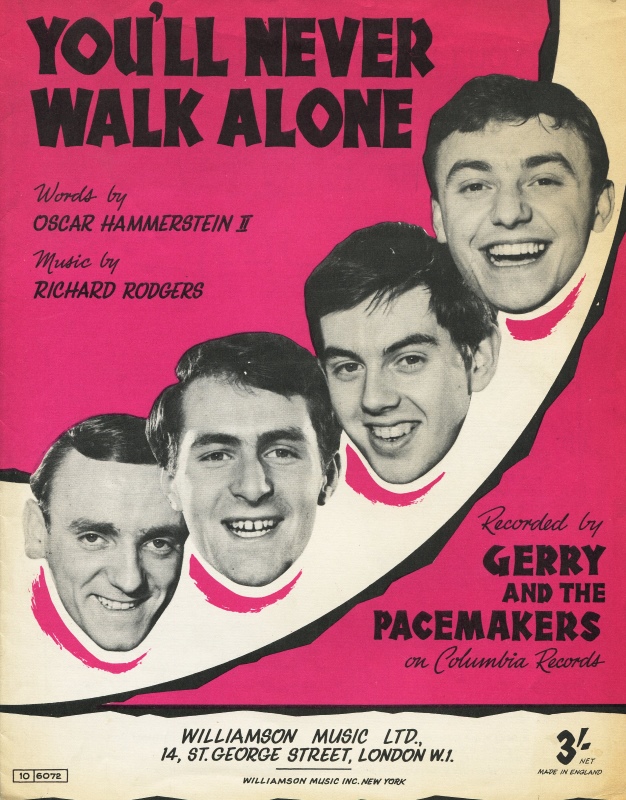
1. You’ll Never Walk Alone, by Gerry & the Pacemakers – non-mover (7 weeks on chart)
The 4th Beat group in the Top 10 on this day sixty-one years ago, Gerry & the Pacemakers had made history by being the first act to make #1 with their first three singles. This was the final week of a month-long run for ‘You’ll Never Walk Alone’, and it would also be The Pacemakers final week on top of the charts. (You can read my original post on it here.) The fact that for only their 3rd single the band had turned to a cover of a song from a 1945 musical is telling. While the Beatles were just warming up, their contemporaries were often relying on covers (or on handouts from Lennon & McCartney). Plus there was the fact that for record labels and producers, rock and roll was still a very new thing, one that many were convinced wouldn’t last. It was seen as essential for bands to branch out, and to nurture a wider appeal.
Of course we know now that rock ‘n’ roll was here to stay, even if Gerry & The Pacemakers weren’t. ‘You’ll Never Walk Alone’ was also here to stay, and by the end of its initial chart run it had already been adopted by the crowd at Anfield as Liverpool FC’s unofficial anthem, to be belted out pre-match from here to eternity. The song returned to number one in a charity version by The Crowd, following the Bradford City fire, while it also made top spot for a third time in 2020 in a version featuring Michael Ball and the 100-year-old Captain Tom Moore, a phenomenon that can only be explained by how crazy we all went during lockdown. It is nothing short of a modern-day hymn, given the song’s role in the current British psyche.
I hope you enjoyed this flashback to Today’s Top 10 in 1963. What a snapshot of popular music that was, as Britain finally cast off the shadow of the War and started to get a little groovy. Up next we’ll return to 1999, and to a country just a few months away from the terrifying uncertainty of a new millenium. Would all the computers crash? Would planes start dropping from the sky…? Nobody knew, so confused and distracted were people that they kept buying Ronan Keating records in large quantities. Stress will do that to you…
Another trip back in time then, with my second ever ‘Today’s Top 10’ (we went back to 1970 a few months ago – check it out if you have the time). This time I thought we’d go back to the summer of 1967… AKA The Summer of Love, in which for a few months the hippy ideal looked like perhaps becoming reality. Three very famous flower-power anthems topped the charts that summer, and all three are on this chart, dated 26th July-1st August 1967. But was the rest of the Top 10 as awash with peace and love? Let’s find out…
#10 – ‘Death of a Clown’, by Dave Davies (up 13 / 2 weeks on chart)
We start with a couple of big climbers, as Dave Davies’ debut solo effort enters the Top 10 this week. ‘Death of a Clown’ often gets classed as a Kinks’ song, and in fairness it does feature all four Kinks playing on it, and it did appear on the album ‘Something Else by the Kinks’. But it charted as a Dave solo number, with Ray contributing the la-la-la refrain, sung by his then wife. Its subject matter is that old rock ‘n’ roll chestnut – the grind of endless touring: I’m drownin’ my sorrows in whisky and gin… Dave Davies, who often chafed under his big brother’s domination of the group’s songwriting, had hoped that this song’s success (it would peak at #3) might lead to a solo album, but it didn’t. As a starter for our 1967 countdown it doesn’t scream ‘Summer of Love’, but Davies’ cravate in the video below is possibly the perfect encapsulation of the phrase ‘baroque pop’.
#9 – ‘Up, Up and Away’, by the Johnny Mann Singers (up 17 / 3 weeks on chart)
A bit more like it, now. An appropriately high climb for the Johnny Mann Singers going ‘Up, Up and Away’ in their beautiful balloons. It’s hardly the height of psychedelia, and it has much more of an upbeat, cabaret cheesiness to it, but it could also serve as a metaphor for indulging in some mind-bending substances. Most of the world knows it as a hit for the 5th Dimension but their version didn’t chart in the UK, leaving the coast clear for composer/arranger Johnny Mann and his singers.
#8 – ‘There Goes My Everything’, by Engelbert Humperdinck (down 2 / 10 weeks on chart)
Hang around the charts of 1967 long enough, and sooner rather than later you’ll come across Engelbert Humperdinck. He had two monster #1s, ‘Release Me’ and ‘The Last Waltz’, with this #2 smash sandwiched in between. ‘There Goes My Everything’ had been a huge US country hit for Jack Greene, before The Hump brought it to the pop charts. There’s more than a whiff of ‘The Green, Green Grass of Home’, a massive success for Tom Jones a few months earlier. Not very ‘Summer of Love’ but, let’s be honest, who could say no to a night of passion with this magnificent pillow-lipped crooner.
#7 – ‘A Whiter Shade of Pale’, by Procol Harum (down 3 / 10 weeks on chart)
Aha! Here we are then. One of the big three Summer of Love anthems, which had been at number one for six weeks and was now on its way down the chart. A stone cold, all-time classic which I’ve already named as one the Very Best #1s. Not much more to say, other than read my original post on it here, and give it a play regardless of how many times you’ve heard it before.
#6 – ‘See Emily Play’, by Pink Floyd (up 2 / 6 weeks on chart)
And if Procol Harum weren’t trippy enough, here is some true psychedelica from up and comers Pink Floyd. Written by founder member Syd Barrett, about a girl that he had seen in a forest while tripping on LSD. It is a deeply strange pop single, with lyrics about losing your mind, a demented harpsichord break, and a discordant, feedback-drenched solo. It was only their second single, and Barrett was opposed to releasing it as he didn’t think it was up to scratch. He would leave the band only a few months later, with mental health problems possibly brought on by drug use, and became a famous recluse. Pink Floyd meanwhile went on to release some of the biggest albums of the ’70s. They didn’t release many singles, though, and the next time they visited the Top Ten was with their surprise 1979 Christmas number one, ‘Another Brick in the Wall Pt. II’.
#5 – ‘She’d Rather Be With Me’, by The Turtles (up 2 / 7 weeks in chart)
Into the Top 5, with one of the decade’s great forgotten pop records, by one of the decade’s great forgotten pop groups. If the Turtles have made it into the public consciousness, then it’s for the single that they released just before this, the Billboard #1 ‘Happy Together’. Surprisingly for a song that constantly pops up in movies and on TV as shorthand for ‘The Swinging Sixties!’, ‘Happy Together’ only made #12 in the UK. Perhaps buoyed by that song’s greatness, ‘She’d Rather Be With Me’ went all the way to #4 later in August ’67. And for my money, it’s even better. Chunky production, unashamedly cheerful lyrics, cowbells, and a big, brassy marching band finish crammed into a little over two minutes. The Turtles would have one further Top 10, ‘Elenore’, which they wrote as a parody of ‘Happy Together’, but which manages to be even more ludicrously catchy.
#4 – ‘Alternate Title’, by The Monkees (down 2 / 4 weeks on chart)
Even The Monkees get into the spirit of the time, releasing a record as trippy as anything a better respected band might have put out. ‘Alternate Title’ is a very literal name for this record, as it was released elsewhere as ‘Randy Scouse Git’. (RCA refused to put it out in the UK with that name, as it sounded “somewhat rude to a British audience”.) Micky Dolenz had heard the phrase on the sitcom ‘Till Death Do Us Part’, which British audiences had somehow managed to watch without reaching for the smelling salts. If the Monkees were better respected, then the lyrics to this might warrant as much chin scratching as ‘American Pie’. It’s a bonkers record, with the verses telling the story of a party, referencing The Beatles (the four kings of EMI), the model – and Dolenz’s future wife – Samantha Juste (the being known as ‘Wonder Girl’), and Mama Cass in a yellow dress. The shouty chorus meanwhile represents the establishment yelling at the youth of the day (why don’t you cut your hair?!). And when I call it ‘bonkers’, I mean it in the best possible sense of the word.
#3 – San Francisco (Be Sure to Wear Some Flowers in Your Hair), by Scott McKenzie (up 2 / 3 weeks on chart)
On its way to the top, another anthem for the Summer of Love: an ode to the city where it all began. In fact, ‘San Francisco’ was written as promotion for the Monterey International Pop Festival, held in June that year. So it’s basically an advert… which isn’t super compatible with the hippy ethos, but hey ho. It worked, and young folks flocked to the city that summer, many with the requisite flowers in their hair. Of the three Summer of Love anthems, this one is perhaps the most stuck in that time, and hasn’t transcended to become an all-time classic. But it’s hard to argue with that sweet, wistful melody. Read my original post on it here.
#2 – It Must Be Him (Seul Sur Son Etoile), by Vikki Carr (up 1 / 9 weeks on chart)
Just to remind us that the singles chart is at heart a collection of songs ordered by cold, hard data, with no interest in the trends of the time, this was the #2 single as the Summer of Love reached its peak. American Vikki Carr provides the easy-listening filling between two hippy anthems, with a tune originally written and sung in French. In ‘It Must Be Him’, Carr – who has a lovely, strident voice – waits by the phone hoping her ex will call: Let it please be him, Oh dear God, It must be him, Or I shall die... I’d suggest Vikki might have played it a bit cooler, if only because all that talk of death and God probably brought this close to a BBC ban…
#1 – ‘All You Need Is Love’, by The Beatles (non-mover / 3 weeks on chart)
In the middle of a 3-week run at the top, this chart’s third, and perhaps ultimate, flower-power anthem. You can read my original post here. (I can’t remember what I wrote five years ago, but I’m sure it was largely positive!) Listening again now, I’m struck by how much fun this record is. From the opening bars of La Marseillaise, through Paul’s ‘all together now’s, the snatches of Bach, ‘Greensleeves’, and ‘In the Mood’, to brief glimpses of ‘Yesterday’ and ‘She Loves You’, the worthy message is dressed up in a lot of singalong fun. Brian Epstein, who would die just a few weeks later, described the band’s performance of the song for the ‘Our World’ television link-up as their finest moment.
So I’d say half the Top 10 for this week in July 1967 does the Summer of Love (and LSD) proud. The other half is more standard sixties: middle-of-the-road ballads, quality pop, and some high-grade crooning. Hope you enjoyed this detour, and I’ll do another one before the year is out.
Of the four ‘favourite’ records that I’m featuring this week, three are from the 1960s. The odd-one-out is tomorrow’s choice from 1980, but more on that in twenty-four hours… Whether this says something about the tastes, or the ages, of our guest writers, or whether it says something about the enduring quality of the Swinging Sixties, I’ll leave you to decide… Anyway, there’s nothing uncertain about the quality of today’s featured song, or the band that took it to #1. They had to feature, right? John Swindell AKA popchartfreak has chosen The Beatles’ 1968 epic, ‘Hey Jude’…
‘Hey Jude’, by The Beatles – #1 for 2 weeks in 1968
This record was ground-zero for me in my personal discovery of the UK singles chart rundown on a Sunday, Pick Of The Pops with DJ Alan Freeman, still iconic in his exciting presenting style. “Right? Right!”. Dad came back from work at RAF Swinderby in Lincolnshire, England with the news ‘Hey Jude’ had gone to number one. The longest-single to ever chart, by the biggest pop stars in the world that I’d grown-up with, and seen the films, and played the singles dad bought, were on Top Of The Pops with a great video. And it was exciting discovering the reverse chart-rundown on the radio. I was already a massive pop music fan, but this pushed me further into obsession, so many records I loved!
Until more recently ‘Hey Jude’ was far and away The Beatles most-popular record, in all it’s 7-minute singalong, slow-fade glory, and it was Paul at his ballad best. These days ‘Let It Be’ and ‘Here Comes The Sun’ tend to get the kudos over ‘Hey Jude’, but for me it’s still Jude. Written for young Julian Lennon after his parents split, it’s still got that hopeful sadness to it, being supportive to a child in distress and telling them everything will be alright – but slightly tweaked to make it more universal for everyone. Given the backdrop of assassinations, war, intolerance, racism and much more in 1968, it was a boost we needed. I was 10, but I was aware of all these things on the news.
Does it need to be 7 minutes and 11 seconds long? Yes, it does, it’s part of the build from slow sedate intro to manic screaming as the mood changes from sorrow to a crowd-thrilling climax, it’s still an emotional journey and a gradual build-up. Value for money? One of their biggest-sellers, it had a fabulous free John gem ‘Revolution’ on the B-side, and the only reason it didn’t stay on top for even longer was Paul had signed up folk singer Mary Hopkin to the Fabs new Apple record label and got to her to cover a Russian Folk song, ‘Those Were The Days’, which me and the record-buyers were even more enthusiastic about. In 1976 when all the Beatles singles were reissued with new record sleeves (rubbish ones) ‘Hey Jude’ peaked again at 12, higher than the rest of their back catalogue bar ‘Yesterday’ – which had never been a single before.
I took my mum to see Paul & Linda McCartney and their band in 1989 at Wembley Arena. It was thrilling hearing so many classics, but the peak moment was when Paul started ‘Hey Jude’ and I got goose-bumps. Sadly, as the audience was on its feet, a woman just in front of us took the opportunity to pass-out (overcome by the emotion of the moment) so the furore as staff dashed over to help put a dampener on the moment. Plus side, I can say ‘Hey Jude’ was still having a massive emotional impact on people over 20 years later. It’s still rated by some young music fans who have no memory of the 20th century, so I think that’s a pretty good reason to single it out even if I ignore what it means to me personally!
Our next #1 is an interesting concept, and (I think) the only chart-topping example of it: a double-‘A’ side with songs by two different artists…
With a Little Help from My Friends / She’s Leaving Home, by Wet Wet Wet (their 1st of three #1s) / Billy Bragg with Cara Tivey (their 1st and only #1s)
4 weeks, from 15th May – 12th June 1988
Actually, the songs on the recent M/A/R/R/S double-‘A’ were by two different bands in all but name, but OK… This definitely is. A fun pop-soul cover by a hot new lad-band (that presumably got most of the airplay at the time), and a more introspective offering on the flip side. Both are Beatles covers – ‘Sgt Pepper’s’ covers, no less – and were recorded for children’s charity Childline.
Which means we have to sound the Charity Record alarm! But, actually, this is one of the best charity singles of the decade. Perhaps ever. There’s no gimmick, nobody is dicking about, there are no misguided attempts at comedy. Just two solid Beatles covers. Wet Wet Wet’s take on ‘With a Little Help…’ is fine, though not a patch on either the original or Joe Cocker’s OTT version. It’s perky, fast-paced, with a soaring organ, and a little bit of over-singing from Marti Pellow… The ‘friends’ in this version are the kind folks at Childline (as the video makes clear). Though I’m not sure they’re the sort you’d ‘get high’ with… No matter, Pellow glides past that line without blinking.
It’s nothing special, but when you think of some of the horrors inflicted on classic rock songs by X Factor alumni in the name of charity then you’ll take ‘nothing special’ all day long. In fact, it’s a pretty low-key intro for a band who will go on to have one of the biggest number one singles of all time. But that particular beast can wait… For now, Wet Wet Wet were a likeable bunch of lads from Clydebank, who’d had a run of Top 10 hits following their 1987 breakthrough ‘Wishing I Was Lucky’ (and who make it two Scottish chart-toppers in a row, following Fairground Attraction’s Eddi Reader).
And on the other side? Well, considering that the charity album this single came from was produced by the NME, and featured covers from The Fall (‘A Day in the Life’) The Wedding Present (‘Getting Better’) and Sonic Youth (‘Within You Without You’), perhaps Wet Wet Wet were actually the surprise inclusion? Billy Bragg is an activist, a left-wing folk-punk songwriter, and possibly the ultimate Pointless answer to ‘Artists with a UK #1 single’.
His take on ‘She’s Leaving Home’ with his long-time collaborator Cara Tivey on piano, is something different – both in terms of the peppy song on the flip-side, and in terms of chart-topping singles in general. Few pop hits can have featured an accent as uncompromising as Bragg’s, for example. Though the kitchen-sink drama in the lyrics… She’s leaving home after living alone for so many years… is very on-brand for him. It’s a pretty take on the original, and another win for ‘80s indie which, after The Housemartins and Fairground Attraction, is actually getting more of a crack at the top spot than I’d have anticipated.
I like the concept, and the contrast between the two songs… but neither comes close to its original. And I say that as someone who doesn’t even rate ‘Sgt. Pepper’s’ as much as certain of the Beatles’ other studio albums (at least the two before and the two that followed it…) There now, I feel like I’ve outed myself as a complete Philistine… Up next, perhaps a post on why I’ve always found Bob Dylan overrated… Or maybe not.
Paul McCartney was quite open about the debt that ‘Lady Madonna’ owed to Fats Domino, and so it was perhaps no surprise that Fats himself repaid the compliment less than a year after the original was released. It is probably the most faithful of all the cover versions I’ll post this week… Other than some extra piano flourishes it could easily be Fats singing over the original instrumental track. Doesn’t mean it doesn’t rock, however, and it took the rock ‘n’ roll legend to #100 in the US, just when it looked as if he might never have another chart hit.
‘I Feel Fine’, by Alma Cogan – 1967 album track
(Originally a #1 in December 1964, by The Beatles)
Towards the end of her career, and just before her much too early death aged just thirty-four, Alma Cogan had a go at covering some of The Beatles’ biggest hits. She put her own twist on ‘Help’, and ‘Ticket to Ride’, but I’ve gone for her very swinging-sixties take on ‘I Feel Fine’. (Actually, her best Beatles’ cover is her gorgeous ‘Eight Days a Week’, but that original was never released as a single in the UK…) Cogan had a close relationship with the Fab Four – especially, the rumours suggest, John Lennon – and I covered this in more depth in my post on her a few months ago. Sadly, none of her Beatles covers seemed to grabbed the public’s attention, all of them failing to chart.
Another two tomorrow, this time a couple of takes on the same well-known chart-topper…
Ah, the Beatles. Bringing some sense and stability to the top of the UK singles charts, after a few months of wackiness. But actually, even this, a famous hit record from the most famous band in the world, stands out. It’s nowhere as weird as we’ve heard this year, but it’s still different…
Lady Madonna, by The Beatles (their 14th of seventeen #1s)
2 weeks, from 27th March – 10th April 1968
For a start, ‘Lady Madonna’ is a piano driven song, which is pretty rare for a Beatles’ single. It’s well-known as a tribute to Fats Domino, which means it’s already the second 1968 #1 to reference the famous pianist, after Georgie Fame’s ‘Ballad of Bonnie and Clyde’. Fats scored his biggest hit for a while by releasing his own version later in the year. Incidentally, I just discovered that he only ever had one (!) UK Top 10, which for a founding pillar of rock ‘n’ roll seems scandalous…
Anyway, as good as the piano riff is here, I love it when McCartney’s bass kicks, and even better when the main guitar kicks in for the second verse, growling like a pit-bull. And then comes the saxophone, another instrument that The Fab Four didn’t often use. It’s a song with a swagger and a swing to it. Anyone attempting it at karaoke would have to finish their performance with a mic toss.
In the back of my mind, I know what the song’s about. I’ve read, somewhere and sometime, just who Lady Madonna was. But before I Google and confirm, here’s my interpretation after listening to it for the first time in ages. She’s poor (Wonder how you manage to make ends meet…) with kids (Baby at your breast…), lots of kids (Wonders how you manage to feed the rest…). She’d like to escape (Lady Madonna, Lying on the bed, Listen to the music playing in your head…) but is trapped in a life of drudgery (Thursday night your stockings needed mending…)
It’s a kind of ‘Eleanor Rigby’ part II, and again Lennon and McCartney – though by this point they were largely writing separately, this being a Paul composition – prove themselves able to go way beyond the regular confines of pop music. ‘Madonna’ gives the woman in the song saintly connotations and – yes, I remembered correctly! – McCartney was inspired to write the song by a picture of a breastfeeding tribeswoman in a copy of National Geographic. The music here might be back-to-basics rock ‘n’ roll, but the lyrics are some of The Beatles most cutting. See how they run… What’s ‘running’? The kids? The years? The people that see this poor mother in the street…?
On a far more frivolous note, the use of ‘Madonna’ in the title also opens up a fascinating sub-genre: #1 hits that reference other chart-topping artists! Obviously, they weren’t referencing Madonna Ciccone, who was a good fifteen years away from releasing anything, but still… To be honest, I’m struggling to think of others… ‘Moves Like Jagger’ never quite made it to the top. ‘Rock Me Amadeus’, maybe, as had the charts been around in the 1700s Mozart would have done alright… In ‘Return of the Mack’ Mark Morrison was singing about himself… Let me know if you can think of any other. It’s fascinating, but completely pointless. Anyway.
Anyway, anyway, anyway… All of a sudden, we are approaching the end of The Beatles’ chart-topping careers. This was their fourteenth #1, and there are only three more to go! Luckily, two of them are stone-cold classics. The other is, well… We’ll cross that bridge when we come to it.
We last recapped in late 1964, and the past thirty #1s have brought us right through 1965 and out the other side. The very middle of the mid-sixties. And, to be honest, we’ve been spoiled.
For example. This was a genuine, consecutive run of chart-topping singles, from the summer of ’65: ‘Mr. Tambourine Man’, by The Byrds… followed by The Beatles, with ‘Help!’… then ‘I Got You Babe’… and finally ‘(I Can’t Get No) Satisfaction’, by The Rolling Stones. No filler in between. Those singles, over the course of just nine weeks, were the top selling songs in Britain. Timeless hit after timeless hit. Songs that are still ubiquitous to this day, some fifty-five years later. Amazing.
This is why it’s good to pause, momentarily, and look back. Otherwise I’d start taking for granted the huge musical moments that are becoming almost commonplace. Dotted around elsewhere in the past year or so we’ve had non-consecutive gems too: our first Motown #1 from The Supremes, a karaoke classic from Tom Jones, the distilled essence of The Swinging Sixties TM from Nancy Sinatra and a contender for best pop song ever from The Righteous Brothers. It’s like the best all-you-can-eat buffets – you never have enough room to appreciate every morsel.
The sound of these number ones has also been moving forward at lightning speed. We’ve seen the Beat sound disintegrate into straight-up blues, folk, baroque pop, and garage rock. Glance back two years, to early 1964, and things were much more homogenous. Merseybeat followed by Merseybeat followed by – hey – more Merseybeat. And most of those discs were great. But variety is the spice of life. I’m really loathe to be one of those ‘things were much better back in the day’ types… but… compare pop music from 2019 with that of 2017 – or even 2007 – and would you see that much of a difference? Of course, everything here was new, just waiting to be discovered and experimented with. Dirges and harpsichords on hit singles? Why not!
Even the outliers, the singles that deviated from the irresistible forward thrust, had the good sense to be eclectic. Elvis returned and took us to church, Georgie Fame gave us some Latin soul, Roger Miller represented the country side of things while, in Unit 4 + 2, we had genuine one-hit wonders. We’ve also heard several more female voices than we have in past recaps: Sandie, Jackie, Nancy, Diana Ross and the gang, and a lady called Cher.
All of which means I’m struggling to dish out the more negative awards – the ‘Meh’ Award and my equivalent of a Razzie: The Very Worst Chart-Topper. But let’s not kid ourselves. I’ve not enjoyed every single song going. I struggled to get the appeal of The Seekers after hearing their bland chart-topping double. Meanwhile, Cliff returned as boring as ever… Plus there’s my unresolved childhood history with The Moody Blues, which means I want to award one to ‘Go Now!’, even though I love that one song. ‘Where Are You Now (My Love)’ was OK, though I’m struggling to really remember it, while The Overlanders’ cover of ‘Michelle’didn’t really need to exist. And then there was Ken Dodd’s ‘Tears’ – the 3rd biggest selling single of the decade. Yes, you read that correctly. But that would be like kicking a puppy, naming that as the worst record…
Ken Dodd with his golden disc for 100, 000 copies of his record sold “Tears” presented to him in his dressing room at the London Palladium.
I’ve got it. The ‘Meh’ Award goes to ‘The Carnival Is Over’, by The Seekers. A funeral dirge, plain and simple, with some cheek for having the word ‘Carnival’ in the title. I still can’t believe it sold over a million. And the very worst of the past bunch goes to Country Cliff, for the soporific ‘The Minute You’re Gone’. Compared to some of the past ‘worst #1s’ it’s fairly inoffensive. Russ Conway, David Whitfield and Elvis in Lederhosen were much worse crimes against music. It’s just that, while everybody was twisting, Cliff was sticking, even going backwards.
Before we choose the ‘good’ awards, we should mention that over the past thirty #1s, one of the greatest ‘rivalries’ in pop music has really taken off. After the last recap, everybody was trailing in The Beatles’ wake. But… The Stones have arrived. Both bands have scored four chart-toppers in this segment. In a recent post I claimed that, for the moment, The Stones were ahead of The Fabs, just. Those of you who took the bait disagreed… But I’m sticking with it. Yes, ‘I Feel Fine’, ‘Ticket to Ride’, ‘Help!’ and ‘Day Tripper’ / ‘We Can Work It Out’ are superb records. No debate. Imperious. But look at The Stones’ four: ‘Little Red Rooster’ (authentic, full-on Blues), ‘The Last Time’ (the weakest, for sure, but still a great, swaggering rock song), ‘Satisfaction’ and then ‘Get Off Of My Cloud’ (those riffs, along with a tonne of angst and venom, and general dissatisfaction with the world around them – It’s punk, metal, emo… It’s the future!) On that note, I’m going to give the ‘WTAF’ Award, the award for our more ‘out there’ #1s, to ‘Little Red Rooster’, because that’s a slice of pure Chicago blues that had no business getting to the top of the British singles charts – though I’m so glad it did.
Which just leaves the crème de la crème. As always, I’ve got it down to four. ‘You’ve Lost That Lovin’ Feelin’’, ‘Help!’, ‘Satisfaction’, and our most recent #1: ‘These Boots Are Made for Walkin’’. And I’m going to instantly eliminate The Beatles and Nancy Sinatra for being great, but just not great enough. So… Perhaps the toughest decision I’ve ever had to make. The Righteous Brothers, or The Rolling Stones. I’m listening to both songs one more time as I mull…. God, why don’t I just call a tie…? No, that sets a dangerous precedent for me (in this completely unnecessary and self-imposed situation)… Ga! I love rock music, at heart. Rock ‘n’ roll always wins. As great as ‘…Lovin’ Feelin’’ is, it ain’t rock. ‘Satisfaction’ takes it.
The Very Worst Chart-Toppers: 1. ‘Cara Mia’, by David Whitfield with Mantovani & His Orchestra. 2. ‘The Man From Laramie’, by Jimmy Young. 3. ‘Roulette’, by Russ Conway. 4. ‘Wooden Heart’, by Elvis Presley. 5. ‘Lovesick Blues’, by Frank Ifield. 6. ‘Diane’, by The Bachelors. 7. ‘The Minute You’re Gone’, by Cliff Richard.
Phew. We’ll pause for a bit, before hitting the next thirty. Thirty discs that’ll take us through the ‘Summer of Love’ and beyond. Next up, I’m going to spend a week looking at some of the people behind the #1s… Coming soon, to a blog feed near you…
For those counting, we arrive at the 3rd Beatles cover to top the UK charts. Which means that in a little under three years, Lennon & McCartney have been responsible for twelve chart-toppers! Not bad, not bad at all. A couple of posts ago I mentioned them in comparison with Bacharach and David, who recently wrote The Walker Brothers #1 ‘Make It Easy on Yourself’. But, having done some digging, it turns out that they were still way behind John and Paul with just 6 chart-topping compositions to their name, in well over double the time.
Michelle, by The Overlanders (their 1st and only #1)
3 weeks, from 27th January – 17th February 1966
Anyway, that’s all well and good; but this next chart-topper isn’t by The Beatles. Note the name at the start of this post: The Overlanders. You know, the British folk-rock-cum-pop combo? Nope? Well this was their one and only hit. And it’s a pretty faithful, note for note, cover of the original.
I’d like to write about this without comparing it to The Beatles’ version, but that would mean erasing a song that I’ve been listening to since I was a kid from my memory for the next half an hour. And I don’t have the technology to do that… Michelle, Ma belle, These are words that go together well, My Michelle… Alongside a jaunty, perky, French-salon tune. It’s slightly heavier, more deliberate version – the instruments and the vocals have a deeper finish and a gloss that the original doesn’t. The Beatles’ version is more subtle, lighter… (Oh fine, here’s a link. Compare them for yourself.)
Probably the most notable thing about this disc is that it has a full line of French in it, which is a first for a UK chart-topper. Michelle, Ma Belle, Son les mots qui vent très bien ensemble, Tres bien ensemble… Even if, like me, you have only the most basic of French abilities, you can work out that it’s just a direct translation of the preceding, English line. Still, aside from ‘Que Sera Sera’, which is actually gibberish, this is the first in a long line of ‘non-English’ #1s, or ‘not-completely-English #1s’, which will take us through ‘Je T’Aime…’ to ‘La Isla Bonita’, to, um, ‘Gangnam Style’…
As a hit record, this is alright. It might as well have been done by a pub covers band for all the personality they bring to it, but it’s OK. It’s not as good as the original, you’d never choose to listen to this version over it, but the only bit I think that really lets The Overlanders down is the creaky I love you… before the solo.
What it kind of reminds me of is the electronic keyboard that I had as a kid, for the six months or so I attempted to learn, which had a bunch of famous songs pre-programmed into it. ‘Michelle’ wasn’t one of them; but if it had been I bet it would have sounded quite like this. Perhaps the problem is that, unlike the previous two Lennon & McCartney written chart-toppers, everyone thinks of ‘Michelle’ as a Beatles song. It’s a well- known track from one of their best-regarded albums, ‘Rubber Soul’, and features on several Greatest Hits compilations (which is where I first heard it all those years ago.) Whereas, Billy J. Kramer, and Peter and Gordon, could more easily pass ‘Bad to Me’ and ‘A World Without Love’ off as their own, with no ‘official’ version of those hits ever recorded by The Fab Four, The Overlanders wouldn’t be as lucky.
But then again, if you wanted a guaranteed hit in the mid-sixties, you couldn’t do any better than nabbing yourself a Beatles’ cast-off. They got their big smash; but very few people remember them for it. Like I wrote at the start, this was The Overlanders’ one and only hit record. It raises a philosophical question to finish on: What’s better, plugging away valiantly on your own with little recognition, or riding the coattails of the world’s biggest band for three weeks of reflected glory?
These latest thirty #1 records represent perhaps the richest vein of pop music ever to have been hit upon in this country. Much of 1961 and ’62 was spent drilling different holes – occasionally coming up with a beauty (The Tornados); largely hitting a lot of bland MOR (Cliff, Frank Ifield.) But one day, in April 1963, the motherlode was discovered. Merseybeat.
This is the Merseybeat recap. The most homogenous sounding bunch of chart-toppers we are ever likely to meet. Young guys with guitars singing perky songs about falling in love, holding hands and getting into something good. It started with a triple whammy – a call to kids across the land – as Gerry & The Pacemakers and The Beatles arrived at the top of the charts. The Searchers, Billy J. Kramer, The Tremeloes and The Dave Clark Five all soon followed. That stretch, from April ’63 through to the summer of ’64 is probably the most consistent sounding year in UK chart history, one beat-pop number followed by another, with few exceptions and very few duds.
It’s definitely the strongest bunch of #1s yet, and it’s been very hard to pick which ones are merely great and which ones are utterly transcendent. Classics like ‘From Me to You’, ‘I Like It’, ‘Glad All Over’, ‘Do Wah Diddy Diddy’, ‘Have I the Right?’ and ‘I’m Into Something Good’ – which might have made the ‘Best Of’ at any other time – will have to just get left by the wayside. Whole chart-topping careers, those of Billy J., The Searchers, The Pacemakers and Cilla Black, have come and gone in a blink of an eye. For so long we plodded through mediocrity; now we wish things could slow down a little.
Of course, nothing that good can last forever, but I was surprised by how quickly the Merseybeat wave came, conquered and then receded. By July 1964, a harder sound had arrived at the top courtesy of The Animals and The Rolling Stones (Yes, we met the Stones for the first time! What should have been a headline becomes a footnote thanks to the brilliance of those around them.) Beat pop has slowly started to fragment in recent months, into full on rock (‘You Really Got Me’), rhythm and blues (‘It’s All Over Now’), experimental electro pop (‘Have I the Right?’) and easy-listening with a hint-of-Beat (‘(There’s) Always Something There to Remind Me’.)
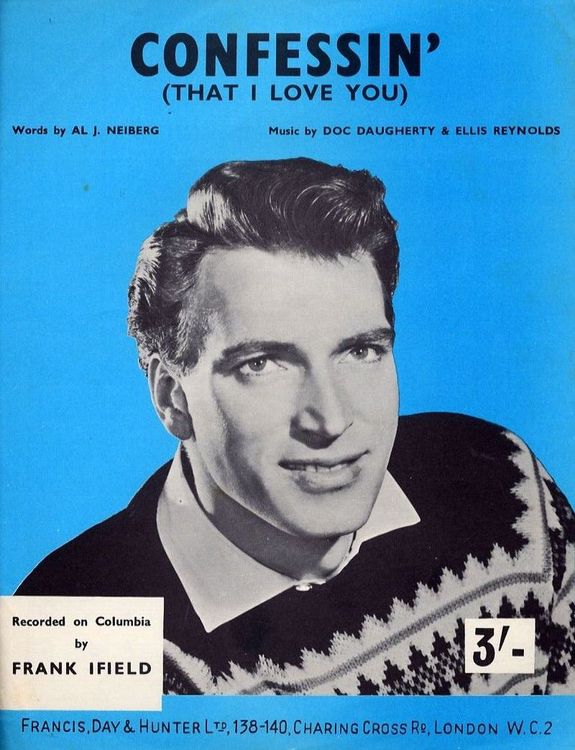
Out of the last thirty-one #1s, I can count only seven outliers. Seven discs that haven’t fit the Beat-pop/rock bill. Cilla’s two proto-power ballads, the best of which was ‘You’re My World’, The Pacemaker’s weird showtune swansong ‘You’ll Never Walk Alone’, a couple of leftovers from the previous era in Elvis’s ‘(You’re the) Devil in Disguise’ and Frank Ifield’s final, and most pleasing, #1 ‘Confessin’ (That I Love You)’. And, of course, the return of Roy Orbison. The Roynaissance. ‘Oh, Pretty Woman’ was the sound of him meeting the Beat-revolution halfway; but his earlier comeback #1, the dramatic and operatic ‘It’s Over’, sounded completely out of place, and all the better for it.
Which leads me to the latest ‘WTAF’ Award, and a truly tough decision. Do I award it to The Big O, for ‘It’s Over’, or to Gerry & The Pacemakers for the bizarre, and perhaps fatal, decision to record a version of ‘You’ll Never Walk Alone’? I’m going to edge towards The Pacemakers – ‘It’s Over’ merely sounds out of place thanks to its surroundings; in the career of Roy Orbison it makes complete sense. Whereas I’m not sure anyone saw ‘YNWA’ coming. Still, it probably gets played ten times more these days than ‘I Like It’, and it means Gerry and the lads get a nice windfall any time Liverpool win a big match.
Choosing a record to crown as both ‘Meh’ and the Very Worst Chart-Topper is also a tough decision. There simply haven’t been enough terrible records to go around. It’s basically a straight shootout between The Bachelors ‘Diane’ and The Four Pennies ‘Juliet’. Two landfill Merseybeat records, cashing in on the day’s signature sound to make bland MOR; two records named after girls. I’ll give the ‘Meh’ Award to ‘Juliet’ and the Very Worst Chart-Topper to ‘Diane’, as The Four Pennies were merely boring, while I feel there was something sinister in The Bachelors perverting Merseybeat into a record for grannies. Like when Pat Boone released his metal-covers record, or when Tom Jones did Prince…
Before we settle what was the best of the best, one thing that did surprise me as I covered the past thirty-one chart-topping discs was that only three of them were recorded by Americans. Roy Orbison, of course, and one Elvis Presley, who you may remember from previous recaps. Back in my first recap, during the pre-rock days, I commented on how few British acts there seemed to be, and how the big US stars of the day – Kay Starr, Perry Como, Eddie Fisher et al – were bringing the glamour to bombed-out, over-rationed Blighty. Well, ten years on and much has changed. The Brits are the cool ones – it was they who were invading the Billboard Hot 100 across the Atlantic. Except, they were doing so with American-written songs. All The Searchers’ #1s were originally recorded by US vocal groups. Cilla and Sandie Shaw hit big with Bacharach and David numbers. ‘Do You Love Me?’ was a Motown number, while ‘I’m Into Something Good’ was written by Goffin and King. An interesting footnote to the British Invasion.
To the crème de la crème, then… The 6thVery Best Chart-Topper award. I’ve narrowed it down to a top five. ‘How Do You Do It?’, by Gerry and the P’s, for kicking this whole shebang off. Then The Animals, for announcing the end of Merseybeat a year later with the deep-throated, bluesy ‘The House of the Rising Sun’. They’re joint fourth. 3rd place goes to ‘You Really Got Me’ – in which the Kinks invented garage rock, power-pop and, oh yes, heavy metal – and generally grabbed us all by the bollocks and kicked us up the arse. Runner-up goes to the sublime ‘Needles and Pins’ by The Searchers – a moment of sad-pop melancholy in amongst the frenzy. I really wish I could argue a case for this being the very best but… I can’t. Not when The Fab Four are looking on.
Yes, five of the past bunch of chart-toppers were by The Beatles, with a further two written and donated to other acts by Lennon & McCartney. All of which were good-to-great #1s. (Sorry to disappoint, but I won’t have too many bad words to say about any of their seventeen chart-toppers.) One though, stands out above the rest. The one hundred and fifty seventh UK chart-topper, and the moment the world realised that they were in on something spectacular: ‘She Loves You’. Yeah, yeah… Yeah!
The ‘WTAF’ Award for Being Interesting if Nothing Else: 1. ‘I See the Moon’, by The Stargazers. 2. ‘Lay Down Your Arms’, by Anne Shelton. 3. ‘Hoots Mon’, by Lord Rockingham’s XI. 4. ‘You’re Driving Me Crazy’, by The Temperance Seven. 5. ‘Nut Rocker’, by B. Bumble & The Stingers. 6. ‘You’ll Never Walk Alone’, by Gerry & The Pacemakers.
The next thirty will take us from the tail-end of 1964 through to early ’66, and I doubt there will be anything like as clear and definable a ‘sound’ to the coming months. Popular music will continue to fragment. Starting with a brand new first at the top of the UK charts. It’s Motown, baby!









 The UK Number Ones Blog