690. ‘(I Can’t Help) Falling in Love With You’, by UB40

More reggae at the top of the charts, after Shaggy and Ace of Base over recent weeks. And it’s Britain’s best-sellers in the genre who are bringing it there…
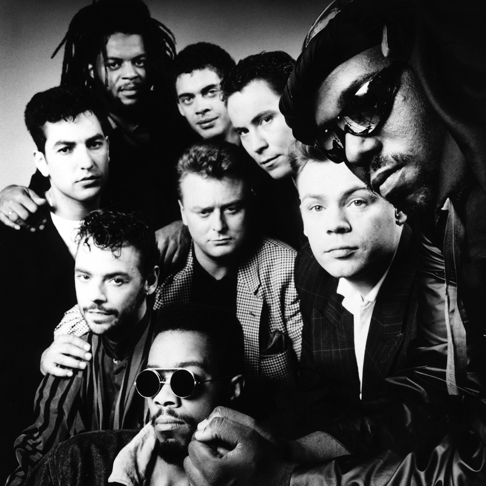
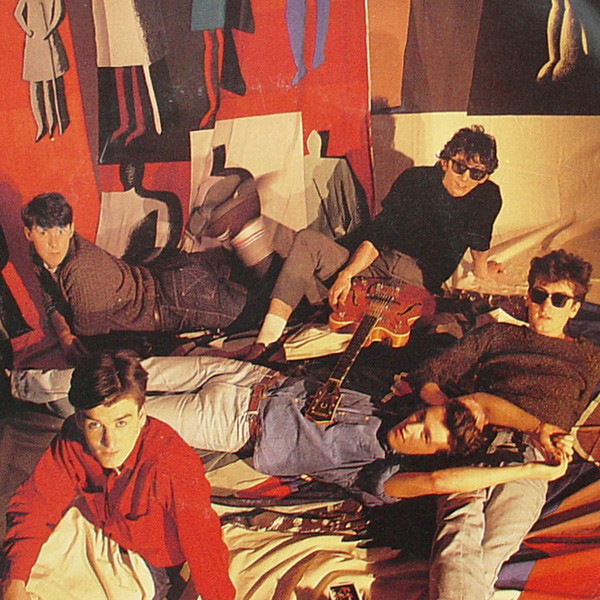
(I Can’t Help) Falling in Love With You, by UB40 (their 3rd and final #1)

2 weeks, from 6th – 20th June 1993

As with their last #1, a cover of ‘I Got You Babe’ with Chrissie Hynde, this is a dub take on a golden oldie (though note the slight title change from the Elvis original, a chart-topper in 1962). And I can see what they were going for – a softened version of their reggae sound, with clear nineties dance influences in the swaying beat – but I can’t take to it. ‘Plodding’ and ‘slow’ were the two notes I took on first listen. I also gave their version of ‘I Got You Babe’ a ‘Meh’ award, so I’ve got form.

Ali Campbell’s voice is an acquired taste most of the time, and especially so here. I don’t know if he’s trying to imbue his lines with emotion, but it mainly sounds as if he’s straining to get them out. Obviously it doesn’t help that the listener automatically compares his efforts to Elvis’s from thirty years earlier… And yet, the quality of the song shines through – there’s a reason why it’s become a standard – and I do like the addition of the short, sharp horn fills towards the end.

Like ‘Oh Carolina’ before it, ‘(I Can’t Help) Falling in Love With You’ featured on the soundtrack to the Sharon Stone movie ‘Sliver’. There are very few film soundtracks to have included multiple #1s, and it’s amazing that a movie as poorly regarded and forgotten as this ‘Sliver’ managed it. Still it gave UB40 their 3rd and final chart-topper, and became their biggest hit in the US, staying at #1 for seven weeks.

And we should note the impressive longevity of the band, given that those three number ones were spread out over a decade (while the Campbell brothers have one more shot at top spot, in a featuring role, to come). But I think it’s fair to say, and this is coming from someone who wouldn’t count himself as a fan, that UB40 are not best represented by their three #1s. Two of them are fairly pedestrian covers, while ‘Red Red Wine’ – which was also a cover, of course – has bit more charm to it, though still plays it fairly safe.

They had a few more years of chart hits in them, including two further Top 10s, but its perhaps right to mark this as UB40’s swansong. They remain a going concern, with four of the original eight members still in the band. Ali Campbell, however, left in 2008, after disagreements with the band’s management.

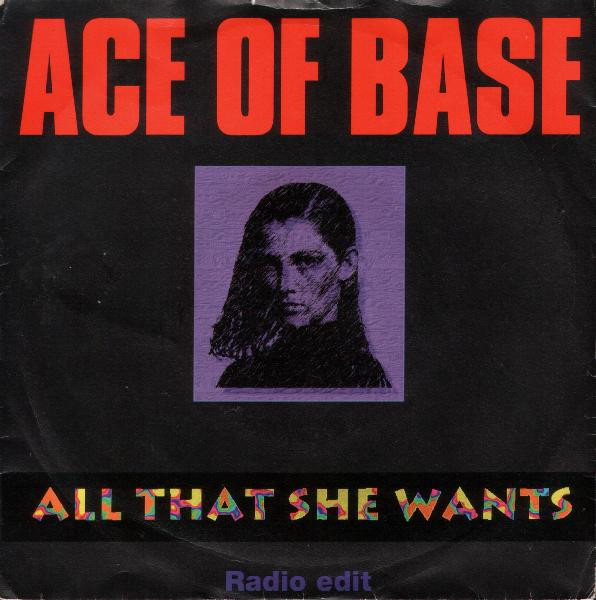
689. ‘All That She Wants’, by Ace of Base

Enter Sweden’s 3rd biggest-selling pop act… (Answers for 2nd place on a postcard… I’ll reveal it at the end of the post!)

All That She Wants, by Ace of Base (their 1st and only #1)

3 weeks, from 16th May – 6th June 1993

And in the grand Swedish tradition, it’s a male-female combo – two men, two women (though as far I can tell no marriages) – Ace of Base. With what I’ve always thought to be a deeply strange pop song.

There’s the sparse, ghostly intro, for example. And all the empty spaces in the song, where it’s just nothing more than a drum machine and a lumbering synth riff, and the low-key ending. It’s not your normal pop smash, even if it has more than a hint of dub-reggae – soon to be one of the dominant chart sounds – in the steady, hypnotic beat. And that’s before we dissect the lyrics…

All that she wants, Is another baby, She’s gone tomorrow boy… They tell the tale of a femme fatale, who prowls an unnamed beach looking for men… She’s the hunter, You’re the fox… And in that respect it’s great. Girl power! Fifteen years ago Brotherhood of Man told the story of a holiday resort lothario in ‘Figaro’, but Ace of Base flip it on its head. If it were sung by men it might be a bit cliched, but no. Go girls!

The problem I have with the lyrics is the fact that, as a kid, I took them literally. All that she wants, Is another baby… I thought she was wandering the beach looking for a man to get her pregnant. Which is weird, and I apologise; but having done some research I find I’m not alone. “As far as I can remember, ‘All That She Wants’ by Ace of Base is the only hit single ever to talk about a lady who uses men for stud service so that she can become an unwed mother,” said LA Weekly at the time. I like to think Ace of Base knew what they were doing, keeping the lyrics intentionally vague and menacing. Either way, I feel seen.

‘All That She Wants’ is definitely a grower. Even now, on my fourth or fifth listen, I’m remembering why it is such a good pop tune. I’m not sure what the hooks are – or perhaps it’s because there are so many it’s hard to pinpoint them – but it worms its way in and stays there. Just like Sweden’s biggest pop group, the one it’s impossible not to compare Ace of Base to… It’s not out of the question to imagine that, had ABBA been around in 1993, they might have been making records like this. And, like Agnetha and Frida, the girls here have similarly accented, idiosyncratic, but still very alluring, English.

This was only Ace of Base’s second chart hit, and what a hit. A number one across Europe, presumably unavoidable at beach bars from Faro to Faliraki in the summer of ’93, and a #2 in the US. It set them up for a run of Top 10s through the 1990s, including US #1 ‘The Sign’ and a cover of ‘Don’t Turn Around’, which Aswad had taken to the top in 1988. But permit me to give a shout out to my favourite Ace of Base tune, ‘Always Have, Always Will’, which takes everything you love about ABBA, Motown, sixties girl groups, and serves it up in pop perfection. Its #12 peak be damned!

This would be their only visit to the top of the charts, but they remain Sweden’s 3rd most successful act. ABBA are obviously the 1st, but what of the runners-up…? Well, it’s Roxette (another male-female act!), who never made it higher than #3 in the UK. Personally I’d have named garage rock loons The Hives as my second favourite Swedish act, but they’ve never come close to troubling the top of the charts.

687. ‘Young at Heart’, by The Bluebells

If we thought ‘Oh Carolina’ was an unpolished step away from the usual sounds of the early nineties, then what to make of this folksy jig…?

Young at Heart, by The Bluebells (their 1st and only #1)

4 weeks, from 28th March – 25th April 1993

We need to sound the ‘random re-release’ klaxon, one that has been honked fairly often during these past few chart years, for the success of this record was not completely organic. ‘Young at Heart’ was originally a #8 hit, in 1984, for Scottish jangle-pop act The Bluebells. It was their biggest hit, from the only studio album they released before disbanding in 1985. Fast-forward nearly a decade, and the song is being featured in a commercial for Volkswagen (not Levi’s, for once!)… Hey presto. Number one.

And aren’t we glad that it was! It’s distinctive, bordering on strange, and yet oh so catchy. Banjos, harmonicas, and most of all violins – the solo has to be one of the most ‘out there’ moments in a #1 for many a year – come together at the barn dance for a tale of young love: They married young, For love at last, Was their only crime…

It’s always hit me as a sort of ‘Come On Eileen’ Part II, both in terms of the Celtic sounds and the subject matter. Plus at its heart, despite all the country dressing, it has a pure pop bridge and a soaring chorus, which hint at an interesting origin story. I’ll let you in on a secret, one that raised my eyebrows when I found it out barely five minutes ago… The reason this song has such strong pop credentials is because it was written, and originally recorded by, Bananarama! I know, right…!

They recorded it for their debut album in 1983 – it was actually co-written by Siobhan Fahey (sort of giving her a second non-Bananarama number one) and the band’s guitarist Bobby Bluebell (not his real name) – and, if we’re honest, their version is fairly bland. In fact, The Bluebells’ take is a lesson in how to do a cover version right: changing the tone, the tempo, the genre, to the point where you’d have to be listening pretty closely to notice that they were the same song.

The Bluebells reformed especially for the TOTP performance brought about by the record’s unexpected success, and have continued to come back together on and off over the years. One of their former members is a lecturer in music business, while another is a golf correspondent for The Guardian.

Sadly, I make this the final ‘random re-release’ we’ll see, for a while at least. There are plenty more to come, especially in the 21st century, but this is the end of that golden spell in the late-eighties and early-nineties, when Ben E King, Jackie Wilson, The Clash, The Righteous Brothers, The Hollies and The Steve Miller Band all scored belated, sometimes posthumous, chart-toppers thanks to films, TV shows and, more often than not, adverts for Levi’s jeans. Let’s salute them, then, these random re-releases, for spicing up the charts, and breaking up all the SAW, the dance, and the movie soundtrack power ballads.

686. ‘Oh Carolina’, by Shaggy

There’s so much to unpack with this next number one… How did this unknown Jamaican, who growls and slurs his way through his breakthrough smash, go on to become one of the longer-lasting hitmakers of the decade? Why did this summery smash, that sounds like its coming to you live from a beach bar in Montego Bay, make #1 in March? And just why is reggae the chart genre that refuses to die…?

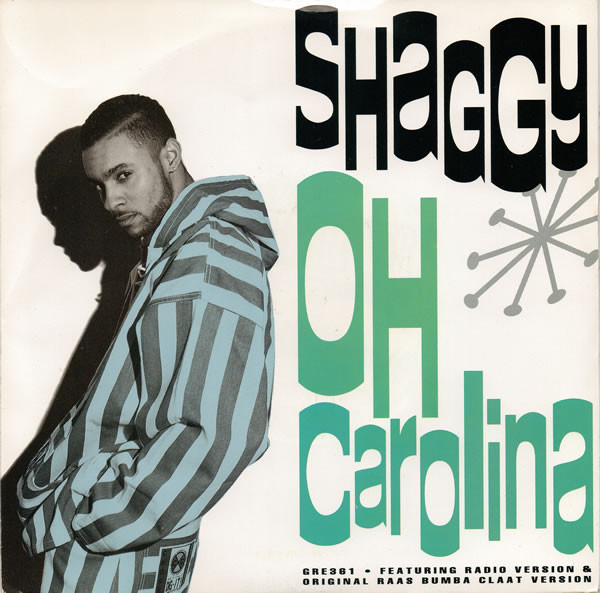
Oh Carolina, by Shaggy (his 1st of four #1s)

2 weeks, from 14th – 28th March 1993

Let’s address that last question first. For this is the purest reggae, not the pop version of UB40, or the watered down offering of Boris Gardner. It’s ragga, its dancehall; it’s rough and grimy, so much so that you almost have to wipe the sweat from the stereo after playing it. It’s a cover of an old ska song from the early sixties, by the Folkes Brothers, the opening riff of which is sampled on Shaggy’s version, giving this a folksy, distinctive edge, a world away from the polished beats of the 1990s. This doesn’t in any way answer why reggae keeps coming back to the top of the charts – other than the fact it is impossible not to dance to songs like this – but we’re entering what is perhaps the most reggae-heavy period in chart history, between 1993 and the middle of the decade.

Once the main rhythm, and the up to date production rolls in, the song still doesn’t lose its edge. And that’s mostly thanks to Shaggy’s gruff toasting. I have no idea what he’s saying, but it all sounds pretty filthy… I believe Carolina moves her body just like a squirrel, can jump and prance… And at one point I think Shaggy claims to love how she shag… (I could just Google the lyrics, but I have no desire to prove myself wrong.)

As to why it made #1 months ahead of schedule? Well aside from a need for some escapism from a misty, miserable March, it was included on the soundtrack to the movie ‘Sliver’, starring Sharon Stone (15% on Rotten Tomatoes). Whether that helped or not I don’t know, but if it did I’m glad. This is a rough and ready song, with a wonderfully raw feel. It’s certainly Shaggy’s forgotten chart-topper, but it’s probably his most credible.

Which brings us on to the very first question I posed. ‘Oh Carolina’ has one-hit wonder written all over it, and yet… I can’t adequately explain the subsequent career of Shaggy (AKA Mr Boombastic, AKA Mr Lover-Lover), even though I lived through it. He’s somehow cool – he is an ex-Marine after all – and yet completely ludicrous. By the time of his turn-of-the-century, biggest hit (you know, the one about ‘banging on the bathroom floor’) he was basically a cartoon character. He duetted with Ali G, for Pete’s sake!

Anyway, we can address all this in good time. For now, let’s enjoy his first chart-topper, in all its raunchy, mumbling glory. (I think it helps to enjoy Shaggy when you don’t understand what he’s saying…) And, for the third chart-topper in a row, I have specific memory attached to this record. A primary school friend had a (highly unrequited) crush on a girl called Caroline. Cut to our Primary 4 disco, where we requested this song on his behalf, made sure the DJ announced who it was for, and an entertaining meltdown ensued…

684. ‘I Will Always Love You’, by Whitney Houston

I’ve enjoyed my journey through 1992, a year short on number one hits (just twelve) but a year that has valued quality over quantity. I’ve not actively disliked any of its chart-toppers, the worst I could say is that a couple have been fairly bland (yes, KWS, I’m looking at you). But before we wrap this year up, we have to grapple with its final hit. The year’s biggest-selling, longest-running #1…

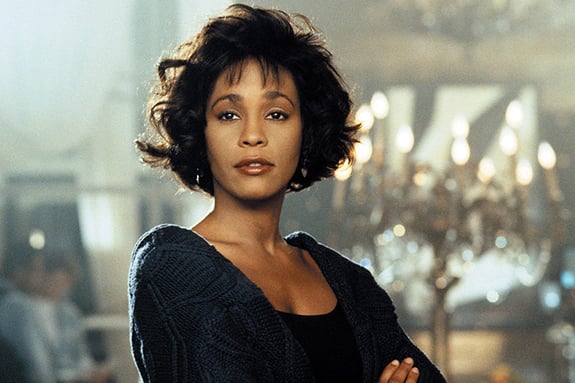
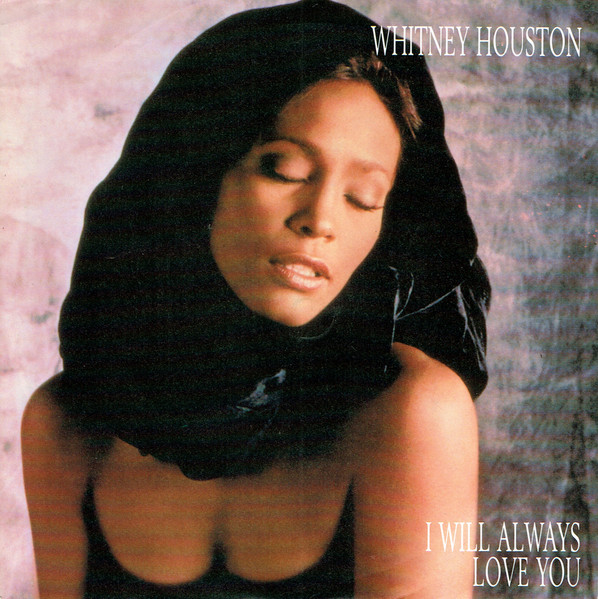
I Will Always Love You, by Whitney Houston (her 4th and final #1)

10 weeks, from 29th November 1992 – 7th February 1993

The early nineties is the era of the soundtrack single. And it’s bookmarked by three songs-from-movies in particular, each of which got into double figures at the top of the charts. Enter Part II, then: Ms Houston, and the love theme from her blockbuster ‘The Bodyguard’. (And, as an aside, isn’t it interesting that both this and the earlier ginormous soundtrack #1 were from films starring heartthrob du jour Kevin Costner…?)

Anyway. First off, this record gets a lot of stick. It’s overblown, over-sung, overplayed… A misuse of Whitney’s undoubted talents. It also has the misfortune to be a cover – a cover of a wistful, tender original by the universally beloved Dolly Parton. Bryan Adams’ sixteen-week monster at least had nothing to compare it with… But is this stick justified? Does ‘I Will Always Love You’ deserve the hate…?

Well, yes. Let’s be honest, it’s rotten. A bloated whale corpse of a record. All the complaints I had about ‘Everything I Do (I Do It for You)’ – that it was too much, too serious, missing the tongue-in-cheek silliness that any good power-ballad needs – also apply here. Plus, this adds a teeth-grinding saxophone solo for good measure.

But what’s also annoying about this record is that for the first three minutes or so, it’s actually pretty dull. I compared Whitney’s most recent #1, ‘One Moment in Time’, to a couple of rounds in a boxing ring. She grabbed that tune, and pummelled the listener into oblivion with it. Ridiculous, of course; but I enjoyed the bombast. Yet on ‘I Will Always Love You’, she sleepwalks her way through the first couple of verses, with their gloopy production, and sleazy sax. Then comes the moment that everyone remembers when they think about this song: the pause, the drumbeat, and the rocket launch into the final chorus.

It’s like she knew that this song would be a millstone around her neck for the rest of her career, and thought ‘fuck it, we might as well have some fun’. Either that, or she foresaw that this would be murdered in karaoke bars from here to eternity, and so decided to make it impossible to copy, by going through her full repertoire of trills, belting, melisma… you name it. Because while you might disagree with her approach to this song – and I do – there’s no denying that the woman could sing. It’s an ending so aggressive, so over the top, that the ‘love theme’ becomes a stalker’s anthem: I-ee-ayye will always love you-hoo… (and there’s nothing you can do about it!)

This song stayed at number one for ten weeks – a total that Bryan Adams would have scoffed at, but that gave Houston the record for a female soloist. It made the top in late November, stayed there as Xmas #1, and was still there at the end of January to become my 7th birthday number one. (My ‘girlfriend’ at the time – we were in Primary 3 – liked to sing this to me as we walked home together…) Wikipedia lists it as making #1 in twenty-three countries, though I’m sure there were more. It set a new record for weeks at #1 on the Billboard chart, and remains the planet’s best-selling song by a female act… ever.

Yet here ends Whitney Houston’s British chart-topping career. From smooth jazz (‘Saving All My Love for You’), to dance pop (‘I Wanna Dance With Somebody’), to overblown power-ballads (the last two). Her chart career, though, was far from over, and in fact she would go on to release some her best records once her voice had deteriorated through age (and drug use), meaning she could no longer attempt ginormous ballads like this one. ‘My Love Is Your Love’, ‘It’s Not Right but It’s Okay’, and ‘Million Dollar Bill’, among others, are all great.

Whitney died in 2012, after a troubled life, aged just forty-eight. A sad way for one of the most technically gifted singers of all time to go. Among the tributes paid upon her death was one from Dolly Parton, whom the media had suggested wasn’t happy with Houston’s cover at the time. Parton thanked her for bringing her song to a wider audience (not to mention for the royalties that must have rolled in…)

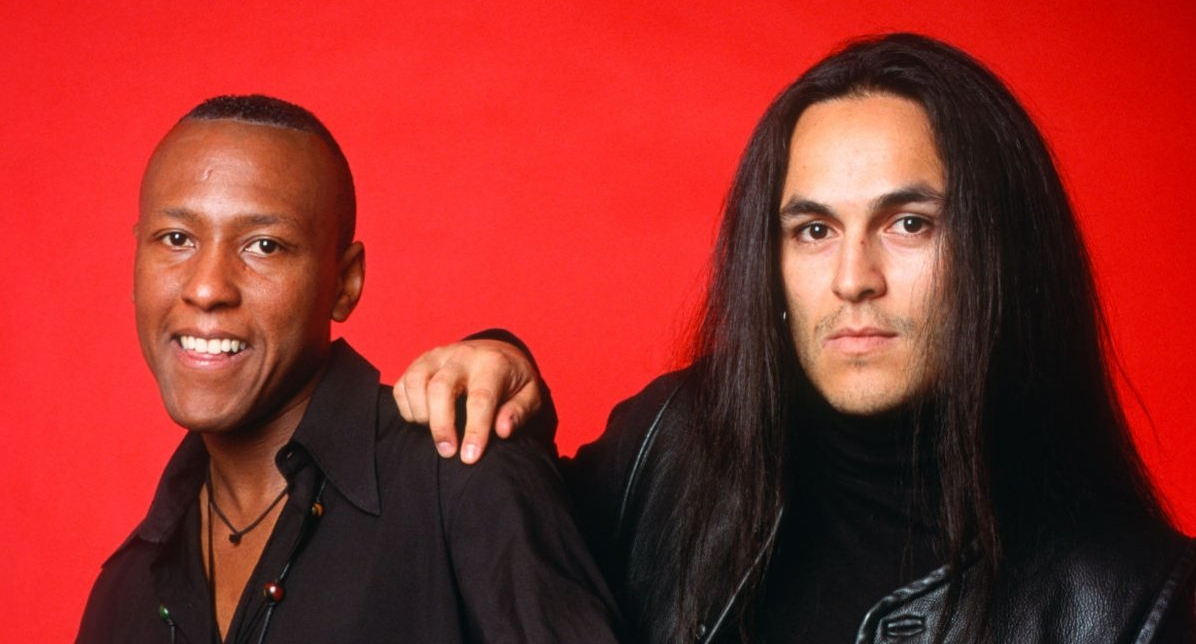
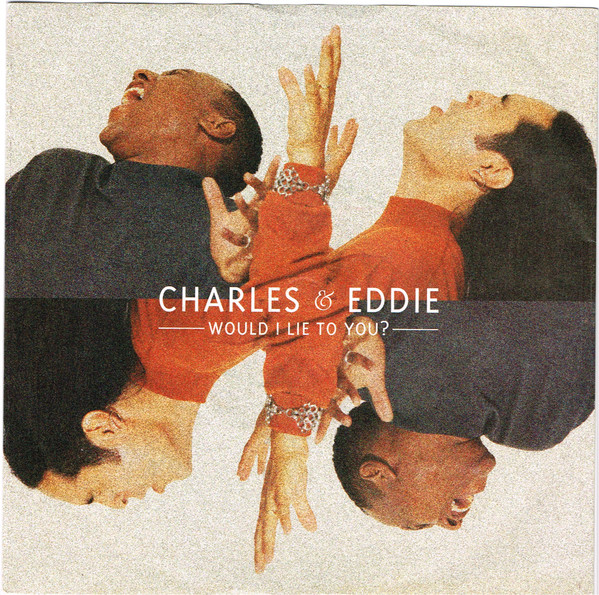
683. ‘Would I Lie to You?’, by Charles & Eddie

Well, would you look at that. We’ve literally just had the 1990’s biggest R&B/pop/soul hybrid act at number one – Boyz II Men with ‘End of the Road’ – but it turns out that they were but a warm-up act for… checks notes… the decade’s greatest soul single.

Would I Lie to You?, by Charles & Eddie (their 1st and only #1)

2 weeks, from 15th – 29th November 1992

Usually I see a great song coming, and semi-prepare what I’m going to write in advance. You don’t want to do the classics wrong, do you? But despite ‘Would I Lie to You?’ being on the horizon for a while now, and despite me being pretty familiar with it, I was caught off guard by how good it actually is.

The main reason it’s an improvement on ‘End of the Road’, is that it doesn’t go down the default drippy approach of so much ‘90s soul and R&B. The sort of slushy sentiment that Boyz II Men excelled at. No, Charles & Eddie keep things sassy and upbeat in the verses: Everbody’s got their history, On every page a mystery…  Before switching to a heartstring-tugging bridge: I’m tellin’ you baby, You will never find another girl, In this heart of mine…

And OK, the lyrics in the chorus are stock-standard love song: Don’t you know it’s true, Girl there’s no-one else but you… but they’re wrapped up in such a timeless melody that you don’t really notice. Plus, whether or not Charles and Eddie are indeed telling the truth is never established. Part of this song’s attraction, to a cynical mind like mine anyway, is that behind their honeyed voices and gorgeous harmonies they could be full of shit…

But back to that word ‘timeless’. That’s the other, even greater, attraction that this record has. It borrows the best of sixties and seventies soul, of Motown and the Temptations (and with the gospel backing, the organ and the near calypso-sounding drum break it is pretty much a soul music ‘How To…’ guide), but it still sounds perfectly placed in the early ‘90s. It’s authentic enough to stand up on its own, and to not sound like a well-intentioned pastiche. In short, it’s a brilliant record.

Charles Pettigrew and Eddie Chacon met on the New York subway in 1990, when one spotted the other carrying a Marvin Gaye LP. Which for an origin story sounds as great as it does unlikely. Members of twelve-year-old Chacon’s first band, interestingly, went on to join Metallica and Faith No More. He and Charles are, like Tasmin Archer a couple of posts previously, marked down as one-hit wonders, despite producing two studio albums, and three further Top 40 hits.

They split in 1999, with Chacon continuing to work intermittently, and he has released two well-received solo albums in the 2020s. Sadly, Pettigrew died of cancer two years after their split, aged just thirty-seven. This post then can hopefully serve as a tribute, to him, and to the greatest soul chart-topper of the decade.

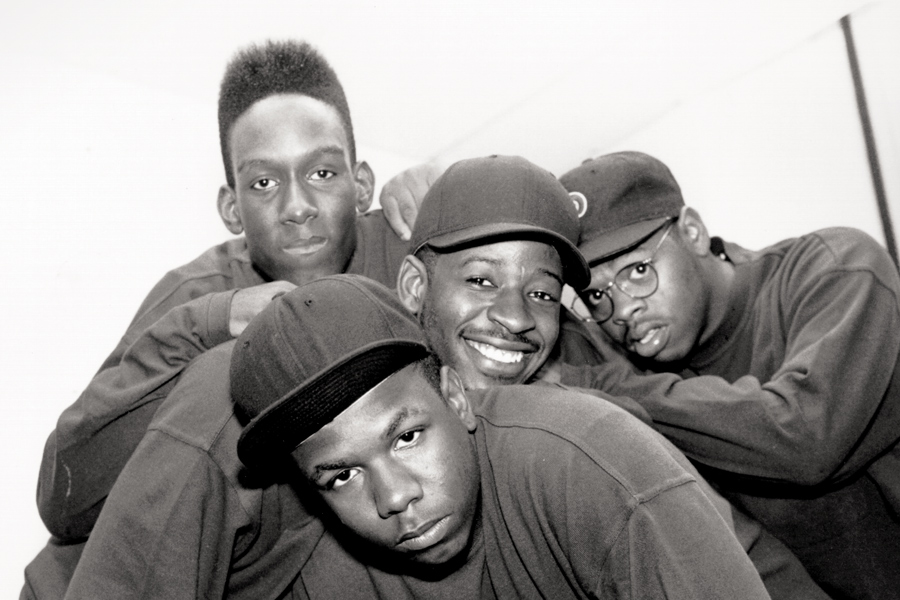
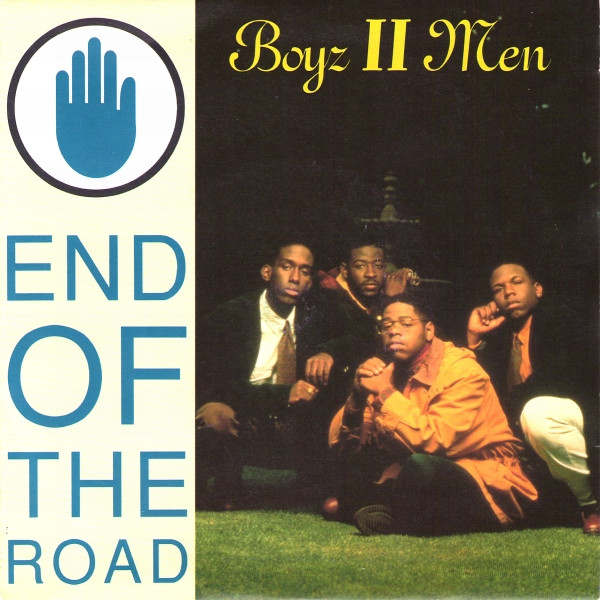
682. ‘End of the Road’, by Boyz II Men

Things are getting very nineties around here: from iconic dance hits, to adult, dinner-party pop, to this… Yes, it’s time to sound the boyband klaxon!

End of the Road, by Boyz II Men (their 1st and only #1)

3 weeks, from 25th October – 15th November 1992

When I think of ‘90s boybands’, the first ones that spring to mind are all homegrown: Take That, East 17, 5ive, Boyzone (OK, Irish but still…) Yet all four of the boyband #1s that we’ve covered so far have been by Americans. And they’re getting progressively more sophisticated and mature – from NKOTB, to Color Me Badd, and now Boyz II Men. So much so that it feels slightly unfair to label these dudes as a ‘boyband’.

Except, the name, Boyz II Men, is pure ‘90s Boyband. Is there a ‘z’ in place of the ‘s’…? Check. Are there numbers and/or symbols…? Check. Is it memorably cheesy…? Check check check. Still, musically, this is a big improvement on ‘I Wanna Sex You Up’. It’s an update on the classic sixties/seventies vocal group sound: great voices, and great harmonies, with bass, tenors and baritones swooping all around one another.

If this was a one-off smash by a one-hit wonder, then I might be more effusive in praising it. It is a good record, a well-produced, well-written, well-performed pop song with a soaring bridge, and a catchy chorus: Although we’ve come, To the end of the road… It also has a great spoken word section (and intro, on the album version) in which bass vocalist Michael McCary does his best Barry White: All those times… You ran out with that other fella, Baby I knew about it…

The reason why I’m feeling a bit down on this record is because I know that this was not Boyz II Men’s only hit. And most of those other hits sound very much like ‘End of the Road’. They had a sound, and they rinsed the arse off it: ‘One Sweet Day’, ‘On Bended Knee’, ‘Water Runs Dry’… The one Boyz II Men song that I like more than ‘End of the Road’ is the preposterous ‘I’ll Make Love To You’, which basically sounds like someone doing a Boyz II Men parody.

At least in the UK this was the Boyz only visit to the top of the charts, and the first of just three Top 10 hits. Compare and contrast this with their complete domination of the Billboard charts in the mid-nineties. Two of their singles (including this one) set records for most consecutive weeks at #1. They were the first act since The Beatles to replace themselves at the top. Their five chart-toppers spent a combined 50 (fifty!) weeks at number one…

Thank God, then, for their less-fanatic British fans. They sent the band’s (second) best single to number one, for a perfectly sensible three weeks. And we can appreciate it for the fine piece of soul/R&B that it is. Plus, it was technically a Motown release, giving that legendary label its first UK #1 since ‘I Just Called to Say I Love You’ and, unless anyone wants to tell me otherwise, its last.

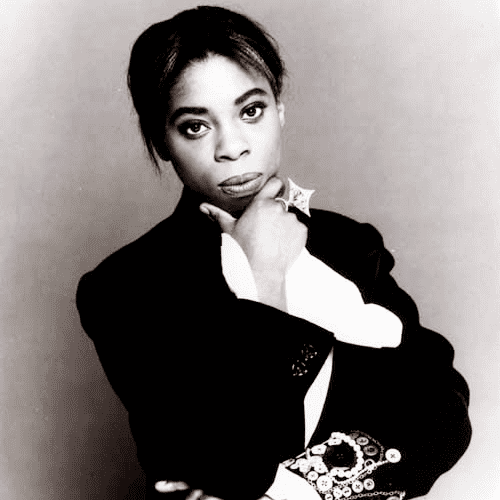
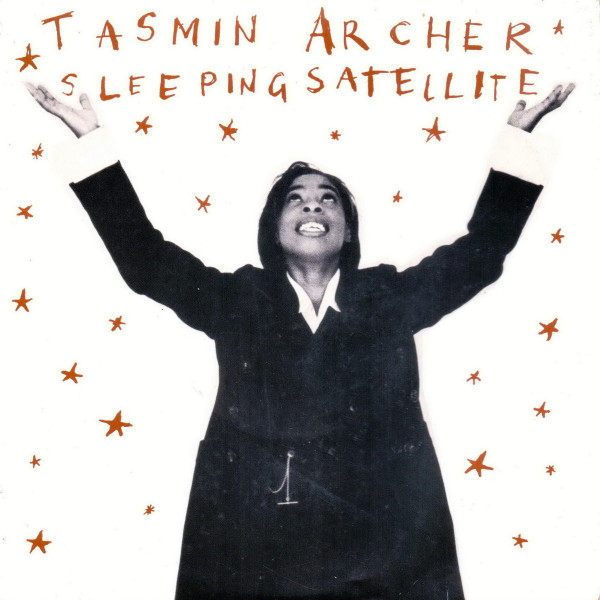
681. ‘Sleeping Satellite’, by Tasmin Archer

It’s fair to say we needed a bit of a chillout, after cutting all those mad shapes to our past couple of chart-toppers, ‘Rhythm Is a Dancer’ and ‘Ebeneezer Goode’. Enter Tasmin Archer then, with ‘Sleeping Satellite’.

Sleeping Satellite, by Tasmin Archer (her 1st and only #1)

2 weeks, from 11th – 25th October 1992

First things first, this is just as ‘nineties’ as the rave anthem that preceded it. The trip-hop drums and light guitars, for a start, and the way Archer sings the verses quietly before ending them LOUDLY. It’s very nu-soul, in the same vein perhaps as Lisa Stansfield’s semi-recent #1, and the lyrics are quite new-age – a genre that’s been popping up ever since Enya in 1988. It’s grown up, is what it is. Your mum might say she’d heard it on the radio the other morning, and quite liked it. Certainly no schoolboy innuendo about class-A drugs here.

Archer has a great voice, with a rasp that kicks in on those loud bits. You could perhaps accuse her of over-singing, but she gives the song an energy that stops it from becoming too MOR (you know, ‘mum oriented-rock’…) Because, let’s be honest, the lyrics are wishy-washy. I blame you for the moonlit sky, And the dream that died, With the eagles’ flights… She’s referencing the moon landings – the ‘Sleeping Satellite’ of the title is our very own moon – and the fact that we’re neglecting Earth in favour of space adventure. Though, to be fair, the lines in which she seems to be predicting an apocalypse don’t seem too far off, thirty years on…

I like the organ that kicks in, and the power chords that offer some oomph as the song grows. It goes on a bit too long, though, and ultimately the message gets lost in the perfectly pleasant melody. It’s one of those songs, outside Christmas classics, and the various summer-themed number ones, that perfectly suits the time of year that it reached top spot. This was an autumn #1, ideal as the nights started to draw in. I’d also suggest that it joins the likes of ‘Baby Jump’, Slik, and Boris Gardner, as one of the most-forgotten number ones of its time.

‘Sleeping Satellite’ was Tasmin Archer’s debut release, with her having previously worked as a backing singer and recording studio assistant in Bradford. She’s labelled as a one-hit wonder, which is unfair as her follow-up single made the Top 20. In fact she has five Top 40 hits, and a 1993 Brit Award for Best Breakthrough Act. She released her most recent album in 2006, before announcing that she was going into TV and film soundtrack work.

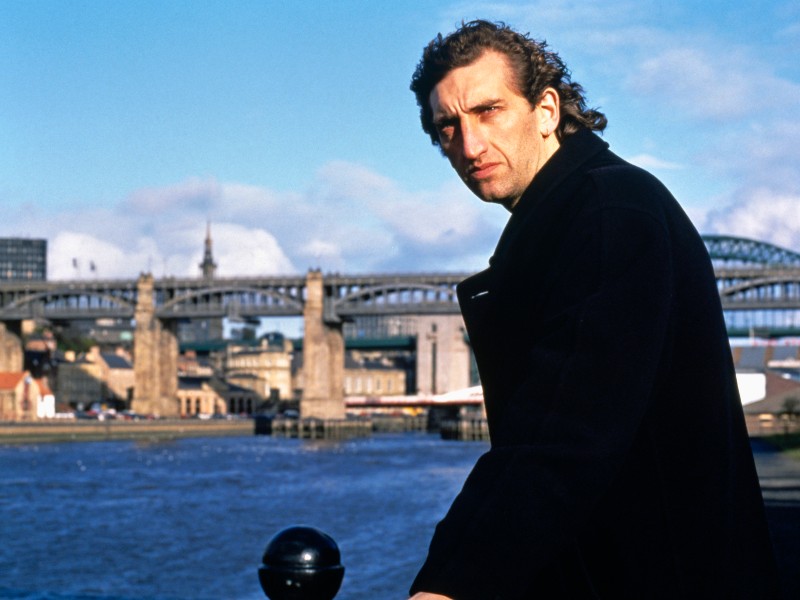
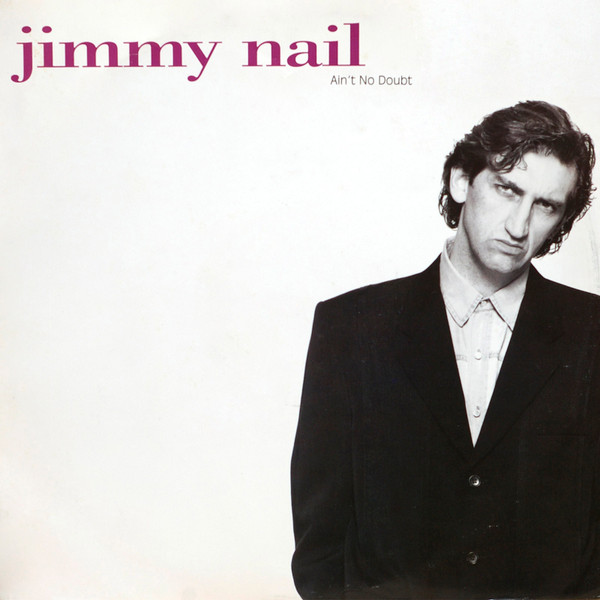
678. ‘Ain’t No Doubt’, by Jimmy Nail

This next number one arrives shrouded in mystery… I was alive and kicking in the summer of 1992, all of six and a half years old, but the names Jimmy Nail and ‘Ain’t No Doubt’ don’t really chime with me at all…

Ain’t No Doubt, by Jimmy Nail (his 1st and only #1)

3 weeks, from 12th July – 2nd August 1992

I know he’s an actor, but for some reason I had Jimmy Nail down as the guy who played Crocodile Dundee. (He clearly wasn’t – he’s from Newcastle-upon-Tyne; not Newcastle, New South Wales – and my mistake comes from the fact that one of his later hits was ‘Crocodile Shoes’.) And when you see the terms ‘actor’ and ‘number one single’ together, knowing what we’ve heard from Telly Savalas, David Soul, Nick Berry and the like, the blood does tend to run cold…

But, in fairness, this quite a sophisticated, adult-orientated pop song. There’s a very early-nineties beat, with horns and heavy piano chords, alongside nods to seventies soul and disco. Nail talks his way through the verses, Geordie accent and all, describing a relationship gone sour: Oh yeah, I know a goodbye when I hear it… Which leads me to wonder if he can actually sing. Then the chorus comes along and blows my doubts away – Jimmy’s got a set of pipes on him.

Said chorus is slightly bizarre though, as the Ain’t no doubt it’s plain to see, A woman like you is no good for me line follows the call-and-response rhythms used by marching soldiers. ‘I don’t know what I’ve been told…’ followed by something saucy about Eskimos, etc. etc. Nail admitted that he wrote the song shortly after watching ‘Full Metal Jacket’. It gives the song a clear hook, but it comes off as a little gimmicky to my ears.

Pre-listening, I did wonder if this might be a novelty record, a comedy cash-in on an actor’s fame. It isn’t, but the marching beat chorus, along with the bridge where a female singer trills sweet nothings (I don’t want nobody else, I love you… while Nail replies with a deadpan: She’s lying…) add a comedy element to it, intentionally or not. Still, it’s a very listenable record, far above some of the earlier chart-toppers sung by actors, one that’s improving with each listen I give it.

Jimmy Nail was no stranger to chart success, having scored a #3 hit in 1985 with a cover of Rose Royce’s ‘Love Don’t Live Here No More’, after he’d found fame in the comedy ‘Auf Wiedersehen, Pet’ (which, to be honest, I should have known him from, as my parents were big fans). He resurrected his music career with this single, after starring in police drama ‘Spender’, while his last big hit would come in 1994, from the aforementioned ‘Crocodile Shoes’ (not, sadly, ‘Crocodile Dundee’). I’m sure the reason why I’m so foggy on Jimmy Nail is the fact that he retired sometime in the ‘00s, and rarely appears on TV or film these days.

The 1990s will keep up the tradition of actors becoming singers, which has been with us since the earliest days of the charts, with mixed results. We have of course recently seen Kylie and Jason become mega stars, while we will probably look back very fondly on Jimmy Nail after dealing with the likes of Robson and Jerome, and Martine McCutcheon…

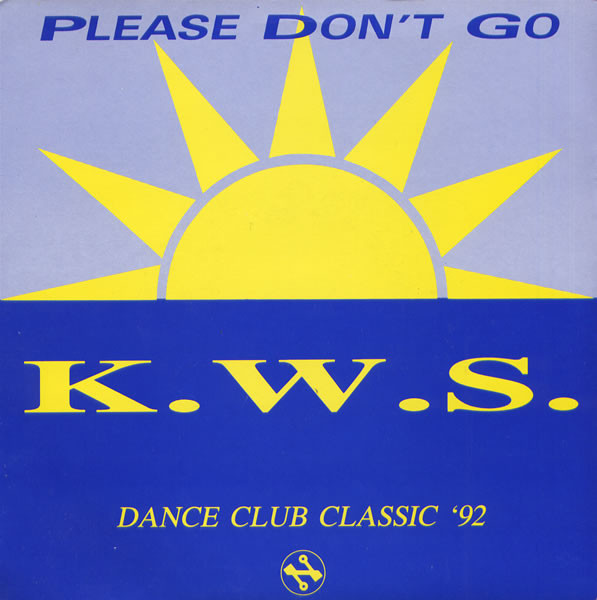
676. ‘Please Don’t Go’ / ‘Game Boy’, by KWS

Do my ears deceive me, or are we entering yet another new phase in dance? As someone who isn’t that into dance music, the way in which I’ve been noticing new trends in the genre has surprised me… From house in the mid-80s, to sampling, to the rave influenced early nineties hits… And now we enter the ‘golden age of dance’.

Please Don’t Go / Game Boy, by KWS (their 1st and only #1)

5 weeks, from 3rd May – 7th June 1992

I don’t think people actually call it that. But between 1992 and 1997, even though Britpop is what the 1990s are remembered for, it was dance music that ruled the charts. And I’d say it starts here, with what is a fairly lacklustre remake of a KC & The Sunshine Band hit from a decade or so earlier…

Even as someone who doesn’t love dance music, I’m excited at the prospect of covering some of the dance number ones on the horizon: the Prodigy, Chemical Brothers… 2 Unlimited. But for every fun and fresh electronic #1, there are lazy remakes like this. It’s got a fairly low beats-per-minute – though not slow enough to be ‘chillout’ – it’s got elements of house, a hint of trance… It dabbles in different styles, but doesn’t commit to any, and ends up quite dull. (To be fair, the original is also fairly pedestrian, compared to KC’s more famous hits. It made #3 in 1980, and was also the first Billboard chart-topper of the ‘80s.)

And yet, this fairly forgettable tune was number one for five weeks… Perhaps now is as good a time as any to address the elephant in the room. We’re almost halfway through 1992, and we’ve only had four number ones. As I mentioned in an earlier post, 1992’s turnover is the slowest for thirty years, and it’s down to two things. We’re in one of those slumps that come along every decade or so: think the early sixties, between rock ‘n’ roll and the Beatles, or the mid-seventies, between glam and new wave. Currently we’re puttering around lost between the SAW-led late-‘80s and Britpop.

In addition, the way people were buying music was changing. After decades as the main format, vinyl ‘45s were slowly being phased out in favour of CD singles. At the peak of vinyl’s popularity, in the late 1970s, an act had to sell an average of 150k copies to make number one; in 1992 it was taking only 60-70k. By the end of this decade, the CD will be at its peak, and the turnover of #1s will be at record-breaking levels (1992 has twelve #1s, 2000 has forty-two!) There will be a similar slow-down in the mid-00s, as CDs die and downloads take over, and then again in the late 2010s as streaming becomes the default for how we consume music.

Anyway, after that detour into chart logistics, we mustn’t forget that this was a double-‘A’ side, and we have another song to write about. A song that is bloody hard to track down. Nothing on Spotify, and one trippy YouTube video, which leads me to assume that ‘Game Boy’ didn’t get much airtime when ‘Please Don’t Go’ was riding high in the charts. And when I listen to it, my doubts are confirmed. It’s probably the closest we’ll ever come to a happy hardcore #1. It’s an instrumental – been a while since we featured one of those – and it feels almost retro in the way it appears to be a bunch of samples strung together to make a hot mess of a tune.

I like it, more than its flip-side, for about a minute. Then it outstays its welcome. Who decides when a ‘B’-side becomes a double-‘A’? Record companies? The band? The charts themselves? Because I’d file this with ‘Girls’ School’ and ‘Anitina’ as an ‘A’-side that is much less well-known than many ‘B’-sides. But it’s there, in the record books, and we have to cover it. And it is, like I said, an aggressive style of dance that wouldn’t have otherwise featured at #1. Plus, it references the classic game console of the age in its title, which is nice.

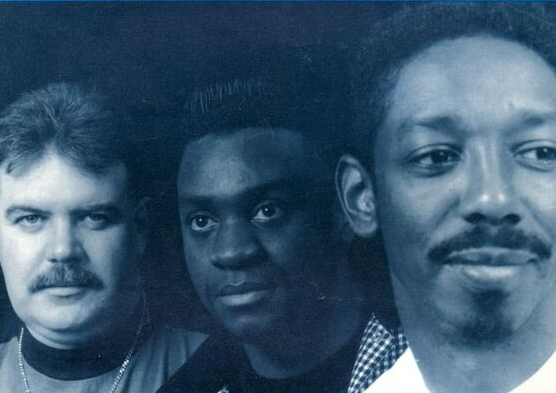
KWS were a trio from Nottingham, named in ABBA-style as an acronym of the members’ surnames, and this was their first ever chart hit. They owed their chart fortunes to the fact that an Italian group called Double You had covered ‘Please Don’t Go’, but their record company had failed to secure UK distribution. KWS stepped in to record a remarkably similar sounding version, resulting in three years of legal action. By the time the record labels had settled up, KWS had long since ceased to be a chart concern. Their only other Top 10 hit was another remake of a much older dance tune, George McCrae’s early disco hit ‘Rock Your Baby’.