In 1992, to celebrate the 40th anniversary of the UK Singles Chart, the NME released ‘Ruby Trax’: an album of forty cover versions of number one singles. It featured acts as diverse as Billy Bragg, Dannii Minogue, and the Jesus and Mary Chain, and it is a wonder. And something I shall be mining for all my upcoming ‘Cover Versions of #1s…’ posts.
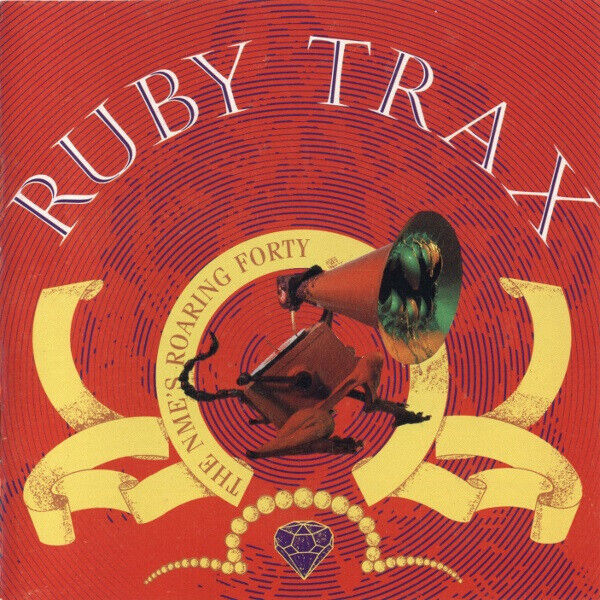
Starting with two covers by two of the early nineties’ biggest alternative bands. November 1992 saw British rock on the verge of a big shift. The following May, Blur would release the first of their Britpop trilogy, ‘Modern Life Is Rubbish’, shortly after the arrival of the eponymous debut LP from Suede.
Suede had only released two singles when they contributed this cover of the Pretenders’ ‘Brass in Pocket’ to ‘Ruby Trax’, but they were already darlings of the music press. ‘The Best New Band in Britain’ according to Melody Maker upon the release of their first single (and, in hindsight, probably the very first ‘Britpop’ single) ‘The Drowners’.
Their cover of ‘Brass in Pocket’, is a slow-burn, adding a layer of menace that the more upbeat, seize-the-day feel of the original lacks. Brett Anderson’s voice, though, has persuasive charm like Chrissie Hynde, albeit the persuasive charm of someone begging you for drugs at a party (note also the subtle lyrics changes that add some early-nineties edge). This cover wasn’t released as a single, but was included on a 2018 re-issue of Suede’s debut album.
The only single released from ‘Ruby Trax’ was by perhaps the hottest band in Britain in 1992: Manic Street Preachers. Their take on ‘Suicide is Painless’, AKA the theme from ‘M*A*S*H’, became the band’s first Top 10 hit, peaking at #7.
I’m reluctant to ever claim a cover version as ‘better’ than an original – can you ‘better’ something that isn’t your original work? – but I will say that the Manics’ version sounds much more how I imagine a song titled ‘Suicide Is Painless’ should sound. Despite the sombre topic, the light arrangment and the choral voices of the original theme mean it can’t help sounding like a TV show theme. Which, I’ll admit, was probably the point.
In the Manics’ hands, overwrought lyrics like The game of life is hard to play, I’m gonna lose it anyway… hit home. Even the clunky title line Suicide is painless, It brings on many changes… works. Just about. Of course, knowing now the widely-believed fate of Richey Edwards adds a very sad edge to the Manics singing a song about suicide. Here though, Edwards joins the band in bringing the song to a garage rock crescendo.
I hope you enjoyed these two covers, especially if they’re new to you. If anything, it’s been nice to break up the relentless pop and dance of the year 2000’s chart-toppers for a moment… A very brief moment. I’ll feature some more covers from ‘Ruby Trax’ later in the year.


 The UK Number Ones Blog