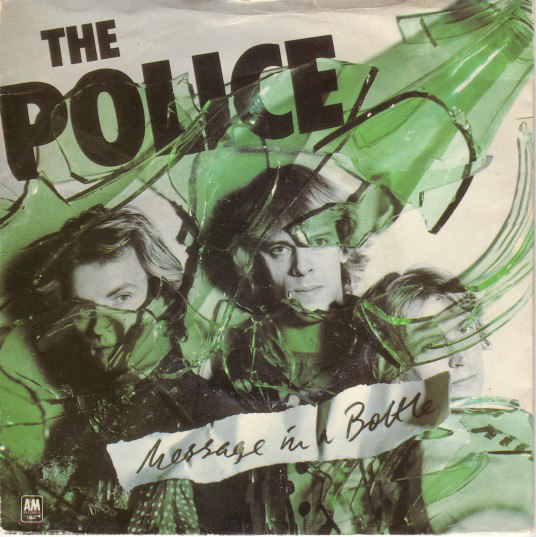
443. ‘Message in a Bottle’, by The Police

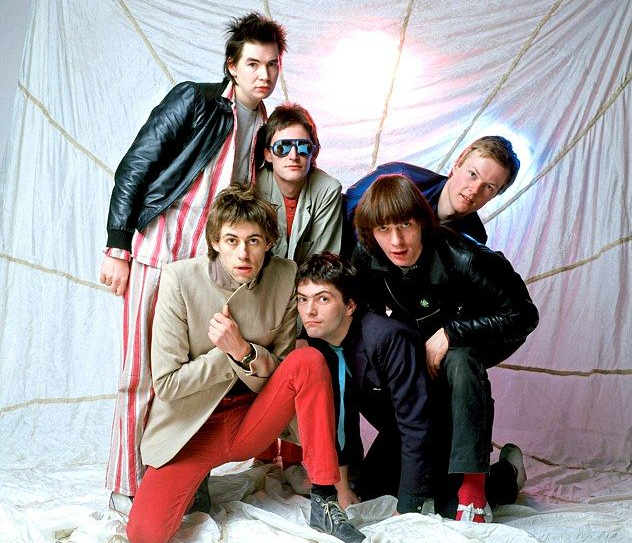
The New Wave revolution takes another swerve. The Police score their first number one with some reggae-rock. (Not Ska, though. It is, apparently, very important not to call this Ska.)
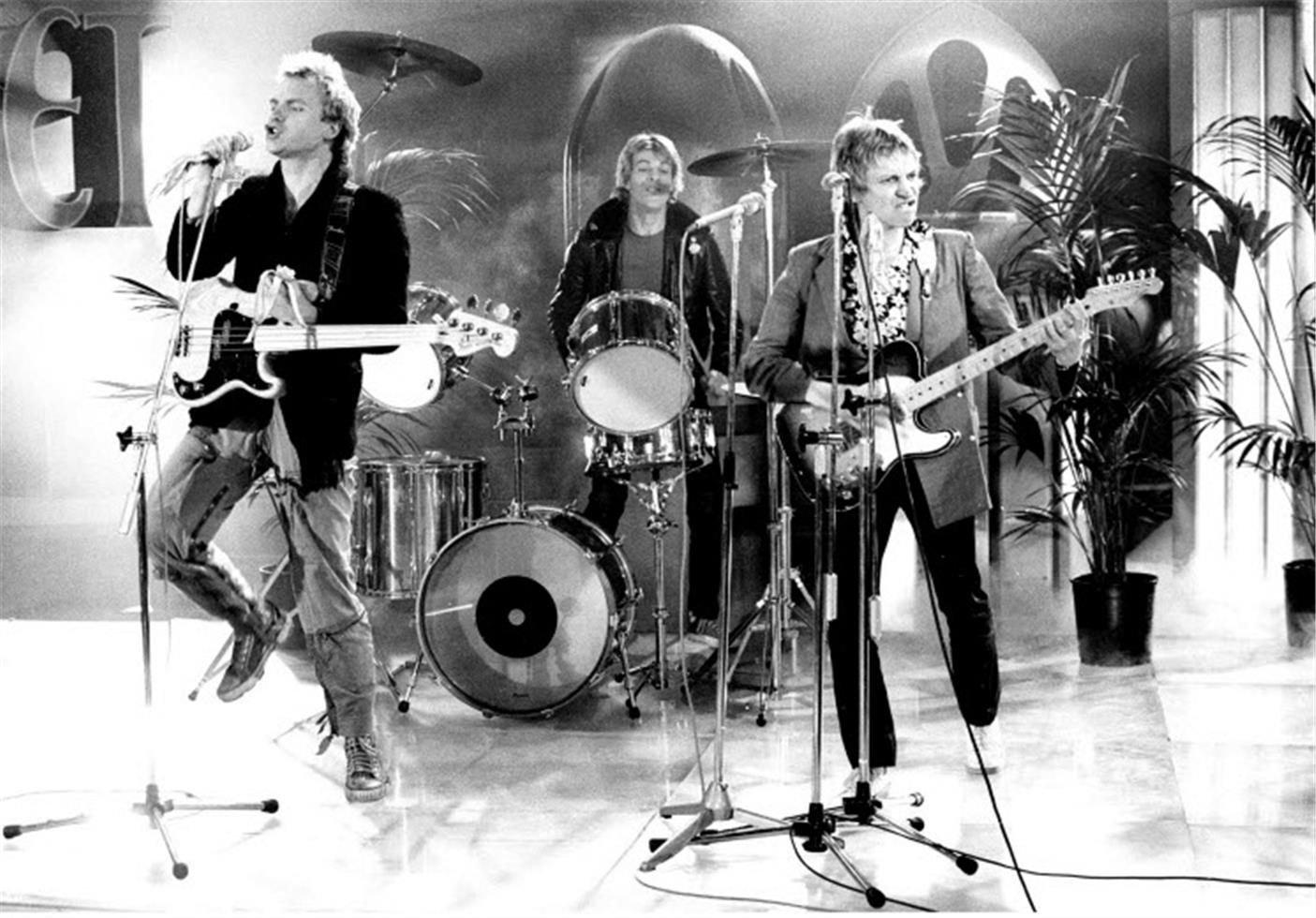
Message in a Bottle, by The Police (their 1st of five #1s)

3 weeks, from 23rd September – 14th October 1979

Vocally, we also have another interesting fusion: Geordie-Jamaican. It’s Sting, of course, really laying it on thick in the verses. Just a castaway, On an island lost at sea, Oh… (The rhyming of ‘sea, oh’ with ‘me, oh’ and I can’t help but hear the ‘Banana Boat Song’) Can I just admit right here that The Police are a band I… struggle with? They leave me a bit cold. Admittedly I wasn’t brought up on them, have never gone beyond the big hits – even this is a song I hadn’t heard too often before – and I wonder if my problem is with Sting more than his band… (See also: U2)

I shall use this blog, and their five chart-toppers, to try and improve my opinion of them. And it doesn’t take me long to find something to love here: the driving, punky guitars in the bridge – I’ll send an SOS to the world… – are great, as is Sting’s bass. But it stands right out for me, because the rest of the song is quite plodding in places. The band are marooned on a desert island, and send out messages in bottles, hoping for a connection…

Come verse three and lo! Walked out this morning, Don’t believe what I saw, Hundred billion bottles washed up on the shore… It seems they weren’t alone in being alone. We’re all waiting for a message in a bottle. It’s kinda deep… (Though for a hundred billion bottles to have washed up means every human on the planet – going by 1979 population levels – had to have sent around twenty-three bottles each…)
Anyway, this is yet another patch of fallout from the punk explosion. Mix it in with other acts who have appeared in recent months: The Boomtown Rats, Ian Dury, Gary Numan, and of course Blondie. Actually, Blondie and The Police draw a good few comparisons: both post-punk, both red-hot for a few years at the turn of the decade, both with five #1s (at least initially, in Blondie’s case) For me, though, it’s Blondie all the way.

But, these views are mine and mine alone. ‘Message in a Bottle’ is objectively a good song, well-written rock with an effective hook. I am looking forward to getting to grips with more Police in the coming months, and hopefully enjoying it, as we’ll be hearing a lot more from the former Gordon Sumner and his bandmates. Bring it on.
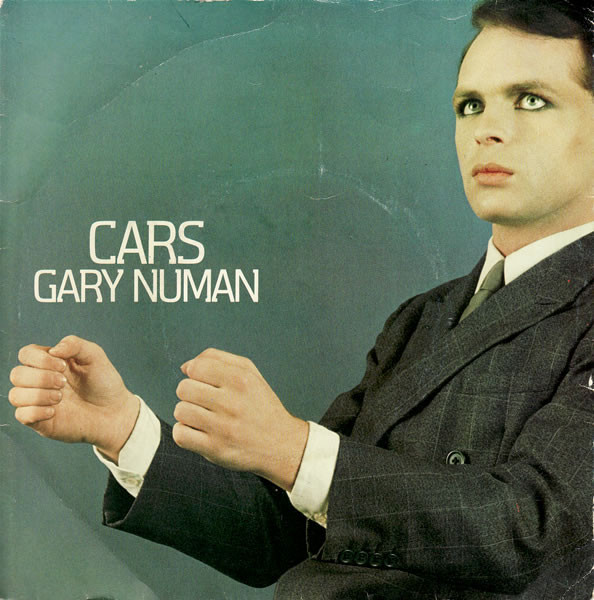
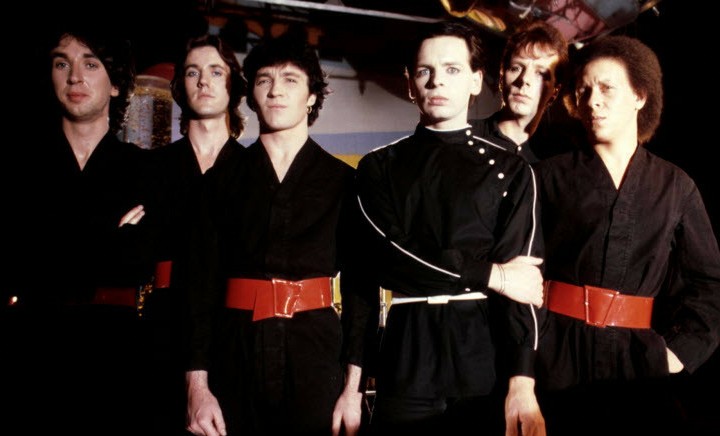
442. ‘Cars’, by Gary Numan

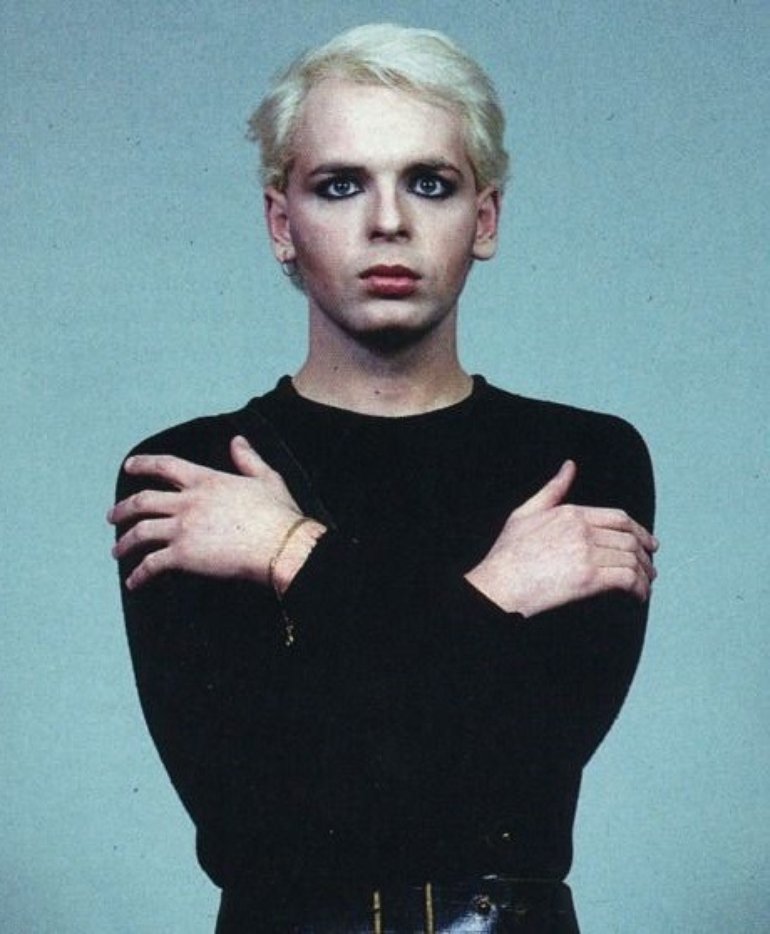
Gary Numan returns to the top of the singles chart, after doing so alongside his Tubeway Army a few weeks back, with another outsider anthem.

Cars, by Gary Numan (his 1st and only #1)

1 week, from 16th – 23rd September 1979

Here in my car, I feel safest of all… He’s locking the modern world away behind four doors and a boot. It’s the only way to live, In cars… It’s another memorable electronic riff: still clanking and industrial, but a little perkier than ‘Are ‘Friends’ Electric’, poppier even. Numan’s vocals are have lost the conversational tones of his earlier #1, and are full-on Kraftwerk-robot chic.

Here in my car, I can only receive… Is this, maybe, a little bit of a novelty? Is Numan hamming up the extra-terrestrial image he had seen grow around his live performances of ‘Friends’? I don’t know – perhaps that feels harsh. He was inspired to write this song after some unsavoury types had tried to drag him from his car… Had ‘Cars’ come first then maybe it’d sound just as ground-breaking. But… if you were to write a piss-take of a song by Gary Numan, it might sound a lot like this record.

As in ‘Friends’, there are variations on the main riff throughout the song. One is the grinding, clanking trip through a car factory without noise-cancelling headphones. One is a high-pitched counterpoint to this; that one sounds as if you’re speeding down a motorway at night. And then there’s the disco bit, the riff that reminds me of ‘Funkytown’, by Lipps Inc (which wasn’t released until November ’79 – maybe they’d heard ‘Cars’ while recording…)

This record is actually two-thirds instrumental. Once Numan has intoned his way through three verses (no choruses here), the synths take over and you just got to let them wash over you, man. I want to like this more; but with each listen I find my attention wandering by the end. Who am I to judge, though? ‘Cars’ has charted three times in the UK, and remains a staple of adverts, Best Ofs, and Numan’s live shows to this day. And it’s certainly a fine addition to the rich tapestry that is 1979’s chart-toppers.

This is credited to Numan, solo, but still features half of the Tubeway Army on the record. You could argue that both of his quick-fire #1s could be credited to either Numan or his Army, but hey. He remains active to this day, a synth pop legend, and many of the acts who will make this the sound of the early eighties owe him a debt. And if that’s not cool enough for you, how about the fact that, after helping invent synth-pop, he got his pilots’ license and set up own airline, Numanair, in 1981…

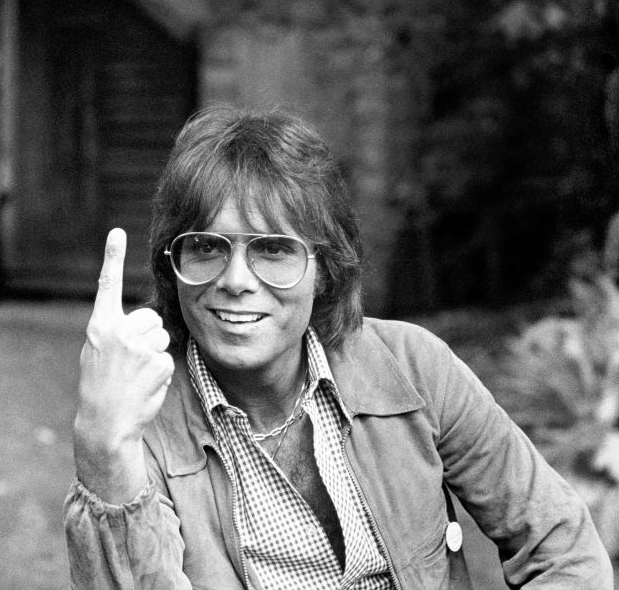
441. ‘We Don’t Talk Anymore’, by Cliff Richard

Twenty years to the day from his very first number one hit, ‘Living Doll’, and over eleven years since his last, Sir Clifford of Richard is back, back, back…

We Don’t Talk Anymore, by Cliff Richard (his 10th of fourteen #1s)

4 weeks, from 19th August – 16th September 1979

The first thing that strikes my ears is how modern this sounds – synths are now just an accepted part of the musical landscape – but also how retro. Especially in the verses, it sounds like one of his old rock ‘n’ roll hits dressed up for the late-seventies. Used to think that life was sweet, Used to think we were so complete… he sings over a simple guitar riff, while hand claps enter later on.

It’s a canny move from Cliff and his record label to release a song like this, one that straddles the sort of easy-listening cheese you expect from the man, but that also slots in perfectly with the sound of the time. The chorus is a belter: It’s so funny, How we don’t talk anymore… At certain points in the song I’m getting hints of Billy Joel, then Hall and Oates, but by the chorus Cliff’s giving us pure Elton John: No I ain’t losin’ sleep, And I ain’t countin’ sheep…!

The synths are maybe a bit tinny – though that’s perhaps because I still have the Tubeway Army ringing in my ears – but aside from that I’m not ashamed to admit that this is a tune. I knew it vaguely, because my mum is a big Cliff fan, but had never properly listened to it. Richard sounds like he’s having a lot of fun, and his falsetto after the post-chorus drop is perhaps the best five seconds from any of his fourteen chart-toppers. Damn it… Cliff sounds… Cool! And then the fade-out has actual hard rock guitars. Hard rock. Cliff Richard. What a moment…

I am amazed to discover that he was still only thirty-eight when ‘We Don’t Talk Anymore’ made the top. In my mind, Cliff was a teenage idol for a few years, before waking up one day around 1965 as an old man. Anyway, as young as he still was, this record marked a bit of a comeback for him after a decade in which he’d struggled for hits. It was his first Top 10 single since ‘Devil Woman’ in 1976, and is possibly his biggest hit internationally: a #1 across Europe, and a #7 in the US – only his 2nd release to get that high in the States.

Cliff is famous for managing UK number one singles in five consecutive decades – a feat that nobody else has ever managed – but he left it late in the ‘70s. In a nice touch, the record that kept the run going was produced by Bruce Welsh from his long-time backing band The Shadows, with whom he shared so many ‘60s hits. Amazingly, this is the decade in which Cliff has fewest chart-toppers: in both the eighties and nineties he’ll manage two, while his final #1 is another twenty years away. Whatever you think of the man, his beliefs, and his music… There’s no denying his legend.

And there’s no denying that this might be the best of his fourteen chart-toppers. I say that because none of his earlier hits truly grabbed me – though I do like the rockabilly ‘Please Don’t Tease’ and the unashamed cheese of ‘Congratulations’ – and because I know… shudder… what’s to come… Yes, Cliff’s far from done featuring in this countdown; but I will be nowhere near as generous with his final chart-toppers…!

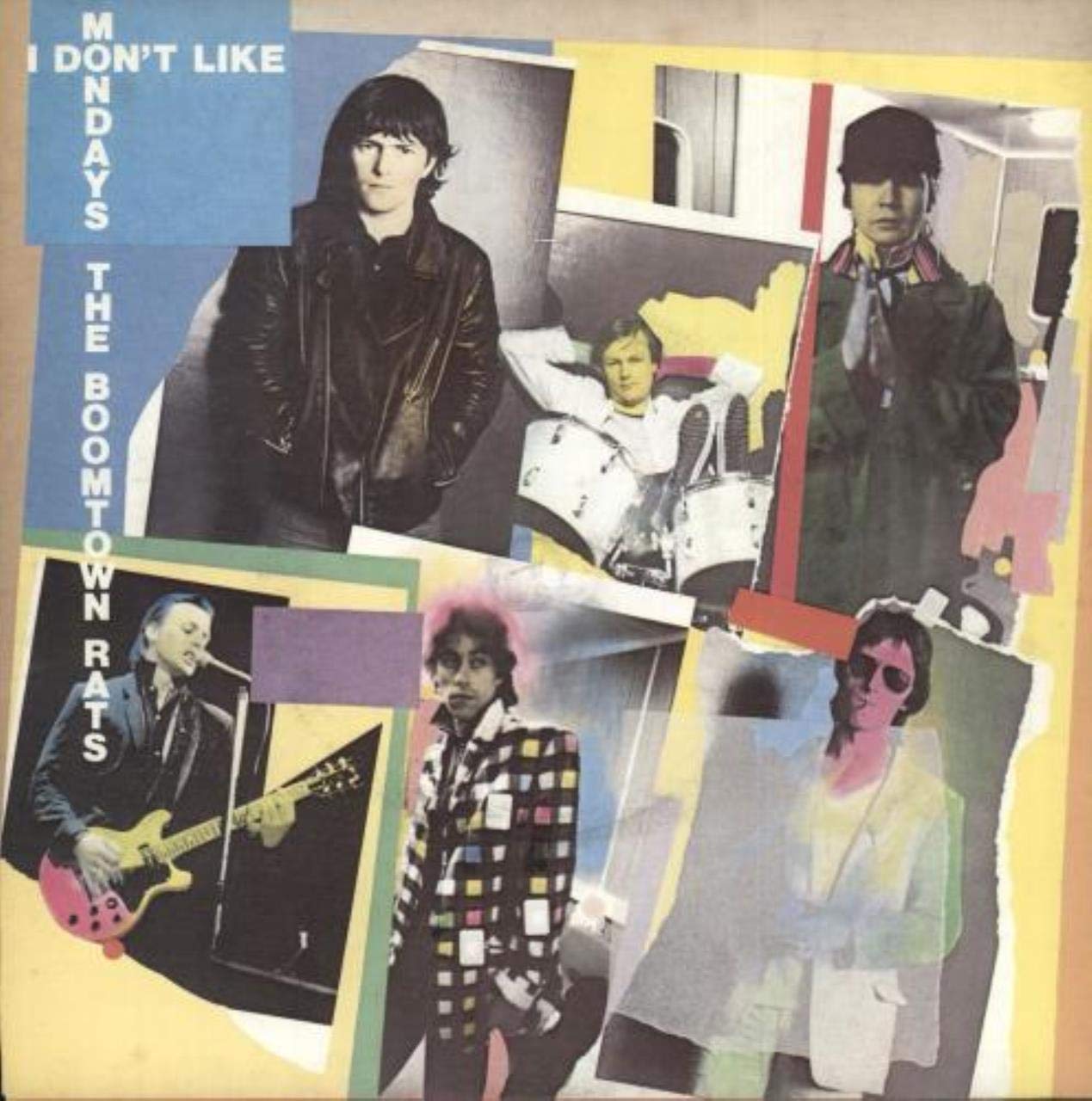
440. ‘I Don’t Like Mondays’, by The Boomtown Rats

From a song about robot prostitutes, to a song about a school shooter… Ladies and gentleman, the summer of ’79!

I Don’t Like Mondays, by The Boomtown Rats (their 2nd and final #1)

4 weeks, from 22nd July – 19th August 1979

It’s a dramatic intro: all piano cascades and flourishes, but twisted and taunting compared to, say, ‘I Will Survive’s famous flutter. They then gather speed, twined with ominous strings, and it all sounds like the start of a Jim Steinman rock opera, while sounding nothing like Boomtown Rats’ first chart-topper, ‘Rat Trap’.

Not only is there a memorable intro; the opening lyrics are also very ear-catching. The silicon chip inside her head, Gets switched to overload… A young girl – perhaps it’s Judy from ‘Rat Trap’? – has had enough. Nobody’s going to go to school today, She’s gonna make them stay at home… Bob Geldof doesn’t just look like a young Mick Jagger, he also sounds like an Irish version of the Stones’ frontman here…

Tell me why… I don’t like Monday’s! It’s a chorus that’s entered popular culture, one that you mighty mutter to yourself at the start of the week as you close the front door. And yet, I wasn’t exaggerating in my introduction. The song is based on true events from January 1979, when a sixteen-year-old girl opened fire on an elementary school playground in San Diego, killing two people and injuring eight children. When asked why she did it she replied: ‘I just don’t like Mondays…’ Think of that next time you whistle this in your driveway…

This is a great song, a brilliantly confident number one by a band flitting between genres, drunk on musical possibilities. Again it’s a ‘new wave’ band putting the old guard to shame with their inventiveness. It is a bit over the top at times, though – the strings and piano make it feel like a showtune – and Geldof does ham it up, especially when we get to the actual shooting: The lesson today is HOW TO DIE!! (OK, Bob. We get it…) But if the worst thing you can say about a song is that it’s a bit much, then you’re onto a good thing.

The more I listen to this, the more I wonder if there’s a knowing nod to last year’s big High School #1 hits (y’know, the ‘Grease’ ones) in the cutesy handclaps, the doo-wop backing vocals, and ironic lines like: Sweet sixteen, Ain’t that peachy keen… Maybe ‘Summer Nights’ would be even better if it had a line about blowing your classmates’ brains out? Anyway, Geldof later expressed regret at writing his band’s signature hit, as it gave the real-life shooter, Brenda Ann Spencer, further exposure. Allegedly Spencer even wrote to Geldof to thank him for making her even more famous…

A tawdry underbelly, then, to a very enjoyable song. Not your usual ‘summer anthem’ material, but another glittering jewel in what has been a largely superb run of number ones during the first half of 1979. The Boomtown Rats would go on to have another couple of Top 10 hits in the early eighties before slipping swiftly from view, though they recently reformed and released their first studio album since 1984. Bob Geldof, meanwhile, will still have a large part to play in one of the biggest ever number one hits…

From robotic hookers to murderous teenagers… And if you thought that normal service was going to resume then you’re in for a shock. The summer of ’79 is about to take an even more terrifying twist… Cliff is back! Next time, on the UK Number Ones Blog.

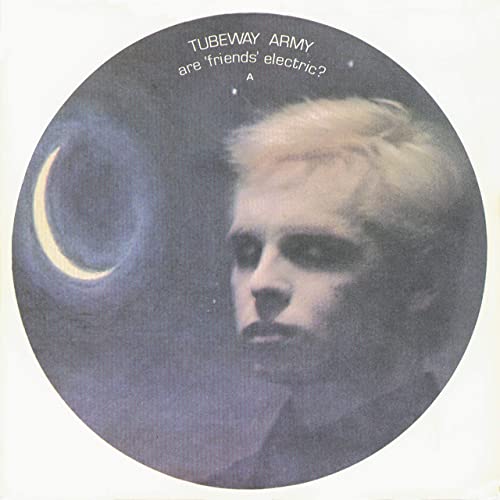
439. ‘Are ‘Friends’ Electric?’, by Tubeway Army

Symbolically whacking Anita Ward’s trashy disco ditty off top-spot… Time for something a bit different. The eighties have arrived.

Are ‘Friends’ Electric?, by Tubeway Army (their 1st and only #1)

4 weeks, from 24th June – 22nd July 1979

There have been synths right through the seventies, from Chicory Tip through to ‘Gonna Make You a Star’ and, most memorably, Donna Summer’s ‘I Feel Love’. But even Giorgio Moroder didn’t use them as aggressively as this. These churning and grinding synths leave you feeling kind of woozy. A riff hammers away, going low like a grinding gearstick, then high like a wonky police siren.

There’s no chorus, no verses or bridge. Just different themes on the same dreamy, trippy riff. But – and I don’t mean this to sound negative – this is a bad dream; one bad trip. Over the top of it, Gary Numan… Sings? Chants? Announces? It’s cold outside, And the paint’s splitting off of my walls…!

What this song is about I have no idea, really. Numan tells a story of a ‘friend’ – note the inverted commas – who may or not be human. The friend is broken down, and he’s lonely. So I head to Google to find out a little bit more… Numan is autistic, apparently, and struggles with interpersonal relationships. So he wrote a song set thirty years ahead, in a dystopian future, in which robots have replaced lovers (hence the ‘friends’). The title references the Philip K. Dick novel ‘Do Androids Dream of Electric Sheep?’ Numan puts it best: “I had a number one single about a robot prostitute and nobody knew it.”

For large parts of the song he also talks, making it a fairly spoken-word heavy #1. So now I’m alone, Now I can think for myself… He sounds – and maybe this is just me – a lot like Marc Bolan. ‘Plummy cockney’ is the way I’d describe it. You see this meant everything to me…

Is it my imagination, or does this song slow down and speed up at random? Each time I listen to it, I notice this effect but in different places. I think I’m just getting lost in its rhythm. I think I might have a nightmare involving this song tonight, and I’m ready for it. Of course, I’m no stranger to the main riff, sampled for Sugababes’ first chart-topper ‘Freak Like Me’, one of the early-2000’s finest pop songs. (Apparently Numan himself classes it as better as this original.)

Tubeway Army were originally a punk act, but Numan found himself increasingly drawn to electronic music. ‘Are ‘Friends’ Electric’ was their first single to make the charts; and their last. However, almost the same band will be back in the number one position in just eight weeks… with a single credited solely to Gary Numan.

Finally, I make this the 5th number one by a New Wave act in the last six months… And if they all haven’t sounded completely different to one another! A fertile time for popular music. I know we have six months left to go, but I’m sticking my neck out now and naming 1979 as the best year of the whole decade, in chart-topper terms…

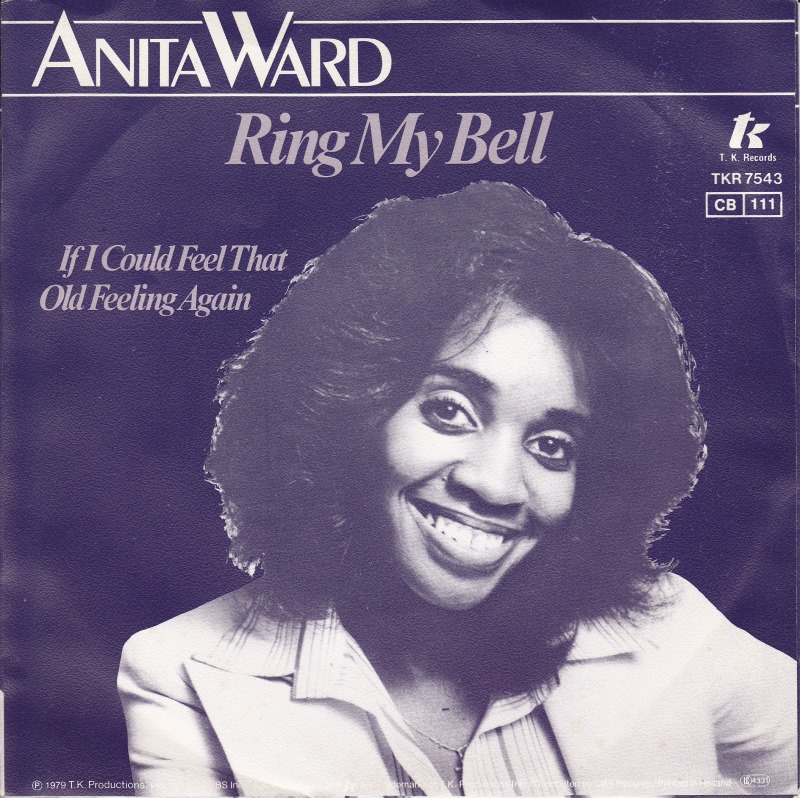
438. ‘Ring My Bell’, by Anita Ward

There are no two ways about it… Our next number one sounds like the soundtrack to a porno. And that’s before we get to any actual bell ringing…

Ring My Bell, by Anita Ward (her 1st and only #1)

2 weeks, from 10th – 24th June 1979

It’s all chucka-chucka guitars, and a distinctive pew pew sound that sounds like a futuristic arcade shooter (apparently it’s an electronic drum giving us this tight beat). They don’t sound much like bells, though. The chimes in the chorus do: You can ring my bell… Ding-dong-ding-dong…

I’m not sure… Should we be treating this as a novelty? It is very in your face in its attempts to be catchy. Plus, Anita Ward’s voice is an acquired taste. She sounds like she’s going for cute and innocent as she welcomes her man home after a day’s work: Well lay back and relax, While I put away the dishes… But it comes off a little nasal and grating, especially as she hits the chorus’s high notes.

‘Ring My Bell’ was originally a teenybopper song about kids calling one another on the phone. Once Anita got her hands on it, the words were, well, spiced up a bit. You can ring my bell, Anytime, Anywhere, Ring it, Ring it, Ring it ring it, Aaah! What smut! Actually, it’s one basic innuendo stretched out over four minutes, or eight (!) if you go for the 12” (though I do like the tribal drums that take over towards the end of that version).

I’ve seen this record featured in some ‘Worst Chart-Toppers’ lists. Which is harsh. It’s kind of fun, and, for better or worse, catchy as Covid. File under: fine in small doses. Such is the way pop music moves though, coming hot on the heels of Blondie and Ian Dury, the disco riffs in this one already sound very last year.

In the UK at least, Anita Ward is a bona-fide one-hit wonder (in the US she managed one other chart hit – a #87). She faded alongside disco, and suffered a serious car crash in the ’80s. She is still performing to this day, though, and seems to have carved out a niche for herself performing ‘Ring My Bell’ at New Years Countdown events. Sometimes you gotta do what you gotta do…

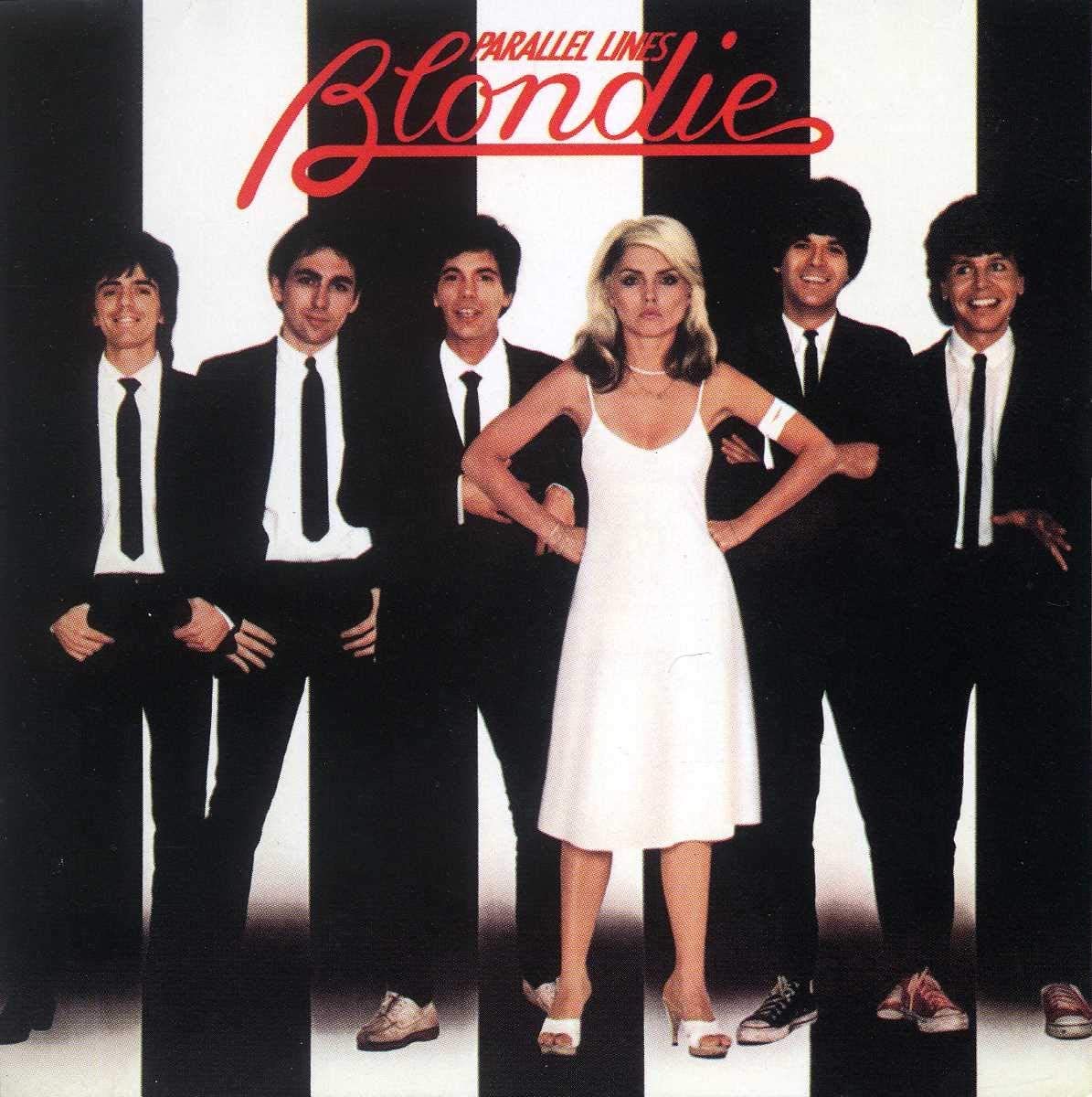
437. ‘Sunday Girl’, by Blondie

Blondie’s second number one sees them sounding much more Blondie. Gone are the synths and disco drums from ‘Heart of Glass’; back come tight, bouncy guitars and a zipalong power pop riff.

Sunday Girl, by Blondie (their 2nd of six #1s)

3 weeks, from 20th May – 10th June 1979

I know a girl from a lonely street, Cold as ice cream but still as sweet… I’d say that this is their forgotten number one, sandwiched as it is between ‘Heart of Glass’ and their three 1980 chart-toppers. It wasn’t even a single in their homeland. Most big bands with a solid run of #1s have one (ABBA recently had ‘The Name of the Game’, there’s Slade ‘Take Me Back ‘Ome’, Rod has ‘You Wear It Well’…) But that’s not to say it’s their worst – ‘forgotten #1s’ rarely are.

Debbie Harry’s got some bad news for a girl called Sunday. She’s seen her guy with a different girl. Drama! Maybe he has a girl named after every day of the week… I’m not convinced of her sympathy as she sings Dry your eyes Sunday girl… Beyond that, the story doesn’t really hold together. Lyrically it feels a little throwaway, perhaps down to the fact that Chris Stein chucked it together while on tour, to cheer up Harry after her cat – Sunday Man – had run away.

Her voice isn’t as arresting as it was on ‘Heart of Glass’, but it’s still a wonderful thing. Light and breezy, fun and flirty – I love the Baby I would like to go out tonight… line – and just wait until you hear her sing it in French. ‘Sunday Girl’ works perfectly en Francais; you can just picture Harry flouncing around Montmartre in the video. Plus, this song taught me years ago that ‘depeche-toi’ means ‘hurry up’, so it’s actually quite educational.

Under the bubblegum fluff, it’s worth noting that this is our first guitar led, rock ‘n’ roll chart-topper for quite a while. It’s definitely New Wave – punk distilled into pop – and you could argue that tunes like this are what set a pop-punk template that lasts to this day (see current teenybopper du jour Olivia Rodrigo).

Towards the end things dissolve into handclaps and surf guitars, and it all sounds very early-sixties. Hurry up, hurry up and wait! growls Debbie, sounding like a feistier older sister of the Shangri-Las. This really is a great pop record, and it’s been nice to listen to it for the first time in a while today. Even better is to come for Blondie, though. They’ll be kicking off the 1980s in some style. Till then, then…

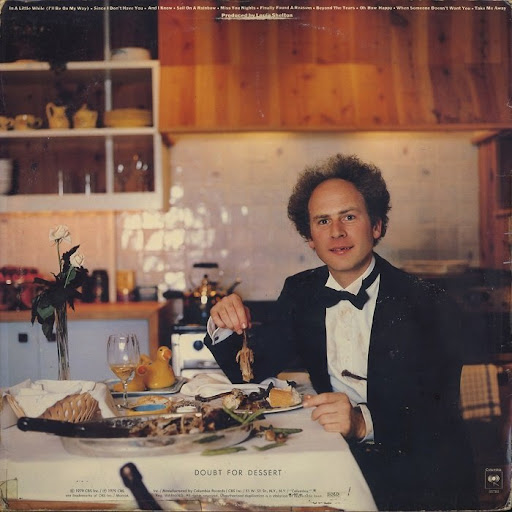
436. ‘Bright Eyes’, by Art Garfunkel

So, we hit the bump in the road. The record that ends the gloriously up-tempo run of disco-slash-rock that we’ve been on.

Bright Eyes, by Art Garfunkel (his 2nd and final #1)

6 weeks, from 8th April – 20th May 1979

It starts off quite flutey. I’m not 100% sure that they are flutes. But it’s woodwind of some sort, and it give us a lush, pastoral sort of feel. Which is appropriate, because this is a song with a lot of references to nature. Tides, hills, winds in the trees, rivers of death… Art Garfunkel’s voice comes from afar, a voice that was always quite delicate made even more ethereal when drenched in echo.

It’s still a great voice, one of pop music’s most recognisable, but I’m waiting for the hook. Bright eyes, Burning like fire… The closest we come, the catchiest bit of the song, comes next: How can the light that burns so brightly, Suddenly burn so pale… But it is fleeting. It’s a whisp of a song, without much to grab a hold of.

It’s about death, so that perhaps explains and excuses the funereal air. More specifically, it’s about dead… rabbits? It’s from the 1978 animation of Richard Adams’s novel ‘Watership Down’. It plays as the lead rabbit lies dying from a gunshot wound. (I’ve never seen the movie, but it’s famously traumatising. Disney it is not.) Adams himself apparently hated the song.

I have to admit that, while this record is far from being instant, the chorus has ear-wormed into me after a few listens. Perhaps there is something there. There has to be, to explain its six week stay at the top and the fact that it was the biggest-selling single of 1979. Yep, not ‘Heart of Glass’, nor ‘I Will Survive’, nor any of the other classics still to come in this year. ‘Bright Eyes’, by Art Garfunkel. Has anyone played this recently…?

It’s interesting that this is Art’s 2nd solo chart-topper, two more than his sometime partner. Simon has been the bigger solo star over the decades, but never managed a UK number one. Garfunkel bookends the decade with two monster hits: from ‘Bridge Over Troubled Water’, to this. You’d have to be very generous not to admit to the drop-off in quality. Meanwhile, as this song meanders on, I find myself wondering if the band Bright Eyes have ever covered it… They might do quite a nice version… Alas, there is no record of them ever having done so.

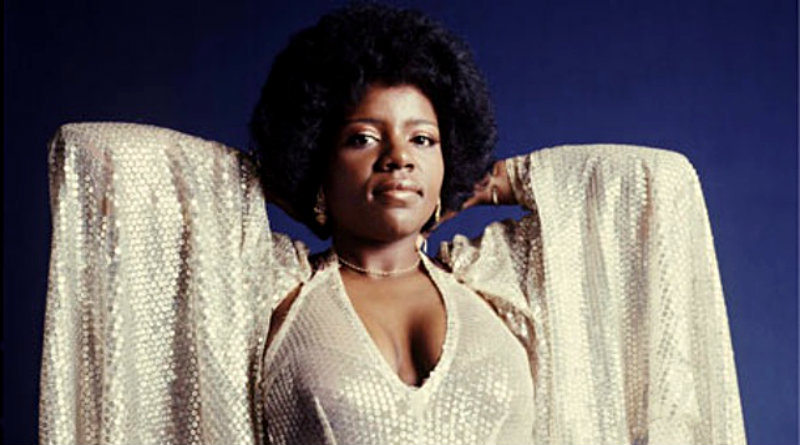
435. ‘I Will Survive’, by Gloria Gaynor

Honestly, I’ve been struggling to start writing my posts on these recent number ones. Not because they’ve been poor – perish the thought! – or boring. More because they’ve been great singalongs, and I’ve been enjoying singing along…

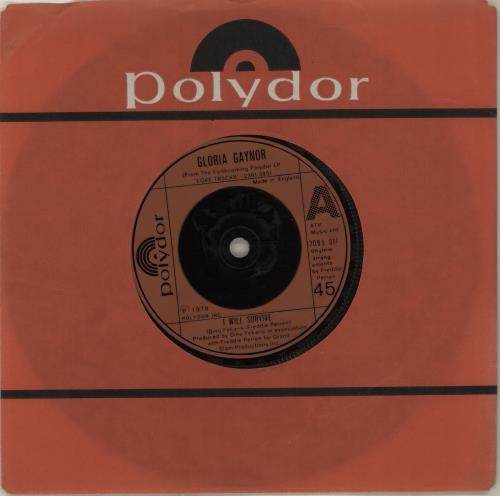
I Will Survive, by Gloria Gaynor (her 1st and only #1)

4 weeks, from 11th March – 8th April 1979

How can you focus on the nuts and bolts of a song like ‘I Will Survive’, when all your instincts are telling you to drop a shoulder and channel your inner diva? I will try my best though. First up, that piano intro. That piano flourish. (Personally I’ve always wondered if Axl Rose intentionally winked at it in ‘November Rain’.) It’s not a tune, or a riff, but it’s instantly recognisable. And then an equally recognisable opening line: At first I was afraid, I was petrified…

Gloria Gaynor’s voice comes in quite airy and delicate, like a young girl, wide-eyed and innocent. This lasts for precisely three lines, as the piano and the sleazy guitars click into a disco rhythm, and some hard-edged sass enters her voice: And so you’re back, From outer space… She’s not been waiting all dewy-eyed for her ex. Nope. In fact, she’s pretty pissed off that he’d even think of trying it on again. Go on now go, Walk out the door, Just turn around now, Cause you’re not welcome anymore… The tables have turned, Gloria’s grown up and gotten over him. She will survive!

This is perfect disco, perhaps the pinnacle of the genre, released just as the bubble was about to burst. It feels like the five years since our first disco #1 have been building to moments like this, and not just because ‘I Will Survive’ is possibly the genre’s most famous song. But this record is about the lyrics as much as the music, which is actually quite minimal. The drums and horns keep a tight beat, yet it doesn’t swirl and soar like earlier disco hits have done.

My favourite bit is the pause before the final chorus. Oh… You think she might be doubting herself, wondering if she does actually still love him. But no. Go on now go! She comes back more resolute than ever, sends him on his way, and seals the song’s place as a feminist anthem. ‘I Will Survive’ is perhaps the very definition of a signature hit, a song that despite a near fifty year recording career covering twenty albums, Gloria’s never getting away from. She’s still very much active, and actually won a Grammy just last year for her most recent Gospel album.

It’s no secret that this is also something of a gay anthem. Although about a woman and her relationship with a man, any song called ‘I Will Survive’, serving this much attitude, was always going to be big with the LGBTQs. Can a drag queen even call herself a drag queen if she hasn’t lip-synced to this? Existential questions such as that aside, this feels like a bit of a turning point. The beginning of the end for disco? Certainly the end – for now – of this glittering run of chart-toppers we’ve been on. One half of a very famous duo is coming along pronto to slow things right down…

434. ‘Tragedy’, by The Bee Gees

Who’s up for some more disco-infused rock? Everyone? I thought as much. If you ignore Boney M’s Xmas #1, and squint very hard to hear the guitars in ‘Y.M.C.A.’ (they must be in there somewhere), then I make this five disco-rock chart-toppers in a row.

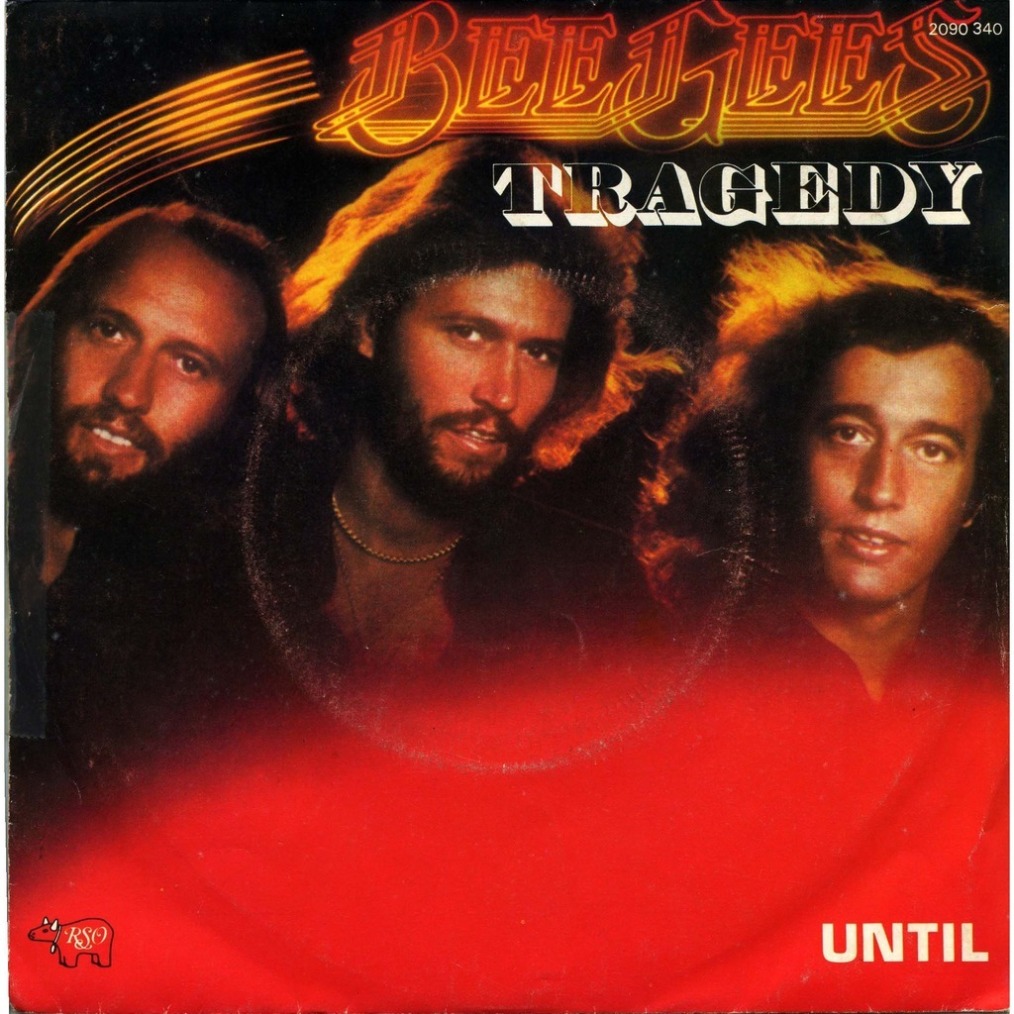
Tragedy, by The Bee Gees (their 4th of five #1s)

2 weeks, from 25th February – 11th March 1979

And who else is turning their hand to it next but The Bee Gees, those great musical chameleons. Gone are the soft chords and swirling strings of ‘Night Fever’, replaced with something much more hard-edged. Queen-like guitars, distorted synth riffs, a harpsichord (?)… The trio’s falsettos hit harder here, too. On ‘Night Fever’ they soared; here they are ragged and semi-deranged…

Tragedy! When the feeling’s gone and you can’t go on… It’s a great hook, simply shrieking the word ‘Tragedy!’ Tragedy! When you lose control and you got no soul… It is, I think, a song about of a panic attack, a midlife crisis in which you wake up in drenched in sweat wondering where the hell your life is going… Even the drums leading up to the chorus sound like a shuddering heartbeat. All the while that ominous riff plays in the back of your brain.

The drama is upped for the solo, which is preceded by an ear-splitting howl, and the final choruses, which are preceded by explosions. It’s ridiculous, really; very OTT. Apparently the sound-effect was made by the mouth of Barry Gibb, which is impressive as it really does sound like a thunderclap. The song fades out, all squeals and explosions and riffing guitars. A mental breakdown never sounded so catchy…

This is The Bee Gees’ 4th number one, and my favourite so far. Their sixties hits were fine, but paled against the musical behemoths surrounding them. ‘Night Fever’ was better than I expected, but still for me lacked a true killer hook. ‘Tragedy’ has that hook, and then some. It’s a ‘go big or go home’ moment – the band perhaps looking to move beyond ‘Saturday Night Fever’ with a statement piece.

However, I will show my age and admit that I knew this song first and foremost as a kid thanks to, yes, Steps’ million-selling cover version from the late-nineties. It will be featuring on this countdown in due course, so I’ll say no more save for the fact that I cannot now hear the word ‘Tragedy!’ without fighting the impulse to throw my hands up parallel to my face. Ah well…

The Bee Gees will be back eventually, after another near-decade long hiatus from the top of the singles charts, with another musical reinvention (and probably my favourite of their five number ones). In the more immediate future, though, we are going to crack on with this wonderful run of chart-toppers we’re in the midst of.