Hot on ABBA’s heels, here’s another triumphant return to the top of the charts for a seventies icon.
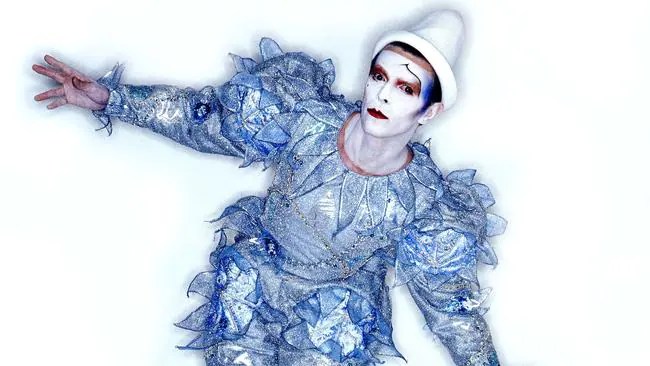
Ashes to Ashes, by David Bowie (his 2nd of five #1s)
2 weeks, 17th – 31st August 1980
Unlike ABBA, however, this is only David Bowie’s second visit to the #1 spot, and his first with a new song (his earlier chart-topper being a re-release of his debut hit ‘Space Oddity’). It seems that Bowie could score his very biggest hits only if he was singing about Major Tom.
Do you remember a guy that’s been, In such an early song…? The fourth wall is broken in the first lines, while a woozy, harsh riff plays out on an instrument I am completely unable to name. It’s very new, quite avant-garde, the most eighties moment yet in this countdown. There’s also a reggae-ish feel to it, in the beat, and in the singer’s delivery.
It’s a bit of a hotch-potch, really. As with a lot of Bowie’s work, I wish I liked it more than I do. The verses are where my attention wanders the most. The lyrics and the beat trip over one another, and you’re left a bit lost. For the most part, though, I come down on the side of not caring if music is a bit beyond me, as long as it’s catchy. Luckily, this record has a killer chorus.
Ashes to ashes, Fun to funky, We know Major Tom’s a junkie… Is David Bowie Major Tom, and this record a look back at his struggles with drugs in the late seventies? Is he the Starman turned addict? Is Major Tom actually heroin…? The repeated closing lines… My mama said, To get things done, You better not mess with Major Tom… would perhaps bear this out.
The sinister music video – the most expensive ever made at this point in time – does little to clarify: it features Bowie in a clown suit, being followed by a bulldozer, releasing doves and rocking in a padded cell. (But I did find a great story from the making this video… On location, an elderly dog-walker refused to get out of one shot, and when the director asked if he knew who this man – pointing at the David Bowie – was, the old bloke replied: ‘Yeah, it’s some cunt in a clown suit.’ Bowie wore the insult with pride, apparently, for years after.)
I had a friend growing up who was obsessed with David Bowie, and with this song in particular. He was a bit of a pretentious arse, and perhaps I’ve always unfairly associated ‘Ashes to Ashes’ with him. Except… listening to it properly now, over and over, I’m not sure I wasn’t right all along. It is arty, and clever, and perhaps pretentious. Though both feature Major Tom, the shift from ‘Space Oddity’ to this is huge: perhaps the biggest change in sound between chart-toppers by any act so far. Which is fine. Good, even. Some people have to push the envelope, and Bowie did it better than anybody else, but sometimes it’s beyond me.
That doesn’t mean I don’t love a lot of his music. It’s just frustrating that the Bowie I enjoy most never made the top of the charts. Of his five #1s, four are from the eighties, while the seventies’ #1 was actually from the sixties. Hey ho. It’s becoming apparent that very few acts are best represented by their chart-toppers. At least he won’t have as long to wait for his next one…
Our next number one starts off with some live chanting, and a short, sharp horn riff, giving the impression that we’re heading off in the same 2-tone, ska direction that The Specials took us… Until it switches tack and suddenly we’ve got a brassy, soulful saxophone line leading the way.
Geno, by Dexys Midnight Runners (their 1st of two #1s)
2 weeks, 27th April – 11th May 1980
And that’s not the only abrupt shift over the course of ‘Geno’ – it’s a song that’s chopped up into lots of little bits. Lots of catchy little chunks. There are the woozy verses… Back in sixty-eight in a sweaty club… with lyrics that need serious Googling thanks to lead-singer Kevin Rowland’s unique delivery… Before Jimmy’s Machine and the Rocksteady Rub…
It’s a potted history of the band, or of Rowland’s formative years, bunking school and sneaking in to clubs to see soul legend Geno Washington step on stage, swinging his towel high… Then the tempo swings again, and there’s an insistent post-punk drive to the middle-eight. Academic inspiration, You gave me none… And then there’s the live chanting, which is actually sampled from a Van Morrison live album.
When writing these posts, I usually jot down my impressions on a song without looking at any other sources. You know, if you read that such-and-such a song is included in the Rolling Stone magazine’s Top 500 of all time, then it might influence your judgement… But with this record, I’m a bit stumped. The components are catchy, the oh-oh-oh Geno hook is great, but I’m struggling to place it.
It’s another insistent record, yet another chart-topper from ’79-’80 that is brimming with confidence and with ideas. Listening to this era’s chart-toppers is like going to an art school’s open day and being performed at by some very confident young wannabes. It’s all very impressive; but it can get a bit much.
So, do I like this song? Should I be enjoying this? The consensus seems to be that this is a classic… but that’s probably just because the Runners’ next chart-topper is so overplayed and people want to look cool. I think the big negative here is that the song’s topic is quite niche – a description of a gig – and the vocals so unintelligible. Still, it’s not boring, and that is always something.
This was just the second single that Dexys Midnight Runners’ had ever released, after their formation in Birmingham in 1978. Their name is the shortened version of Dexedrine, an amphetamine popular in clubs at the time, and which is referenced in this song: This man was my bomber, My dexys, My high… Oh Geno! It’s also the reason why there’s no apostrophe in the band’s name, which goes against all my English teaching instincts… They will be back, in good time, with one of the decade’s signature hits. One that may be overplayed, but that I will have no problem justifying as a classic!
In which Blondie return after only six weeks away – that’s a very short time between chart-toppers, really – with another disco-rock stomper.
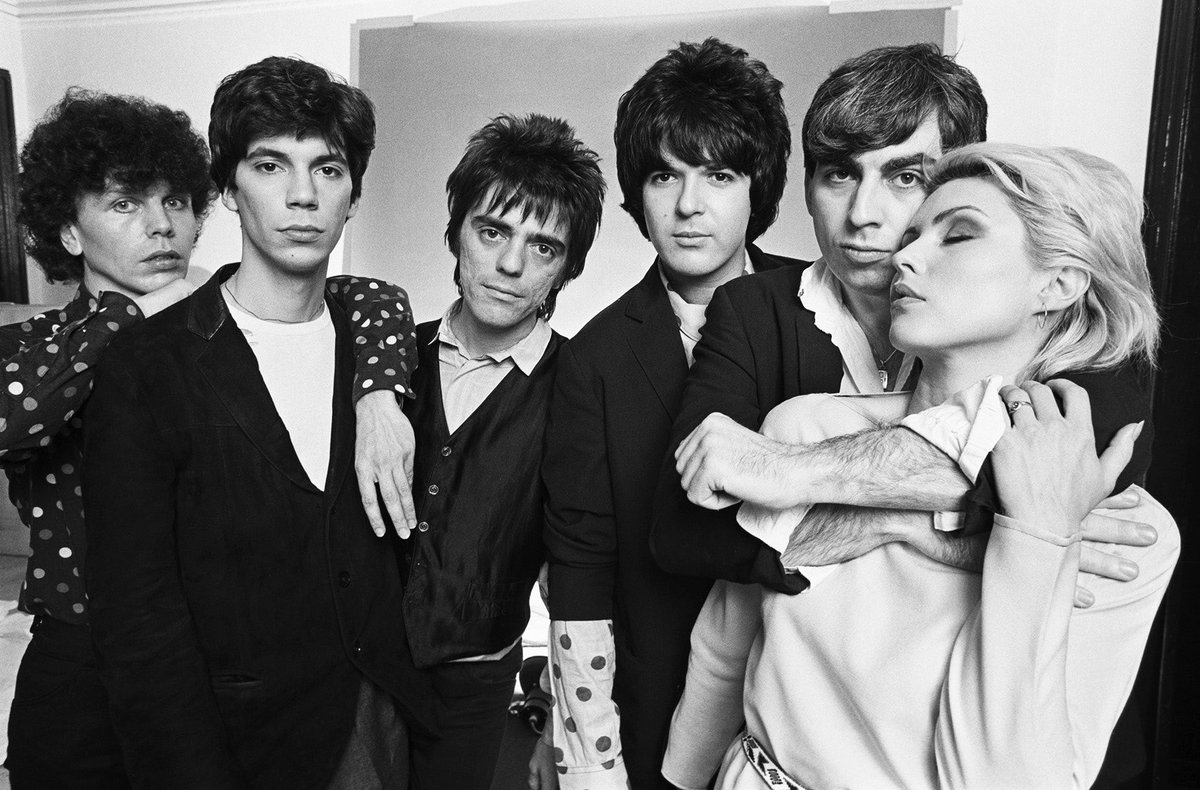
Call Me, by Blondie (their 4th of six #1s)
1 week, 20th – 27th April 1980
About a year ago, when records like ‘Tragedy’ and ‘I Will Survive’ were monopolising the chart’s top-spot, I killed disco off. It had peaked, I said. New-wave, post-punk, electronica were about to take over. But it’s not been that simple… Acts keep sticking a disco beat on their songs and scoring hits: Pink Floyd, Fern Kinney, Dr. Hook… And the masters of it, Blondie.
As with ‘Atomic’, there’s another whip-snapping intro, a drum-roll, and a beat that grabs you along for the ride. And what a ride. Colour me your colour baby, Colour me your car… Not sure what that’s all about, to be honest, but this isn’t the sort of song where you stop to think about the lyrics.
Again, as she did in the band’s previous #1, Debbie Harry is letting loose compared to the ‘Parallel Lines’ hits. Call me! she hollers at the top of her voice… On the line, Call me call me any anytime… It’s pretty clear what kind of call she’s talking about (think Donna Summer in ‘Hot Stuff’…) Anytime, anyplace, anywhere, any day, any way…
‘Call Me’ didn’t feature on any Blondie album – it was recorded for the soundtrack of ‘American Gigolo’, starring Richard Gere, which perhaps explains the unrepentant lyrics and why it followed so hot on ‘Atomic’s heels. The soundtrack version is a full eight minutes long, with beefier synths, and a verse about being taken out and shown off, as all the best gigolos want to be. The producer behind the soundtrack was none other than Giorgio Moroder, which means he’s now been involved in three UK chart-toppers with three different acts, and this won’t be his last…
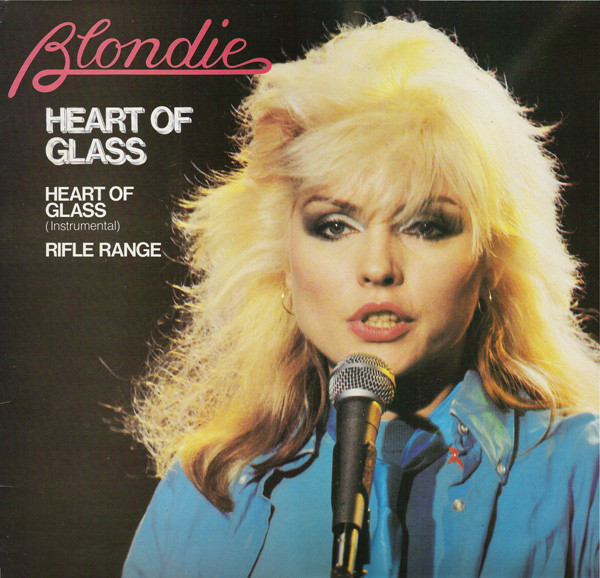
Few bands have the sort of golden runs that Blondie were having in 1979-80. In just over a year they have had four chart-toppers, all of which I’d say were at least eights out of ten. (If you insist: ‘Heart of Glass’ 9.5, ‘Sunday Girl’ 8, ‘Atomic’ 9, ‘Call Me 8.5) Their one release that didn’t top the charts in amongst all this was ‘Dreaming’, a #2 and another stone-cold classic, much more post-punk than disco (and another 8.5, since you ask.)
Sadly, they have but one chart-topper to come, and – without wanting to give too much away – one that isn’t quite in the same league. And of course they’ll have a huge comeback almost twenty years later, but as great as that #1 is I would count it as something separate. Anyway. Let’s leave Blondie here, at the peak of their powers, and their chart success. A band that sound great anywhere, anytime, any day…
Well, isn’t this quite the shot of adrenaline! The line between new-wave and punk becomes very blurred as The Jam score their first number one single…
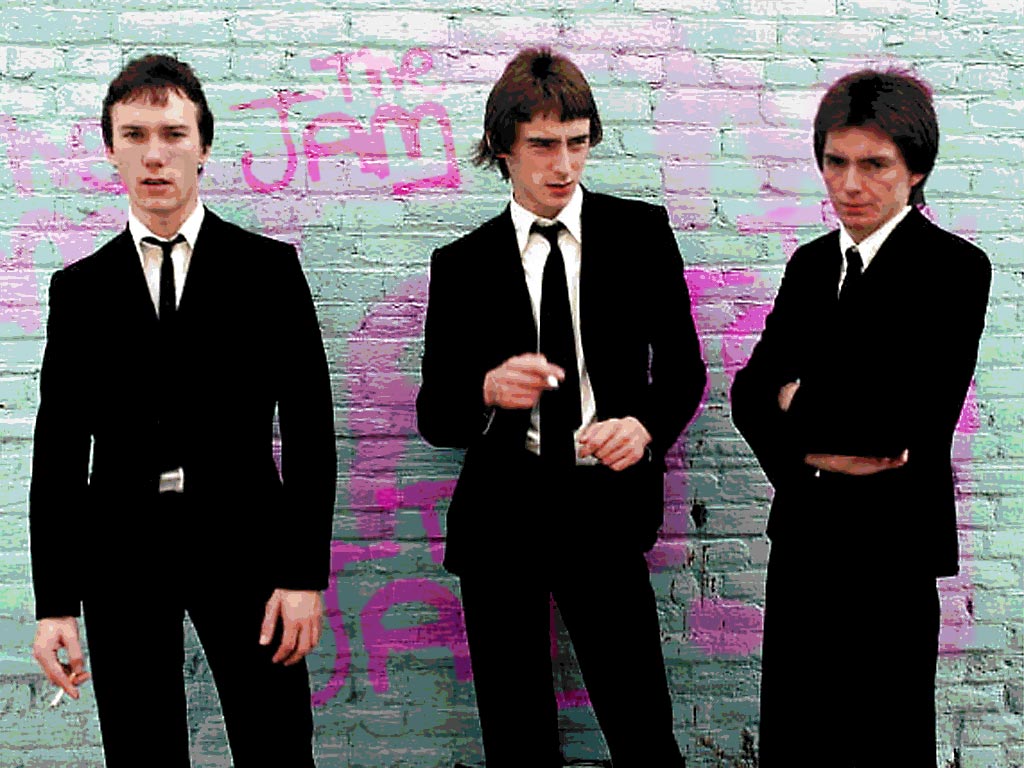
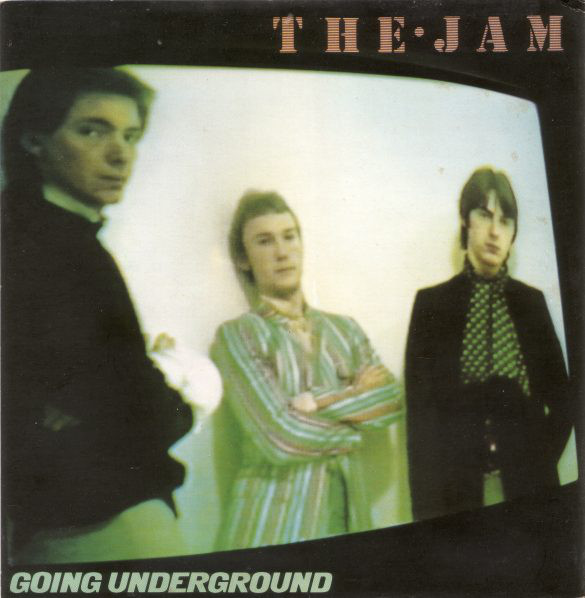
Going Underground / The Dreams of Children, by The Jam (their 1st of four #1s)
3 weeks, 16th March – 6th April 1980
The guitars are tight, and fast. Lead-singer Paul Weller spits the opening lines out with venom: Some people might say my life is in a rut! But I’m quite happy with what I’ve got! It’s a record that grabs you by the lapels of your smart, modish suit and doesn’t let you go. These angry young men are not happy with modern life, with their leaders’ lies and atomic crimes, and are off underground.
The lyrics are not always easy to make out – delivered as if Weller just has to get them off his chest before their three minutes are up – but one line stands out: The public wants what the public gets, But I don’t get what this society wants…I’m going underground…! And then there’s the ‘braying sheep’ on his TV screen. They’re words that ring just as true today – you could probably apply them to any point since WWII, to be fair – but after an economically difficult seventies, and less than a year into Thatcher’s government, dissent is growing…
‘Going Underground’ really does sound very raw, and very punk. It could be a hit from 1977, and is much more primitive when compared to new-wave’s two other big guitar bands, Blondie and The Police. This is perhaps The Jam’s last moment as an ‘underground’, if you will, band. This hits number one, and their sound expands and progresses. Only in the break, before the final chorus, does it sound a little more of its time, drippy and echoey, but only for a second before the guitars chop right back in.
‘Going Underground’ was actually only listed as the double-‘A’ due to a printing error. ‘The Dreams of Children’ was intended to be the lead, and it does sound much more of the moment. It starts with a cool false-beginning, guitars and vocals played in reverse, and has a great, chiming riff. But, I’d say it lacks the urgency of the flip-side. I hope that whoever buggered things up at the printing plant wasn’t punished too harshly…
If you were hoping for a more positive take on modern life here… well, nope. Paul Weller is having sweet dreams – the innocent dreams of a child – but wakes sweating and paranoid to this modern nightmare… I was alone and no-one was there… Before long, the song has turned into a sort of horror movie theme, voiced by a sinister dream-catcher.
Something’s gonna crack on your dreams tonight, You will crack on your dreams tonight… he sings, as the twiddly backwards effects return and things get genuinely creepy. Sorry kids, your dreams are just that: dreams. Real-life will grind you down. I mean, it’s not your run-of-the-mill #1 single material, but everything can’t be all sweetness and light. Neither of these songs sounds like a chart-topper, but it’s great that they got there.
And they got there in some style. This was the first record to enter at #1 since Slade did it with ‘Merry Xmas Everybody’ over six years ago. Elvis, Cliff, The Beatles and, er, Gary Glitter were the only other acts to have achieved this feat before 1980. It pretty much announces The Jam as one of, if not the, biggest band in the country (or at least the band with the most devoted fanbase, who ran out to buy the song as soon as it was released…)
However, can I just add before I go that it is a shame that The Jam’s previous single – their first Top 10 hit – wasn’t the big #1 debut. As great as this record I’ve reviewed today is, ‘The Eton Rifles’ stands as a brilliant commentary on the British class system: angry, and funny, and another one that still rings true today. We just don’t learn, do we?
Getting us back on track after (yet another) country detour… Though you could argue that there’s a country twang to the main riff on this one… sort of… Anyway, where were we? Oh yes! Blondie go atomic!
Atomic, by Blondie (their 3rd of six #1s)
2 weeks, 24th February – 9th March 1980
Add this one to the list of great intros: a sort of beautiful cacophony, a remix of the way church bells go wild after a wedding, or on Christmas morning… Ding! Dang! Dong! Apparently its based upon the nursery rhyme ‘Three Blind Mice’ of all things! And then it clicks into that riff. (This intro was, for some reason, cut from the single edit… but let’s just pretend that version doesn’t exist.)
Oh-ho, Make it magnificent, Tonight… Is there a better song to listen before a night out than ‘Atomic’? Back when I was young and going to nightclubs, this was often playing as I picked out a shirt, did my hair, and prayed that the bouncer would ignore the fact that I still looked about thirteen… Oh, your hair is beautiful… Debbie Harry would sing, as if she could see me in the mirror. Oh tonight… Atomic! It’s a fine, fine song. But is it better than ‘Heart of Glass’…?
In some ways they’re very similar. Both rock with a disco beat (or disco with guitars…) and both with a synth breakdown in the middle – of the album versions, anyway. Here, actually, it’s time to quickly resurrect the single-edit that I killed off earlier, as that shortens the breakdown, cuts the bass guitar solo, and repeats the iconic, deep-voiced Atomic! line. It works better as a pop song, which I suppose was the point. ‘Heart of Glass’ was chopped up into various different mixes, too…
The biggest difference between last year’s Blondie and this year’s Blondie is Harry’s voice. On ‘Heart of Glass’ she was restrained, and sarcastic. On ‘Sunday Girl’ she was quite cute. She belts this one out, though, full-throated. A huge echo effect is put on her closing Oh-oh Atomics… adding to this record’s epic feel.
I’d go as far as describing ‘Atomic’ as life-affirming. A song that will psyche you up, pick you up, cheer you up… A song that does everything pop music should. Which is funny, because there’s a school of thought (in so far as pop songs have ‘schools of thought’…) that interprets this song as apocalyptic i.e. it’s the song you’d play just before the bomb goes off. That’s not something I subscribe to, though.
Anyway, I still have a question to answer though: is it better than ‘Heart of Glass’…? Actually, who cares? They’re both brilliant songs. Blondie were brilliant, on top of their game at this point, and will be along again soon with another classic hit. And another one that’s totally atomic!
Recap time! Our fifteenth recap, taking in just under two years, from spring 1978 to the early, early weeks of 1980. It would have been great had this recap fallen right at the end of the seventies, but hey…
Our two most recent #1s have felt like a step forward, not just because they were the first two of the ‘80s, but because they’ve been so bold, so vibrantly dripping with (post) punkish attitude. The Pretenders swaggered into the new decade with ‘Brass in Pocket’, while The Specials shouted about birth-control – live – in ‘Too Much Too Young’. The eighties have begun with a bang. Can it last? (Well, sorry… no. Just wait till you see who’s up next!)
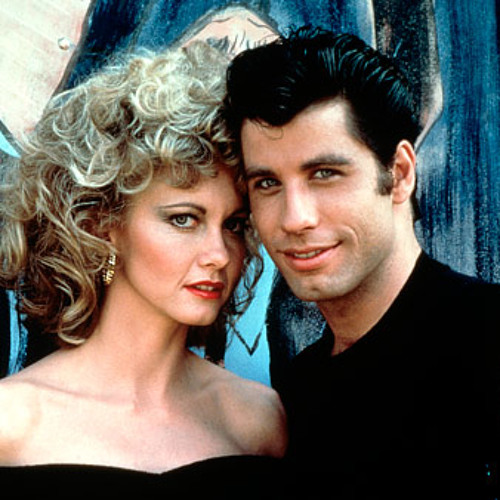
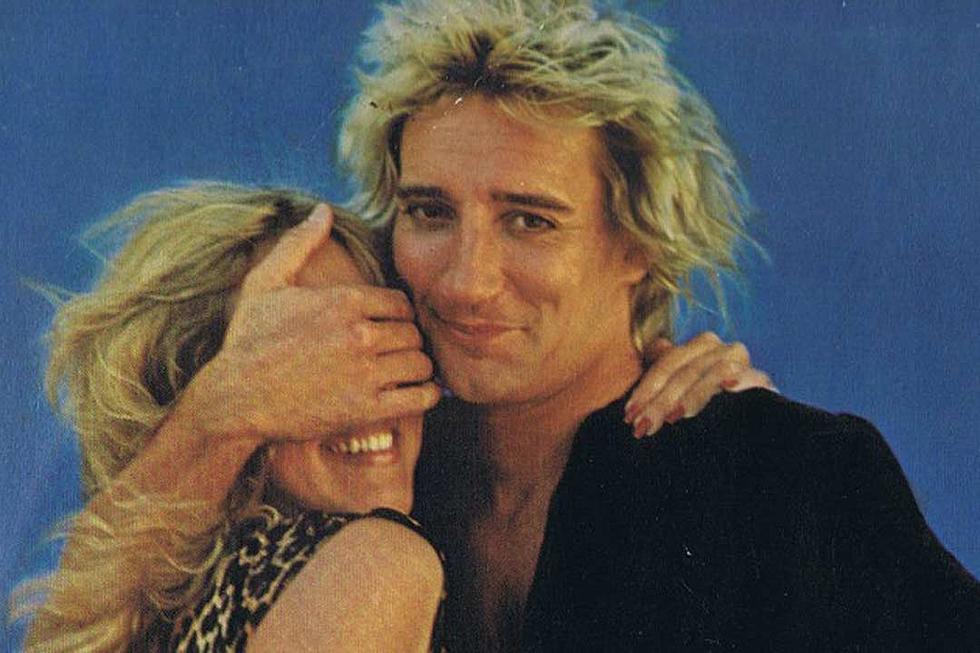
But, let me take you back a couple of years, to a time when disco still ruled the airwaves. The genre would explode in a puff of glitter, after a glorious run of chart-toppers, in early 1979. Before that, though, ’78 was probably the most disjointed, undefinable year of the decade. There were sixteen weeks where songs from the ‘Grease’ soundtrack occupied top-position, two shots of religious, disco-calypso from Boney M, a flashback to the MOR days of ’76-’77 from the Commodores, 10cc went reggae, Rod Stewart asked if we think he’s sexy… while The Boomtown Rats scored the very first new-wave #1. There were some long stays at the top – five weeks seemed to be the average – and some very high sales: ‘Rivers of Babylon’ and ‘You’re the One That I Want’ are in the Top 10 of all time.
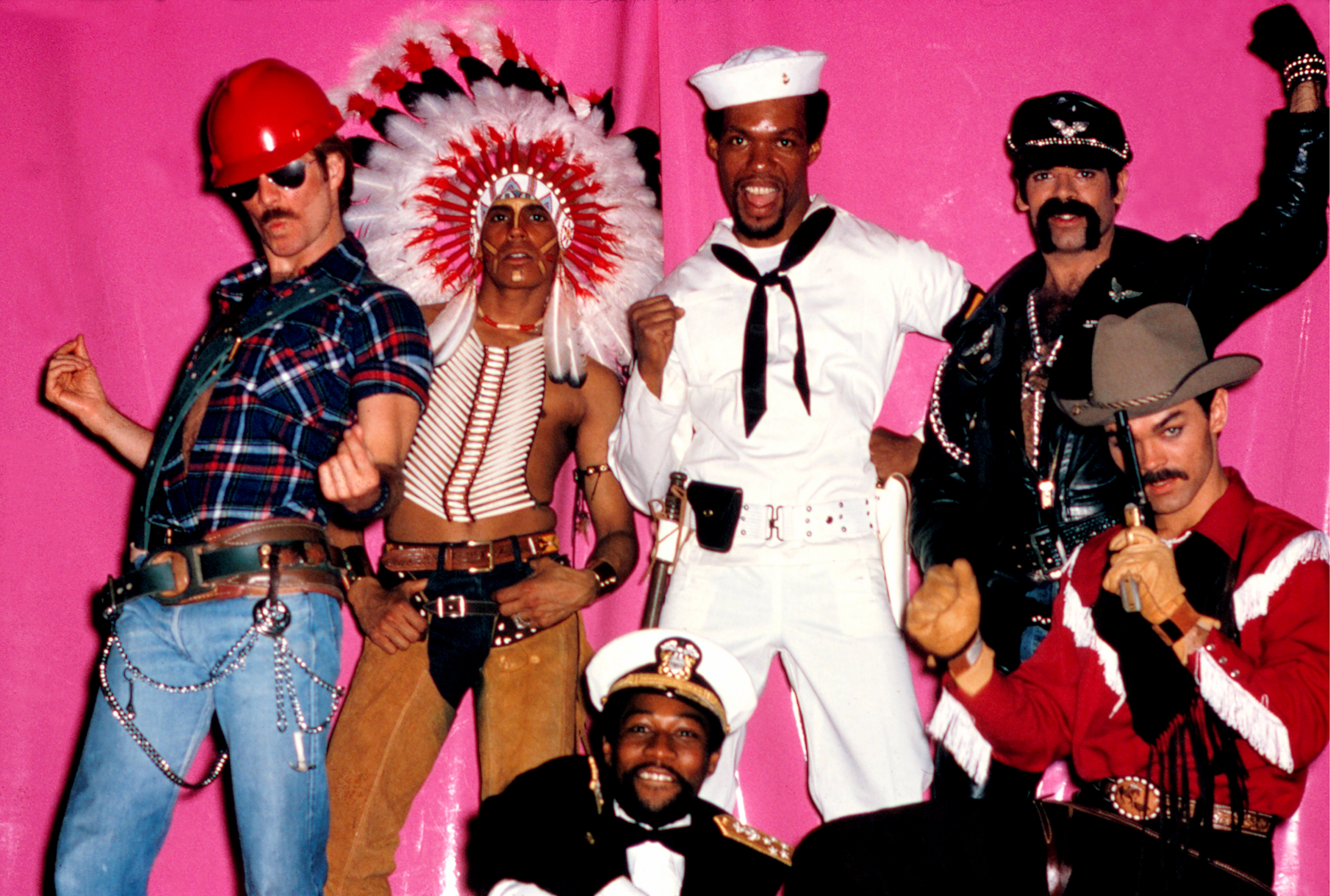
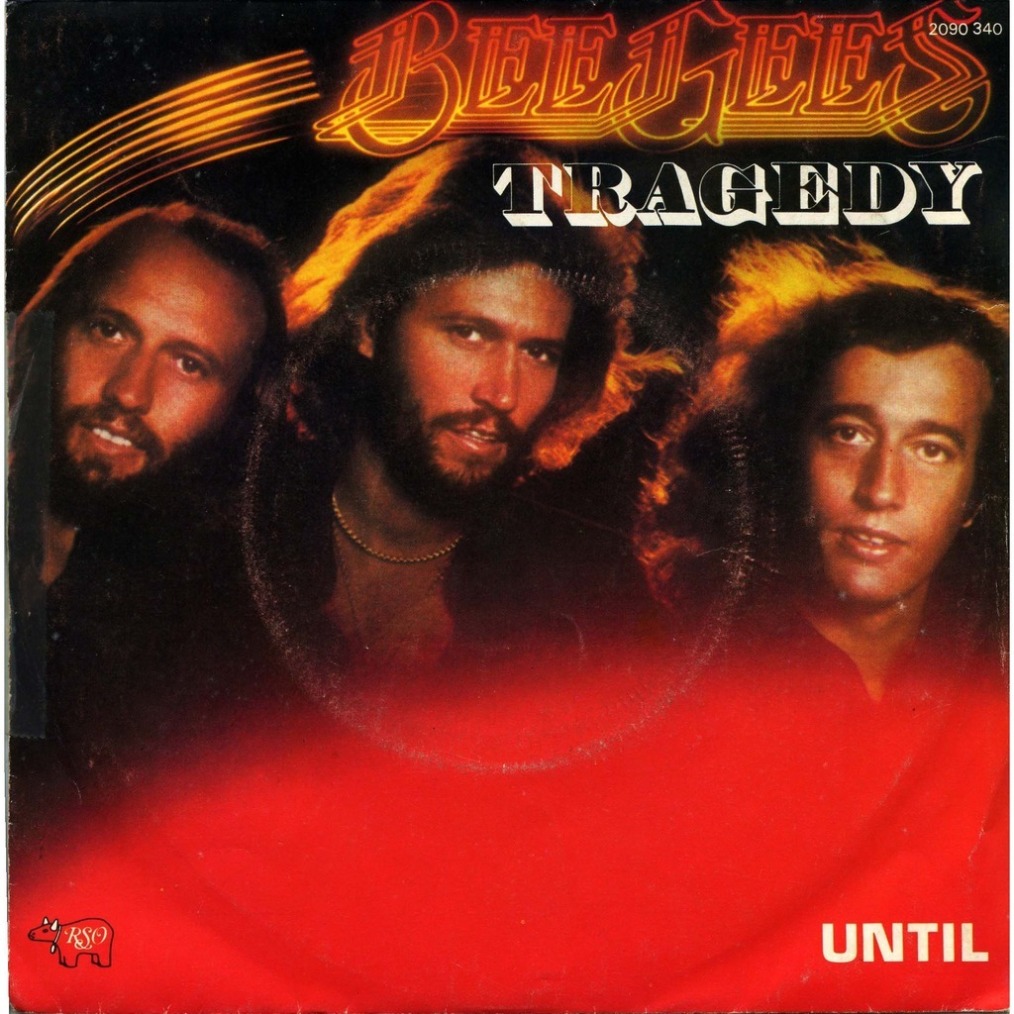
But then, on New Year’s Eve 1978, The Village People sounded their klaxon, everyone ran to the dancefloor, and we were off on a thrilling run of chart-topping singles. One of the best ever. ‘YMCA’, ‘Tragedy’, ‘I Will Survive’ and ‘Heart of Glass’ perfected disco, meaning that the genre was completed, finished, not needed again. By the time Anita Ward came along, ringing her bell, it felt a little old hat. Blondie, in particular, had taken things a step further, mixing synths and guitars into the mix. The new-wave future had arrived…
Actually, the future seemed to be arriving every few weeks by the summer of 1979… Gary Numan and his Tubeway Army scored a couple of impossibly cool, completely electronic number ones. Bob and his Rats returned, with a rock opera about a school shooting. The Police brought a reggaeish, post-punk to the charts. The Buggles asked if this new-fangled video age was all it was cracked up to be… By the end of the year, Pink Floyd – releasing their first single in twelve years – had a Christmas number one about teachers and their means of mind-control…
There were anomalies in all this. The charts never quite do what you want them to. Right at the start of this run, Brian and Michael had a huge folksy singalong about the artist LS Lowry. Art Garfunkel had a low-key ballad about dead rabbits (and, of course, scored the year’s biggest-selling single). Cliff came back! With his best number one, ever! Country and Western kept popping up when you least expected it to…
I said at the time that I felt 1979 was the best year of the decade in terms of variety and quality of chart-toppers. I may not have loved every single one – in terms of my own personal enjoyment I’d say the glam years of ’72-’74 were ‘better’ – but the experimentation and sheer love for pop music that shone through in these closing months of the ‘70s was something else. And a very refreshing change after everything had gone a little soft-rock in our previous recap.
Which means there might be stiff competition when I have to choose the best of this past bunch. But first… the lesser awards. The ‘Meh’ Award, for example. Like I said, not many of the past thirty #1s have been dull. But I have three. I considered ‘Bright Eyes, but Art already has a ‘Meh’ award to his name, and to give a legend like him two out of two just seems mean. I also toyed with The Police and their second number-one, ‘Walking on the Moon’, which just didn’t connect with me. But, edging them out… not once, not twice, but three-times as dull… The Commodores with ‘Three Times a Lady’: a sludgy relic from the days when David Soul and Leo Sayer were ruling the charts.
On to the ‘WTAF’ Award, for being interesting if nothing else. Plenty of interesting #1s this time around. The Tubeway Army… ‘Cars’… The Buggles… But giving it to one of them would be because they sounded new and exciting. Not ‘weird’, as such. No, if you want weird, you have to choose between Ian Dury and his rhythm stick, or Pink Floyd’s ‘Another Brick in the Wall Pt II’. When I made my notes for this post a few days ago, I assumed I’d go with the Floyd. But, really, that record is just an Eagles-beat with some kids shouting. Whereas The Blockheads gave us a punky disco world-tour, from the deserts of Sudan to the gardens of Japan, full of shouting in German and spiky saxophone, sung by a self-proclaimed cripple poet. ‘Hit Me With Your Rhythm Stick’ has it.
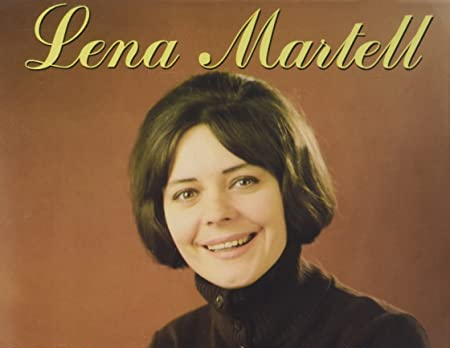
The main events, then. The fifteenth Very Worst Chart-Topper, joining luminaries such as Donny Osmond, Jimmy Young, and… checks notes… Elvis. Should I give it to Brian and Michael’s irritatingly parochial celebration of Lowry: ‘Matchstalk Men and Matchstalk Cats and Dogs’? No. A) That was fundamentally catchy. And B) ‘One Day at a Time’ exists. Yes, Lena Martell somehow preached her way to three weeks at the top with a self-righteous slice of country. It was by far the worst of the past bunch. Sweet Jesus!
Finally, then. Fanfare please. The Very Best Chart-Topper of the last thirty. I said earlier that there was a lot of competition but, to be honest, there’s only one winner this time around. I loved ‘YMCA’, ‘Rat Trap’, ‘I Will Survive’ and the ‘Grease’ hits… But towering above them all are Blondie, and ‘Heart of Glass’. One of the coolest songs ever to have topped the charts, and the perfect choice to sum up this moment in pop history, as we stand on the verge of a new decade, a new era…
To recap the recaps:
The ‘Meh’ Award for Forgettability:
‘Hold My Hand’, by Don Cornell.
‘It’s Almost Tomorrow’, by The Dream Weavers.
‘On the Street Where You Live’, by Vic Damone.
‘Why’, by Anthony Newley.
‘The Next Time’ / ‘Bachelor Boy’, by Cliff Richard & The Shadows.
‘Juliet’, by The Four Pennies.
‘The Carnival Is Over’, by The Seekers.
‘Silence Is Golden’, by The Tremeloes.
‘I Pretend’, by Des O’Connor.
‘Woodstock’, by Matthews’ Southern Comfort.
‘How Can I Be Sure’, by David Cassidy.
‘Annie’s Song’, by John Denver.
‘I Only Have Eyes For You’, by Art Garfunkel.
‘I Don’t Want to Talk About It’ / ‘The First Cut Is the Deepest’, by Rod Stewart.
‘Three Times a Lady’, by The Commodores.
The ‘WTAF’ Award for Being Interesting if Nothing Else:
‘I See the Moon’, by The Stargazers.
‘Lay Down Your Arms’, by Anne Shelton.
‘Hoots Mon’, by Lord Rockingham’s XI.
‘You’re Driving Me Crazy’, by The Temperance Seven.
‘Nut Rocker’, by B. Bumble & The Stingers.
‘You’ll Never Walk Alone’, by Gerry & The Pacemakers.
‘Little Red Rooster’, by The Rolling Stones.
‘Puppet on a String’, by Sandie Shaw.
‘Fire’, by The Crazy World of Arthur Brown.
‘In the Year 2525 (Exordium and Terminus)’, by Zager & Evans.
‘Amazing Grace’, The Pipes & Drums & Military Band of the Royal Scots Dragoon Guard.
‘Kung Fu Fighting’, by Carl Douglas.
‘If’, by Telly Savalas.
‘Wuthering Heights’, by Kate Bush
‘Hit Me With Your Rhythm Stick’, by Ian Dury & The Blockheads.
The Very Worst Chart-Toppers:
‘Cara Mia’, by David Whitfield with Mantovani & His Orchestra.
‘The Man From Laramie’, by Jimmy Young.
‘Roulette’, by Russ Conway.
‘Wooden Heart’, by Elvis Presley.
‘Lovesick Blues’, by Frank Ifield.
‘Diane’, by The Bachelors.
‘The Minute You’re Gone’, by Cliff Richard.
‘Release Me’, by Engelbert Humperdinck.
‘Lily the Pink’, by The Scaffold.
‘All Kinds of Everything’, by Dana.
‘The Twelfth of Never’, by Donny Osmond.
‘The Streak’, by Ray Stevens.
‘No Charge’, by J. J. Barrie
‘Don’t Give Up On Us’, by David Soul
‘One Day at a Time’, by Lena Martell.
The Very Best Chart-Toppers:
‘Such a Night’, by Johnnie Ray.
‘Cherry Pink and Apple Blossom White’, by Perez ‘Prez’ Prado & His Orchestra.
‘Great Balls of Fire’, by Jerry Lee Lewis.
‘Cathy’s Clown’, by The Everly Brothers.
‘Telstar’, by The Tornadoes.
‘She Loves You’ by The Beatles.
‘(I Can’t Get No) Satisfaction’, by The Rolling Stones.
‘A Whiter Shade of Pale’, by Procol Harum.
‘I Heard It Through the Grapevine’, by Marvin Gaye.
Here we are then. The nineteen eighties. Synths, post-punk, Thatcher, Reagan, the 2nd British Invasion, MTV, SAW, Yuppies, Hip-Hop, ‘Thriller’, Madonna… The decade in which I entered this world… A decade that, I have to admit, I used to rank way below the sixties and seventies in terms of its music. But not any longer. I’m ready for it!
Brass in Pocket, by The Pretenders (their 1st and only #1)
2 weeks, 13th – 27th January 1980
And what a cool way to start the decade. I got brass, In pocket, I got bottle, I am gonna use it… This one’s all about the hustle. Picture Chrissie Hynde, stepping off the bus in London town, and picturing just how she’s going to make it BIG. Gonna make you, Make you, Make you notice!
She’ll use her arms, her legs, her style and her sidestep, and in the space of three minutes the capital will have fallen. I’m special, So special, Gotta have some of your attention… This could come across as wildly obnoxious, but it doesn’t, somehow. Give it to me! Probably helps that it’s a woman singing these lines. Since punk, women can be bad-ass singers of rock ‘n’ roll bands. These days people’d call her a Boss Bitch.
The obvious comparison to make – a female lead singer in an otherwise male new-wave band – is with Blondie. Hynde sounds nothing like Debbie Harry, but her voice still drips with the same kind of attitude. And the music is more British post-punk – Police-like chiming guitars and a bouncing, reggae-ish beat – than Blondie’s spiky, New York sound.
In the second verse, she’s a little more explicit about how she may be getting her ‘brass’. Got new skank, So reet… I thought it was a drug reference, but apparently it’s about moving your body. You know, like dancing, or… There has been some discussion over whether the song is actually about The Pretenders’ first ever concert, or about the singer’s first sexual experience with a new partner. Either way, Hynde sums it up: “The tradition of ‘Brass in Pocket’ is that you’re cocky, and sure of yourself.”
This was The Pretenders breakthrough hit from their debut album – they had only been a band for just over a year. They would never return to the top of the charts (though a cover of one of their songs will…) but they managed impressive longevity: a handful of Top 10 hits spread out over fifteen years. Chrissie Hynde, meanwhile, will have another #1 under her own steam (sort of).
And so, with this short, sharp little record – that manages to be both clever and catchy – the eighties have kicked off. In previous decades, the first number one singles have been perfectly pleasant pieces of pop (Michael Holliday’s ‘Starry Eyed’ in 1960, and Edison Lighthouse’s ‘Love Grows (Where My Rosemary Goes)’ in 1970) with little indication of where popular music is heading at that moment, but ‘Brass in Pocket’ actually sounds like a statement of intent…
First up today, I’m going to christen 1979 as not only the best year of the decade for chart-topping singles, but also ‘The Year of the Piano Intro’. We’ve had Gloria Gaynor’s iconic flourish, The Boomtown Rats’ mini rock opera, and now this. A synth piano announcing that: this, this is going to be interesting…
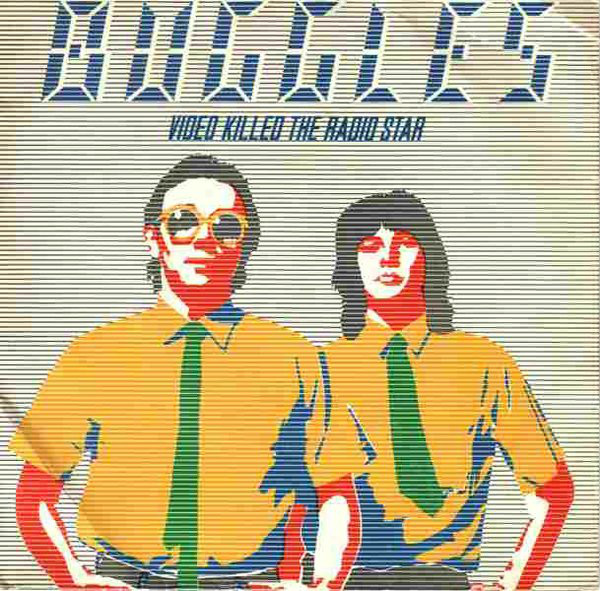
Video Killed the Radio Star, by The Buggles (their 1st and only #1)
1 week, from 14th – 21st October 1979
I heard you on the wireless back in ’52… The singer reminisces about a simpler time, when music had a human touch. ‘Music was better in my day…’ Except, the twist is, this is a pretty avant-garde, electro-pop song. Exactly the type of music the lyrics complain about. Or are they complaining at all? Are they instead mocking people with nostalgic views on music…? Pictures came and broke my heart, Put the blame on VCR…
The lyrics, though, are not the first thing that slaps you around the chops when you hear this record. Like Tubeway Army, it is almost aggressive in its desire to sound like the future, though with a very different, perkier sound. I saw it described it as an ‘extended jingle’, which is pretty perfect. Even the two voices, a bubblegum girl and a morose lead, are filtered through various effects.
I like this, it’s fun, it’s a classic… But I can’t shake the feeling that it’s a little showy. That some bits – the noodley synth flourishes and the aww-ah-oh fills – are a bit much. It took, apparently, three months to record and, again in another link to Tubeway Army, was inspired by a sci-fi story, this time by JG Ballard. Still, they reign it in for the iconic, driving chorus: Video killed the radio star… In my mind and in my car, We can’t rewind, We’ve gone too far… It’s a bit Queen, a bit Sparks, and more than a bit unique.
The Buggles were a duo, Trevor Horn and Geoff Downes. Horn in particular had been around the music biz for a while, producing jingles among other things. ‘Video Killed the Video Star’ was their first and by far their biggest hit, though they’re not quite one-hit wonders. Horn certainly isn’t, he was lead-singer of Yes for a year or so before becoming a full-time producer. His fingerprints will be on several future number ones, well into to the 2000s.
What many won’t know is that this wasn’t the first recording of ‘Video…’ Horn and Downes had originally written it with Bruce Wolley, who released a still-interesting but slightly more one-dimensional version in 1978. What many will know is that this was the very first record to be played on MTV, on 1st August 1981. Which is cute, I guess, but led me to believe for many years that this was the first ever music video (which is nonsense, they’ve been around since the ‘60s). It also led me to believe that this song had been released in the ‘80s. It seems a bit strange to me that a brand-new, impossibly modern channel like MTV would launch by playing a near two-year old song, regardless of the apt lyrics. But then again, the 6th video played on MTV was ‘We Don’t Talk Anymore’, by Cliff Richard. Perhaps they weren’t going for ‘cutting edge’.
Finally, it’s worth noting that after decades of having to publish every one of my posts with those boring, stock-standard record-label sleeves… The age of the picture sleeve is upon us! Most of 1979’s chart-toppers seem to have had glossy (!), colourful (!) sleeves with pictures of the actual recording artists (!) Just like LPs! What on earth took them so long? While punk has to take the credit for the wild variety of sounds in this new-wave era; I’m giving disco, and the genre’s love for the 12” remix, the credit for sending pop music into technicolour. Just in time for a new decade…
The New Wave revolution takes another swerve. The Police score their first number one with some reggae-rock. (Not Ska, though. It is, apparently, very important not to call this Ska.)
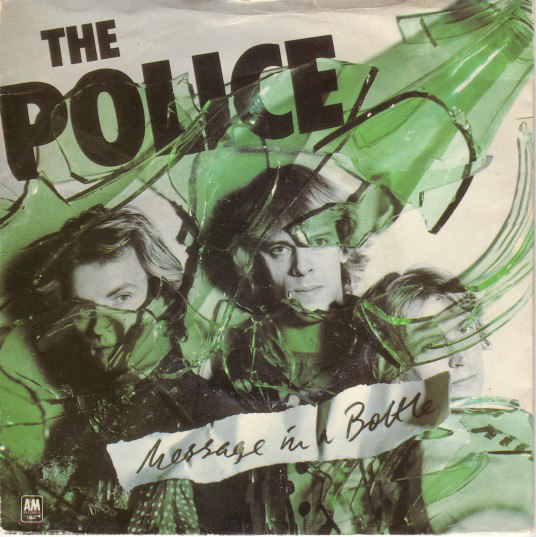
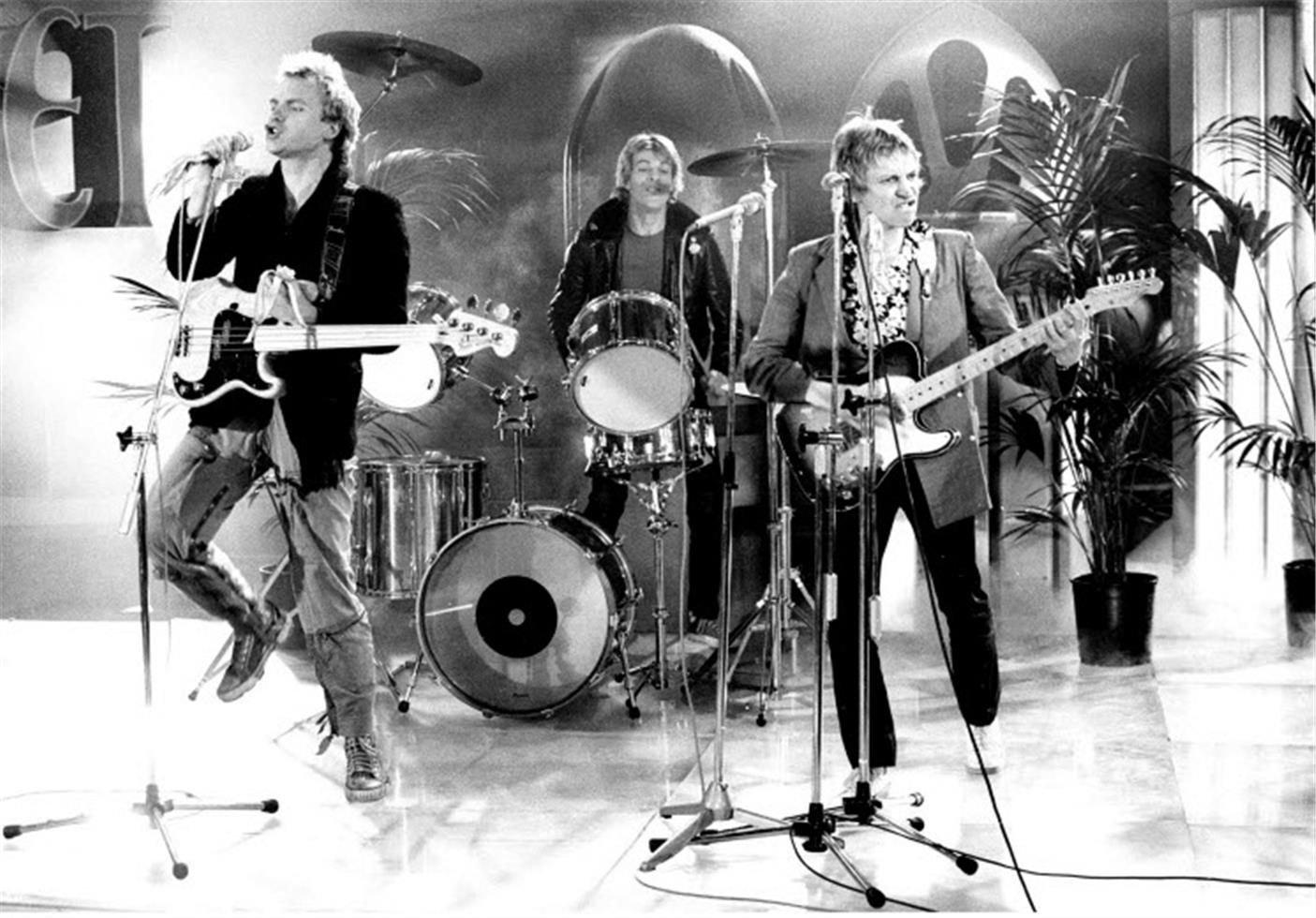
Message in a Bottle, by The Police (their 1st of five #1s)
3 weeks, from 23rd September – 14th October 1979
Vocally, we also have another interesting fusion: Geordie-Jamaican. It’s Sting, of course, really laying it on thick in the verses. Just a castaway, On an island lost at sea, Oh… (The rhyming of ‘sea, oh’ with ‘me, oh’ and I can’t help but hear the ‘Banana Boat Song’) Can I just admit right here that The Police are a band I… struggle with? They leave me a bit cold. Admittedly I wasn’t brought up on them, have never gone beyond the big hits – even this is a song I hadn’t heard too often before – and I wonder if my problem is with Sting more than his band… (See also: U2)
I shall use this blog, and their five chart-toppers, to try and improve my opinion of them. And it doesn’t take me long to find something to love here: the driving, punky guitars in the bridge – I’ll send an SOS to the world… – are great, as is Sting’s bass. But it stands right out for me, because the rest of the song is quite plodding in places. The band are marooned on a desert island, and send out messages in bottles, hoping for a connection…
Come verse three and lo! Walked out this morning, Don’t believe what I saw, Hundred billion bottles washed up on the shore… It seems they weren’t alone in being alone. We’re all waiting for a message in a bottle. It’s kinda deep… (Though for a hundred billion bottles to have washed up means every human on the planet – going by 1979 population levels – had to have sent around twenty-three bottles each…)
Anyway, this is yet another patch of fallout from the punk explosion. Mix it in with other acts who have appeared in recent months: The Boomtown Rats, Ian Dury, Gary Numan, and of course Blondie. Actually, Blondie and The Police draw a good few comparisons: both post-punk, both red-hot for a few years at the turn of the decade, both with five #1s (at least initially, in Blondie’s case) For me, though, it’s Blondie all the way.
But, these views are mine and mine alone. ‘Message in a Bottle’ is objectively a good song, well-written rock with an effective hook. I am looking forward to getting to grips with more Police in the coming months, and hopefully enjoying it, as we’ll be hearing a lot more from the former Gordon Sumner and his bandmates. Bring it on.
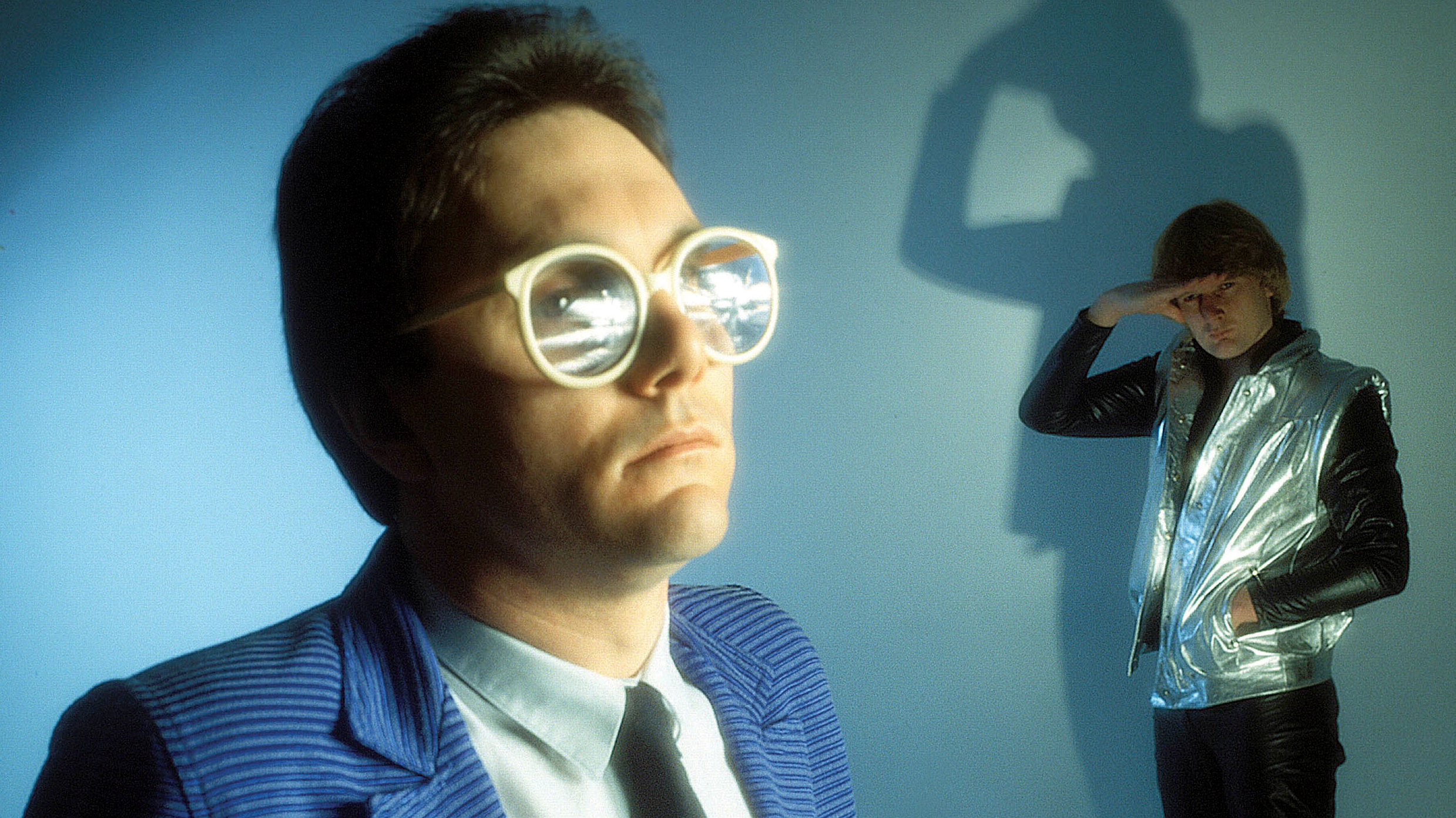
Gary Numan returns to the top of the singles chart, after doing so alongside his Tubeway Army a few weeks back, with another outsider anthem.
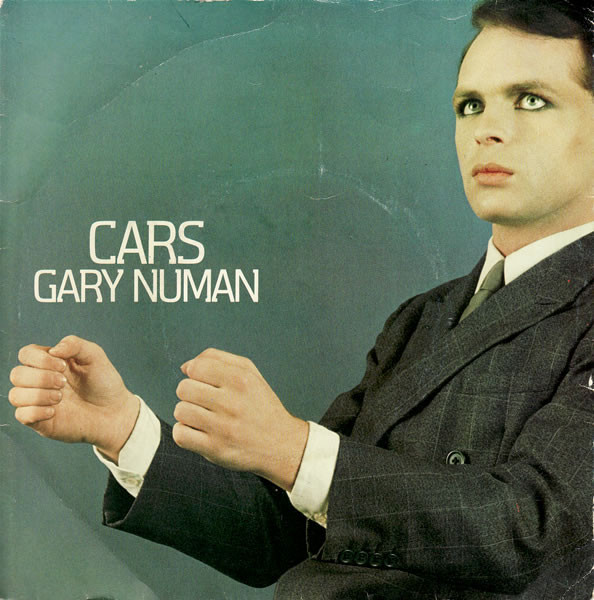
Cars, by Gary Numan (his 1st and only #1)
1 week, from 16th – 23rd September 1979
Here in my car, I feel safest of all… He’s locking the modern world away behind four doors and a boot. It’s the only way to live, In cars… It’s another memorable electronic riff: still clanking and industrial, but a little perkier than ‘Are ‘Friends’ Electric’, poppier even. Numan’s vocals are have lost the conversational tones of his earlier #1, and are full-on Kraftwerk-robot chic.
Here in my car, I can only receive… Is this, maybe, a little bit of a novelty? Is Numan hamming up the extra-terrestrial image he had seen grow around his live performances of ‘Friends’? I don’t know – perhaps that feels harsh. He was inspired to write this song after some unsavoury types had tried to drag him from his car… Had ‘Cars’ come first then maybe it’d sound just as ground-breaking. But… if you were to write a piss-take of a song by Gary Numan, it might sound a lot like this record.
As in ‘Friends’, there are variations on the main riff throughout the song. One is the grinding, clanking trip through a car factory without noise-cancelling headphones. One is a high-pitched counterpoint to this; that one sounds as if you’re speeding down a motorway at night. And then there’s the disco bit, the riff that reminds me of ‘Funkytown’, by Lipps Inc (which wasn’t released until November ’79 – maybe they’d heard ‘Cars’ while recording…)
This record is actually two-thirds instrumental. Once Numan has intoned his way through three verses (no choruses here), the synths take over and you just got to let them wash over you, man. I want to like this more; but with each listen I find my attention wandering by the end. Who am I to judge, though? ‘Cars’ has charted three times in the UK, and remains a staple of adverts, Best Ofs, and Numan’s live shows to this day. And it’s certainly a fine addition to the rich tapestry that is 1979’s chart-toppers.
This is credited to Numan, solo, but still features half of the Tubeway Army on the record. You could argue that both of his quick-fire #1s could be credited to either Numan or his Army, but hey. He remains active to this day, a synth pop legend, and many of the acts who will make this the sound of the early eighties owe him a debt. And if that’s not cool enough for you, how about the fact that, after helping invent synth-pop, he got his pilots’ license and set up own airline, Numanair, in 1981…







 The UK Number Ones Blog