Random Runners-Up: ‘Man of the World’, by Fleetwood Mac

Random runners-up is back! Following on from my latest recap, let’s take a break from analysing all those chart-toppers, and lavish some attention on those records that fell at the final hurdle: #2.

These records are genuinely chosen at random (thank you random.org), and this time the generator has kindly thrown up a chart-topper from each of the five decades we’ve covered so far. We’ll be going back as far as 1955, and as close to this blog’s ‘present day’ as 1996. But first up, it’s the sixties.

The generator has also thrown up three acts who we’ve already met in pole position. Fleetwood Mac had scored their only UK number one in January 1969, with the atmospheric instrumental ‘Albatross’.
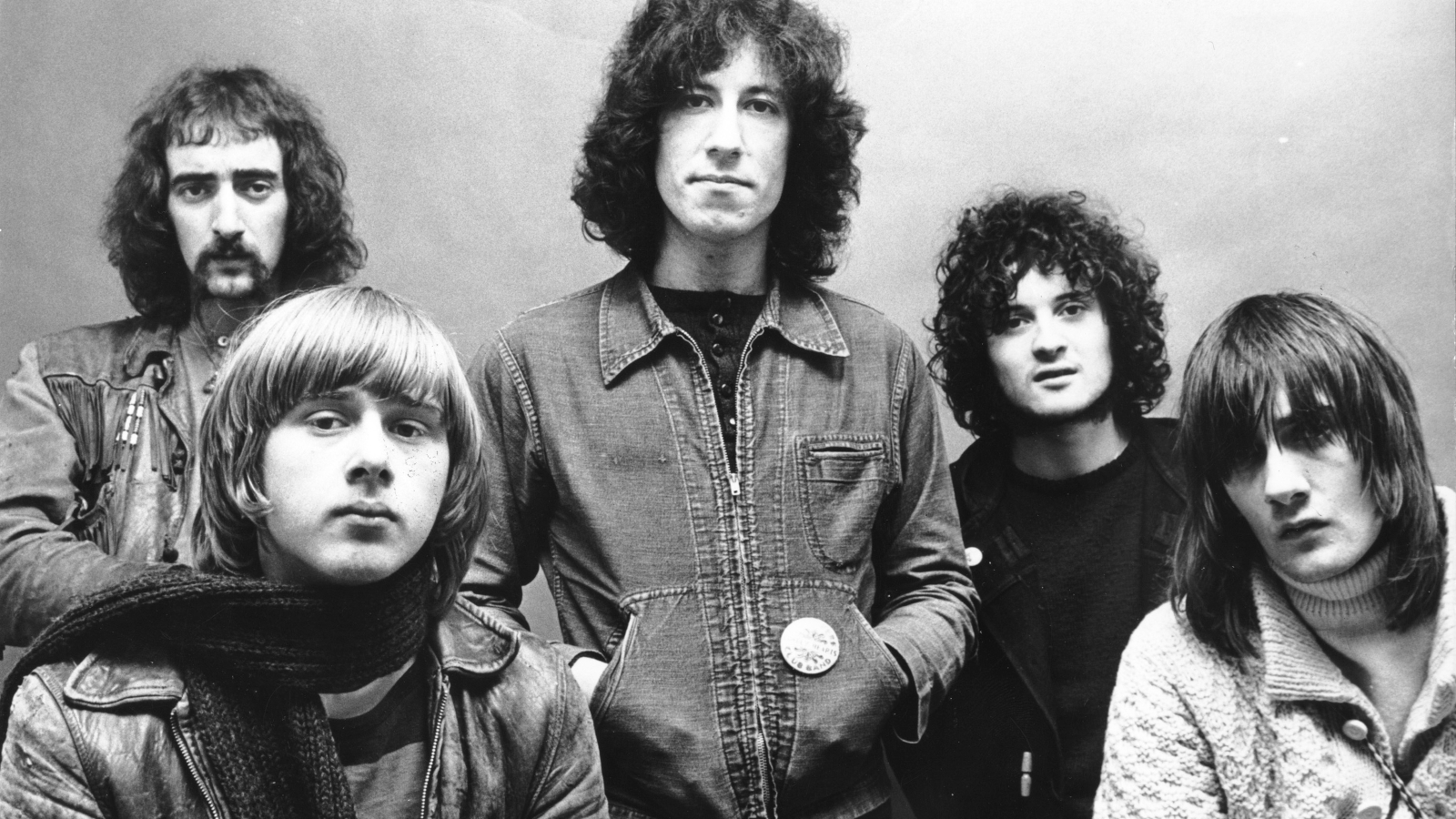
‘Man of the World’, by Fleetwood Mac

#2 for 1 week, from 28th May – 4th June 1969 (behind ‘Get Back’)

They followed that up with a couple of #2s, the first of which was ‘Man of the World’. It starts off as a simple acoustic number, with some echoey guitar flourishes, and some nice echoes back to ‘Albatross’ in the cymbal crashes and the rhythmic bass. Peter Green, then the band’s main singer and songwriter, mournfully drawls: I could tell you about my life, They say I’m a man of the world… There’s no one I’d rather be… Before howling: But I just wish I’d never been born…

Legend has it that it was these lyrics that first alerted his bandmates to the fact that Green might not have been mentally okay. Just a year later he left the band. It’s a well-worn topic, how fame and fortune don’t always lead to health and happiness, but seldom has it been spelled out as beautifully as on ‘Man of the World’. After a wonderful bluesy middle-eight about how a ‘good woman’ might help, it ends with a murmured And I wish I was in love…

When I was very young, I had a ‘Best of the Sixties’ cassette compilation. It was cheap, so it didn’t have the huge hits on it; but it had this. And so I knew ‘Man of the World’ long before I’d ever heard ‘Don’t Stop’, or ‘Little Lies’. Which is perhaps fitting, because it is this original incarnation of Fleetwood Mac that had the most UK singles chart success: a chart-topper, and two number twos. They would have to wait almost two decades for their next biggest hit: a #4 for ‘Everywhere’ in 1987.

By then, of course, and for most of their huge seventies successes, Mick Fleetwood and John McVie – whose surnames were combined to create the band’s name – were the two remaining original members. Peter Green meanwhile, struggled with his mental health throughout the seventies and eighties, but was sporadically involved in the music business, and with the other members of Fleetwood Mac. He joined the band for its induction into the Rock and Roll Hall of Fame in 1998, and died in 2020.

Tomorrow we have a seventies #2…

264. ‘Albatross’, by Fleetwood Mac

One question springs immediately to mind upon listening to our next #1: This is Fleetwood Mac? The Fleetwood Mac? The ‘Don’t Stop’, ‘Go Your Own Way’, ‘Little Lies’… Fleetwood Mac? Well yes, yes, and yes.

R-14619902-1578317634-8874.jpeg

Albatross, by Fleetwood Mac (their 1st and only #1)

1 week, from 29th January – 5th February 1969

And that’s not the only strange thing about this record. In fact, pretty much everything about this record is strange. It is one of the least ‘number one’ sounding number one records ever. It’s a musical interlude, the background soundtrack to an advert for roast lamb, the music played in a wellness spa… It’s ‘Chillout – Vol I’, three decades early.

That’s not to say it’s bad. I like it. It’s not the sort of thing I usually like; but I do. It’s a song called ‘Albatross’, which sounds exactly like an albatross soaring over the ocean. The insistent, see-saw bass is the bird’s wings, the guitar its call, and the cymbals the waves crashing below… As an instrumental it works. It doesn’t need lyrics. Lyrics might, and I’m going to contradict everything I’ve ever written about instrumental records here… Lyrics might have ruined it.

Placing this in context, in the late sixties, it is definitely the sort of record that you’d slip on before lighting up your bong and settling down to stare at a magic-eye picture. So, in some ways it’s a random January chart-topper; in other ways it makes complete sense for it to have hit #1 when it did.

$_12

What makes less sense is that this record will be Fleetwood Mac’s sole UK #1 single. One of the biggest bands of the seventies and eighties scored their one week at the top in 1969. In truth, they enjoyed far more singles chart success in the States than in their homeland. 1969 was actually their best year in the UK – one number one and a couple of number twos. Their huge hits from ‘Rumours’: ‘Dreams’, ‘Don’t Stop’ and ‘Go Your Own Way’ were huge hits only in America. Over the Atlantic none of them broke the Top 20.

Having said that, this Fleetwood Mac are a very different Fleetwood Mac to the one that everyone thinks of. Christine McVie would join in the early seventies, Stevie Nicks and Lindsay Buckingham in the middle of that decade. Only Mick Fleetwood and John McVie were around for ‘Albatross’, when they were a much blues-ier band.

In my mind, Fleetwood Mac will be forever linked with The Moody Blues, for the simple reason that my parents would play them – a lot – during long car journeys, and my heart would always sink when the tape came out. The Beatles, The Stones, The Eagles or ABBA? No problem. Simon and Garfunkel? Tolerable. The Moody Blues or Fleetwood Mac? Time to get my Walkman out. I’ve grown to like the Mac in old age more than I have The Moody Blues. But still, when I hear the synth intro to ‘Little Lies’ I instinctively shudder. Perhaps if the ‘Greatest Hits’ my parents owned had included their sixties hits, and their one and only chart-topper, I might have been won over much earlier…