Today’s Top 10 – June 12th, 1979

This latest randomly chosen Top 10 truly was randomly chosen. Other ‘Today’s Top 10’ posts have been themed around the Summer of Love, or the Merseybeat Explosion, or my birthday. This one though doesn’t feel like it has a theme. Yet mid-1979 was an interesting time for the charts – late-stage disco and cutting-edge new wave jostling to be the sound of the era – and I’d count the late seventies to early eighties one of the most fertile periods for number ones during our regular countdown. So, I’m intrigued and excited to hear what the top ten selling singles were this week forty-six years ago! Let’s do it…

10. ‘H.A.P.P.Y. Radio’ by Edwin Starr (up 12 / 4 weeks on chart)

Setting the tone for what is a fairly toe-tapping chart, it’s Edwin Starr and a disco-soul beauty crashing into the Top 10. ‘Songs celebrating the joy of listening to the radio’ is a not insignificant sub-genre, especially in the seventies and eighties, and this is a great addition to the canon. It’s a musical natural high… Edwin growls, over a high-tempo beat and funky horns. I had never heard this before – the only Starr song I knew was ‘War’ – but this was his third biggest hit in the UK (ascending to its #9 peak a week later). And he is an absolute dude in the video above, shimmying like a pro while some very perky backing dancers cut shapes behind him.

9. ‘Theme from the Deer Hunter (Cavatina)’, by The Shadows (up 1 / 8 weeks on chart)

If I’d sat down to make a list of acts I might have expected to see in the Top 10 in June 1979, then I think it would have taken me several days to suggest the Shadows. But here they are. For their recent ‘String of Hits’ album they had covered several big seventies hits, such as ‘Bridge Over Troubled Water’, ‘Baker Street’ and ‘You’re the One That I Want’ (link provided, because that’s just too intriguing not to…) Their take on ‘Don’t Cry for Me Argentina’ had made #5 a few months before, and now this cavatina – Italian for a simple melody – gave them their sixteenth Top 10 hit (or their forty-first, if you include all their Cliff features). It’s a beautiful melody, much more mature and restrained than their earlier work, but Hank Marvin’s guitar chimes as crystal clear as ever.

8. ‘We Are Family’, by Sister Sledge (up 13 / 4 weeks on chart)

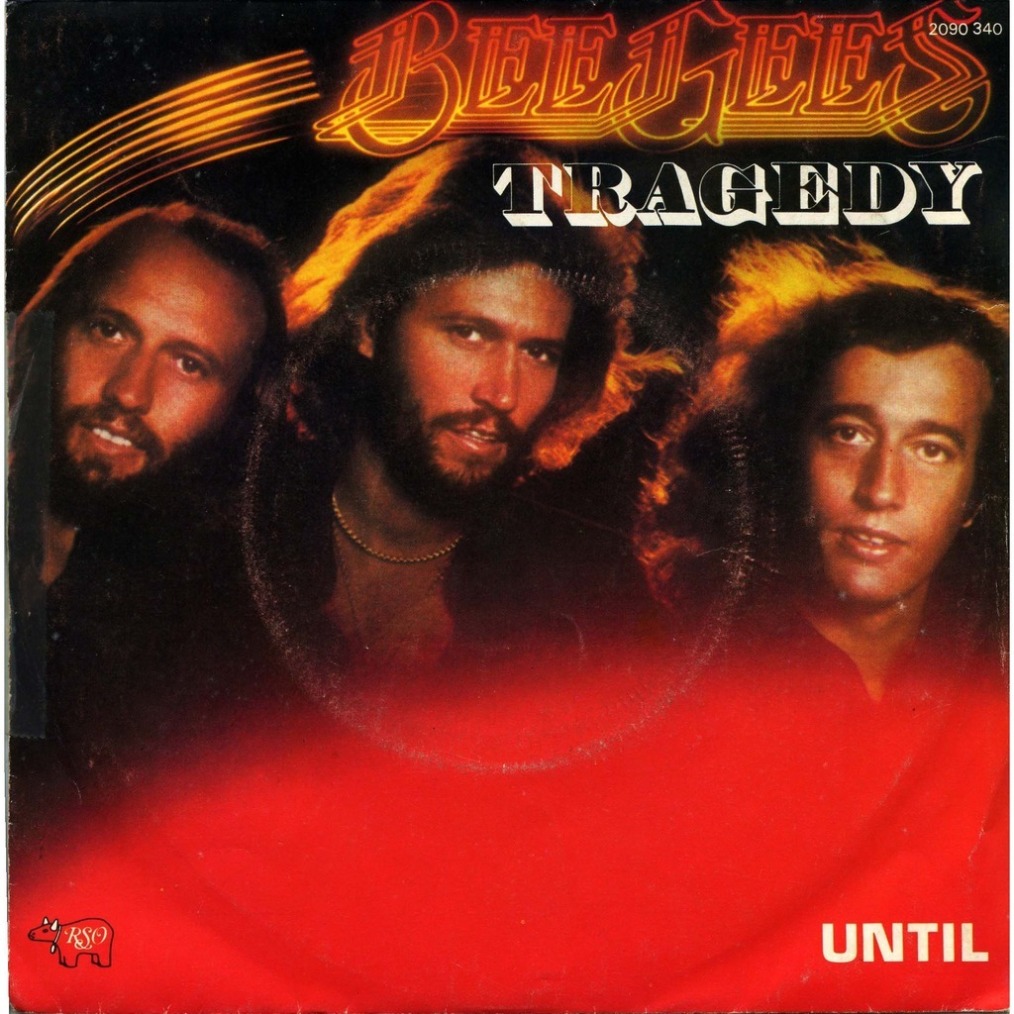
Here comes the disco, then. Despite how close to the genre was to imploding through over-exposure (more so in the US, with ‘disco sucks’ and all that, than in the UK), the first six months of 1979 brought us some of disco’s biggest hits. ‘I Will Survive’, ‘Tragedy’, not to mention ‘Y.M.C.A’. In fact, just cast your eyes further down this Top 10 to see the extent of the disco domination. ‘We Are Family’ was the follow-up to Sister Sledge’s breakthrough hit ‘He’s the Greatest Dancer’, and surprisingly for such a ubiquitous anthem it managed no higher than #8 (then #5 after a remix in 1993). It was written by Nile Rodgers and Bernard Edwards, the first song they had ever written and not recorded with Chic.

7. ‘Are “Friends” Electric’, by Tubeway Army (up 13 / 5 weeks on chart)

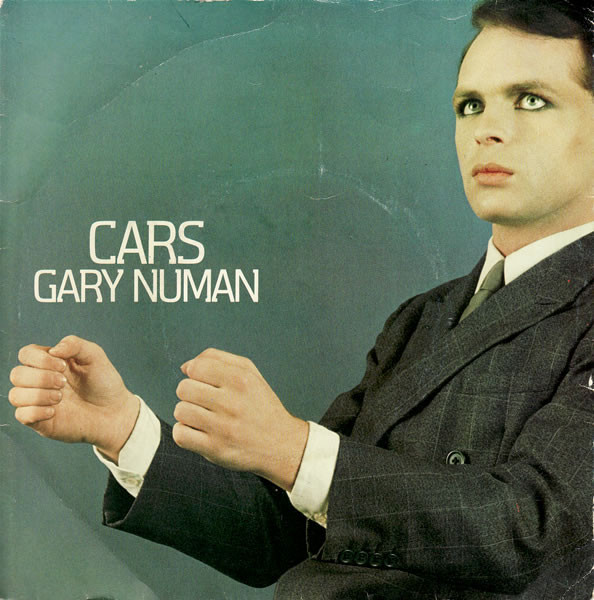
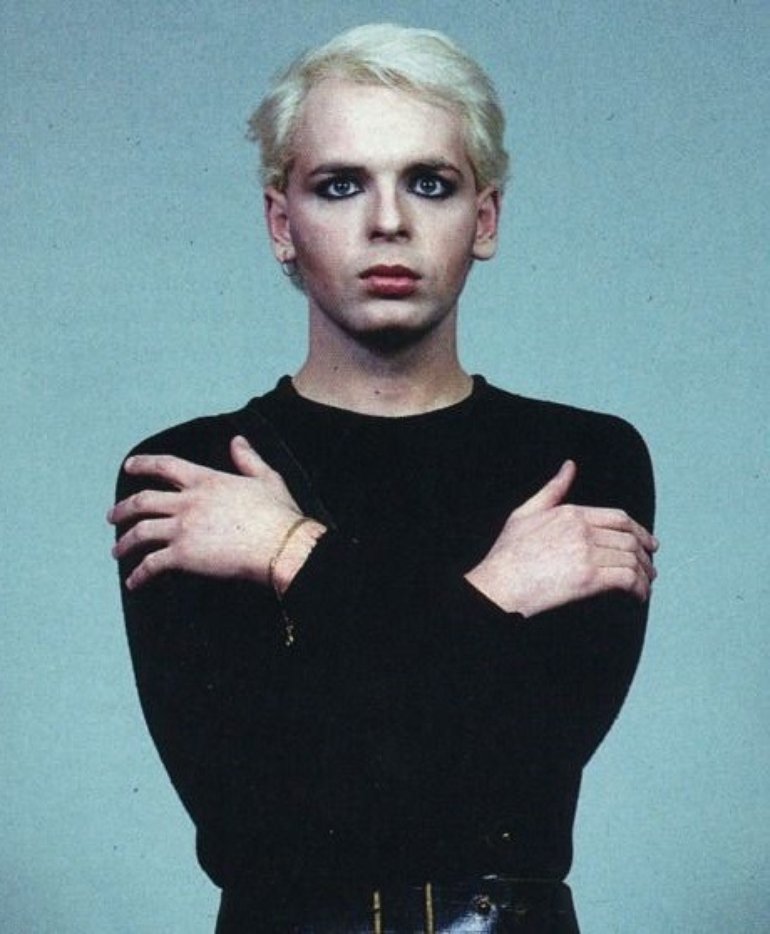
Disco may have been reigning supreme, but there were signs that its days were numbered. Here comes the sound of the future: Gary Numan and Tubeway Army storming into the Top 10 on their way to number one. Not technically the first new-wave #1, but certainly one of the most arresting of all time. And almost certainly the only one about a robot prostitute. Read my original post here.

6. ‘Shine a Little Love’, by Electric Light Orchestra (non-mover / 5 weeks on chart)

Every band seemingly had a disco phase in the late-seventies, and ELO were no different. Though they were hardly the most unlikely candidates to do so, being always willing to try out various pop sounds in their fantastic run of singles throughout the decade. There’s so much more to this record than the disco strings: the galloping beat, the falsetto chorus, the groovy bassline… Great stuff.

5. ‘Ain’t No Stopping Us Now’, by McFadden & Whitehead (up 3 / 5 weeks on chart)

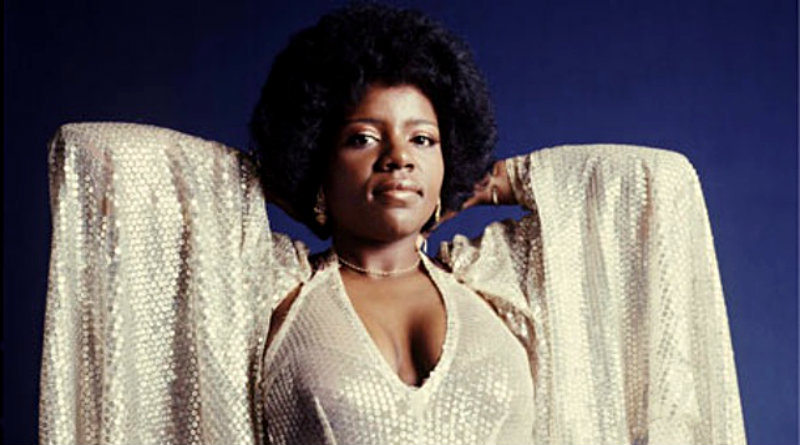
Disco could often veer towards cheesiness – see the record on top of this chart – but the record peaking this week at #5 is as classy and soulful as the genre got. Despite sounding more like a law firm, McFadden and Whitehead were R&B producers du jour throughout the seventies, working with acts like Gloria Gaynor, The Jacksons, James Brown and Gladys Knight, before releasing their own recordings. ‘Ain’t No Stopping Us Now’ was their one big hit, but it has gone down in history as an anthem of Black Americans: I know you refuse to be held down no more… Its fantastic bassline has also lived on, and provided the foundations for Madison Avenue’s 2000 chart-topper ‘Don’t Call Me Baby’.

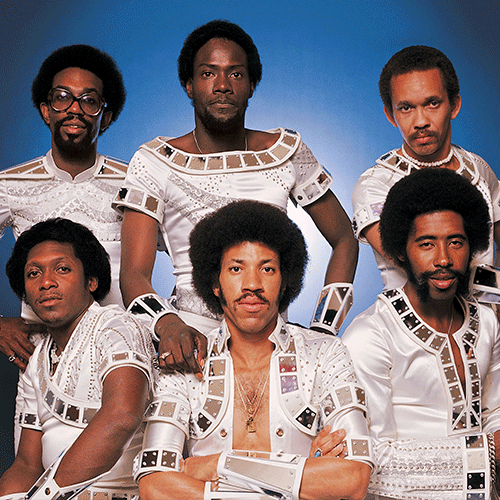
4. ‘Boogie Wonderland’, by Earth, Wind & Fire and The Emotions (non-mover / 6 weeks on chart)

Disco-ed out yet? Hopefully not, for here we have one of the most disco-drenched records of all time. ‘Boogie Wonderland’ delivers on its titular promise, providing five minutes of dramatic strings, falsetto vocals and funky bassline. The video gives the impression of a massive jam session, with the members of Earth, Wind and Fire, along with female vocalists the Emotions, having a grand old time on stage. It was inspired, though, by the story of a murdered schoolteacher, with ‘Boogie Wonderland’ representing a mythical place where troubles could be forgotten.

3. ‘Dance Away’, by Roxy Music (down 1 / 8 weeks on chart)

Perhaps the outlier in this week’s Top 10, as Roxy Music give us a slice of smooth, smooth soft rock. It was their first big hit in almost four years, and marked a new chapter after their emergence as a maverick glam rock act at the start of the decade. ‘Dance Away’ was dropping from its #2 peak, making it Roxy Music’s joint-biggest hit in the UK, and it set the tone for their second era of chart dominance, which would end in a belated #1, with their cover of ‘Jealous Guy’ in the wake of John Lennon’s assassination.

2. ‘Sunday Girl’, by Blondie (down 1 / 5 weeks on chart)

Dropping after three weeks on top, it’s Blondie’s second British number one. Perhaps the most forgotten of their six chart-toppers? But considering that Blondie had one of the strongest runs of hitmaking in pop history, even their less well-remembered tunes are crackers. It’s also their poppiest number one, with a retro girl-group feel among the new-wave power chords. Read my original post on it here.

1. ‘Ring My Bell’, by Anita Ward (up 2 / 3 weeks on chart)

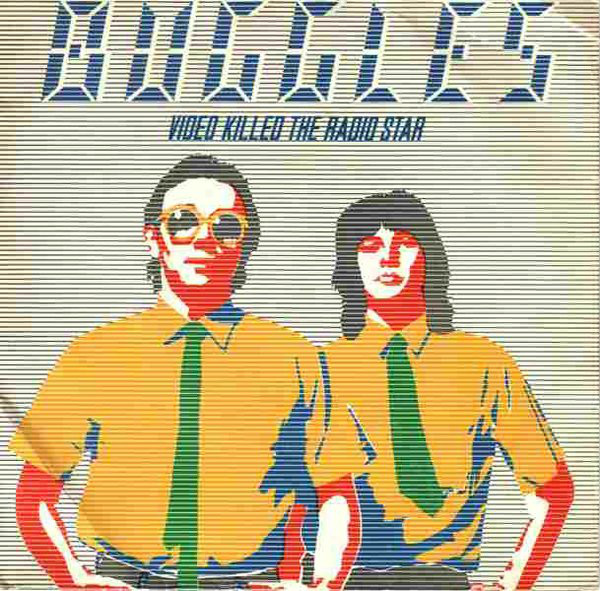
And climbing to the top for the first week of a fortnight at number one, one of the last huge disco hits. In fact, you could argue that this was the last true disco chart-topper, as it was followed by Tubeway Army, the Boomtown Rats, the Police and the Buggles. Of course plenty of number ones since have had disco touches, all the way through to the nu-disco dance hits that we’ve been covering throughout 2000, but they all feel more like they’re using it as a reference, rather than being born of the movement.

So, if ‘Ring My Bell’ was indeed the last true disco #1, it is both a classic of the genre, and an explanation for why some were growing sick of it. For everyone who enjoys the pew-pew sound effects and the high-pitched innuendo of the chorus, there will be others who find it gimmicky and annoying. I could go either way on this record, depending on my mood.

And that was the Top 10 on this day forty-six years ago. A real uptempo run of hits, dominated by disco, but with enough of a hint of the decade to come to keep things interesting. And, of course, the Shadows, too. Up next, we will be heading into 2001…
Recap: #421 – #450

Recap time! Our fifteenth recap, taking in just under two years, from spring 1978 to the early, early weeks of 1980. It would have been great had this recap fallen right at the end of the seventies, but hey…

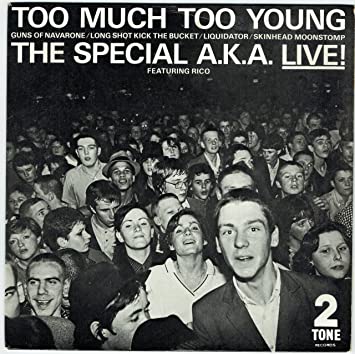
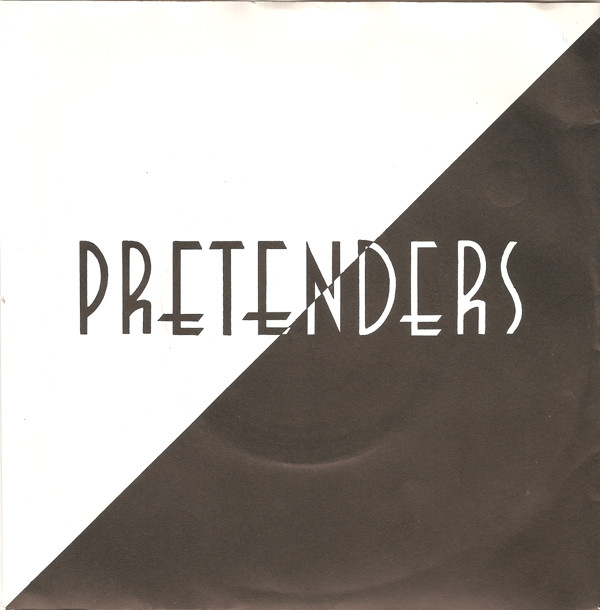
Our two most recent #1s have felt like a step forward, not just because they were the first two of the ‘80s, but because they’ve been so bold, so vibrantly dripping with (post) punkish attitude. The Pretenders swaggered into the new decade with ‘Brass in Pocket’, while The Specials shouted about birth-control – live – in ‘Too Much Too Young’. The eighties have begun with a bang. Can it last? (Well, sorry… no. Just wait till you see who’s up next!)

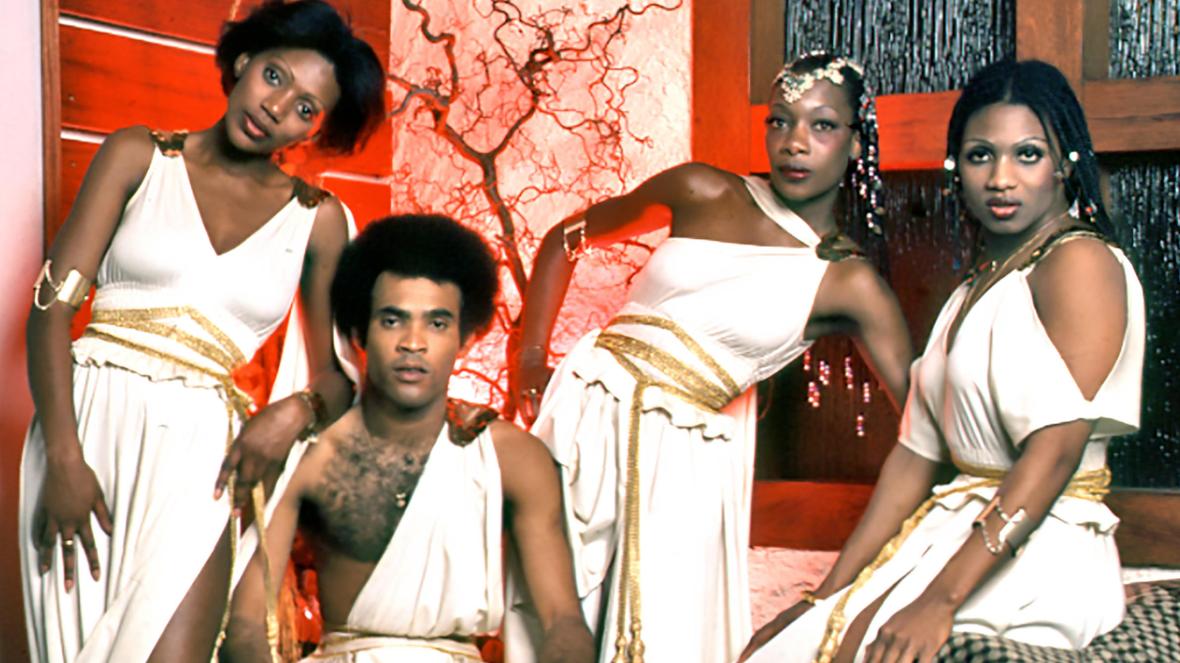
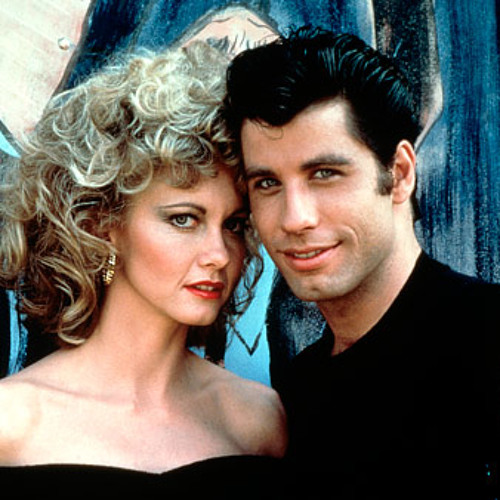
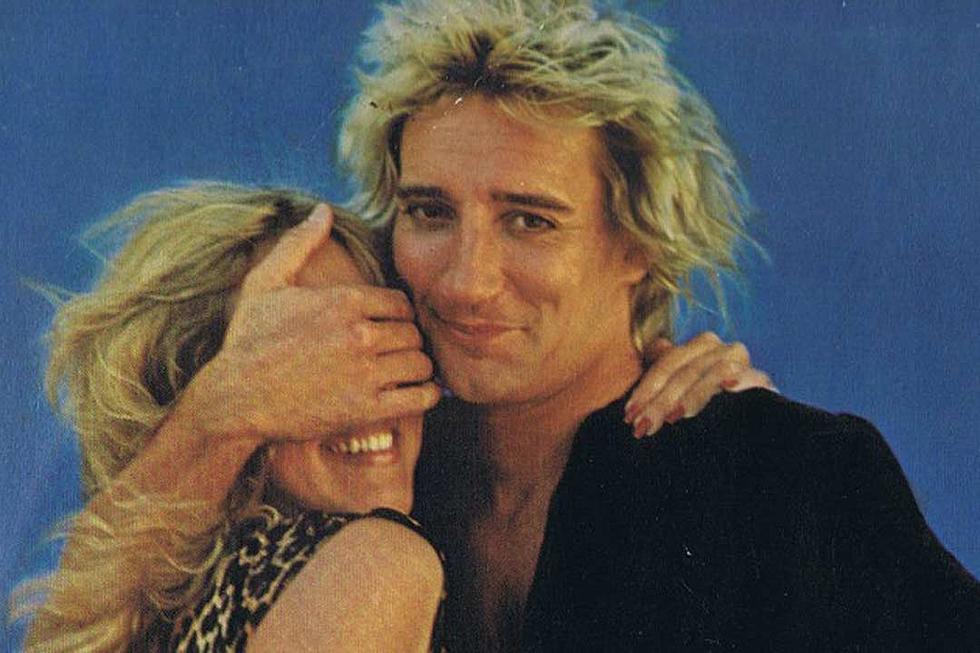
But, let me take you back a couple of years, to a time when disco still ruled the airwaves. The genre would explode in a puff of glitter, after a glorious run of chart-toppers, in early 1979. Before that, though, ’78 was probably the most disjointed, undefinable year of the decade. There were sixteen weeks where songs from the ‘Grease’ soundtrack occupied top-position, two shots of religious, disco-calypso from Boney M, a flashback to the MOR days of ’76-’77 from the Commodores, 10cc went reggae, Rod Stewart asked if we think he’s sexy… while The Boomtown Rats scored the very first new-wave #1. There were some long stays at the top – five weeks seemed to be the average – and some very high sales: ‘Rivers of Babylon’ and ‘You’re the One That I Want’ are in the Top 10 of all time.

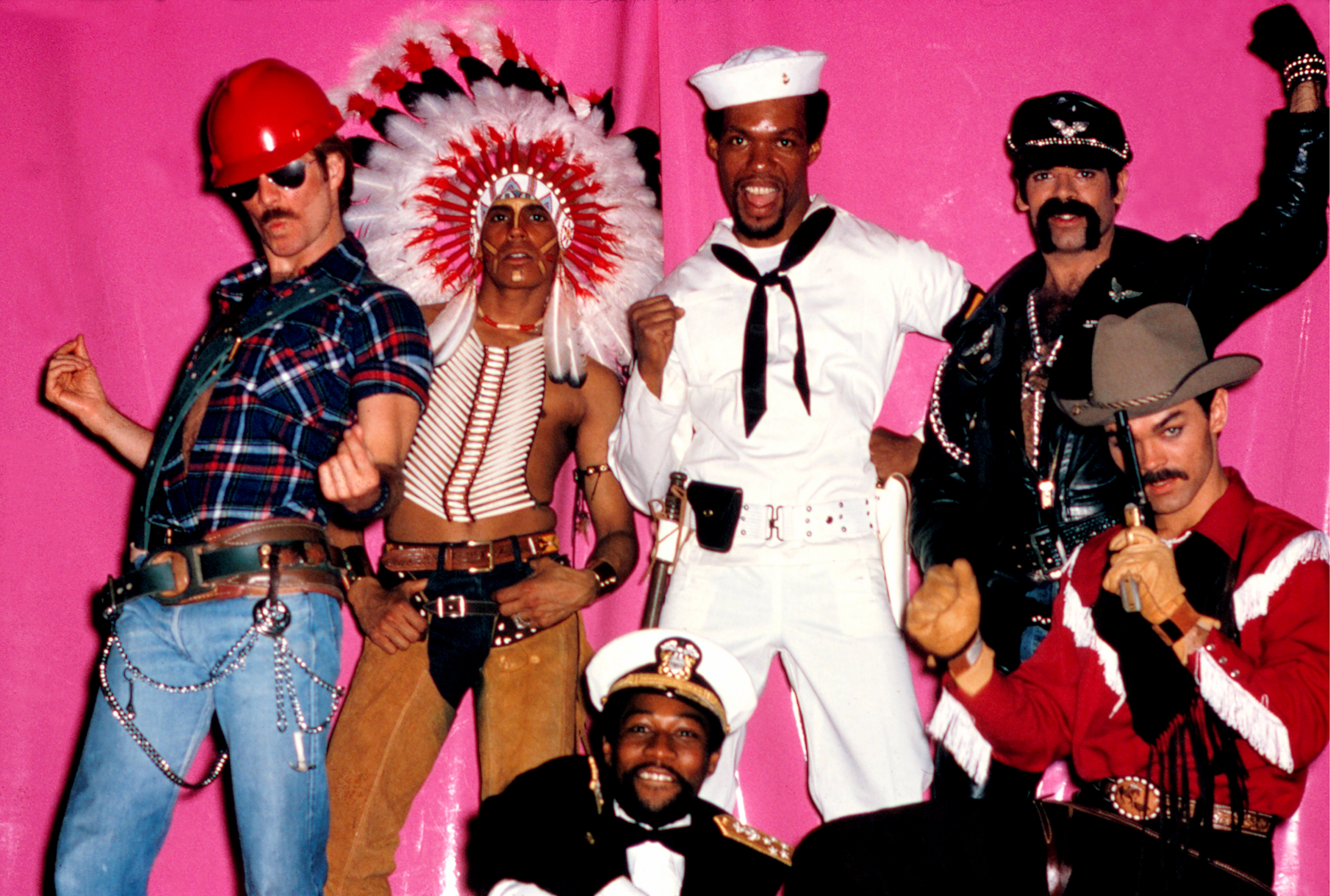
But then, on New Year’s Eve 1978, The Village People sounded their klaxon, everyone ran to the dancefloor, and we were off on a thrilling run of chart-topping singles. One of the best ever. ‘YMCA’, ‘Tragedy’, ‘I Will Survive’ and ‘Heart of Glass’ perfected disco, meaning that the genre was completed, finished, not needed again. By the time Anita Ward came along, ringing her bell, it felt a little old hat. Blondie, in particular, had taken things a step further, mixing synths and guitars into the mix. The new-wave future had arrived…

Actually, the future seemed to be arriving every few weeks by the summer of 1979… Gary Numan and his Tubeway Army scored a couple of impossibly cool, completely electronic number ones. Bob and his Rats returned, with a rock opera about a school shooting. The Police brought a reggaeish, post-punk to the charts. The Buggles asked if this new-fangled video age was all it was cracked up to be… By the end of the year, Pink Floyd – releasing their first single in twelve years – had a Christmas number one about teachers and their means of mind-control…

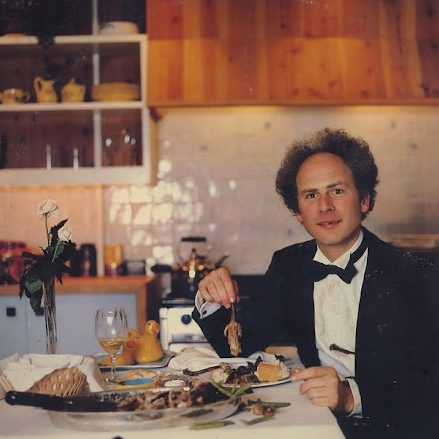
There were anomalies in all this. The charts never quite do what you want them to. Right at the start of this run, Brian and Michael had a huge folksy singalong about the artist LS Lowry. Art Garfunkel had a low-key ballad about dead rabbits (and, of course, scored the year’s biggest-selling single). Cliff came back! With his best number one, ever! Country and Western kept popping up when you least expected it to…

I said at the time that I felt 1979 was the best year of the decade in terms of variety and quality of chart-toppers. I may not have loved every single one – in terms of my own personal enjoyment I’d say the glam years of ’72-’74 were ‘better’ – but the experimentation and sheer love for pop music that shone through in these closing months of the ‘70s was something else. And a very refreshing change after everything had gone a little soft-rock in our previous recap.

Which means there might be stiff competition when I have to choose the best of this past bunch. But first… the lesser awards. The ‘Meh’ Award, for example. Like I said, not many of the past thirty #1s have been dull. But I have three. I considered ‘Bright Eyes, but Art already has a ‘Meh’ award to his name, and to give a legend like him two out of two just seems mean. I also toyed with The Police and their second number-one, ‘Walking on the Moon’, which just didn’t connect with me. But, edging them out… not once, not twice, but three-times as dull… The Commodores with ‘Three Times a Lady’: a sludgy relic from the days when David Soul and Leo Sayer were ruling the charts.

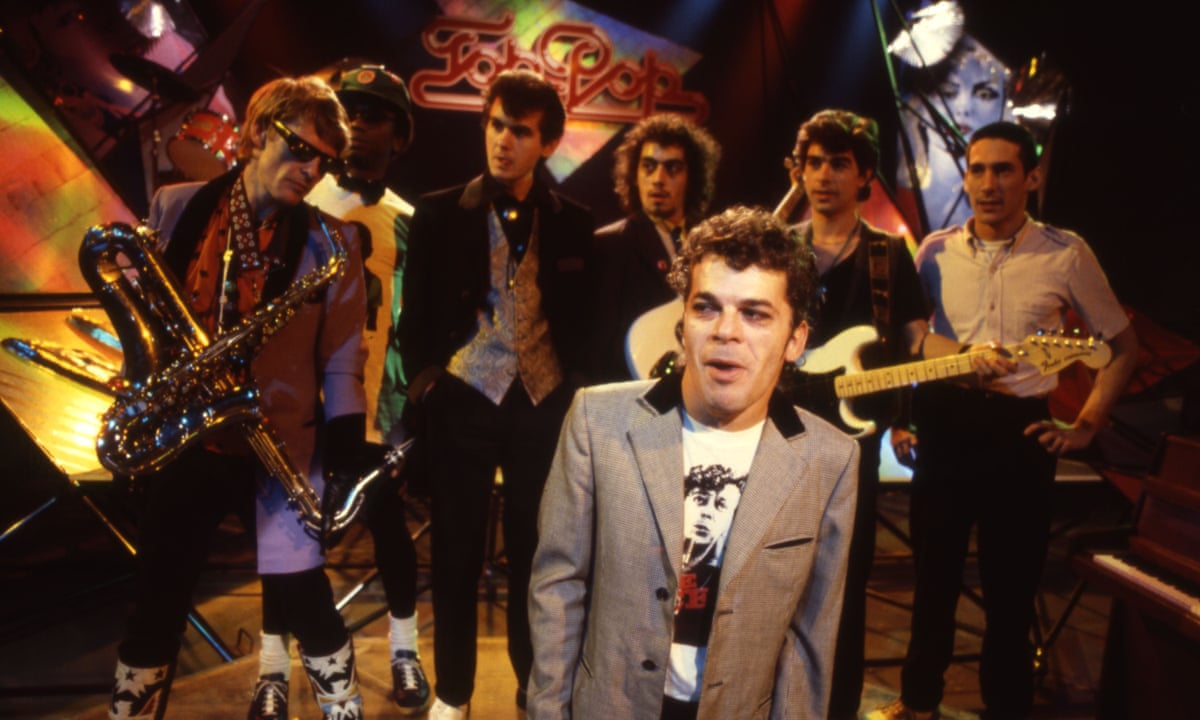
On to the ‘WTAF’ Award, for being interesting if nothing else. Plenty of interesting #1s this time around. The Tubeway Army… ‘Cars’… The Buggles… But giving it to one of them would be because they sounded new and exciting. Not ‘weird’, as such. No, if you want weird, you have to choose between Ian Dury and his rhythm stick, or Pink Floyd’s ‘Another Brick in the Wall Pt II’. When I made my notes for this post a few days ago, I assumed I’d go with the Floyd. But, really, that record is just an Eagles-beat with some kids shouting. Whereas The Blockheads gave us a punky disco world-tour, from the deserts of Sudan to the gardens of Japan, full of shouting in German and spiky saxophone, sung by a self-proclaimed cripple poet. ‘Hit Me With Your Rhythm Stick’ has it.

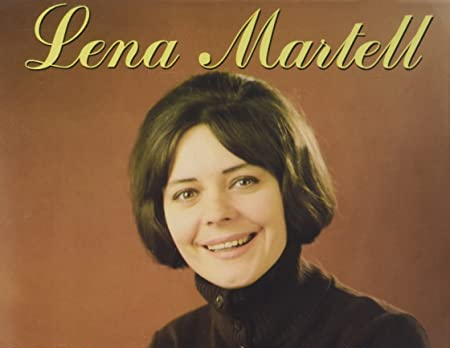
The main events, then. The fifteenth Very Worst Chart-Topper, joining luminaries such as Donny Osmond, Jimmy Young, and… checks notes… Elvis. Should I give it to Brian and Michael’s irritatingly parochial celebration of Lowry: ‘Matchstalk Men and Matchstalk Cats and Dogs’? No. A) That was fundamentally catchy. And B) ‘One Day at a Time’ exists. Yes, Lena Martell somehow preached her way to three weeks at the top with a self-righteous slice of country. It was by far the worst of the past bunch. Sweet Jesus!

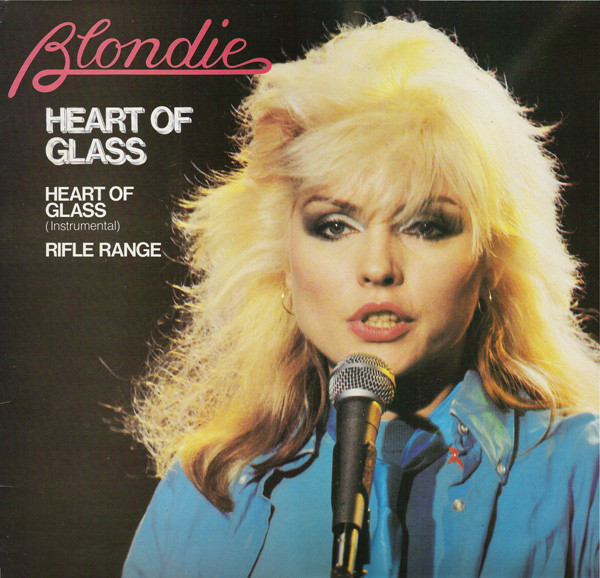
Finally, then. Fanfare please. The Very Best Chart-Topper of the last thirty. I said earlier that there was a lot of competition but, to be honest, there’s only one winner this time around. I loved ‘YMCA’, ‘Rat Trap’, ‘I Will Survive’ and the ‘Grease’ hits… But towering above them all are Blondie, and ‘Heart of Glass’. One of the coolest songs ever to have topped the charts, and the perfect choice to sum up this moment in pop history, as we stand on the verge of a new decade, a new era…

To recap the recaps:

The ‘Meh’ Award for Forgettability:

  1. ‘Hold My Hand’, by Don Cornell.
  2. ‘It’s Almost Tomorrow’, by The Dream Weavers.
  3. ‘On the Street Where You Live’, by Vic Damone.
  4. ‘Why’, by Anthony Newley.
  5. ‘The Next Time’ / ‘Bachelor Boy’, by Cliff Richard & The Shadows.
  6. ‘Juliet’, by The Four Pennies.
  7. ‘The Carnival Is Over’, by The Seekers.
  8. ‘Silence Is Golden’, by The Tremeloes.
  9. ‘I Pretend’, by Des O’Connor.
  10. ‘Woodstock’, by Matthews’ Southern Comfort.
  11. ‘How Can I Be Sure’, by David Cassidy.
  12. ‘Annie’s Song’, by John Denver.
  13. ‘I Only Have Eyes For You’, by Art Garfunkel.
  14. ‘I Don’t Want to Talk About It’ / ‘The First Cut Is the Deepest’, by Rod Stewart.
  15. ‘Three Times a Lady’, by The Commodores.

The ‘WTAF’ Award for Being Interesting if Nothing Else:

  1. ‘I See the Moon’, by The Stargazers.
  2. ‘Lay Down Your Arms’, by Anne Shelton.
  3. ‘Hoots Mon’, by Lord Rockingham’s XI.
  4. ‘You’re Driving Me Crazy’, by The Temperance Seven.
  5. ‘Nut Rocker’, by B. Bumble & The Stingers.
  6. ‘You’ll Never Walk Alone’, by Gerry & The Pacemakers.
  7. ‘Little Red Rooster’, by The Rolling Stones.
  8. ‘Puppet on a String’, by Sandie Shaw.
  9. ‘Fire’, by The Crazy World of Arthur Brown.
  10. ‘In the Year 2525 (Exordium and Terminus)’, by Zager & Evans.
  11. ‘Amazing Grace’, The Pipes & Drums & Military Band of the Royal Scots Dragoon Guard.
  12. ‘Kung Fu Fighting’, by Carl Douglas.
  13. ‘If’, by Telly Savalas.
  14. ‘Wuthering Heights’, by Kate Bush
  15. ‘Hit Me With Your Rhythm Stick’, by Ian Dury & The Blockheads.

The Very Worst Chart-Toppers:

  1. ‘Cara Mia’, by David Whitfield with Mantovani & His Orchestra.
  2. ‘The Man From Laramie’, by Jimmy Young.
  3. ‘Roulette’, by Russ Conway.
  4. ‘Wooden Heart’, by Elvis Presley.
  5. ‘Lovesick Blues’, by Frank Ifield.
  6. ‘Diane’, by The Bachelors.
  7. ‘The Minute You’re Gone’, by Cliff Richard.
  8. ‘Release Me’, by Engelbert Humperdinck.
  9. ‘Lily the Pink’, by The Scaffold.
  10. ‘All Kinds of Everything’, by Dana.
  11. ‘The Twelfth of Never’, by Donny Osmond.
  12. ‘The Streak’, by Ray Stevens.
  13. ‘No Charge’, by J. J. Barrie
  14. ‘Don’t Give Up On Us’, by David Soul
  15. ‘One Day at a Time’, by Lena Martell.

The Very Best Chart-Toppers:

  1. ‘Such a Night’, by Johnnie Ray.
  2. ‘Cherry Pink and Apple Blossom White’, by Perez ‘Prez’ Prado & His Orchestra.
  3. ‘Great Balls of Fire’, by Jerry Lee Lewis.
  4. ‘Cathy’s Clown’, by The Everly Brothers.
  5. ‘Telstar’, by The Tornadoes.
  6. ‘She Loves You’ by The Beatles.
  7. ‘(I Can’t Get No) Satisfaction’, by The Rolling Stones.
  8. ‘A Whiter Shade of Pale’, by Procol Harum.
  9. ‘I Heard It Through the Grapevine’, by Marvin Gaye.
  10. ‘Baby Jump’, by Mungo Jerry.
  11. ‘Metal Guru’, by T. Rex.
  12. ‘Tiger Feet’, by Mud.
  13. ‘Space Oddity’, by David Bowie.
  14. ‘I Feel Love’, by Donna Summer.
  15. ‘Heart of Glass’, by Blondie.

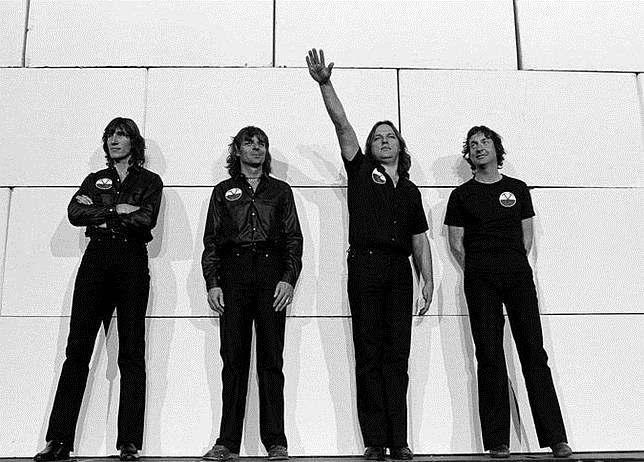
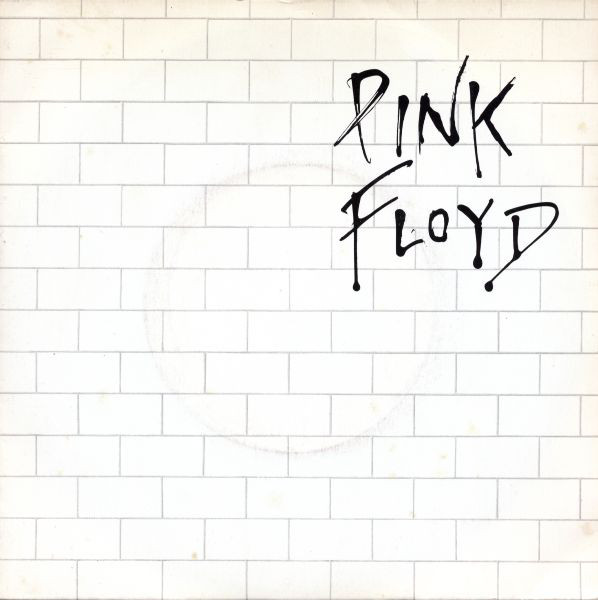
448. ‘Another Brick in the Wall Pt. II’, by Pink Floyd

Here we are then. The final #1 of the seventies, or the first of the eighties. Or both! And, well, at least we’re not ending with a whimper…

Another Brick in the Wall Pt II, by Pink Floyd (their 1st and only #1)

5 weeks, from 9th December 1979 – 13th January 1980

‘Another Brick in the Wall Pt II’ was of course, the Xmas #1 for 1979, and a couple of Christmas ‘must haves’ are present: a novelty element, and a children’s choir (of sorts)… It also acts as a bit of a ‘Best Of the Late-Seventies’, as musically it’s a blend of MOR rock, and disco. (The riff really puts me in mind of The Eagles’ ‘One of These Nights’… there are purists out there who’ll hate that comparison!)

And then there’s the band that put all this together, Pink Floyd: one of decade’s biggest, most successful, influential acts… scoring their first British hit since 1967. Like Led Zep, singles were beneath Pink Floyd, and they had to undergo some real persuasion to make this record. The disco beat, the children, releasing it as a single: all brainwaves from the song’s producer, Bob Ezrin.

We don’t need no education, We don’t need no thought control… Roger Waters wrote this record as a satire of his experiences at boarding school. The video features a giant cartoon teacher feeding hundreds of children into a meat grinder. The point is then literally ‘hammered’ home when the teacher turns into an, um, hammer… No dark sarcasm in the classroom…!

The best bit is when the kids take over for the second verse. Their Hey! Teacher! Leave us kids alone! is genuinely spine-tingling. We then exit with a long solo – again, I’m getting Eagles… – and you’re left kind of scratching your head. OK. That was… something. My uncertainty maybe comes from the fact that this is Pt II of III. The album version starts abruptly with a train screeching, and ends weirdly, with a telephone ringing, after some voice actors have yelled trippy lines like: How can have any pudding, If you don’t eat your meat…???

For those to potentially be the last words spoken on the final #1 of the 1970s is bizarre. I say ‘potentially’, for I don’t know if they were actually on the single edit. If you listen to all three ‘parts’ of ‘Another Brick In the Wall’ it does start to make a little more sense – Parts I and III are variations on the same riff – but, just to make things even more complicated, the tracks don’t even run concurrently on the album…

Another thing that the 168th #1 of the seventies brings back to the top, just in time, is prog rock. Or, at least, a prog band. It was one of the biggest genres of the decade, albums wise, but we haven’t seen much if it in the singles, for obvious reasons (like prog bands not bothering to release them!) You could make the case for 10cc’s ‘I’m Not in Love’, and ‘Bohemian Rhapsody’ being prog #1s, but I’m struggling to think of others. Way, way back in my post on The Moody Blues’ ‘Go Now!’ I argued my ‘Problems with Prog’, and the same applies to Pink Floyd. As is pretty much the law, I bought a copy of ‘Dark Side of the Moon’ aged seventeen, and listened to it… twice, maybe. I just didn’t get it; and didn’t have much inclination to try to get it.

Not that this isn’t an interesting song, though, and a fitting end to a rich and diverse year of chart-toppers. I’ve said it before: 1979 is the ‘best’ year of the ‘70s in terms of chart-topper quality (though 1973 would probably be my favourite year of the decade, just for all the glam stompers…) And it was a controversial Xmas #1, too. The London Education Authority labelled it a ‘scandalous’ slander on the teaching profession. Apparently the new Prime Minister, one Margaret Thatcher, wasn’t too keen on it either… Which is fitting, as quite a few of the biggest acts from this new and upcoming decade had plenty to say about her…

Listen to (almost) every #1 single from the 1970s here:

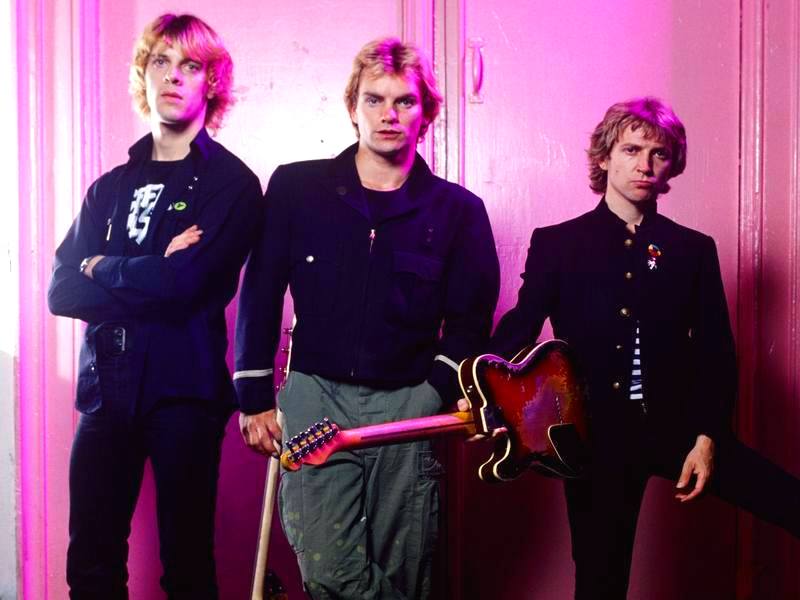
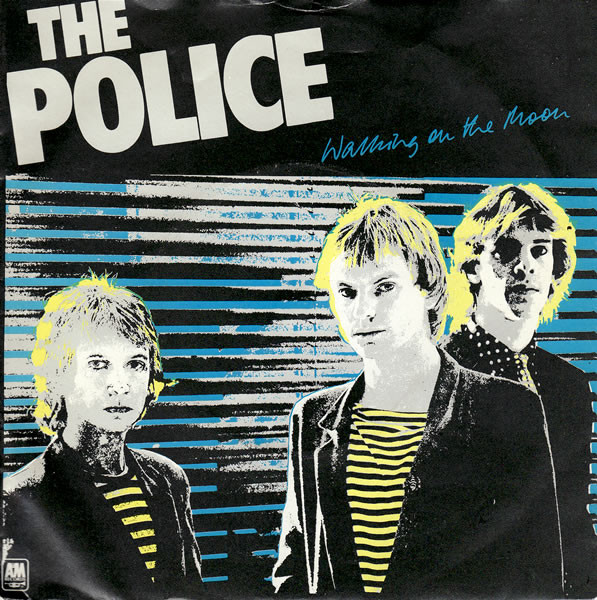
447. ‘Walking on the Moon’, by The Police

Back in my post on Blondie’s ‘Sunday Girl’, I pushed the idea of a forgotten number one. A band racks up a few chart-toppers; one inevitably doesn’t remain in our collective memories quite as much as the others. Here then, is The Police’s…

Walking on the Moon, by The Police (their 2nd of five #1s)

1 week, from 2nd – 9th December 1979

It’s got a slow build up, this one, with a bass riff and sparse, chiming guitars. It’s got even more of a reggae vibe than the band’s first #1, ‘Message in a Bottle, and more than a hint of jazz in the tickly drums. I like it, at first. Sting’s walking back from his girlfriend’s house: Walking back from your house, Walking on the moon… The idea is that when you’re in the first throws of love, you feel light, as if you could defy gravity.

Which is nice. But the concept, and the stripped-back music, gets stretched very thin over this five minute record. I keep waiting for the punk guitars to kick in, as they did to save ‘Message in a Bottle’, but they never do. The liveliest it gets is the middle-eight: So, they say… I’m wishing my days away… The pace quickens, and a little urgency enters Sting’s voice, for a moment or two. But, on the whole, I’m filing this one under ‘dull’.

I admitted in my first Police post that they were a band I struggled with, and this record is not doing much to change my mind. As I listen, I have one eye on the ‘Meh’ award in my upcoming recap… But. I think this is a bit of a false start to the Police’s chart-topping career. 1979 might have been their most prolific year, in terms of #1s; however, there is better to come from their eighties hits. I just know it.

The last minute is one giant fade out, with Sting chanting Keep it up… for far longer than he needs to. You begin to wish they hadn’t kept it up, or had at least considered a radio-edit. (One does exist, but pretty much every version around nowadays is the full-length album track.) ‘Walking on the Moon’ would sound pleasant at a beach bar around sunset, but you wonder how this managed to become a best-selling single. Of course, that might be an indicator of how big The Police were at this stage of their career – their second album – and that they were well on their way to becoming one of the biggest bands in the world…

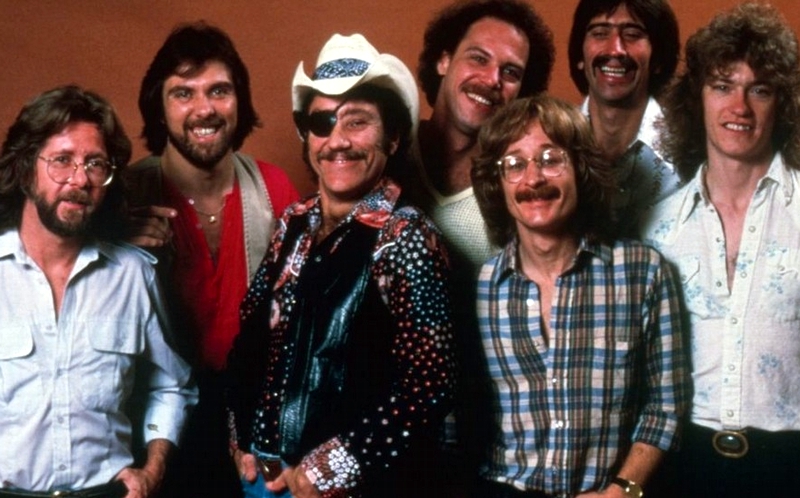
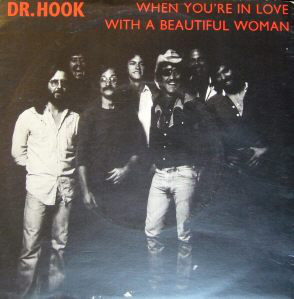
446. ‘When You’re In Love With a Beautiful Woman’, by Dr. Hook

The pre-penultimate #1 of the decade, then. And what’s this…? More country and western?

When You’re In Love With a Beautiful Woman, by Dr. Hook (their 1st and only #1)

3 weeks, from 11th November – 2nd December 1979

At least this isn’t the abrasive, twanging, Lord-have-mercy country style brought to us by Lena Martell. It’s a much softer, disco-edged kind of country. A sort of pop-Eagles. Completely against the grain of what’s topped the charts for much of 1979, but perfectly pleasant.

Let’s get one thing out of the way first: When you’re in love with a beautiful woman, It’s hard… (You know it gets so hard…) Well, quite. Stop sniggering at the back, there! Innuendo aside, it’s an interesting concept for a song, and very ‘country’ in the way a good thing – being in love with a beautiful woman – is gleaned for negatives.

You can’t trust your friends around her, you see. You watch her eyes. You wonder who that was hanging up when you answered the phone… Everybody wants her, Everybody loves her, Everybody wants to take your baby home… I like the backing vocalists – You better watch your friends, Watch your friends… – that feel as if they’re whispering devils on the singer’s shoulder.

Actually, though, if you stop and think about it, it’s a little bit sinister. Your lover’s unfaithful, your friends are backstabbers, the world is out to burst your loved-up bubble… Maybe it’s just an ego problem… sing Dr Hook. Sounds like it, yup. It’s a bit of a study in fragile masculinity, really. What’s the solution? Only go for ugly girls…? Be less of a suspicious twat…?

However, it’s easy to ignore the creepy undertones, and to get swept away by this light, fun, fairly inconsequential chart-topper. Dr Hook had been around since the start of the decade, popping up in the charts at regular intervals, before achieving their one and only chart-topper. The band name came from the fact that singer Ray Sawyer wore an eye-patch following a car crash. (Hook – Captain Hook – pirates – eye-patches… get it?)

This was almost their chart swan song – they would have a couple more Top 10s before splitting up in the mid-eighties. And this is almost our seventies swan song: just two more chart-toppers before the decade is out…!

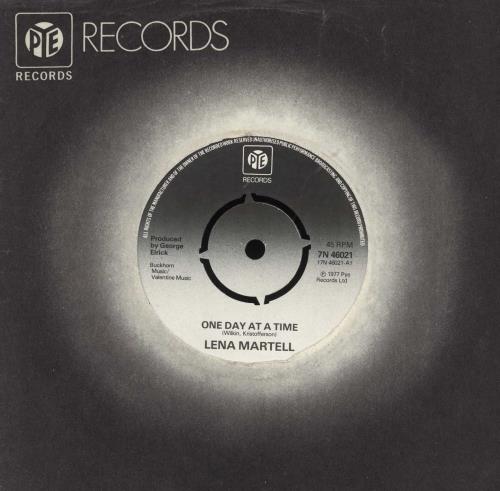
445. ‘One Day at a Time’, by Lena Martell

Oh, OK… Well, this is perfect. After all that blather in my last post about a new-wave, technicolour era, as we prepared to dive head first into the eighties… This comes along.

One Day at a Time, by Lena Martell (her 1st and only #1)

3 weeks, from 21st October – 11th November 1979

I had forgotten, you see, that the British nation has a weird obsession with country and western music. Had forgotten that in amongst the explosion of new sounds topping the charts during the last year or so, that actually the most consistent sound of the seventies has not been glam, or disco, punk or synth-pop… It’s been C & W. From the decade’s 2nd #1 ‘Wand’rin’ Star’, through Dawn, Tammy Wynette, J.J. Barrie (shudder) and Kenny Rogers… to this.

One day at a time, Sweet Jesus…! We’ve had sentimental country, country with lonesome men and stoic women, folks returnin’ from war, from jail… But until now, we had been spared this. Christian Country. Show me the stairway, I have to climb, Lord for my sake, Teach me to take, One day at a time… Lena is struggling in this modern world, so she looks above for guidance.

One thing I knew about Lena Martell is that she and I are compatriots. Yep, the steady stream of country hits in the UK was, for some reason, largely fuelled by us Scots. Something about their hard-drinkin’, rough-livin’ ways appeals to us… (no comment) Martell is the second Glaswegian to have a country #1, after Billy Connolly. And she does, to be fair to her, put on a good southern twang. But while Connolly’s ‘D.I.V.O.R.C.E.’ was a funny piss-take, ‘One Day at a Time’ is painfully earnest. Truth is, I am a sucker for this kind of country schmaltz. Musically, this is fine. If she were singing about her good for nuthin’, cheatin’ man, I’d be all in. Unfortunately, this record is lyrically rancid.

In the final verse, she goes full ‘Daily Mail’ comments-board. Oh Lord, she moans, what’s the world coming to? Well, Jesus you know, if you’re looking below, It’s worse now than then… Cheatin’ and stealin’, Violence and crime… I’m going to be careful here, as I don’t want to offend anyone’s beliefs… But I’m pretty sure even the good Lord above would have been offended by this crap.

‘One Day at a Time’ was originally released by a Marilyn Sellars in 1974, and has been recorded over 200 times… Mostly by country singers I’ve never heard of, though I see both Tennessee Ernie Ford and Brotherhood of Man have had a crack. Meanwhile, this disc gave Lena Martell her one and only chart hit. She did, though, have a long-running show on the BBC, sang with Frank Sinatra on her US tours, and was releasing country and religious albums well into the 2000s, until she retired following heart surgery.

Fair play to her, then, for having a career that many can only dream of. As for her chart-topping, one-hit-wonder moment in the sun, though… I think I can sum it up in two words: Sweet Jesus!

444. ‘Video Killed the Radio Star’, by The Buggles

First up today, I’m going to christen 1979 as not only the best year of the decade for chart-topping singles, but also ‘The Year of the Piano Intro’. We’ve had Gloria Gaynor’s iconic flourish, The Boomtown Rats’ mini rock opera, and now this. A synth piano announcing that: this, this is going to be interesting…

Video Killed the Radio Star, by The Buggles (their 1st and only #1)

1 week, from 14th – 21st October 1979

I heard you on the wireless back in ’52… The singer reminisces about a simpler time, when music had a human touch. ‘Music was better in my day…’ Except, the twist is, this is a pretty avant-garde, electro-pop song. Exactly the type of music the lyrics complain about. Or are they complaining at all? Are they instead mocking people with nostalgic views on music…? Pictures came and broke my heart, Put the blame on VCR…

The lyrics, though, are not the first thing that slaps you around the chops when you hear this record. Like Tubeway Army, it is almost aggressive in its desire to sound like the future, though with a very different, perkier sound. I saw it described it as an ‘extended jingle’, which is pretty perfect. Even the two voices, a bubblegum girl and a morose lead, are filtered through various effects.

I like this, it’s fun, it’s a classic… But I can’t shake the feeling that it’s a little showy. That some bits – the noodley synth flourishes and the aww-ah-oh fills – are a bit much. It took, apparently, three months to record and, again in another link to Tubeway Army, was inspired by a sci-fi story, this time by JG Ballard. Still, they reign it in for the iconic, driving chorus: Video killed the radio star… In my mind and in my car, We can’t rewind, We’ve gone too far… It’s a bit Queen, a bit Sparks, and more than a bit unique.

The Buggles were a duo, Trevor Horn and Geoff Downes. Horn in particular had been around the music biz for a while, producing jingles among other things. ‘Video Killed the Video Star’ was their first and by far their biggest hit, though they’re not quite one-hit wonders. Horn certainly isn’t, he was lead-singer of Yes for a year or so before becoming a full-time producer. His fingerprints will be on several future number ones, well into to the 2000s.

What many won’t know is that this wasn’t the first recording of ‘Video…’ Horn and Downes had originally written it with Bruce Wolley, who released a still-interesting but slightly more one-dimensional version in 1978. What many will know is that this was the very first record to be played on MTV, on 1st August 1981. Which is cute, I guess, but led me to believe for many years that this was the first ever music video (which is nonsense, they’ve been around since the ‘60s). It also led me to believe that this song had been released in the ‘80s. It seems a bit strange to me that a brand-new, impossibly modern channel like MTV would launch by playing a near two-year old song, regardless of the apt lyrics. But then again, the 6th video played on MTV was ‘We Don’t Talk Anymore’, by Cliff Richard. Perhaps they weren’t going for ‘cutting edge’.

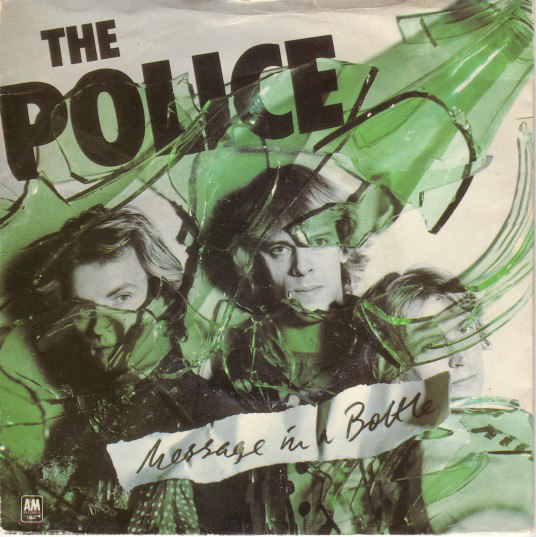
Finally, it’s worth noting that after decades of having to publish every one of my posts with those boring, stock-standard record-label sleeves… The age of the picture sleeve is upon us! Most of 1979’s chart-toppers seem to have had glossy (!), colourful (!) sleeves with pictures of the actual recording artists (!) Just like LPs! What on earth took them so long? While punk has to take the credit for the wild variety of sounds in this new-wave era; I’m giving disco, and the genre’s love for the 12” remix, the credit for sending pop music into technicolour. Just in time for a new decade…

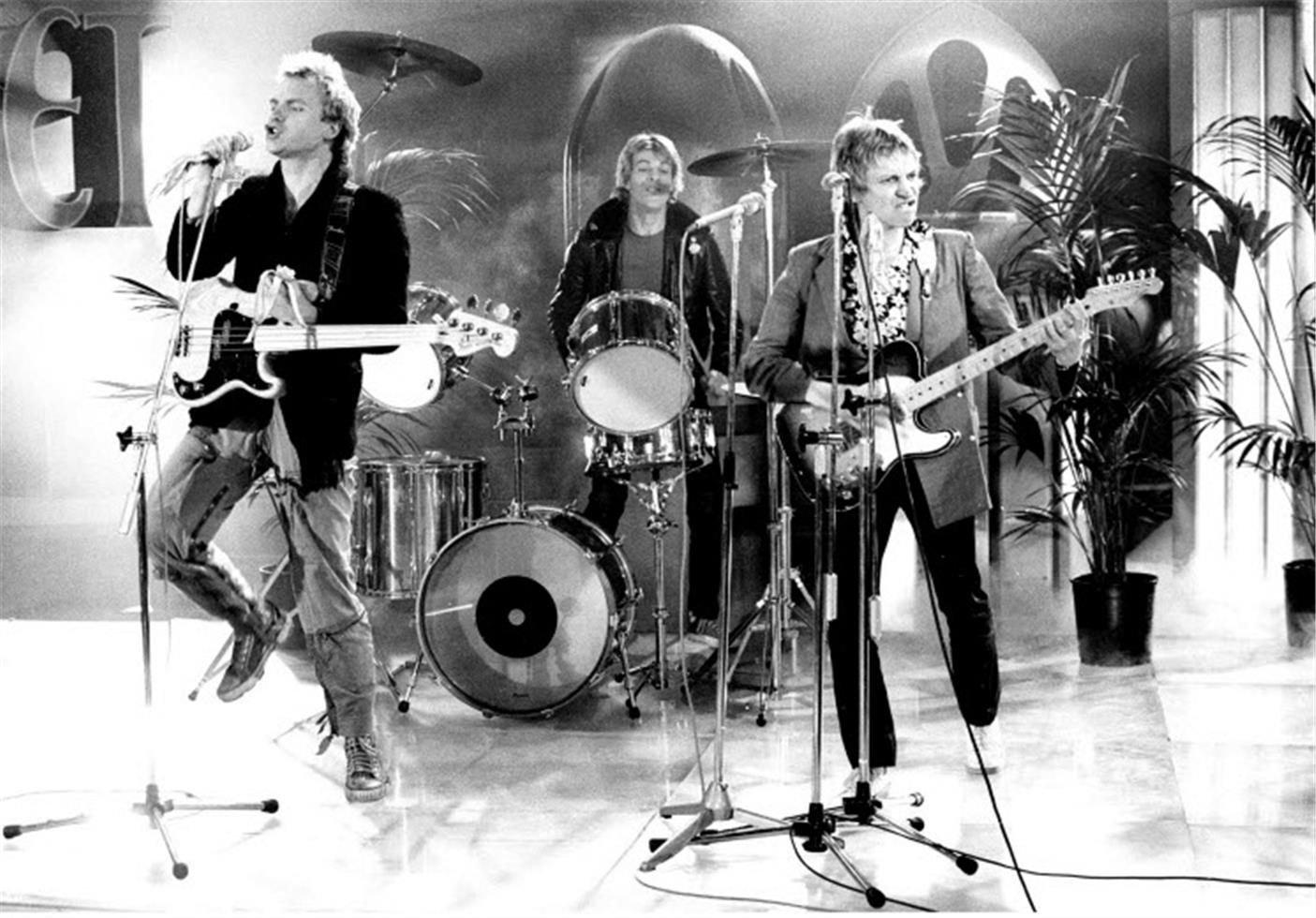
443. ‘Message in a Bottle’, by The Police

The New Wave revolution takes another swerve. The Police score their first number one with some reggae-rock. (Not Ska, though. It is, apparently, very important not to call this Ska.)

Message in a Bottle, by The Police (their 1st of five #1s)

3 weeks, from 23rd September – 14th October 1979

Vocally, we also have another interesting fusion: Geordie-Jamaican. It’s Sting, of course, really laying it on thick in the verses. Just a castaway, On an island lost at sea, Oh… (The rhyming of ‘sea, oh’ with ‘me, oh’ and I can’t help but hear the ‘Banana Boat Song’) Can I just admit right here that The Police are a band I… struggle with? They leave me a bit cold. Admittedly I wasn’t brought up on them, have never gone beyond the big hits – even this is a song I hadn’t heard too often before – and I wonder if my problem is with Sting more than his band… (See also: U2)

I shall use this blog, and their five chart-toppers, to try and improve my opinion of them. And it doesn’t take me long to find something to love here: the driving, punky guitars in the bridge – I’ll send an SOS to the world… – are great, as is Sting’s bass. But it stands right out for me, because the rest of the song is quite plodding in places. The band are marooned on a desert island, and send out messages in bottles, hoping for a connection…

Come verse three and lo! Walked out this morning, Don’t believe what I saw, Hundred billion bottles washed up on the shore… It seems they weren’t alone in being alone. We’re all waiting for a message in a bottle. It’s kinda deep… (Though for a hundred billion bottles to have washed up means every human on the planet – going by 1979 population levels – had to have sent around twenty-three bottles each…)

Anyway, this is yet another patch of fallout from the punk explosion. Mix it in with other acts who have appeared in recent months: The Boomtown Rats, Ian Dury, Gary Numan, and of course Blondie. Actually, Blondie and The Police draw a good few comparisons: both post-punk, both red-hot for a few years at the turn of the decade, both with five #1s (at least initially, in Blondie’s case) For me, though, it’s Blondie all the way.

But, these views are mine and mine alone. ‘Message in a Bottle’ is objectively a good song, well-written rock with an effective hook. I am looking forward to getting to grips with more Police in the coming months, and hopefully enjoying it, as we’ll be hearing a lot more from the former Gordon Sumner and his bandmates. Bring it on.

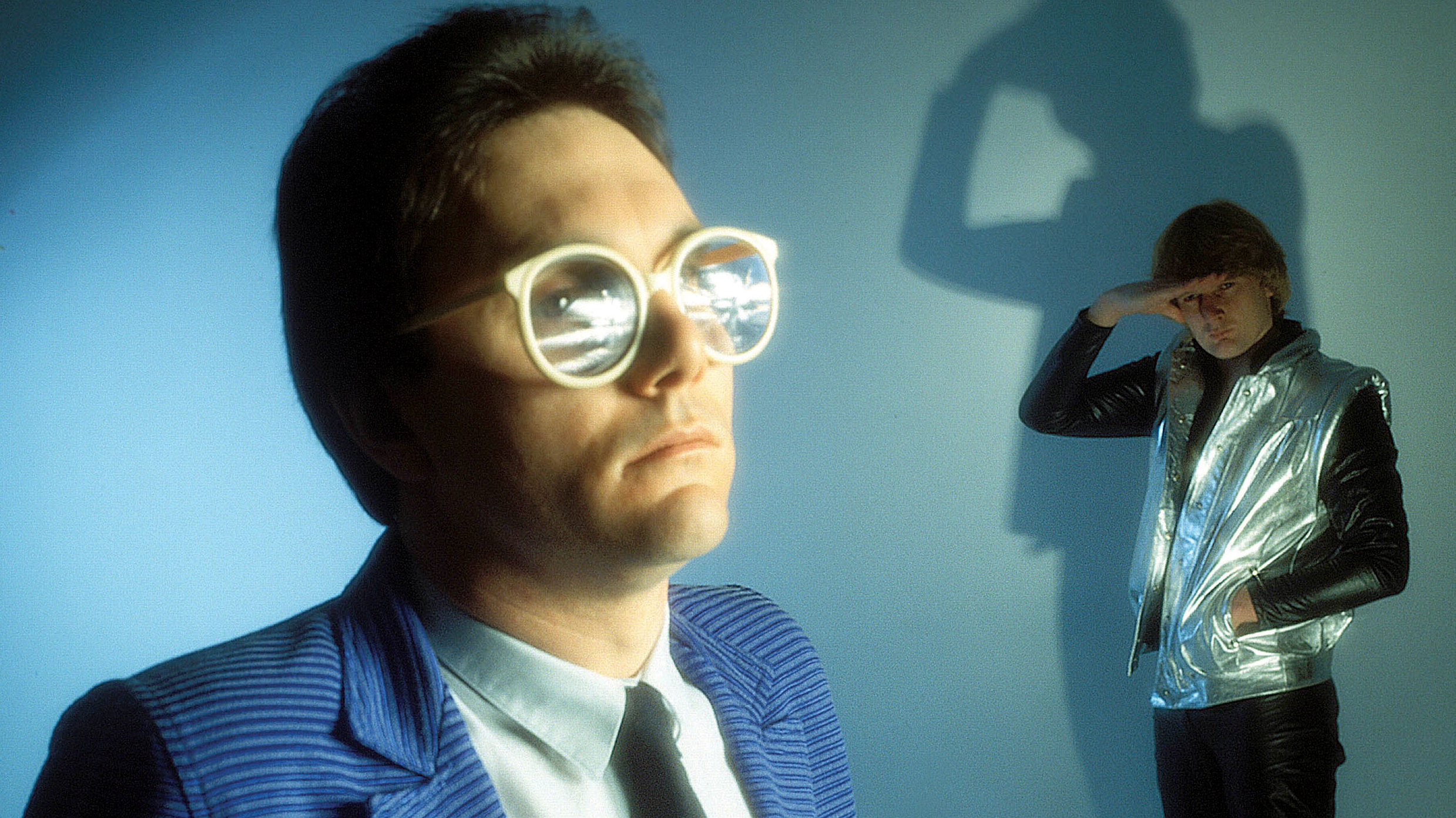
442. ‘Cars’, by Gary Numan

Gary Numan returns to the top of the singles chart, after doing so alongside his Tubeway Army a few weeks back, with another outsider anthem.

Cars, by Gary Numan (his 1st and only #1)

1 week, from 16th – 23rd September 1979

Here in my car, I feel safest of all… He’s locking the modern world away behind four doors and a boot. It’s the only way to live, In cars… It’s another memorable electronic riff: still clanking and industrial, but a little perkier than ‘Are ‘Friends’ Electric’, poppier even. Numan’s vocals are have lost the conversational tones of his earlier #1, and are full-on Kraftwerk-robot chic.

Here in my car, I can only receive… Is this, maybe, a little bit of a novelty? Is Numan hamming up the extra-terrestrial image he had seen grow around his live performances of ‘Friends’? I don’t know – perhaps that feels harsh. He was inspired to write this song after some unsavoury types had tried to drag him from his car… Had ‘Cars’ come first then maybe it’d sound just as ground-breaking. But… if you were to write a piss-take of a song by Gary Numan, it might sound a lot like this record.

As in ‘Friends’, there are variations on the main riff throughout the song. One is the grinding, clanking trip through a car factory without noise-cancelling headphones. One is a high-pitched counterpoint to this; that one sounds as if you’re speeding down a motorway at night. And then there’s the disco bit, the riff that reminds me of ‘Funkytown’, by Lipps Inc (which wasn’t released until November ’79 – maybe they’d heard ‘Cars’ while recording…)

This record is actually two-thirds instrumental. Once Numan has intoned his way through three verses (no choruses here), the synths take over and you just got to let them wash over you, man. I want to like this more; but with each listen I find my attention wandering by the end. Who am I to judge, though? ‘Cars’ has charted three times in the UK, and remains a staple of adverts, Best Ofs, and Numan’s live shows to this day. And it’s certainly a fine addition to the rich tapestry that is 1979’s chart-toppers.

This is credited to Numan, solo, but still features half of the Tubeway Army on the record. You could argue that both of his quick-fire #1s could be credited to either Numan or his Army, but hey. He remains active to this day, a synth pop legend, and many of the acts who will make this the sound of the early eighties owe him a debt. And if that’s not cool enough for you, how about the fact that, after helping invent synth-pop, he got his pilots’ license and set up own airline, Numanair, in 1981…

441. ‘We Don’t Talk Anymore’, by Cliff Richard

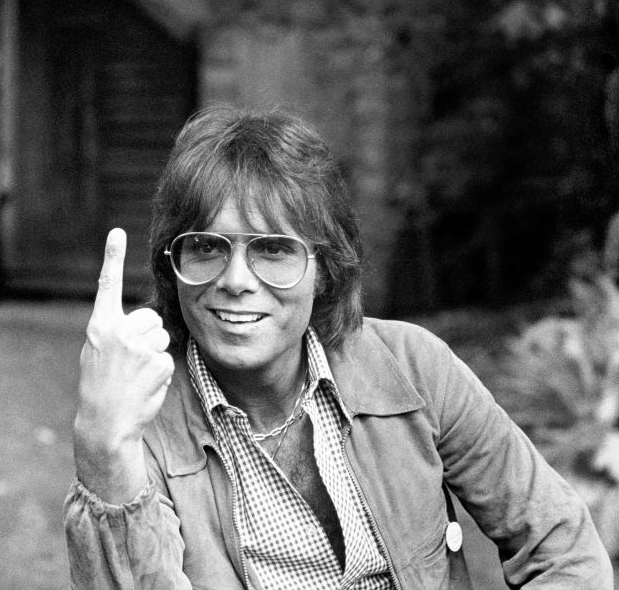
Twenty years to the day from his very first number one hit, ‘Living Doll’, and over eleven years since his last, Sir Clifford of Richard is back, back, back…

We Don’t Talk Anymore, by Cliff Richard (his 10th of fourteen #1s)

4 weeks, from 19th August – 16th September 1979

The first thing that strikes my ears is how modern this sounds – synths are now just an accepted part of the musical landscape – but also how retro. Especially in the verses, it sounds like one of his old rock ‘n’ roll hits dressed up for the late-seventies. Used to think that life was sweet, Used to think we were so complete… he sings over a simple guitar riff, while hand claps enter later on.

It’s a canny move from Cliff and his record label to release a song like this, one that straddles the sort of easy-listening cheese you expect from the man, but that also slots in perfectly with the sound of the time. The chorus is a belter: It’s so funny, How we don’t talk anymore… At certain points in the song I’m getting hints of Billy Joel, then Hall and Oates, but by the chorus Cliff’s giving us pure Elton John: No I ain’t losin’ sleep, And I ain’t countin’ sheep…!

The synths are maybe a bit tinny – though that’s perhaps because I still have the Tubeway Army ringing in my ears – but aside from that I’m not ashamed to admit that this is a tune. I knew it vaguely, because my mum is a big Cliff fan, but had never properly listened to it. Richard sounds like he’s having a lot of fun, and his falsetto after the post-chorus drop is perhaps the best five seconds from any of his fourteen chart-toppers. Damn it… Cliff sounds… Cool! And then the fade-out has actual hard rock guitars. Hard rock. Cliff Richard. What a moment…

I am amazed to discover that he was still only thirty-eight when ‘We Don’t Talk Anymore’ made the top. In my mind, Cliff was a teenage idol for a few years, before waking up one day around 1965 as an old man. Anyway, as young as he still was, this record marked a bit of a comeback for him after a decade in which he’d struggled for hits. It was his first Top 10 single since ‘Devil Woman’ in 1976, and is possibly his biggest hit internationally: a #1 across Europe, and a #7 in the US – only his 2nd release to get that high in the States.

Cliff is famous for managing UK number one singles in five consecutive decades – a feat that nobody else has ever managed – but he left it late in the ‘70s. In a nice touch, the record that kept the run going was produced by Bruce Welsh from his long-time backing band The Shadows, with whom he shared so many ‘60s hits. Amazingly, this is the decade in which Cliff has fewest chart-toppers: in both the eighties and nineties he’ll manage two, while his final #1 is another twenty years away. Whatever you think of the man, his beliefs, and his music… There’s no denying his legend.

And there’s no denying that this might be the best of his fourteen chart-toppers. I say that because none of his earlier hits truly grabbed me – though I do like the rockabilly ‘Please Don’t Tease’ and the unashamed cheese of ‘Congratulations’ – and because I know… shudder… what’s to come… Yes, Cliff’s far from done featuring in this countdown; but I will be nowhere near as generous with his final chart-toppers…!