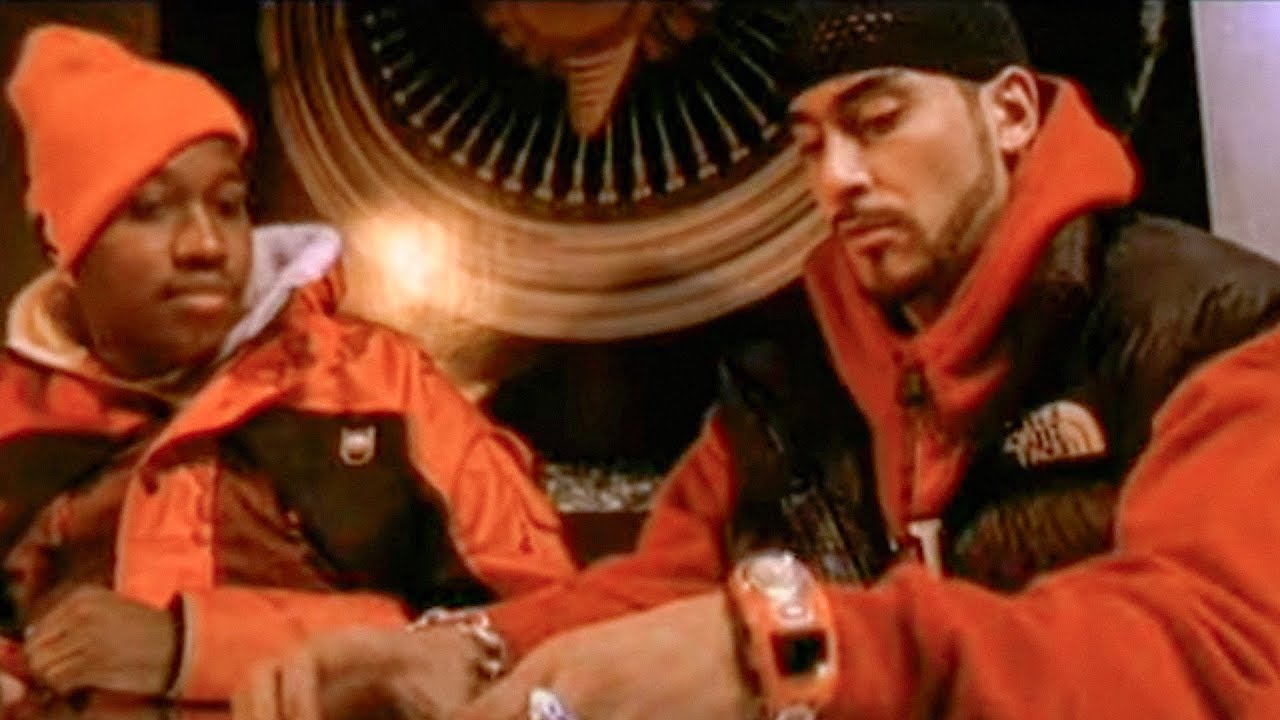
902. ‘Another Chance’, by Roger Sanchez

As the nineties progressed I – far from your usual raver – found myself enjoying dance music more and more. Prodigy and the Chemical Brothers incorporated rock into it, trance brought a banging immediacy to it, while I’m always susceptible to a bit of Euro-dance cheese.
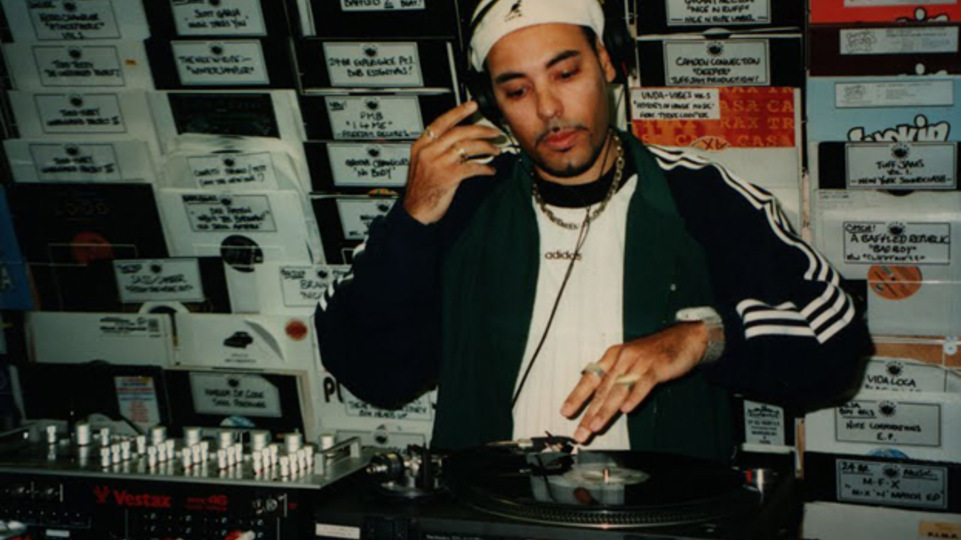
Another Chance, by Roger Sanchez (his 1st and only #1)

1 week, from 8th – 15th July 2001

But if 2001’s dance #1s are anything to go by, house is making a comeback. And I always feel that house music sounds good for setting a tone, giving a bar a vibe, soundtracking a sunset cocktail… But that it lacks the oomph to stand out. And I feel it here, once again, as I let ‘Another Chance’ wash over me. Perfectly pleasant, fairly up-tempo, full of lush, dreamy touches; but nothing to grab a hold of.

The vocals are deep in the mix, and filtered through several layers of echoing reverb. Does the song title feature? I had genuinely no idea. Turns out it does, because this is built around a sample of Toto’s 1982 hit ‘I Won’t Hold You Back’, featuring the line If I had another chance tonight… which I didn’t recognise because eighties soft rock leaves me as cold as house music.

Of course we’re not meant to be singing along to a song like this, so the lyrics don’t really matter. It begs the question though, who feels compelled to buy records like this? What do you get out of listening to this on your home stereo rather than a nightclub’s speakers? It does have a nice couple of drops, and I like the wistful piano line that briefly takes over, but other than that…

And yet if writing this blog has taught me anything, it’s that I don’t always understand the motivations of the British record buying public. And this record is far, far from their worst offence. It’s just not my thing. Roger Sanchez did well off it anyway, scoring by far his biggest hit. He has produced and remixed for a star-studded array including Diana Ross, Kylie, Madonna and No Doubt (his remix of ‘Hella Good’ won a Grammy). He remains a DJ, and has maintained an Ibiza residency every summer since 2000.

Just the music:

887. ‘Touch Me’, by Rui da Silva ft. Cassandra

Into 2001 we go… Picture the scene: it’s January, the Christmas decorations are down, the weather’s shit… Time for some Random Dance.

Touch Me, by Rui da Silva ft. Cassandra (their 1st and only #1s)

1 week, from 7th – 14th January 2001

I mean, why not? Now’s as good a time as any, and ‘Touch Me’ does have a cold, wintry feel to it. This is moody dance, made for mixing deep into a set at around two thirty in the morning. It’s not a grab-your-handbags floor-filler. I remembered the hook – Touch me in the morning, And last thing at night… – but little else about it.

What this reminds me of is that around the time this charted I was preparing for my Standard Grades (GCSEs to the rest of Britain), and in our art class we were allowed to have the radio on as we worked on our final projects. I can’t say for sure if ‘Touch Me’ was played often, but it’s the sort of thing that would have done. (We were also allowed to bring in snacks, which was even more of a treat than the radio).

I’m taking detours down memory lane not only because it’s fun, but because I can’t think of much to write about this record. It’s alright for what it is, which is not my type of thing. There’s not much to get your teeth into, really (unlike the fruit pastilles I was launching down my gullet in art class). It’s more of a vibe, a mood, than a melody and a hook. It’s technically ‘progressive house’, the first record of its kind to be a number one single, and I can see that. It’s more layered, more cerebral perhaps, than most dance records.

It’s also the first ever UK chart-topper by a Portuguese act, DJ Rui da Silva hailing from Lisbon. Vocalist Cassandra Fox, meanwhile, wrote the lyrics and became the third youngest woman to debut at #1, after Billie Piper and Britney Spears. Her voice has a nice throaty rasp well beyond her eighteen years. And actually, if we’re being pernickety, it this song, and not ‘The Masses Against the Classes’, which is technically the first number one of the new millennium.

So there are some stories here, just not necessarily within the song itself. Still, ‘Touch Me’ still seems to be well-respected in dance music circles. Meanwhile, the Guardian has claimed it to be both the ‘most forgotten number one of the decade’, and the 70th greatest UK number one single of all time.

Either an official video was never made, or has never been uploaded to YouTube.

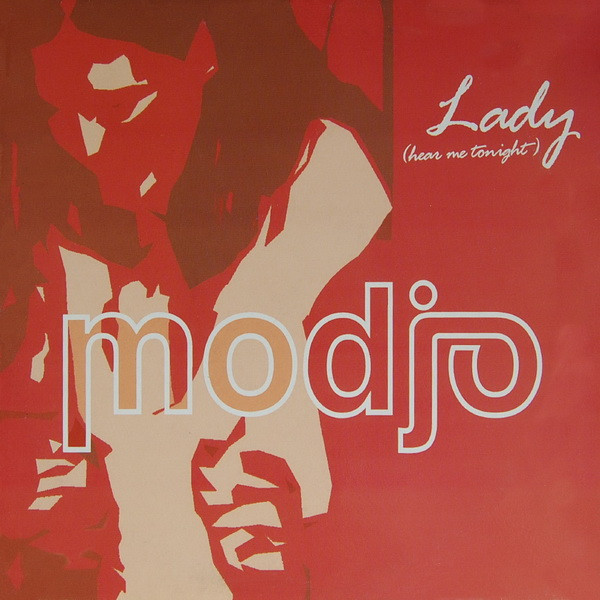
874. ‘Lady (Hear Me Tonight)’, by Modjo

After a record-breaking twelve single-week number ones in a row, when neither Kylie, Eminem, Robbie Williams, nor Madonna herself, could hold on for more than seven days, we have a multi-week chart-topper.

Lady (Hear Me Tonight), by Modjo (their 1st and only #1)

2 weeks, from 10th – 24th September 2000

And of course the act to finally hold firm at the top are one that nobody had ever heard of before, that didn’t have pent-up demand and huge first day sales which quickly petered out. Modjo were a French house duo and, with no previous hits become, I think, at least the sixth Random Dance act of the year to make #1.

And it also makes sense that this song was the one to spend more than a week on top – actually increasing in sales in its second week, which was practically unheard of in 2000 – because it is a mash up of all the era’s hot sounds. There’s a Chic sample, fitting in perfectly with the nu-disco hits that we’ve heard recently, but presented through a chilled Balearic filter, more suited for the poolside bar than the club. The BPMs are low, but the blissed out vibes are high…

We’ve had plenty of hard-hitting Italian, German and Dutch dance tracks over the years, but very few from France. In fact, Modjo’s success made them only the fourth French act ever to have a UK number one, after Serge Gainsbourg, Charles Aznavour, and Mr. Oizo. And not that I want to fall into the trap of national stereotyping, but there’s something very effortlessly cool about this song. A certain… Well, if only there was a French term for a quality that can’t be described or named easily.

Maybe it’s because only the five minute long album version is available on Spotify, but I’m beginning to think that effortless cool can only get you so far. Eventually things become repetitive, which is my eternal problem with dance music. I will give a shout out, though, to the jazz hands flourish that comes along every so often, a camp little nod to the Moulin Rouge among all the modernity, which also feels very French. And to the lyrics, which in the best Europop tradition feel quite ‘second language learner’: Lady, Hear me tonight, ‘Cause this feeling, Is just so right… But they work, and are very easy to remember.

The Year 2000 is really trying its best to make me re-evaluate my feelings on dance music. On the one hand each recent dance #1 has been interesting, fun and, most importantly, not Westlife. But at the same time, the best I can say for the majority of them is that they are diverting. Most of them don’t land hard enough between my ears for me to truly love them (I’d say ‘Groovejet’ is the one dance song from this year that I really, really like). Oh, and speaking of Westlife…

871. ‘Groovejet (If This Ain’t Love)’, by Spiller ft. Sophie Ellis-Bextor

The chart week beginning Sunday 20th August 2000 was supposed to be a Spice one-two. Victoria Beckham was to replace Mel C at the top of the charts with her (and Dane Bowers, and True Steppers) garage-influenced single ‘Out of Your Mind’. But as we all know by now, the path of true chart success never does run smooth…

Groovejet (If This Ain’t Love), by Spiller ft. Sophie Ellis-Bextor (their 1st and only #1s)

1 week, from 20th – 27th August 2000

For along came this incredibly catchy piece of nu-disco, from an Italian DJ and the lead singer of a little known indie band, to throw a groovy spanner in the works. Spiller, the DJ, had created the track in 1999, and named it after the Miami nightclub where he had first given it a spin, Groovejet. The backbone of the track is a sample of Carol William’s 1976 track ‘Love Is You’, and the vocals/lyrics were added by Sophie Ellis-Bextor, lead singer of Theaudience, and – once again involved in the unlikeliest of number ones – Mud’s Rob Davis.

The reasons why this unlikely dance track got caught up in one of the most famous chart races of all time with Posh Spice are various (and I might explore them in a future post). But I’d suggest that the most important reason is very simple: ‘Groovejet’ is the much better song.

It’s an effortlessly chic track, one that blends perfectly the need to be cool with the need to be accessible. It balances an authentic disco beat, some very ‘Year 2000’ production chops and swishes, and Ellis-Bextor’s beautifully detached vocals. It works as a chillout, by-the-pool track as much as it works as a floor-filler. It is retro, it is modern. It is disco, it is house. (Wikipedia lists it as ‘handbag house’, which is now my new favourite genre of all time…) It is, and this may be pure recency bias but who cares, the year’s best chart-topper.

My biggest problem with dance music is that it can sometimes get repetitive. Spiller avoids this by filling his track with lots of little touches to keep things busy, such as the strings in the old school middle-eight, and the hand drums at the end, not to mention the just silly enough aeroplane sound effect.

Back to release-week, then, where Victoria Beckham (and Dane Bowers and True Steppers) were announced to be leading the race midweek. Both women did promo, with the battle billed as ‘Posh Vs Posher’. In the end, Spiller and Sophie won out by 20,000 copies, and secured the highest weekly sales of the year so far. That was as good as it got for Spiller, who bookended his biggest smash with two #40 hits. But it set Sophie Ellis-Bextor up for much more solo success, including six Top 10 hits across the noughties (seven, if we count the two times that classic ‘Murder on the Dancefloor’ has peaked, agonisingly, in the runners-up position…) Meanwhile, this was as close as Victoria Beckham got to a solo #1, and she remains the only Spice Girl not to manage one.

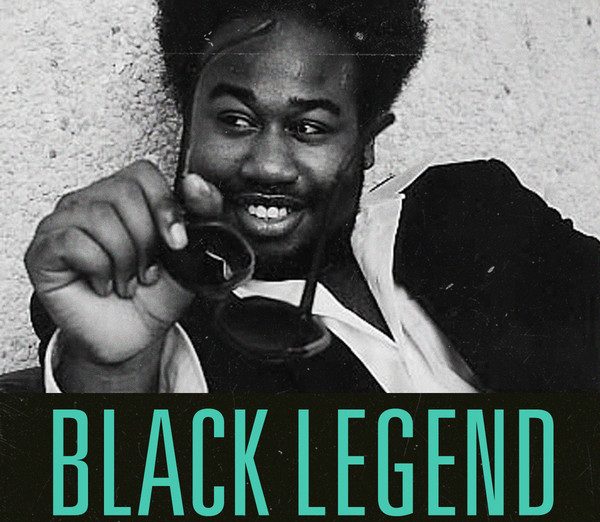
862. ‘You See the Trouble With Me’, by Black Legend

Our slow meander around the year 2000’s many, many chart-toppers continues, and we find another interesting stop along the road: the lost Barry White number one.

You See the Trouble With Me, by Black Legend (their 1st and only #1)

1 week, from 18th – 25th June 2000

First, we do have to state that it is not Barry White’s voice on this record, though vocalist Elroy ‘Spoonface’ Powell does a mighty fine impersonation. He even manages to make this sound like a live sample, introducing it with a spoken In 1975, we brought you an album, With a song… backed with lots of crowd noise.

Is it too early to suggest a mini disco revival, after Geri, Madison Avenue, and now this? (I’m also sneaking a peek at the record which replaced Black Legend at the top.) Though what dominates this record is not so much disco strings, but a naggingly insistent, thoroughly modern, house beat. On the radio edit the producers toy with us for the opening two minutes, teasing snatches of ‘You See the Trouble With Me’ (a #2 hit in 1976) that cut in and out, before finally letting ‘Barry White’ loose. For a bit. When the house beat kicks back in for the third or fourth time, it officially becomes annoying.

Barry White had refused the use of his original vocals for this remix, as he felt it ‘was cheap and had no soul’. I can understand his point, as the song uses the sample as bait, almost, to lure you to the dancefloor. The choppy nature of this song, the insistence on falling back on that irritating beat, means that there’s no release, no climax. You’re left with blue (disco) balls…

Black Legend were a very short-lived Italian production duo, with the aforementioned Powell on singing duties. They were together for three singles, and their only other appearance on the UK singles chart is with the #37 peaking ‘Somebody’. They fall agonisingly short of verified one-hit wonder status.

While I don’t much care for this remix, I am being won over by the year 2000’s fast turnover, which allowed curios like this to make number one, records that may not have made the top at any other period in chart history. Speaking of which, Black Legend are the first chart-toppers in a run of twelve one-weekers, from mid-June to mid-September 2000: a record-breaking stretch. Let the frantic fun begin!

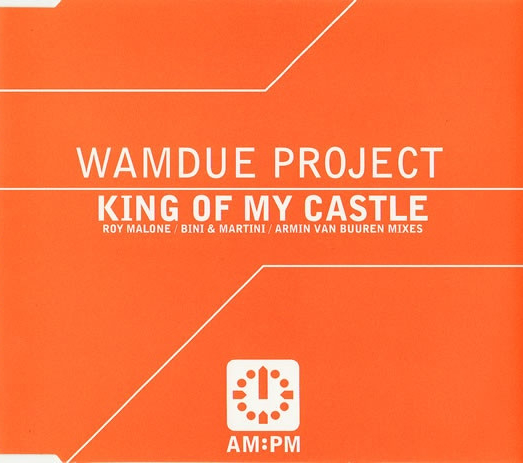
842. ‘King of My Castle’, by Wamdue Project

Suddenly we’re at the pre-penultimate number one of the 1990s. The third last chart-topper of the decade, and the last good one…

King of My Castle, by Wamdue Project (their 1st and only #1)

1 week, from 21st – 28th November 1999

There’s something deeply cool about this record, something that I recognised aged thirteen but that put me off it. It sounded scary, somehow, a song that people much older than me danced to, in dark, misty nightclubs, grinding against one another as the bass pulsed through them…

Now that I’m a grown man, and have been to plenty of nightclubs, in time getting over my fear of grinding up against strangers, I can appreciate this alluring one-hit-wonder. The throbbing, disco beat. The purred uh-humms. The very of-its-time Balearic riff, but one that sounds as if it’s being played from speakers dropped in the deep end of a swimming pool. The kitschy little flute motif.

I’d say, though, that the biggest selling point of this record are the lyrics. The fact a woman sings Must be the reason why I’m king of my castle… The fact I always thought she was free in her ‘trestle’ (it’s ‘trapped soul’)… The wonderful insouciance of the line: Must be a reason why I’m making examples of you…It’s to do with Freud’s theory of the unconscious – as all the best dance hits are – while the video featured scenes from anime ‘Ghost in the Shell’, in which cyborgs are controlled by a hacker. That video featured too many hand drawn boobs for daytime screening, so a more generic second was made.

Wamdue Project were the brainchild of producer Chris Brann, with vocals from deep-house singer Gaelle Adisson. ‘King of My Castle’ had originally been released and recorded in an eight-minute downtempo version in 1997. This remix was helmed by Italian DJ producer Roy Malone, and it became a hit all around Europe. One-off dance tracks feel like a summer phenomenon, therefore it feels a little odd for a dance track to take off so well in late-November. But if ever there was is such a thing as a moody, winter dance smash then this is it.

I’m at the natural end of this post, but would like to linger a little longer in Wamdue World, knowing the horrors that are about to come. (The 20th century does not end on a high note, musically speaking.) This is the sort of dance music I can really get behind, one with a genuinely weird edge, one that I can see working as a grungy rock song. One with easily misheard lyrics based on Freud, and his ego. Wamdue Project are not quite one-hit wonders – I lied earlier – as follow up ‘You’re the Reason’ scraped to #39 the following April, but they remained such a mystery that Chris Brann was nominated for Best British Newcomer at the 2000 Brit Awards, before being hastily withdrawn when the judges discovered he was American.

The ‘Ghost in the Shell’ video:

The ‘official’ video:

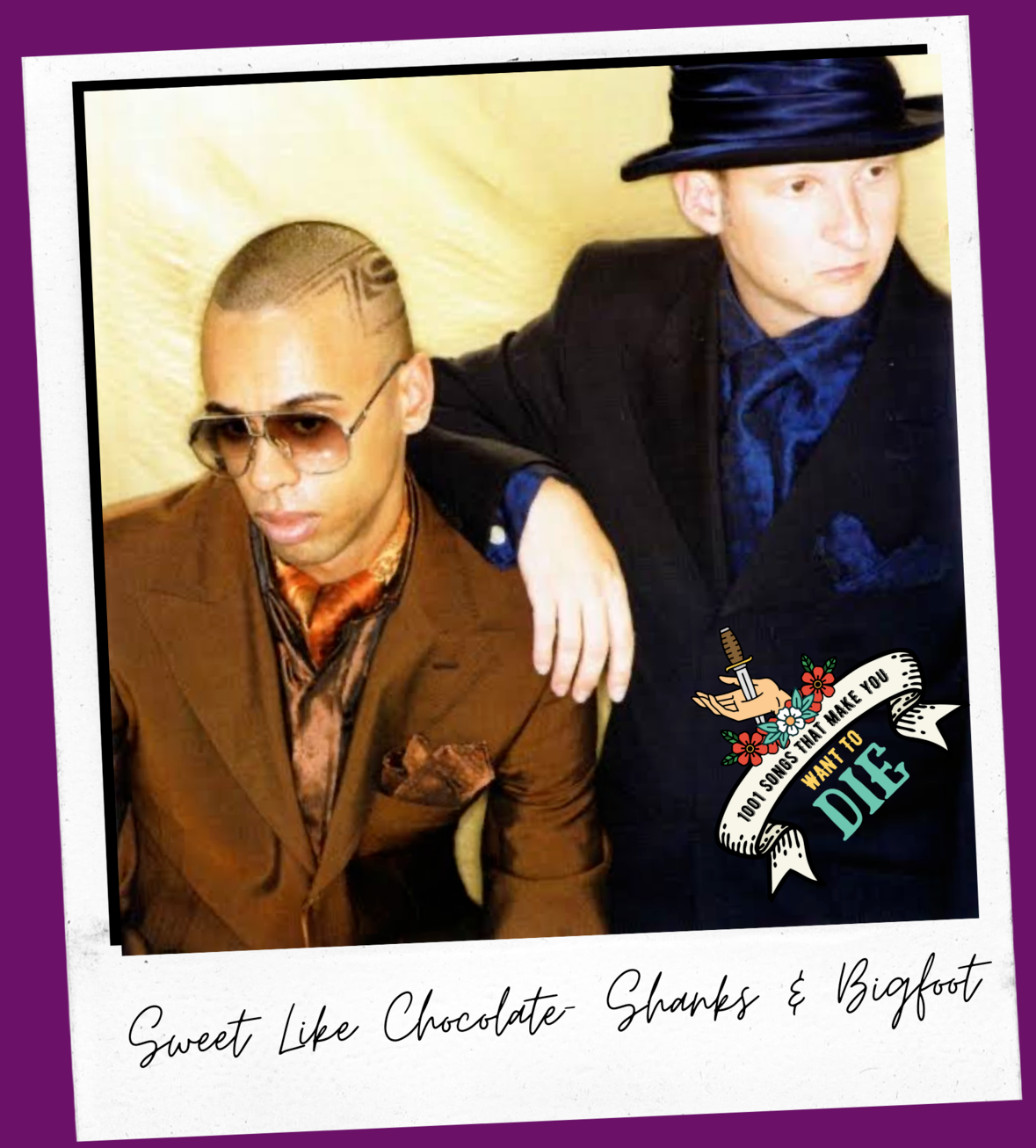
825. ‘Sweet Like Chocolate’, by Shanks & Bigfoot

I was about to sound the random dance hit klaxon, 1999’s most used alarm, before I noticed that this next number one isn’t really dance. I was going to claim it as drum ‘n’ bass, but then realised that it was actually our first example of a very turn-of-the-century genre: garage.

Sweet Like Chocolate, by Shanks & Bigfoot (their 1st and only #1)

2 weeks, from 23rd May – 6th June 1999

Sadly this has nothing to do with garage rock. Or with car repair. The genre stems from Paradise Garage, a NYC gay nightclub popular in the ‘70s and ‘80s (and which had been built as a parking garage back in the ‘20s). From there we can trace a route from disco in the seventies, to garage house in the eighties (alongside Chicago house acts like Steve ‘Silk’ Hurley), to the 90s when it crossed the Atlantic, got sped up, and became known as UK garage. From there we can look into a future of grime, and drill… A rushed potted history I know, but I’m very amused to discover that this often misogynist and homophobic genre can trace its family tree back to a gay bar presumably full of leather queens and cock-duster moustaches…

Not that there’s anything offensive about ‘Sweet Like Chocolate’. No, our introduction to garage is as light and fluffy as they come, with some staccato strings and a gentle brass section that builds over the 2-step beat that will become one of the sounds of the next few years. I’ll readily admit that I was never – now, or at the time – the biggest fan of the genre, but also that this is as pleasant an intro as we could have wished for.

What I’ve always remember about this record are the high-pitched vocals, from a singer named Sharon Woolf. And the animated video, in which the entire world is made of chocolate (and which now looks wonderfully dated). Oh yes, and the jokes at school about how this might not actually be about chocolate… You are sweet on the tip of my tongue, You are warm like the rays of the sun… (The steamy noises that Woolf makes in the extended original mix only serve to confirm my teenage suspicions.)

Shanks & Bigfoot were a duo called Steven Meade and Danny Langsman, who had had a #20 hit the year before, ‘Straight from the Heart’, under the name Doollally. Following the success of ‘Sweet Like Chocolate’, they released the same song, as Shanks & Bigfoot, and made #9. I wonder if there are any other songs which have charted twice by ‘different’ acts?

Though I’ll probably be down on the many of the garage records which will top the charts between now and 2002, I should emphasise the authenticity of the genre. Garage relied on underground nightclubs, MCs, and pirate radio to break through. I may not much like it, but it was the sound of the streets, like skiffle and punk had been to generations before. Which is something, in an era where manufactured pop held so much sway.

814. ‘You Don’t Know Me’ by Armand Van Helden ft. Duane Harden

A fairly unusual rock track is followed on top of the charts by a fairly generic dance track. Standard January fare for the late ‘90s…

You Don’t Know Me, by Armand Van Helden (his 1st of two #1s) ft. Duane Harden

1 week, from 31st January – 7th February 1999

We should though prepare to meet more and more of these one-off dance tracks in the coming months, to the point where there will become commonplace. This is the sound of 1999, really: ATB, Eiffel 65, Mr. Oizo… All kicked off by Armand Van Helden. Whom we have met before in this blog, with his uncredited remix of Tori Amos’ ‘Professional Widow’ (another January number one!)

And unlike some of those dance hits soon to come, ‘You Don’t Know Me’ has a nice retro-house feel, with a disco groove and soulful vocals from Duane Harden. It feels like something that could have been a hit much earlier in the decade. Which might be explained by the fact that this is, naturally, a mish-mash of samples, with strings that date from the seventies and drums from 1992. The eight-minute original version also features a spoken intro from ‘Dexter’s Laboratory’. As in, the cartoon.

Although Duane Arden has an excellent, soulful growl to his voice, the lyrics are standard ‘living my best life’ dance fodder. I’m tired and I’ve had enough, It’s my life and I’m living it now… But really, nobody wants to think too much on the dancefloor. Arden wrote the words by himself, once Van Helden had finished the music, like a dance version of Elton and Bernie.

Like many of the previous dance number ones, I don’t hate it. It’s fine. It washes over me pleasantly enough, and has caused me to do a couple of involuntary shoulder shimmies. But at the same time, like many dance tunes, after the first minute I start to find it a little repetitive. Dance music is not made for a guy sitting at a desk to analyse. Duane Harden’s week at the top was the pinnacle of his pop career; while Armand Van Helden will continue to produce and write hits throughout the 2000s, until his final #1 in a decade’s time.

For a fairly innocuous and forgotten chart-topper, this is a big one for me personally. I turned thirteen on the day this entered at number one (though I am a bit peeved that I just miss out on having the Offspring as a birthday #1). I apologise in advance for all the teenage nostalgia that will inevitable cloud my judgement as we cover the coming seven years’ worth of number ones…

767. ‘You’re Not Alone’, by Olive

We’ve not been short of dance hits in recent months, although their frequency hasn’t been as rapid fire as it was back in the early-to-mid nineties. And the dance hits of 1996-97 have tended to be of the chunky, Big-Beat variety. But this next number one is very different from the likes of the Prodigy, and the Chemical Brothers

You’re Not Alone, by Olive (their 1st and only #1)

2 weeks, from 11th – 25th May 1997

It’s a step back towards a lighter, House sound, with a female singer leading the cavalry. But it’s also a step forward, because it’s taking those sounds and adding a few more modern touches. Personally, I often dread writing entries on dance chart-toppers – not because I inherently dislike dance music; more because it’s out of my comfort zone. I’ve just about got my head around big beat and trance, and now I’m being told that ‘You’re Not Alone’ is at turns breakbeat, ambient, and trip-hop.

Basically, I am trying to write and learn as I go. Apologies if any dance music experts stumble across this blog, and it causes them to snap their glo-sticks in anger. Anyway, ‘ambient’ I get – it’s a very atmospheric track: melancholy, haunting even. And trip-hop I get too, thanks to the drum beat. ‘Breakbeat’ I’m happy to go along with, because it sounds fun.

And I do like this record. My favourite part is the trippy keyboard riff, which sounds so much like a passage from a classical composition that I was convinced it must be. It takes great skill to write a chord sequence that sounds so timeless. I remember this record from the time, watching it on TOTP, thinking it sounded very grown-up, not quite getting it. I still don’t quite get it, thirty years on, because this isn’t really in my wheelhouse. But it’s well-made, and diverting enough, to make it a worthy chart-topper. One that enhances further the quality of 1997, so far.

What I will say is that, for all the atmospherics, the track does hold back a little. I’m waiting for the drop, for a full-on, banging, trance finish that never comes. It remains slinky and strange until the end. But, as I’ve just proven, I know nothing about dance music. If I had my way behind a set of decks everything would end up sounding like 2 Unlimited (and, let’s be honest, that would actually be amazing).

Olive were a London-based three piece, formed in 1994. ‘You’re Not Alone’ had been a minor hit the year before, and this chart-topping version was a remix (though you’d be hard-pressed to notice much difference between the two versions.) I believe the video below to be the one that made #1. It was their only Top 10 hit – the follow-up made #14 – and they split in 2003.

756. ‘Professional Widow (It’s Got to Be Big)’, by Tori Amos

1997, then. The late ’90s! And we get off to a banging start…

Professional Widow (It’s Got to Be Big), by Tori Amos (her 1st and only #1)

1 week, from 12th – 19th January 1997

‘Professional Widow’ was a track from singer-songwriter Tori Amos’s third studio album, ‘Boys for Pele’, which had made #2 exactly a year before this. It had been released as the album’s third single, making #20. It’s a woozy, rude, barroom stomper of a song, driven by a harpsichord, and Amos’s Kate Bush like vocals. It’s ear-catching, but it does nothing to prepare you for the remix that would eventually top the chart.

The word ‘remix’ doesn’t feel sufficient here. A remix is a song rearranged, extended, or stretched out over a new beat. This is a song completely reimagined, huge chunks chopped off it, with very little of the original remaining. One line is repeated over and over: Honey bring it close to my lips… while the other line – It’s gotta be big – must be somewhere in the original, even if I can’t quite hear it.

It’s amazing how Armand Van Helden, the DJ responsible, could hear the opening harpsichord riff and reimagine it as a modern disco bassline. Some remixes are fairly lazy, with few changes of any note; but not this. It almost samples the original, the riff and the two lines, and creates a completely different song. Van Helden is American, and the track is more house-influenced than our recent dance #1s, but there’s hints of the Prodigy and the Chemical Brothers in the big chunky beats, in the creepy background noises, and the sudden break halfway through.

The ‘Professional Widow’ of the title is apparently a snide reference to Courtney Love, something that Amos has neither confirmed nor outright denied. She had nothing to do with the remix – she was contractually obliged to approve them – but in interviews she has said she enjoys Van Helden’s version. It brought about the biggest hit of her long career, anyway – surpassing the #4 peak of the folksy ‘Cornflake Girl’ from 1994 – and is, to date, Amos’s last visit to the UK Top 10. Armand Van Helden was just getting started, and will go on to be one of the biggest dance producers of all time. He’ll be back at number one, fully credited, fairly soon.

We can’t finish without mentioning the misheard lyric – one of pop’s filthiest mondegreens – where It’s gotta be big becomes… Well, I won’t write it out. Safe to say, once you hear it you can’t unhear it. Misheard or not, it does fit in fairly well with the bawdy original.

You could say that this is a classic January #1 – a fairly random remix sneaking a week at the top in the post-Christmas lull. In fact, January 1997 is one of the best examples the phenomenon, with a run of fun and quirky one-weekers coming up that I’m looking forward to getting into.