Another 2003 #1 that seemed to appear out of nowhere at the time…
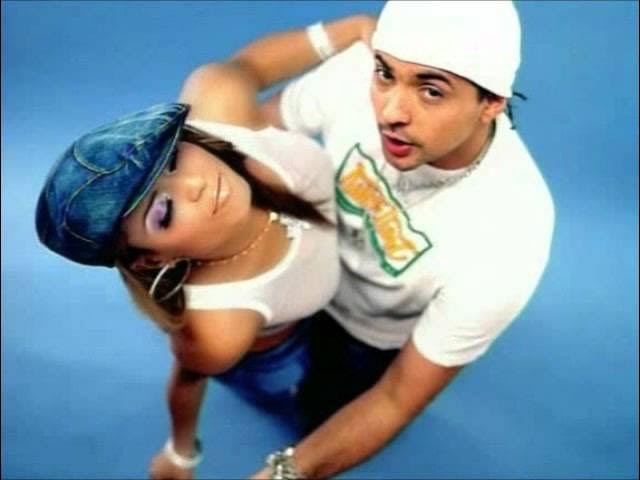
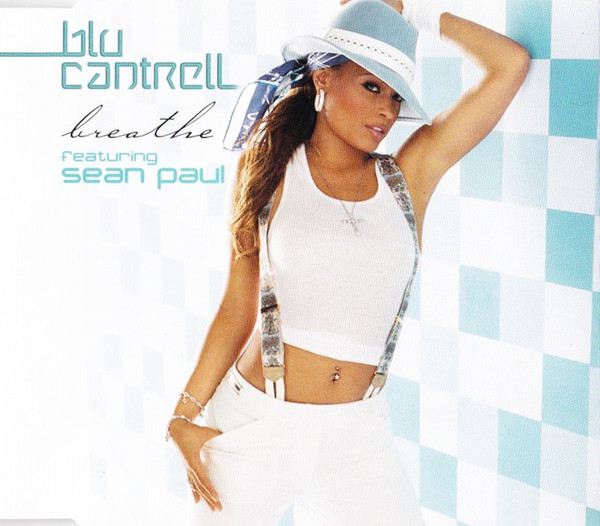
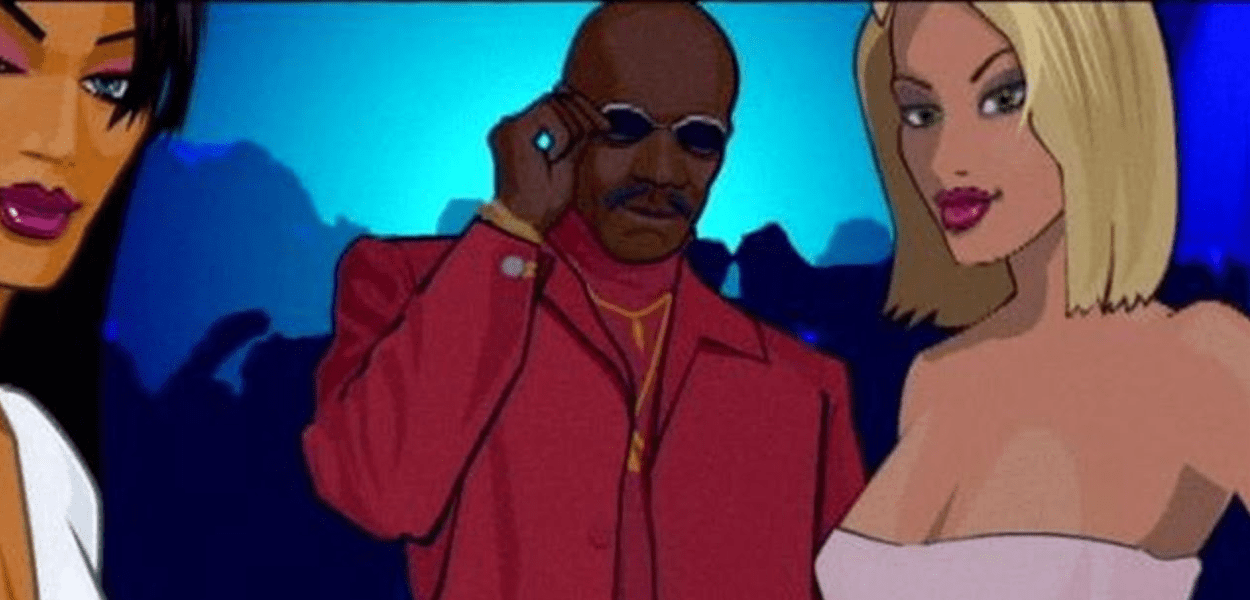
Breathe, by Blu Cantrell (her 1st and only #1) ft. Sean Paul (his 1st of two #1s)
4 weeks, 3rd – 31st August 2003
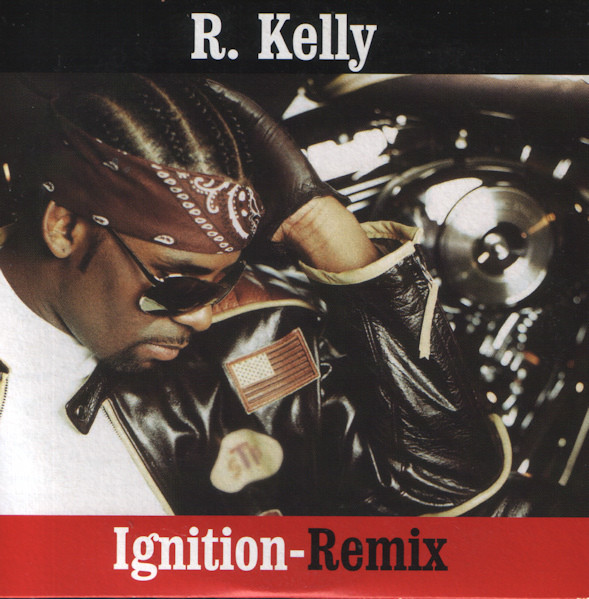
And another remix. Shall we dub this the summer of the remix, after ‘Ignition’, this, and the chart-topper up next? Compared to R. Kelly’s re-tuned hit, the differences between the original ‘Breathe’ and this chart-topping version are minor: a mix that brings the distinctive horns more to the front, and Sean Paul. (The best part of this ‘summer of the remix’ is that the fact they are remixes is introduced to the listener at the start of each track: Sean Paul and Blu Cantrell, Remix that gonna make yo’ head swell…)
It’s a pretty simple song. There are the big, brassy horns – a sample from Dr Dre’s 1999 hit ‘What’s the Difference’, which in turn had been borrowed, and slowed down, from a 1966 Charles Aznavour hit called ‘Parce Que Tu Crois’ (who thus features on an unlikely second #1) – and Cantrell’s big, brassy vocals. She has a very mid-nineties diva, why use one note per syllable when you can use ten, sort of voice. It’s impressive, and makes you wonder why she didn’t become a bigger star.
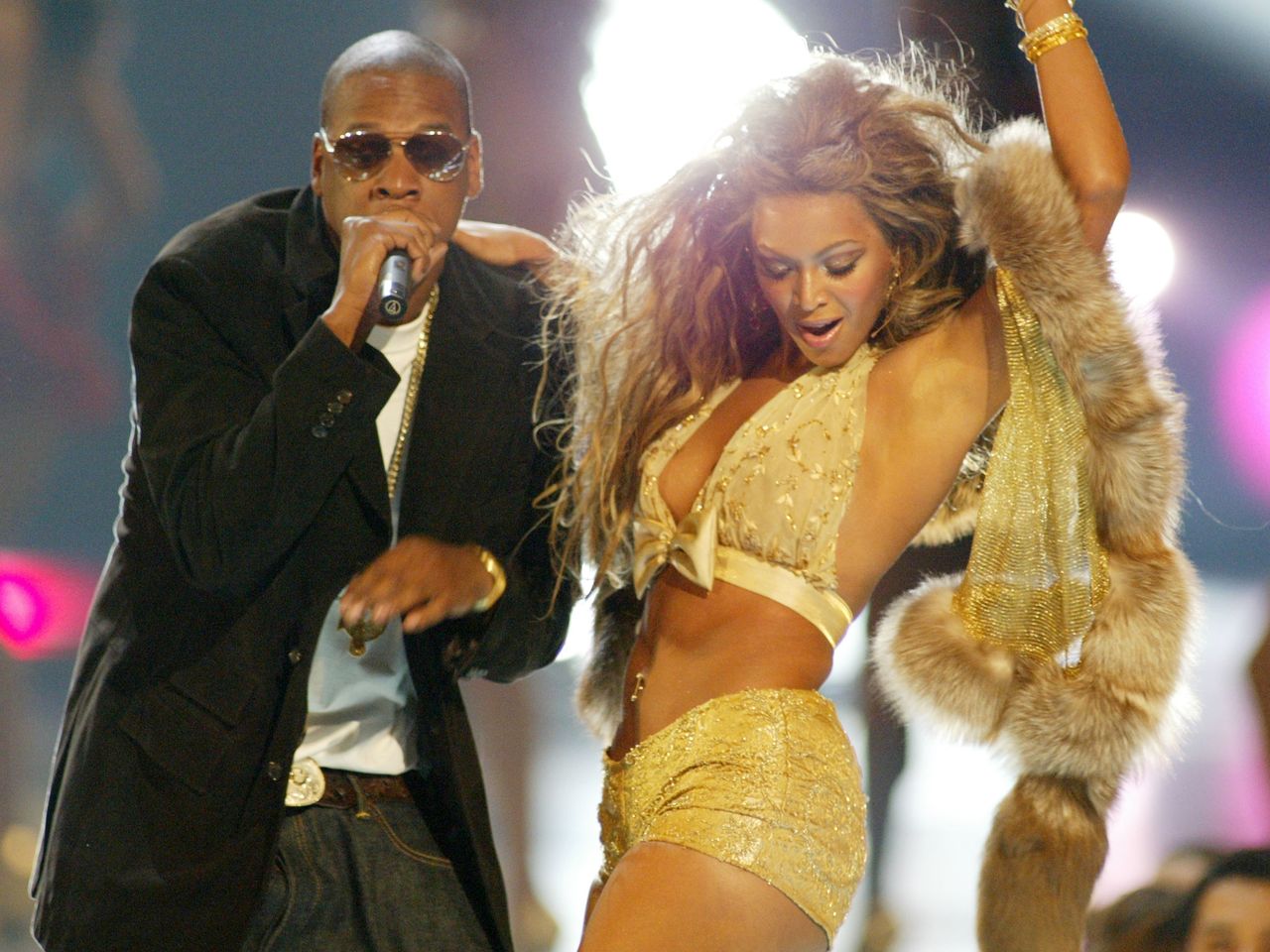
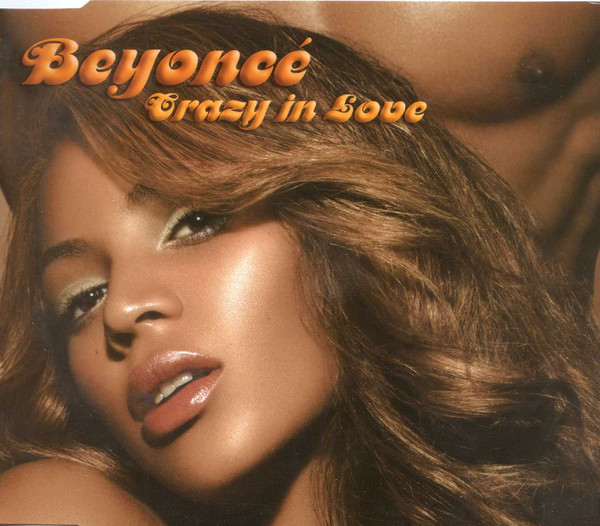
It is in direct contrast with Sean Paul’s deadpan rapped intro and verse. If Blu Cantrell felt like she’d appeared out of nowhere, then Sean Paul was already one of the breakout stars of the year, with three Top 10 hits of his own and a #2 alongside Beyoncé to come. I always think of him as the successor to Shaggy, in terms of his indecipherable patois and throaty delivery (though Shaggy always seemed to be having a bit more fun with it).
So, I like this song. It breezes by, and it has a wonderfully swinging hook. (Any song that brings Dr Dre and Charles Aznavour into the same room has to be worth something.) I do wonder if I am more disposed towards this song because, like the remix to ‘Ignition’, it was one of the songs of the summer between high school and university. I have a clear memory of this playing in a friend’s garden as we had a barbecue… But I also wonder if that matters. What is the point of music if we take memory out of the equation and dissect it on a cold, emotionless slab?
Sean Paul would go on to have a career of some longevity, though his next number one is a decade off and his biggest hit won’t come until 2016 (and whether or not he’s even credited on it is a bone of contention). Blu Cantrell meanwhile would release one more album, and enjoy one more Top 40 hit. Interestingly, her biggest hit in her native US (2001’s ‘Hit ‘Em Up Style (Oops)’) was a much smaller hit in the UK, as ‘Breathe’ was in the States. At the time there were rumours about her having had a career in porn prior to the musical success – to the point that I instantly remembered this fact twenty three years on – but it turns out she had had nothing of the sort. A photoshoot aged eighteen was as raunchy as she got. Maybe that counted as ‘porn’ in the more innocent days of 2003, or maybe it all stemmed from the fact her name was ‘Blu’…




 The UK Number Ones Blog